Using a Ground Blind on BLM Land
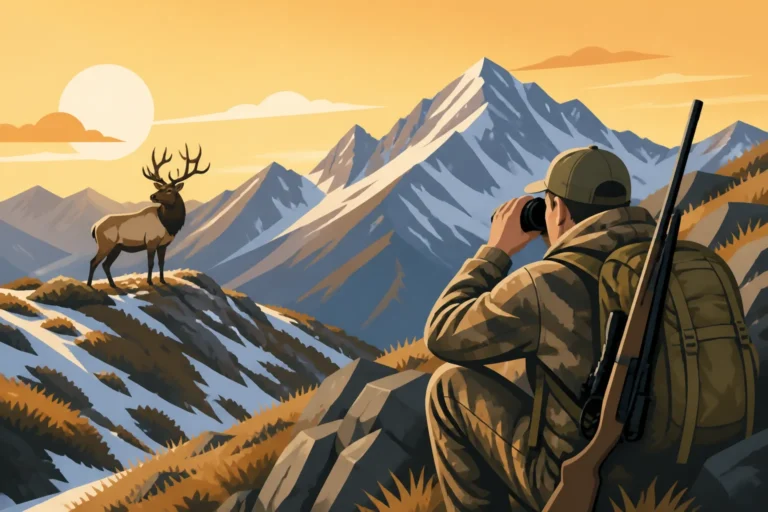
Hunting California's vast and often challenging Bureau of Land Management (BLM) acreage can feel like a game of hide-and-seek, especially when you're after wary deer in open country. The sheer expanse and frequently minimal cover make traditional spot-and-stalk tactics incredibly difficult, leaving many hunters frustrated and exposed. This guide will walk you through everything you need to know about effectively using a ground blind on California's BLM land, transforming your hunting strategy from hopeful to highly effective.
The Unique Advantages of Ground Blinds on California BLM Land
California's BLM lands present a unique set of challenges for hunters. From the sprawling desert washes to the rolling oak foothills, cover can be sparse, and hunting pressure is a real factor. This is where a ground blind really shines, offering critical advantages that can turn a tough hunt into a successful one.
Beating the Pressure and Blending In
One of the biggest hurdles on public land, especially BLM, is the sheer amount of human activity. Other hunters, hikers, off-roaders, and even cattle can make game incredibly skittish. Deer on these lands are often more wary, associating human presence with danger. Trying to sneak up on a sharp-eyed mule deer or blacktail in an area with minimal trees or brush is an exercise in futility for most of us. Your silhouette, movement, and even your scent can give you away in an instant.
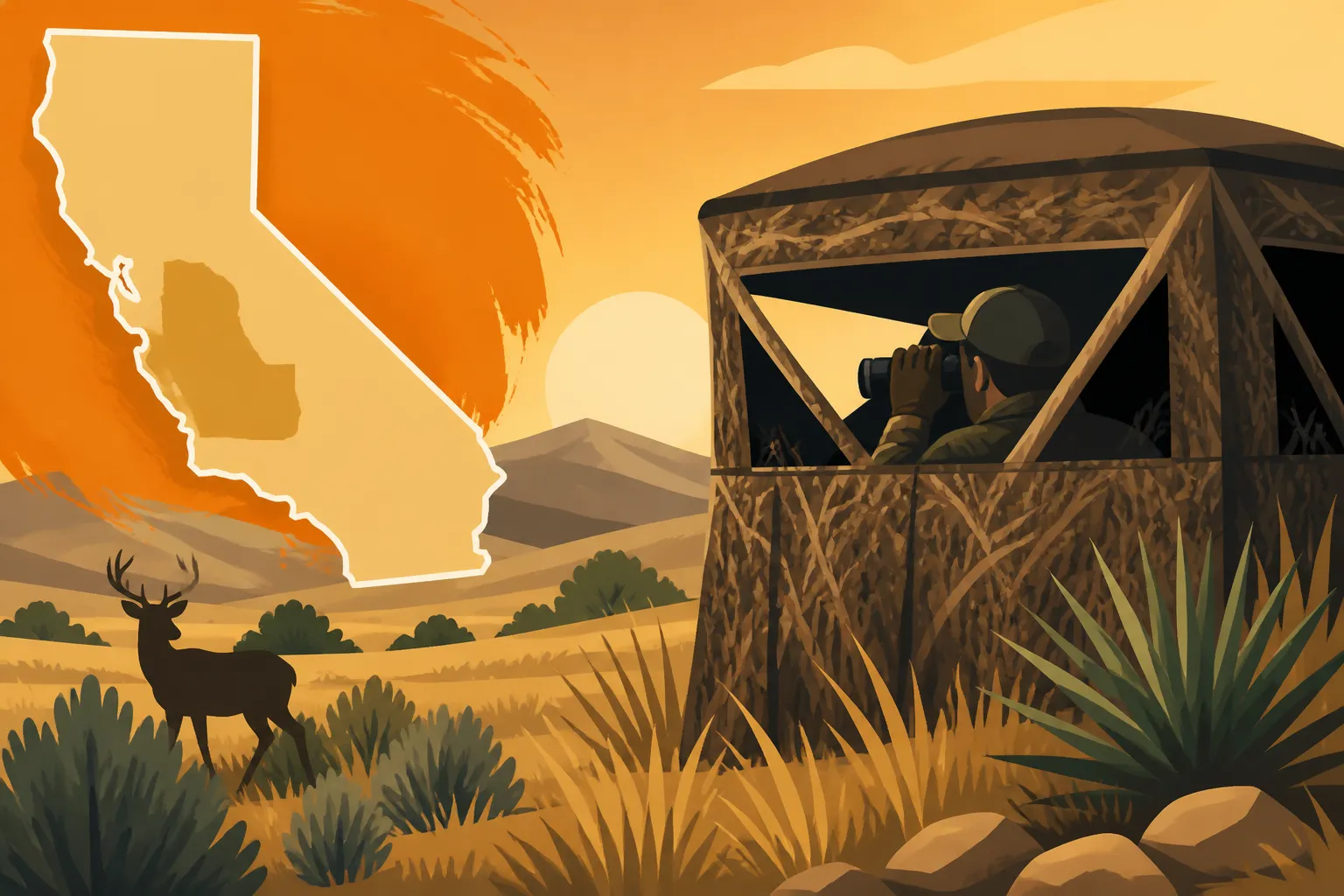
A well-placed ground blind offers an immediate solution to many of these problems. It breaks up your outline completely, making you virtually invisible against the landscape. Imagine a big buck picking his way through a desert wash; he might be looking for movement or a human shape, but a blind, particularly one that's been brushed in properly, just looks like part of the natural environment. This concealment allows you to move slightly, check your phone, or grab a snack without alarming nearby game. It's about letting the deer come to you, rather than trying to force the encounter in a heavily pressured area. We've all seen those areas where you swear deer must be, but they vanish at the first hint of human presence; a blind can help you penetrate those zones.
Comfort and Concealment in Harsh Environments
California's BLM lands are diverse, but one thing they often share is harsh conditions. Early season hunts, like Hunting a D-Zone That Opens in August, can be brutally hot, with the sun beating down mercilessly. Later in the season, particularly in higher elevations or during a storm, you could face chilling winds, driving rain, or even snow. Trying to sit still for hours on end, exposed to the elements, isn't just uncomfortable; it compromises your focus and effectiveness.
A ground blind provides a sanctuary from these elements. It offers shade from the relentless sun, a barrier against biting winds, and keeps you dry during unexpected downpours. This enhanced comfort allows you to stay in the field longer and remain more alert. When you're not shivering or squinting through sweat, you're better able to glass the terrain for game movement or anticipate an approach. Think about those long sits: would you rather be huddled behind a sparse juniper, hoping a buck doesn't spot your fidgeting, or comfortably seated in your blind, sipping coffee and patiently waiting? The mental game of hunting is often won or lost based on comfort, and a blind gives you a significant edge in California's often unforgiving BLM country.
Selecting and Preparing Your Ground Blind for BLM Success
Just like you wouldn't bring a knife to a gunfight, you shouldn't bring the wrong ground blind to California's BLM lands. The right choice in gear and proper preparation are crucial for maximizing your chances.
Choosing the Right Blind for the Terrain
When it comes to ground blinds, there's a spectrum of options, and what works best really depends on the specific BLM terrain you'll be hunting and your personal style.
- Pop-Up/Hub-Style Blinds: These are probably the most common. They set up quickly, often in under a minute, and provide excellent concealment with their dark interiors and shoot-through mesh windows. They’re relatively lightweight and come in a variety of camouflage patterns, from typical forest green to desert tan and sagebrush. For Hunting a BLM Desert Wash for Mule Deer, a blind with a desert pattern can blend in remarkably well among the sparse vegetation. The key here is durability; BLM land can be rough, with sharp rocks and abrasive brush, so look for heavy-duty fabric and robust hubs. Brands like Ameristep or Primos offer reliable options.
- Backcountry Tent Blinds: These aren't traditional hunting blinds but can be adapted. Think of lightweight, single-wall tents in drab colors. They offer shelter and some concealment but will require more natural brushing in. Their main advantage is extreme portability, making them ideal for truly remote, multi-day hunts where you might be packing in miles.
- Natural Blinds (Ghillie Blinds): Sometimes the best blind is one you build on the spot from local vegetation, or use a ghillie suit for mobile concealment. While not a "blind" in the manufactured sense, they provide ultimate camouflage and can be very effective when hunting sparse cover or when you need to be highly mobile, transitioning from a glassing position to a concealed approach.
No matter your choice, consider the weight and packed size. You might need to hike a fair distance into public land to escape pressure, so a blind that's too heavy or bulky will quickly become a deterrent.
Here's a quick comparison to help you weigh your options:
| Blind Type | Portability | Setup Time | Concealment Level | Best Use Case (CA BLM) |
|---|---|---|---|---|
| Pop-Up Hub-Style | Moderate | Fast | High | Quick setups, brushy cover, open fields |
| Backcountry Tent (mod.) | High | Moderate | Moderate (needs brushing) | Remote areas, long sits, over longer periods |
| Natural Blind (improv.) | N/A | Variable | High | Improvised, specific spots, minimal gear |
| Ghillie Blind | High | Fast | Very High | Highly mobile, spot-and-stalk transitions, quick hides |
Essential Pre-Season Scouting and Placement
You can have the most expensive, best-camouflaged blind on the market, but if it's placed poorly, it's just an expensive tent. Pre-season scouting is not just important; it's absolutely non-negotiable for blind hunting on BLM. This isn't just about finding deer; it's about understanding where and how deer move through the landscape.
Start by using mapping applications like GoHunt or onX Hunt. These tools are invaluable for Using an App for California BLM Land Status and can help you identify public land boundaries, elevation changes, water sources, and potential funnels. Look for pinch points between large rock formations, along the edges of dry washes, or where a few scattered oaks provide the only cover in an otherwise open area.
Walk the ground well before the season opens. Look for fresh tracks, scat, rub lines, and bedding areas. Pay attention to how deer might travel from bedding to feeding or watering. This is your chance to really connect with the landscape and anticipate deer movement. Once you've identified a promising spot, set up your blind early. At least a few weeks before opening day, if possible. This allows deer to get used to its presence, reducing their suspicion when you finally climb inside. If you set it up the day before, it's a glaring new object, and deer are intelligent enough to notice changes in their environment. Let it sit, weather a few storms, and become just another part of the scenery. Remember that Scouting California Public Land Before Season drastically increases your chances of success.
Strategic Placement for Maximum Effectiveness on BLM
Proper blind placement is an art form. It's not just about hiding; it's about anticipating game movement, managing your scent, and leveraging the natural features of the land.
Identifying Key Features and Funnels
On California's BLM land, deer often use subtle terrain features to their advantage, and you should too. These "key features" are usually where deer feel safest or where travel is easiest.
- Washes and Draws: In desert or arid foothill country, dry washes and draws are natural highways for deer, providing both cover and easier travel than open flats. Setting a blind within or along the edge of a wash can be incredibly effective, especially if it leads to a water source or a bedding area. After a rain, these washes can also be critical for collecting water, making them prime spots for deer to visit, as discussed in Hunting a BLM Wash After a Rain.
- Pinch Points: These are areas where the landscape funnels deer movement into a narrow corridor. This could be a saddle between two hills, a narrow gap in a fence line, or the only viable path around an impassable rock outcrop. GoHunt's satellite imagery can help pinpoint these areas from home, but boots-on-the-ground scouting is essential to confirm.
- Water Sources: In many parts of California BLM, water is king. Seeps, small cattle tanks, or even temporary puddles after a rain can be magnets for deer. A blind overlooking a reliable water source can be deadly, especially during hot, dry periods. Remember to position your blind far enough back not to spook deer directly at the water's edge, but close enough for a clean shot.
- Sparse Cover Edges: Even in open country, deer will hug whatever cover they can find – a string of juniper trees, a dense patch of sagebrush, or a small rock pile. Placing your blind along the edge of this cover, allowing you to see into the open while remaining concealed, is often a winning strategy.
Wind Direction, Sun Angle, and Entry/Exit Routes
These often overlooked details can make or break your blind hunt. Ignore them at your peril.
- Wind Direction: This is paramount. Deer, especially mule deer and blacktail, rely heavily on their sense of smell. You must position your blind so that the prevailing wind carries your scent away from the areas you expect deer to approach from. In California, winds can be unpredictable, especially in hilly terrain where thermals play a huge role. Early morning often sees a downhill thermal, while midday brings an uphill thermal. Check the forecast, but also be prepared to adapt. A good practice is to have a small wind checker handy and confirm conditions before each sit.
- Sun Angle: Imagine trying to glass for deer with the sun glaring directly into your eyes. Not only is it uncomfortable, but it also compromises your visibility and can silhouette you inside the blind if you're not careful. Position your blind so the sun will be at your back or to your side for most of your hunting window. This illuminates the deer you're watching while keeping you in shadow.
- Entry and Exit Routes: This is where many hunters make mistakes. You can have a perfectly placed blind, but if you spook deer walking in or out, you've compromised the spot. Plan your routes to and from the blind carefully. Use natural cover, walk into the wind, and avoid crossing active game trails. The goal is to get into and out of your blind without deer ever knowing you were there. This might mean getting up an hour before dawn and waiting until well after dark to leave. Sometimes, Finding Ground Others Walk Past means accessing it in a way that others don't, often involving a longer, stealthier walk.
Mastering the Hunt from Within Your BLM Ground Blind
Once your blind is set and you're settled in, the real work begins. It’s about patience, observation, and being prepared for anything.
Optimizing Your Setup and Patience
The interior of your blind should be a quiet, efficient hunting machine. Clear out any debris that could crunch underfoot. A comfortable, silent chair is a must – you'll be spending hours in it. Organize your gear (rangefinder, binoculars, water, snacks, calls) so everything is within easy reach and can be accessed silently.
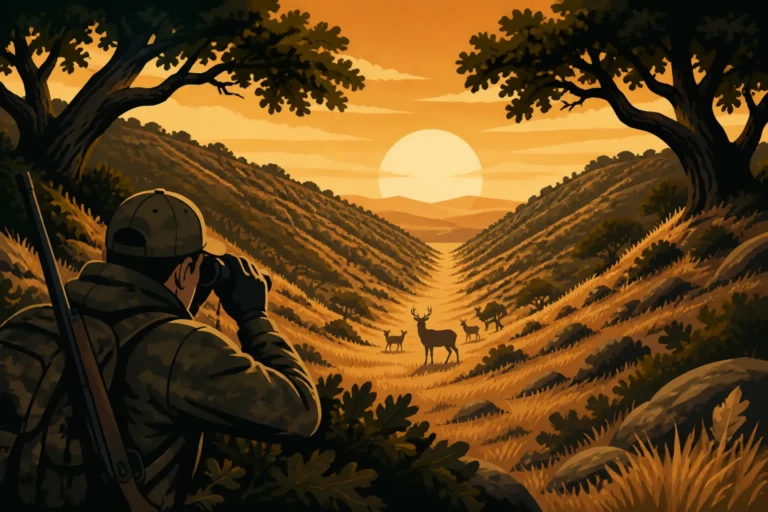
For Glassing Mule Deer in Open California Country from a blind, high-quality binoculars are essential. Often, deer will appear as distant specks, and you'll need to carefully scan the terrain through the blind's windows. Using a steady rest for your binoculars or spotting scope is a game-changer. Some blinds have built-in shooting rails, or you can use a tripod.
Patience, truly, is the most powerful weapon in a ground blind hunter's arsenal. Unlike spot-and-stalk where you're constantly moving, blind hunting is about waiting for the opportune moment. Deer on BLM land, especially those that have seen a lot of Hunting Pressure on California Public Land, are often hesitant and will take their time. You might sit for hours without seeing a thing, only for a buck to materialize out of nowhere. Resist the urge to constantly peek out of multiple windows or stand up. Limit movement, stay silent, and let the blind do its job of concealing you.
One often-overlooked aspect is brushing in your blind. Even if your blind has a great camo pattern, it's a manufactured object. Use local vegetation – sagebrush, branches, tall grasses, rocks – to break up its hard lines and make it truly disappear into the landscape. Don't go overboard and obstruct your shooting lanes, but a little effort here goes a long way.
Overcoming Challenges and Adapting to Conditions
Hunting from a ground blind isn't without its own set of challenges, particularly when facing California's diverse and sometimes extreme weather.
- Hot Weather: Early season hunts can see temperatures soaring, especially in the desert or Central Valley foothills. Hydration is crucial. Bring plenty of water and electrolyte drinks. Dress in light, breathable layers. While the blind offers shade, it can still get warm inside. Consider opening a small window on the shaded side for airflow, being mindful of your scent. Focus on silent movements and conserving energy.
- Cold Weather: Conversely, late-season hunts can be frigid. Layering is key: a good wicking base layer, insulating mid-layers, and a waterproof/windproof outer shell. Bring hand warmers, a warm hat, and insulated boots. A small, portable heater (with proper ventilation for safety) can make long, cold sits bearable.
- Limited Visibility: Blinds, by design, limit your field of view compared to sitting out in the open. You need to be diligent in scanning your shooting lanes and areas where you expect deer to appear. Rotate your head slowly, using your binoculars to pick apart the cover. If a deer approaches from an unexpected angle, you might need to make very slow, deliberate movements to adjust your position or window. Practice this beforehand to avoid noisy fumbling.
- Wind and Shifting Thermals: Even with pre-planning, California's winds can be fickle. Keep a wind checker on hand. If the wind shifts unfavorably, you might have to decide whether to tough it out, try to shift your position slightly (if the blind allows), or silently exit and relocate. Sometimes, calling it a day and returning when conditions are more favorable is the smart move. Remember, using an offline map app, like many available via GoHunt or other services, is critical for understanding the contour lines and predicting thermals, especially in the Sierra foothills or deep canyons.
By understanding these nuances and adapting your approach, your ground blind can become an incredibly effective tool for success on California's wild and beautiful BLM lands.
Disclaimer
Please ensure you are fully aware of and comply with all current California Department of Fish and Wildlife (CDFW) regulations, including licensing, tag requirements, seasons, legal hunting methods, and any specific rules pertaining to the use of ground blinds or other equipment on public lands, including BLM. Regulations can change, and it is the hunter's responsibility to stay informed. This guide is for informational purposes only and does not supersede official CDFW guidelines. Always prioritize safety and ethical hunting practices.