California Tule Elk Landowner Tag Costs
For many California hunters, the dream of chasing a Tule Elk feels like an insurmountable challenge, especially when faced with daunting draw odds and the often-confusing world of special tags. It's a frustrating reality that access to these magnificent animals is incredibly limited, making every opportunity feel precious. This guide aims to demystify one of those avenues: the California Tule Elk landowner tag, breaking down exactly what these tags entail and, critically, what kind of investment you can expect to make to pursue a Tule Elk through this unique system.
Understanding California's Tule Elk Landowner Tags
Let's be honest, trying to draw a premium Tule Elk tag through the California Big Game Drawing can feel like buying a lottery ticket. The odds are notoriously slim, and for many, years turn into decades without success. This is where landowner tags come into play, offering a different, albeit often more expensive, pathway to fulfilling that Tule Elk dream. These aren't just "over-the-counter" tags; they are a carefully managed system designed to incentivize private landowners to support and manage elk populations on their properties.
What Landowner Tags Are and How They Work
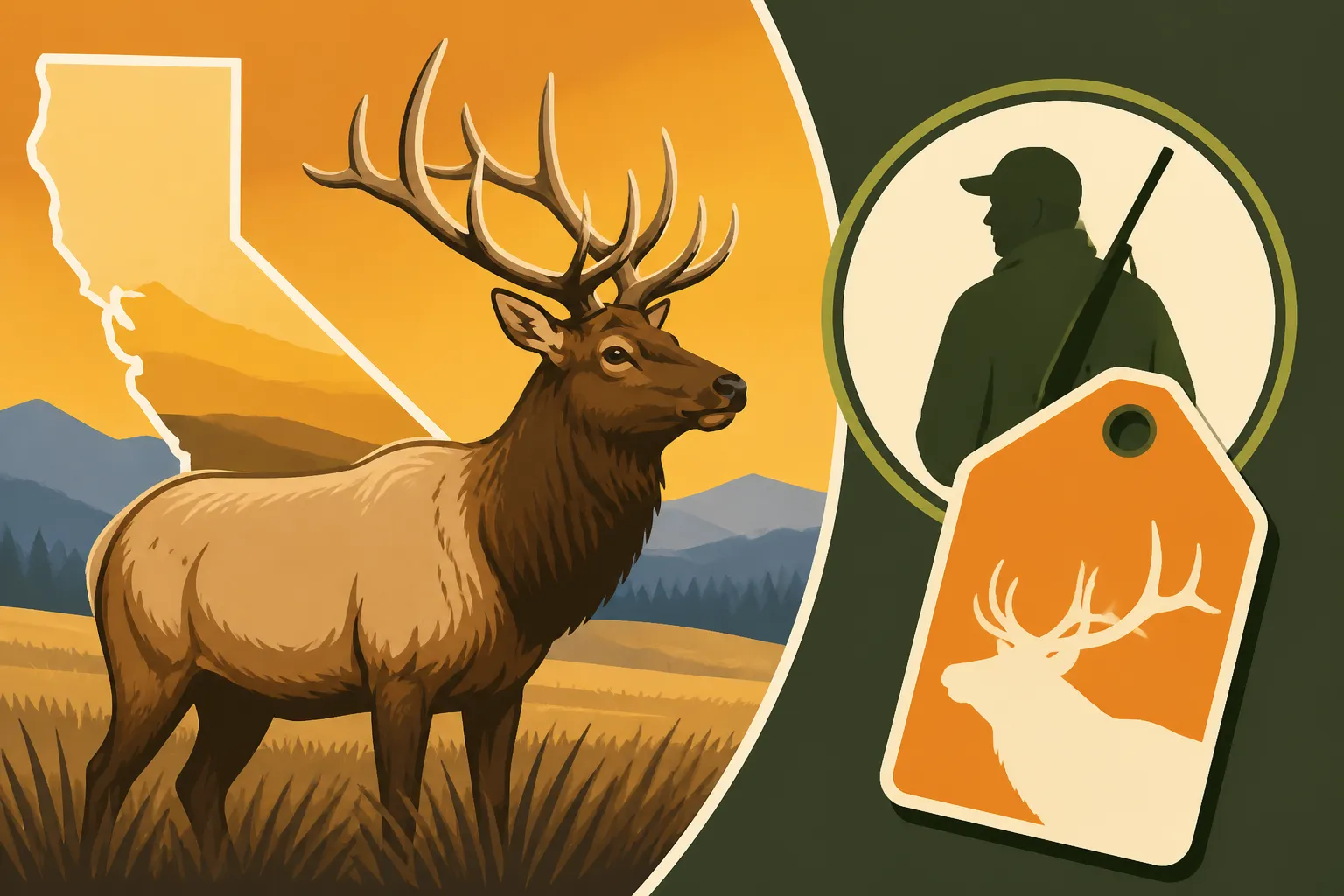
A Tule Elk landowner tag isn't something you can just walk into a sporting goods store and buy. These tags are part of a specific program administered by the California Department of Fish and Wildlife (CDFW) where qualifying landowners, whose properties contribute significantly to Tule Elk habitat and herd management, are allocated a limited number of elk tags. The idea is to recognize and encourage these landowners for providing vital resources for these incredible animals, especially considering the historic challenges Tule Elk have faced. This differs greatly from the general draw system, where anyone with enough preference points and luck has a chance at a tag for specific zones, as you might explore when applying for a California Tule Elk Tag in the Big Game Drawing.
These tags are tied directly to the specific property of the landowner and can only be used there. The landowner then has the option to use the tag themselves, give it to a family member, or, most commonly, sell it to a hunter. This is where the commercial aspect comes in, as these tags often include an access fee for hunting on the private land, sometimes bundled with a guided hunt. It’s a way for landowners to offset the costs of managing their land for elk, including things like forage, water, and potential damage to crops or fences. The availability of these tags directly correlates with the health and presence of Tule Elk herds, which have shown incredible resilience and growth since their population recovery from near-extinction.
Distinguishing Landowner Tags from Public Draw Tags
The most significant difference, beyond the price tag we'll dive into shortly, is the access and success potential. When you secure a tag through the public draw, you're often looking at hunting vast tracts of public land, like national forests or BLM ground, which can be incredibly challenging due to hunting pressure and the sheer scale of the landscape. Success rates on public land can vary wildly and often require extensive scouting and physical exertion.
With a landowner tag, you are gaining exclusive access to private property where elk may be managed more intensively. This typically means less competition from other hunters, and often, the landowner or an outfitter they work with has a deep understanding of the elk's movements and habits on that specific parcel. They've likely been monitoring the herd, know their preferred bedding areas, water sources, and feeding grounds. This often translates to a much higher success rate compared to public land hunts, which is a major draw for hunters willing to pay the premium. While public draw tags are about opportunity in a competitive field, landowner tags are about maximizing the hunting experience and the likelihood of harvesting an animal, often on properties where California's Tule Elk herds range with less disturbance.
The High Price Tag: Why Tule Elk Landowner Tags Are So Expensive
The sticker shock for Tule Elk landowner tags is very real for many hunters. It’s not uncommon to see prices that make your eyes water, but understanding why they command such a premium helps put things into perspective. This isn't just about profiting off a unique opportunity; it's a reflection of extreme scarcity, high demand, the cost of wildlife management, and the unique challenges and value associated with Tule Elk hunting in California.
Rarity and Demand for Tule Elk
California's Tule Elk are unique. They are the smallest of the North American elk species and are endemic to California, meaning they are found nowhere else in the world. After being pushed to the brink of extinction in the 19th century, their recovery has been a true conservation success story. However, their populations, while healthy, are still relatively localized and managed carefully. This inherent rarity creates immense demand among hunters who dream of completing an "elk slam" or simply harvesting a truly iconic California animal.
Because CDFW allocates a very limited number of landowner tags each year, the supply is incredibly low. When you combine low supply with exceptionally high demand from hunters across California and even beyond, basic economics dictate that prices will be driven sky-high. Think of it like a rare piece of art or a vintage car – its value isn't just in its utility, but in its scarcity and desirability. GoHunt's data, for example, often highlights just how challenging California Tule Elk Draw Odds can be, pushing more hunters towards these private land opportunities, further inflating demand and, consequently, the price.
Costs Associated with Private Land Elk Management
Managing a robust Tule Elk population on private land is no small feat, and it comes with significant financial burdens for landowners. These aren't tame animals; they are wild elk that require vast amounts of forage and water. Landowners often invest heavily in habitat improvements, such as maintaining water sources, managing vegetation to provide optimal feed, and sometimes even planting specific crops to attract and hold elk.
Beyond habitat work, elk can cause considerable damage to private property. They might tear down fences, compete with livestock for forage, or damage agricultural crops, particularly during drought years or when populations swell. These damages represent real financial losses for landowners. The revenue generated from selling landowner tags helps to offset these costs, making it economically viable for them to continue hosting and managing elk on their land rather than seeing them as a nuisance. It's a critical incentive within California's unique wildlife management framework to ensure these private lands continue to contribute to the overall health and distribution of Tule Elk.
Breaking Down the Costs: What You Actually Pay For
When you see a price tag for a Tule Elk landowner hunt, it's rarely just for the "tag." Instead, you're typically looking at a bundled package that includes a CDFW-issued tag (which has its own base cost), access to exclusive private land, and often, a professionally guided experience. Understanding these components is key to grasping the total investment.
Tag Fee Versus Access and Outfitter Fees
Let's clarify one of the biggest points of confusion. The actual state-issued Tule Elk tag itself has a cost, which is determined by the CDFW. For residents, this typically runs in the hundreds of dollars, similar to other premium big game tags. However, this is almost always a fraction of the total price you'll pay for a landowner tag hunt.
The bulk of the cost comes from the landowner or the outfitter managing the hunt. This "access and outfitter fee" covers a multitude of services. It grants you exclusive hunting rights on prime private land, which can be thousands of acres and strategically managed for elk. It also often includes a fully guided hunt, meaning experienced professionals will take you out, scout for animals, help with field judging, set up stalks, and assist with recovery and field dressing. Many outfitters also include lodging, meals, and transportation around the hunting property. Essentially, you're not just buying a tag; you're buying an entire, often luxurious, hunting experience designed for high success.
Typical Price Ranges and What They Include
Tule Elk landowner tag hunts can vary significantly in price, but generally, you're looking at a substantial investment. For a fully guided, multi-day Tule Elk hunt on private land with a landowner tag, prices typically start in the $10,000 to $15,000 range and can easily climb to $20,000 or more, depending on the outfitter, the quality of the property, the trophy potential, and the inclusivity of the package.
Here’s a general breakdown of what those costs might cover:
| Component | Typical Cost Range (within total hunt price) | What's Included |
|---|---|---|
| State Tag Fee (Resident) | $500 – $1,000 (approx.) | The official CDFW Tule Elk tag, required by law. |
| Private Land Access Fee | $5,000 – $10,000+ | Exclusive hunting rights on managed private property. |
| Guided Hunt Service | $5,000 – $10,000+ | Professional guides, scouting, animal location, field judging, recovery, caping. |
| Lodging | Included in most packages | Accommodations on or near the property (ranging from rustic to high-end cabins). |
| Meals | Included in most packages | Often home-cooked meals, snacks, and drinks during the hunt. |
| Transportation (on-site) | Included in most packages | ATVs, UTVs, or 4×4 vehicles for accessing hunting areas. |
| Field Care/Processing | Often included or available for extra fee | Initial field dressing, transportation to processor, sometimes quartering. |
These prices reflect the exclusivity, the personalized attention, and the high probability of success that comes with these limited opportunities. It's a significant commitment, but for many, it's the only realistic path to hunting a California Tule Elk, especially if you're not interested in the grueling odds of the public draw or don't have the time to dedicate to extensive scouting on public lands.
Finding and Vetting Tule Elk Landowner Tag Opportunities
So, you've decided a landowner tag might be the way to go. The next step is navigating the process of finding and properly vetting these opportunities, which can be just as crucial as the hunt itself. You're making a substantial investment, so due diligence is paramount.
Where to Look for Available Tags
Finding Tule Elk landowner tags isn't like looking up common deer zones online. These are niche opportunities, and you'll typically find them through a few key channels:
- Outfitters and Hunting Brokers: This is perhaps the most common route. Many outfitters in California specialize in premium big game hunts, and they often secure landowner tags directly from property owners. They act as the middleman, marketing the hunts and handling the logistics. Well-known outfitters often have established relationships with landowners and a track record of successful hunts. You can find these by searching online for "California Tule Elk outfitters" or "landowner elk hunts California." Sites like GoHunt also often feature directories or advertisements for reputable outfitters.
- CDFW Website and Publications: While CDFW doesn't sell the tags directly to hunters, they do manage the landowner tag program. Their website might have information about the program itself, which can sometimes lead to insights on participating properties or areas. It's a good idea to familiarize yourself with general information like the rules for California Hunting Licenses and What They Cost, or understanding The California Big Game Drawing Explained to put landowner tags in context.
- Hunting Forums and Social Media Groups: Online communities can be a goldmine for information. While you need to be cautious about unsolicited offers, asking for recommendations or experiences with Tule Elk landowner hunts can connect you with past clients or even reputable outfitters.
- Direct Landowner Contact (Less Common for Elk): For species like wild pigs, direct landowner contact is more common, but for premium tags like Tule Elk, it's far less likely you'll connect with a landowner directly offering a tag without an outfitter. Still, if you're exploring Getting Private Land Permission in California for other game, you might stumble upon an opportunity, though don't count on it for Tule Elk.
Essential Questions to Ask Before Committing
Before you hand over any money, you need to ask a lot of questions. Remember, this is a significant investment, and you want to ensure you're getting what you pay for and that the hunt aligns with your expectations.
- What is the total cost, and what exactly does it include? Get a detailed breakdown. Is the CDFW tag fee separate or included? What about lodging, meals, transportation, and field care? Are there any hidden costs?
- What are the success rates and typical trophy quality? Be realistic. While landowner tags offer higher success, no hunt is 100%. Ask for historical data, photos of recent harvests, and what kind of bull (e.g., 5×5, 6×6) is realistically expected.
- What is the duration of the hunt? Is it a 3-day, 5-day, or longer hunt? What happens if you don't tag out? Are there "re-hunt" options or fees?
- Who will be guiding me, and what is their experience? Ask about the guide's specific experience with Tule Elk on that property. Do they know the land well?
- What are the hunting methods? Is it spot-and-stalk, blind hunting, calling, or a combination? How physically demanding is the hunt? This is especially important if you're hunting in challenging terrain, perhaps similar to what you'd find when hunting California's Sierra Nevada Backcountry.
- What is the accommodation like? Rustic camp or comfortable lodge? This might impact your packing choices, such as what to include in your Packs and Gear for a Backcountry Elk Hunt.
- What are the payment terms and cancellation policy? Understand deposits, final payments, and what happens if you need to cancel or if the outfitter cancels.
- Can you provide references from past clients? This is crucial. A reputable outfitter should be happy to provide contact information for previous hunters. Make sure you call them and ask about their experience, the guide, the success, and if they felt they got their money's worth.
- What are the meat processing and taxidermy arrangements? Will they help transport your animal to a local processor or taxidermist? Are those costs included or additional?
Taking the time to research thoroughly and ask these questions will help ensure a positive and successful experience, protecting your investment and making that Tule Elk dream a reality.
Is a Tule Elk Landowner Tag Worth the Investment?
Deciding whether to pursue a Tule Elk landowner tag is a highly personal choice, weighing the significant financial cost against the unique experience and increased probability of success. It's not a decision to be taken lightly, but for many, it represents the most viable path to an otherwise elusive hunt.
The Pros and Cons of Going the Landowner Route
Let's break down the advantages and disadvantages to help you make an informed decision:
Pros:
- Significantly Higher Success Rates: This is arguably the biggest draw. Private land hunts, especially guided ones, boast much higher success rates compared to public land draws. Less pressure, intimate knowledge of elk movements, and dedicated scouting by guides stack the odds in your favor.
- Exclusive Access to Prime Habitat: You'll be hunting on managed private land, often with ideal Tule Elk habitat, minimizing competition from other hunters. This means a more relaxed, focused hunting experience.
- Expert Guidance and Support: Most landowner tag hunts come with professional guides who handle scouting, field judging, tracking, and recovery, making the hunt less stressful and more enjoyable, especially for those less familiar with elk hunting.
- Comfort and Convenience: Many packages include comfortable lodging, meals, and on-site transportation, transforming the hunt into an all-inclusive adventure rather than a rough-and-tumble backcountry expedition.
- Time Efficiency: If your hunting time is limited, a guided landowner hunt maximizes your chances in a shorter timeframe, as much of the groundwork is already done for you.
Cons:
- Substantial Financial Investment: As discussed, these hunts are very expensive, often costing tens of thousands of dollars. This is the primary barrier for most hunters.
- Less "DIY" Challenge: For hunters who relish the challenge of public land scouting, navigating complex terrain, and earning every step of their hunt independently, a guided private land hunt might feel less personally rewarding.
- Limited Availability: While more accessible than drawing a tag, landowner tags are still limited. You often need to book well in advance.
- Ethical Considerations (for some): Some hunters have personal reservations about paying such high prices for "guaranteed" or high-percentage hunts, preferring the challenge and perceived purity of public land hunting.
Ultimately, the value of a Tule Elk landowner tag comes down to what you prioritize in your hunting experience and your financial comfort level. For those with the means and a strong desire to harvest a Tule Elk, it offers an unparalleled opportunity.
Comparing the Value to Public Land Opportunities
If you're still on the fence, it helps to compare the overall value proposition against the public land draw system.
| Feature | Public Land Draw Hunt | Landowner Tag Hunt |
|---|---|---|
| Chance of Obtaining Tag | Extremely low (often <1% draw odds, even with points) | High (if you can afford the purchase) |
| Total Cost | Relatively low (tag fee + gear + travel + time off) | Very high (tag fee + access fee + guide fee + lodging/food) |
| Success Rate | Varies widely, generally low to moderate for DIY hunters | High to very high |
| Hunting Experience | Rugged, DIY, challenging, high satisfaction if successful | Guided, comfortable, higher chance of success, less DIY |
| Access | Vast, unmanaged public lands, high pressure | Exclusive, managed private lands, low pressure |
| Time Investment | Extremely high (scouting, applying for years, hunting days) | Moderate (hunt duration, less pre-season scouting) |
| Physical Demands | Often very high | Can vary, but guides often assist with recovery |
For many, the public draw for Tule Elk represents a lifelong pursuit, a test of patience and skill. The cost is primarily time and effort, with success being a rare and hard-earned trophy. For those who don't have decades to wait or the physical ability for grueling public land hunts, or simply want to maximize their chances, the landowner tag offers a premium, accelerated path. It's about buying opportunity and convenience, turning a distant dream into a more tangible reality. Whichever route you choose, the pursuit of California's Tule Elk remains one of the state's most coveted hunting experiences.
Disclaimer
Please remember that hunting regulations, tag costs, and landowner policies can change. Always consult the official California Department of Fish and Wildlife (CDFW) regulations and contact specific outfitters or landowners for the most current information before planning any hunt. This guide is for informational purposes only and does not constitute legal advice.