California Special Youth Hunt Windows
It can be incredibly tough to introduce young hunters to the outdoors when general seasons are often crowded, competitive, and sometimes overwhelming for beginners. Finding those dedicated opportunities designed specifically for youth can make all the difference, fostering a lifelong love for hunting rather than frustration. This guide is here to shed light on California's special youth hunt windows, detailing the requirements, opportunities, and strategies to give junior hunters the best possible experience.
Understanding California's Youth Hunting Opportunities
Bringing up the next generation of ethical, responsible hunters is something many of us are passionate about. California understands this too, which is why the Department of Fish and Wildlife (CDFW) has carved out specific times and programs to give young people a leg up. These aren't just token gestures; they're thoughtfully designed opportunities that prioritize learning, safety, and success for junior hunters.
The Philosophy Behind Youth Hunts
At its heart, the creation of dedicated youth hunting seasons is about hunter recruitment and retention. Let's be honest, hunting can be intimidating. You're often up against seasoned veterans, navigating complex regulations, and dealing with significant hunting pressure on California public land. For a kid, this can be disheartening, leading them to give up before they even really get started. Youth seasons aim to reduce these barriers. By setting aside specific dates, typically before or after the general season, the goal is to provide a less pressured environment where young hunters can learn fundamental skills, spend quality time with their mentors, and have a higher chance of success. It’s not just about the kill; it's about the connection to nature, the lessons in patience, and the joy of shared experience. These windows often coincide with less crowded times, giving young hunters more space and opportunity to hone their skills without feeling rushed or overwhelmed by competition.
Eligibility Requirements for Junior Hunters
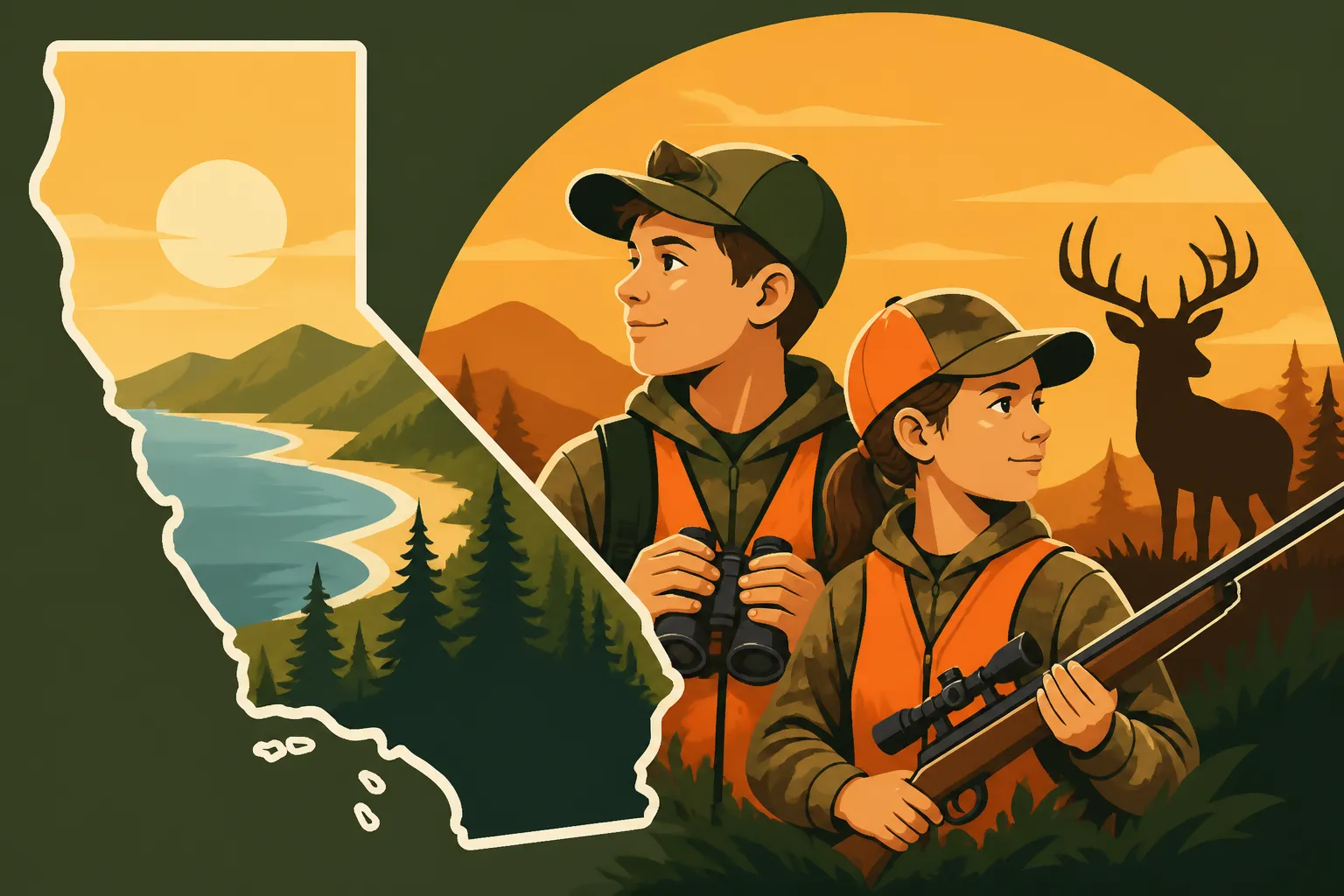
So, who qualifies for these special opportunities? Generally, in California, a "junior hunter" is someone under the age of 16. However, age isn't the only factor. All junior hunters must complete a certified Hunter Education course, which is a fantastic program that teaches firearm safety, wildlife conservation, ethical hunting practices, and game identification. This is a crucial step that ensures our young hunters are well-prepared and responsible members of the hunting community.
Beyond the hunter education, every junior hunter needs to possess a valid California junior hunting license. This license, thankfully, comes with discounts under the California Junior License Discount Program, making it more accessible for families. When a junior hunter is in the field, they must be accompanied by a licensed adult mentor, typically 18 years or older, who also possesses a valid hunting license. The mentor isn't just there to drive; they're actively responsible for supervising the junior hunter, ensuring safety, and guiding them through the hunt. California law mandates that the mentor must remain within "immediate control" distance, usually close enough to hear and communicate without shouting, and able to take physical control of the firearm if necessary. This mentorship is vital, turning each outing into a hands-on learning experience where vital skills like reading California mud for fresh deer movement or spotting game are passed down directly.
Navigating Specific Youth Hunt Windows
California offers a range of special youth hunt windows across different game species, designed to give junior hunters a taste of various types of hunting in more favorable conditions. These opportunities often have lighter pressure and can lead to really memorable experiences.
General Big Game Youth Hunts
For many, big game is the ultimate pursuit, and California offers some fantastic youth opportunities for deer. While the general deer seasons in zones like A, C, or various D-Zones can be highly competitive, there are often specific youth-only weekends or early openers. For instance, some D-Zones have a dedicated early August opening day exclusively for junior tag holders, weeks before the general season opens. This means fewer hunters in the field, less pressure on the deer, and a much more relaxed environment for a young person to learn the ropes of still-hunting California's Sierra Nevada timber or spotting a buck. These specific dates mean that junior hunters might get the first crack at undisturbed deer herds, increasing their chances of success. It's a prime time to teach glassing a canyon for a bedded buck without feeling like every ridge holds another hunter.
Sometimes, these youth opportunities are part of the larger California Big Game Drawing, requiring a special application, but the draw odds for youth tags can be significantly better than for adult tags in premium units. It's always worth checking the CDFW regulations each year, or using a service like GoHunt, to pinpoint these specific junior hunts. These special youth tags are usually valid for antlered deer, but always confirm the specific regulations for the zone you're applying for.
Uplands and Waterfowl Youth Hunts
It’s not just big game where youth get special treatment. Upland birds and waterfowl also have dedicated windows that are perfect for younger hunters. For turkeys, California offers a specific Junior-Only Turkey Weekend in the spring, typically preceding the general statewide opener. This allows youth hunters and their mentors to go out when the birds are still relatively unpressured, giving them a better chance to work a gobbler. It's an ideal time for a mentor to teach Calling a Gobbler in Oak Woodland without worrying about other hunters interfering. Similarly, the fall turkey season also has specific dates where juniors can participate.
Waterfowl hunting, which can be a challenging but incredibly rewarding experience, also has youth-only days. These are usually held in specific areas, often on public lands like the Central Valley wildlife refuges or private lands participating in cooperative programs. These days allow junior hunters to experience Decoying Ducks in California's Central Valley Flooded Rice or Pass-Shooting Geese on California's Sacramento Refuges without the intense competition of opening weekend. For upland birds like dove, there are often junior-only openers or special weekends. Imagine the excitement of a young hunter participating in a Dove Hunting a Cut Grain Field before the main rush. For quail, many areas see special junior-focused days, which are perfect for Quail Hunting California Foothill Chaparral with a mentor. These dedicated days are not just about shooting; they are about learning bird identification, dog handling, and the intricacies of decoy placement.
Applying for Youth-Specific Tags and Permits
Applying for youth-specific tags and permits in California generally follows the same process as adult applications, but with a few key differences. Most applications are handled through the CDFW's online license and tag sales service (ALDS). It’s crucial to make sure your junior hunter’s profile is correctly set up and linked to their hunter education certificate. For draw opportunities, like those for specific deer or elk units, youth hunters participate in the California Big Game Drawing, but they are often competing in a separate pool with better draw odds. This is where researching specific draw statistics for junior hunts can really pay off. Services like GoHunt are invaluable for analyzing past draw results and identifying units with higher success rates for youth applicants. They can help you sift through the data and make informed decisions on where to apply.
It's important to be diligent with application deadlines, as these are strict and missing them means missing out for an entire year. Always double-check the current year's regulations on the CDFW website or through the GoHunt platform for the most up-to-date information on application periods and specific permit requirements. Remember, even if a tag is over-the-counter for adults, there might be a special validation or earlier purchase requirement for junior hunters to qualify for special youth hunt windows. For instance, a California Wild Pig Tag can be bought year-round, but specific junior-only pig hunts might require an earlier sign-up.
Maximizing Success on a Youth Hunt
A successful youth hunt isn't just about harvesting an animal; it's about building character, teaching responsibility, and creating lasting memories. Success stems from thoughtful preparation, effective mentorship, and a focus on the overall experience.
Mentorship and Preparation
The role of the mentor cannot be overstated. You're not just a chaperone; you're a teacher, a guide, and a safety officer. Before the hunt, spend time with your junior hunter discussing ethical hunting practices, wildlife identification, and the specific regulations for the area and species you'll be pursuing. Practice shooting safely and proficiently with their chosen firearm or bow, emphasizing shot placement and humane harvesting. A junior hunter should be comfortable and confident with their equipment, whether it’s a .243 rifle for deer or a 20-gauge shotgun for waterfowl. This comfort level is crucial for safety and shot execution.
Scouting California public land before season is incredibly important for youth hunts. Take your junior hunter out to learn the land, identify game trails, bedding areas, and feeding locations. This pre-season activity builds excitement and familiarizes them with the terrain, making them more comfortable and confident on opening day. Focus on areas with good cover and active game sign. Talk about wind and thermals in steep Sierra country, and how they affect game movement. Gear is also important – ensure they have appropriate clothing for the weather, comfortable boots for walking, and a suitable pack for carrying essentials. Consider their physical capabilities; a hunt designed for an adult may be too strenuous for a younger hunter, so plan accordingly to keep the experience positive. Layering for hot-to-cold Zone A archery days is especially important as temperatures can fluctuate wildly.
Choosing the Right Location and Strategy
When selecting a location for a youth hunt, consider areas known for good animal populations and manageable terrain. Public lands often have youth-specific access points or designated zones that see less pressure. Utilize resources like the CDFW hunting app or services like GoHunt to scout potential areas, review success rates, and identify public access points. For private land, asking a California landowner for permission can sometimes open up unique, less-pressured opportunities. Remember, a less crowded environment reduces distractions and allows the junior hunter to focus on the task at hand.
Strategically, youth hunts often benefit from a more patient, less aggressive approach. For deer, focusing on a water seep at first light during early season hunts, or quietly still-hunting through a productive area, can be highly effective. For turkey, setting up against a big valley oak with decoys can allow the junior hunter to remain concealed and get a good shot as birds approach. For waterfowl, carefully brushing in a blind on a field edge and using a realistic decoy spread can draw birds in close. The key is to put the junior hunter in a position where they can be successful, building their confidence with each outing. Sometimes, it's about choosing an easier, closer shot rather than pushing for a trophy, especially in the early stages of a hunting career.
Post-Harvest Responsibilities
Should your junior hunter be successful, it's a profound teaching moment for post-harvest responsibilities. This includes understanding the importance of California deer reporting requirements or Reporting a Pig Harvest Through ALDS promptly. Take the time to explain the process of field dressing a deer in hot weather, emphasizing cleanliness and proper game care to ensure the meat is high quality. Involve them in every step, from tracking a deer in fresh Sierra snow to butchering a deer at camp. This hands-on experience reinforces the connection between the harvest and the food on the table, teaching respect for the animal and its utility.
It’s also an opportunity to discuss sharing the harvest, whether with family, friends, or through programs that donate venison in California. This completes the cycle of hunting, instilling a deep sense of gratitude and stewardship. The successful completion of a hunt, from preparation to harvest to processing, is a powerful learning experience that will stick with a young hunter for a lifetime, far more than just pulling a trigger.
Here's a quick look at some common youth hunting opportunities in California:
| Species | Typical Season | Special Youth Opportunity | Key Features |
|---|---|---|---|
| Deer | August – Dec | Early season openers in specific D-Zones (e.g., D3-D10) | Less hunting pressure, usually precedes general season, higher success rates |
| Wild Turkey | March – May | Junior-Only Turkey Weekend (Spring) | Often before general opener, gobblers less wary, great for calling lessons |
| Waterfowl | Oct – Jan | Youth Hunt Days (statewide/specific refuges) | Dedicated dates, lower competition, focus on education and camaraderie |
| Dove | Sept | Junior Dove Hunt Days (often first weekend of Sept) | Excellent introduction to bird hunting, abundant birds, social atmosphere |
| Wild Pig | Year-round | No specific statewide youth season, but private land/special events may offer youth-only access | Year-round tags mean opportunities can be found by landowners or clubs. |
| Upland Game | Sept – Jan | Check local regulations for specific youth days | Quail and rabbit hunts often benefit from less pressure. |
Disclaimer
Please remember that hunting regulations, season dates, and specific youth hunt opportunities can change annually. Always consult the most current California Department of Fish and Wildlife (CDFW) regulations and proclamations before planning any hunting trip. This guide provides general information and should not be considered legal advice.