Taking California Hunter Education Online
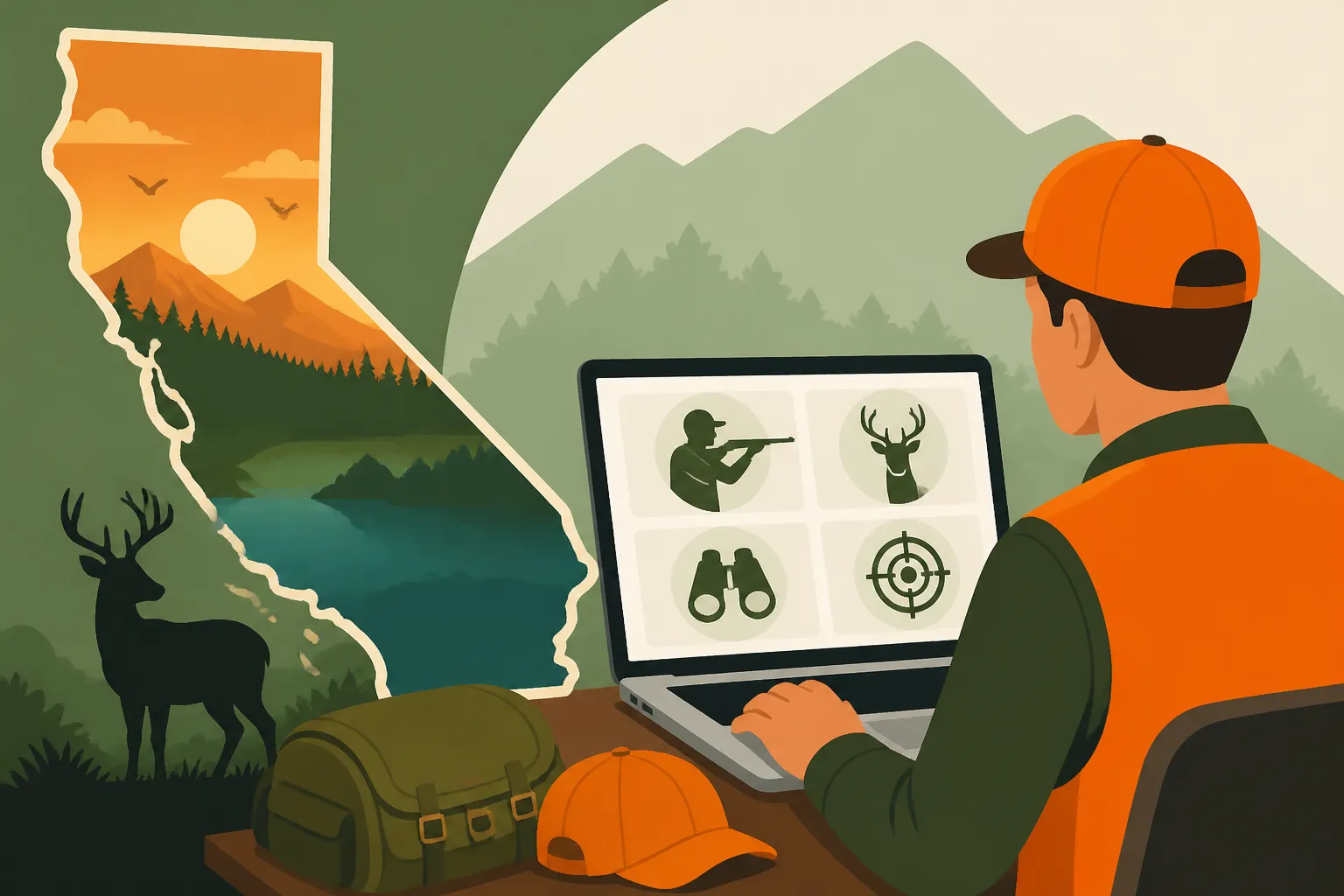
Getting your hunter education certificate in California can feel like a maze, especially if you're trying to fit it into an already packed schedule. The traditional in-person classes, while valuable, often have limited availability and locations, making it tough for busy folks or those in more rural areas to complete the necessary steps. This comprehensive guide is here to break down the ins and outs of taking California hunter education online, ensuring you understand the process, requirements, and how to successfully get your certificate so you can hit the field ethically and safely.
Why Hunter Education is Non-Negotiable in California
Before you even think about setting foot in the field, understanding why hunter education is so vital in California is key. It’s not just a hoop to jump through; it's a foundational course designed to equip you with the knowledge and ethics necessary to be a responsible and effective hunter. This isn't just about gun safety; it's about wildlife conservation, understanding regulations, and upholding the long-standing tradition of ethical hunting.
Who Needs to Take Hunter Education
The rules are pretty clear-cut: if you've never held a valid California hunting license, or any equivalent hunting license from another state or province, you’re going to need to complete a hunter education course. This applies to most new hunters, regardless of age, though there are specific provisions for younger participants. Typically, anyone under the age of 18 must complete hunter education. If you're an adult and it's your first time buying a California hunting license, you'll need proof of completion too. The California Department of Fish and Wildlife (CDFW) maintains strict requirements to ensure everyone entering the field is properly educated.
It's a common misconception that if you're over a certain age, you're exempt. In California, that's generally not the case for first-time license buyers. Even if you're a seasoned shooter or have been around hunting your whole life, if you don't have that prior license, you'll need the certificate. There are some opportunities, however, for newer hunters to participate under supervision through specific programs. For instance, the allows those aged 12 and up to hunt under the direct supervision of a licensed adult mentor, which can be a great way to gain experience before taking the course yourself. However, to eventually hunt on your own, the hunter education requirement still stands.
The Core Principles Taught in the Course
California's hunter education curriculum is extensive, designed to create well-rounded, responsible outdoorspeople. It covers a broad spectrum of topics far beyond just firearm handling. You'll delve deep into subjects like hunting ethics, which emphasizes fair chase, respect for wildlife, and responsible conduct in the field. This includes understanding property rights, being a good neighbor to landowners, and how to interact respectfully with other outdoor enthusiasts. It’s about more than just legal compliance; it’s about being a positive ambassador for hunting.
Wildlife conservation and identification are also major components. You'll learn about different game species, their habitats, life cycles, and how hunting fits into wildlife management strategies. This knowledge helps you understand bag limits, season dates, and why certain regulations exist. Understanding the biology of species like or is critical for sustainable hunting. Crucially, the course also focuses heavily on safe firearm and archery handling, storage, and transport. This includes the four primary rules of firearm safety, how to safely cross obstacles, and how to carry a firearm in the field. First aid, survival skills, and basic navigation are often integrated, preparing you for unexpected situations in the backcountry. You'll also learn about important California-specific regulations, such as the . This comprehensive approach ensures that certified hunters are not only safe but also informed stewards of California’s natural resources.
Navigating California's Online Hunter Education Options
The convenience of online learning has revolutionized how many people can complete their hunter education. California recognizes this and has approved several online course providers, making it easier than ever to get the bulk of your coursework done from the comfort of your home. However, it's crucial to understand that "online only" isn't the full story in California.
Approved Online Providers and Course Structure
When you decide to go the online route, you'll need to choose an approved provider. The CDFW maintains a list of these, and typically you'll find options like Hunter-Ed.com or IHEA-USA (International Hunter Education Association) certified courses. These platforms are designed to be user-friendly, breaking down the extensive curriculum into digestible modules. Each module usually covers a specific topic—like firearm safety, hunting ethics, or wildlife identification—and includes interactive elements, videos, and quizzes to test your understanding as you go.
The beauty of these online courses is their flexibility. You can log in and out as your schedule permits, allowing you to learn at your own pace. If you're someone who learns best by taking your time, reviewing material, and processing information, this is a huge advantage over a rushed, weekend-long in-person class. Many of these platforms also offer practice tests, which are invaluable for reinforcing the material and preparing you for the final online exam. Resources like GoHunt, while primarily focused on drawing odds and hunt planning, often have excellent articles or forums where experienced hunters discuss their experiences with different online courses, offering valuable insights into which platforms might suit your learning style best. After completing all the modules, you'll typically take a comprehensive online final exam. Passing this exam is the first major step towards your certification.
The Mandatory Field Day Component
This is where California's hunter education differs significantly from many other states that offer full online certification. In California, completing an online course alone is not enough to get your hunter education certificate. You must also attend and pass an in-person "field day." Think of the online portion as your classroom work, and the field day as your practical lab. This requirement ensures that despite learning theory online, you still get hands-on instruction and demonstrate practical skills under the direct supervision of certified instructors.
The field day typically lasts 4-6 hours and focuses heavily on practical application of what you learned online. You'll review critical safety rules, practice safe firearm handling (often including live-fire exercises, depending on the range and instructor), demonstrate safe carries and obstacle crossings, and participate in discussions about ethical hunting scenarios. Instructors will also cover important topics like blood trailing, field dressing, and specific California regulations. It's an opportunity to ask questions, clarify confusing rules, and interact with experienced hunters. Finding and registering for a field day is done through the CDFW's online portal or contacting local instructors. You'll need to present proof of your online course completion (usually a completion voucher or certificate) to be admitted to the field day. Again, while GoHunt is more about big game strategy, it's a great place to search for discussions or localized tips on finding available field days in different regions of California, from to those in the .
Here's a quick overview of what to expect from an online course leading to a California Hunter Education Certificate:
| Stage | Description | Time Commitment | Key Outcome |
|---|---|---|---|
| Online Course | Self-paced modules covering safety, ethics, regulations, wildlife | 6-12 hours (flexible) | Online Course Completion Voucher |
| Online Final Exam | Comprehensive test of knowledge from online modules | 1-2 hours | Pass/Fail for Online Portion |
| Field Day | In-person, instructor-led practical application, live-fire (optional) | 4-6 hours | Practical Skills & Final Exam (if any) |
| Certification | Issued upon successful completion of both online course and field day | N/A | Hunter Education Certificate |
Practical Tips for a Successful Online Course and Field Day
Success in your hunter education journey isn't just about showing up; it's about being prepared and engaged. Whether you're tackling the online modules or getting ready for your field day, a little foresight can make a big difference.
Preparing for Your Online Study
Treat your online hunter education course like any other important learning endeavor. Don't try to cram everything in at the last minute. The content is extensive, and much of it is critical for your safety and ethical practice in the field. Set aside dedicated time each week to work through the modules. Creating a quiet study environment, free from distractions, will help you absorb the information more effectively. Take notes, even if the course has built-in quizzes. Writing things down can help solidify concepts, especially regulations that might seem complex at first.
Focus on understanding the why behind the rules, not just memorizing them. For example, knowing why non-lead ammunition is required in California makes it easier to comply with the rule, rather than just remembering that it is. Pay close attention to scenario-based questions, as these mimic real-life situations you might encounter. If a concept isn't clear, don't just click through; pause, re-read, and even do a quick search to fully grasp it. Many online courses allow you to revisit modules, so take advantage of that if you need a refresher. The goal is to build a strong foundation of knowledge that will serve you well for years to come, not just to pass a test. GoHunt's forums are a fantastic place to ask questions if you're stuck on a particular regulatory point or ethical dilemma presented in the online material.
What to Expect at the Field Day
The field day is your chance to shine and demonstrate that you can apply what you've learned. First and foremost, arrive prepared. This means bringing your online course completion voucher or certificate, valid identification, and any requested materials. Dress appropriately for the weather and for potential outdoor activities; comfortable, sturdy footwear is usually a must. If there’s a live-fire portion, make sure you know what types of firearms and ammunition (always non-lead for California!) are allowed and bring any necessary personal protective equipment like eye and ear protection.
Be ready to actively participate. Field days are interactive, and instructors are looking for engagement and a willingness to learn. Ask questions! This is your opportunity to get clarification from experienced hunters and certified experts. Don't be shy about practicing firearm handling or showing that you understand the rules of safe carries, even if you're nervous. Everyone there is, or was, a beginner at some point. The instructors want you to succeed and will provide guidance. They'll assess your ability to safely handle firearms, understand wildlife laws, and demonstrate ethical decision-making. Passing the field day is the final hurdle, and your preparation from the online course will make it much smoother. For an in-depth look at what to bring or how to prepare mentally, search for tips from experienced California hunters; GoHunt often features articles on general hunting readiness that can be adapted for field day preparation.
Getting Your California Hunter Education Certificate
After all your hard work, the final steps to receiving your official hunter education certificate are simple but crucial. This certificate is your golden ticket to purchasing a hunting license and beginning your journey as a California hunter.
The Final Steps to Certification
Once you've successfully completed the online course and passed your in-person field day, the certified instructor will process your information. They will submit proof of your completion to the CDFW, and typically, you'll receive your official California Hunter Education Certificate right there at the field day, or it will be mailed to you shortly after. This certificate is what you'll present when you go to purchase your first California hunting license.
It’s essential to keep this certificate in a safe place, as it serves as your permanent record of completion. While the CDFW keeps records, having your physical certificate handy makes the licensing process smoother. Remember, this certificate is recognized across North America, so if you ever decide to hunt in another state or province, you’ll likely be able to present your California certificate as proof of hunter education. Understanding all the is vital for all new hunters, as it sets the stage for every hunt you undertake.
Planning Your First California Hunt Post-Certification
Congratulations! With your hunter education certificate in hand, you're ready to dive into the exciting world of California hunting. Your very next step will be to purchase your resident or nonresident hunting license. You can do this through the CDFW's online licensing portal or at an authorized license agent. It's a good idea to research the various to understand the different privileges and costs associated with each.
Once you have your license, you'll start thinking about specific game species and zones. California has a complex, yet rewarding, system for big game, particularly deer. Familiarize yourself with and how it impacts season dates and tag availability. For popular big game species like deer, bear, and elk, many tags are allocated through where success is often a game of patience and preference points. Even if you're not planning a big game hunt right away, you might consider starting with small game or upland birds to gain experience. Exploring resources like can help you identify potential hunting spots and plan your first scouting trips. The world of California hunting is vast, offering diverse opportunities from to and everything in between. Embrace the learning process, prioritize safety, and enjoy the incredible experiences that await you in the field.
Disclaimer
This guide is intended for informational purposes only and is not a substitute for the official regulations and requirements set forth by the California Department of Fish and Wildlife (CDFW). Always refer to the most current CDFW hunting regulations booklets and website for precise and up-to-date legal information. Hunting laws and regulations can change, so it is the hunter's responsibility to stay informed and comply with all applicable rules.