Best California Ground for Public Land Pigs
Finding good public land for wild pig hunting in California can feel like searching for a needle in a haystack, especially when so much prime pig habitat is locked behind private gates or choked with restrictive access rules. It's a truly frustrating reality for many hunters, but it’s far from impossible. This guide is here to walk you through the realistic challenges and, more importantly, equip you with the knowledge and strategies to significantly increase your chances of finding those elusive hogs on California's public lands.
The Challenge of Public Land Pig Hunting in California
Let's be real, California isn't exactly famous for abundant, easy-to-access public land hunting opportunities, especially when it comes to wild pigs. Unlike some states where hogs roam vast tracts of accessible wilderness, here we often face a patchwork of public and private property, intense hunting pressure, and pigs that are notoriously intelligent and adaptable. This isn't just a casual stroll in the woods; it requires dedication, smart scouting, and a deep understanding of pig behavior.
Understanding Pig Behavior and Habitat on Public Land
Wild pigs are survivors, and on public land, they truly earn that title. They're often nomadic, following food sources like acorn crops, seasonal greens, and water. A spot that was hot last month might be barren this month. They thrive in dense cover – think thick chaparral, oak woodlands with heavy undergrowth, and riparian zones along creeks and rivers. On public land, these areas often get hit hard by other hunters, making the pigs even more reclusive and nocturnal. You might find rooting sign everywhere, but seeing the actual animal in daylight is another story entirely.
Consider a classic scenario: you scout a promising National Forest section with plenty of oak trees and a seasonal creek. You see fresh rooting and tracks. You set up early, full of hope, only to realize that every hunter with a tag has the same idea. The pigs, having likely been pressured, have moved into the thickest, nastiest tangles of brush imaginable, only emerging under the cloak of darkness. It’s a constant chess match, and public land pigs are grandmasters at evasion.
Overcoming Access Hurdles and Regulations
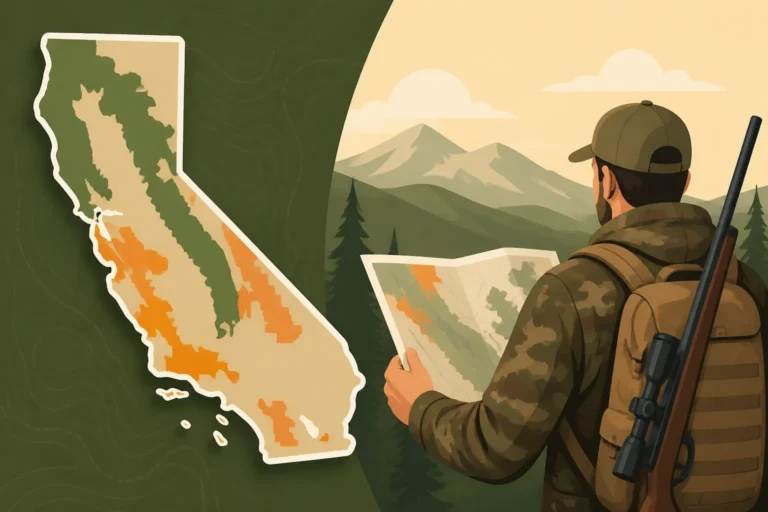
California’s public land base is substantial, covering millions of acres, but much of it isn't ideal pig habitat, or it's simply too rugged and remote to be consistently productive. The truly promising areas often border private land, leading to tricky access issues or confusing boundary lines. This is where tools like onX Hunt become absolutely invaluable for quickly identifying public versus private parcels, allowing you to plan your approach without risking trespass. Using an App for California BLM Land Status
Another hurdle is the state's non-lead ammunition requirement, which applies statewide for all hunting. For pigs, this means ensuring your rifle, shotgun, or handgun is loaded with approved non-lead projectiles. While this is now standard across all of California, it's an adjustment for many hunters and requires specific load development and sighting in. On the bright side, the wild pig tag is available year-round, has no bag limit, and isn't part of the big game drawing, making it one of the most accessible hunting opportunities in the state once you've purchased your California Wild Pig Tag Costs.
Prime Public Land Regions for Wild Pigs
While pigs can pop up in unexpected places, certain regions of California historically offer better public land prospects due to their habitat, pig populations, and manageable access. It’s never a guarantee, but these areas give you a better starting point than just blindly wandering.
Central Coast Oak Woodlands and BLM Lands
When most people think of California pig hunting, they envision the Central Coast. Counties like Monterey, San Luis Obispo, and parts of Santa Barbara are classic pig country, rich in oak woodlands that drop abundant acorns – a primary food source for pigs. These areas also feature plenty of rolling hills, dense chaparral, and seasonal water sources. There are significant tracts of Bureau of Land Management (BLM) land and some National Forest ground that hold pigs.
The key here is diligent scouting. Look for areas with a mix of mature oaks, dense brush for bedding, and proximity to water. Pigs will often travel between these elements. Consider areas that are less accessible by vehicle, requiring a good hike in; these often see less pressure. For more on this, check out Hunting Pigs on Central Coast Oak Ranges. However, be prepared for other hunters, especially on weekends. It's not uncommon to find several trucks parked at a popular public land trailhead during pig season. The pigs here are sharp, and you'll need to outsmart them by getting into their undisturbed zones.
Foothill National Forests and D-Zones
Many of California's National Forests, particularly those in the Sierra Nevada foothills and southern Coast Range, offer potential for public land pig hunting. Think of forests like Los Padres National Forest or sections of Sequoia National Forest. These areas often coincide with California's D-zones for deer hunting, but pigs inhabit different niches. Here, you'll find extensive oak woodlands transitioning into pine and fir forests, often dissected by canyons and creeks.
Pigs in these areas might utilize burn scars where new vegetation emerges, or stick to dense riparian corridors. Your best bet is often to focus on the lower elevations, where oaks are more prevalent, and to scout areas that have good water sources throughout the year. The terrain can be steep and challenging, but that often translates to less human pressure. If you're planning a trip to these majestic lands, understanding Hunting California's Los Padres National Forest can provide valuable insights into access and terrain. While you're often hunting deer and pigs in the same general regions, their specific preferred habitats can differ.
Northern California Coastal Ranges
While often overlooked for pigs compared to the Central Coast, parts of Northern California's Coastal Ranges, especially in Mendocino and Lake Counties, can hold good numbers of wild pigs on public land. These areas feature a mosaic of oak woodlands, mixed conifer forests, and dense brush. Access can be more challenging here, with more private timberland, but there are still opportunities on National Forest lands and some BLM parcels.
Look for remote canyons with permanent water sources and abundant tanoak, black oak, and live oak stands. The pigs here tend to be even more reclusive due to the thick vegetation and often lower populations compared to the Central Coast. Success often comes down to covering vast amounts of ground and being willing to push into areas that most other hunters won't. The upside? Less pressure often means pigs that are a bit less wary, though still incredibly tough to find in the dense cover.
Strategies for Locating Pigs on Public Ground
Finding pigs on public land isn't about luck; it's about persistent, intelligent scouting and adapting your approach. You need to become a pig detective, reading the landscape and understanding their movements.
Scouting Smart: Tools and Techniques
Pre-season scouting is paramount. Don't wait until opening day to hit the woods. Start by poring over maps, specifically high-quality satellite imagery. This is where apps like onX Hunt or GoHunt truly shine. Look for:
- Oak Stands: Identify areas with dense oak concentrations, especially areas that are south-facing or in saddles that might hold acorns longer.
- Water Sources: Pigs need water daily. Perennial creeks, springs, stock tanks, and even seasonal seeps are magnets. Use mapping apps to pinpoint these.
- Dense Cover: Look for thickets, brushy canyons, and heavy timber edges where pigs will bed down during the day, especially if pressured.
- Access Points: Note roads, trails, and, crucially, areas that require a long hike in. These tend to see less pressure.
Once on the ground, look for sign:
- Rooting: Freshly disturbed earth is a dead giveaway. Note the age of the rooting – fresh dirt means recent activity.
- Tracks: Look for distinct cloven hoof prints, often accompanied by dewclaws. Pay attention to their direction and frequency.
- Wallows: Muddy depressions where pigs cool off and rub.
- Scat: Pig droppings can indicate their diet and presence.
- Rubs: Pigs will rub on trees or rocks, often leaving mud or hair behind.
Consider placing trail cameras in promising areas, especially near water sources or funnels between food and bedding, provided local rules allow it. For a deeper dive into scouting, check out Scouting California Public Land Before Season.
Adapting to Pressure and Seasonal Changes
Public land pigs are acutely aware of hunting pressure. If an area gets hit hard, they'll often go nocturnal, retreat to thicker cover, or simply vacate the area. To combat this:
- Hunt Mid-Week: If possible, hunt during weekdays when pressure is typically lower.
- Go Deeper: Be willing to hike further than most hunters. Pigs will often use the first mile or two from a trailhead as a buffer.
- Focus on Overlooked Pockets: Sometimes, a small, steep canyon or a dense, nasty patch of brush that looks impenetrable might be exactly where pigs are hiding.
- Understand Thermals and Wind: Pigs have an incredible sense of smell. Always hunt with the wind in your favor, especially when stalking. In hilly terrain, thermals will rise in the morning and fall in the evening. Understanding Wind and Thermals in Steep Sierra Country is critical for success.
- Seasonal Food Sources: In fall, focus on acorns. In spring, pigs will key into green shoots. In summer, water becomes the primary driver. Adjust your scouting and hunting locations accordingly.
Gear and Patience for Public Land Success
Hunting public land pigs demands specific gear and, perhaps most importantly, a healthy dose of patience and persistence.
Essential Gear:
- Reliable Rifle/Bow: A flat-shooting rifle in a common caliber like .308 or .30-06 is excellent, loaded with California-approved non-lead ammunition. For archery hunters, a solid compound bow with heavy, sharp broadheads.
- Good Optics: Quality binoculars (10×42) are essential for glassing distant hillsides and spotting pigs in thick cover. A spotting scope can be useful for longer-range observation.
- Durable Boots & Layered Clothing: You'll be covering rugged, often steep terrain in varied conditions. Invest in comfortable, supportive, waterproof boots and layer your clothing for changing temperatures.
- Navigation Tools: A GPS unit or a smartphone with a robust mapping app (like onX Hunt) is non-negotiable for staying found and respecting property boundaries.
- Game Bags & Cooler: Once you get a pig, you'll need to field dress it and protect the meat, especially in warmer weather.
- Water & Food: Carry ample water, even for shorter hunts. Electrolyte supplements can be a lifesaver on strenuous hikes.
The Patience Factor: Public land pig hunting is rarely a walk in the park. You might spend days hiking, scouting, and sitting without seeing a pig. Don't get discouraged. Every outing is a learning experience. The more time you spend in the field, observing sign, understanding pig patterns, and adapting to their elusive nature, the higher your chances of success will be. Embrace the grind, and the reward of a hard-earned public land pig will be all the sweeter.
Public Land Pig Hunting at a Glance
| Factor | Central Coast Oak Woodlands (e.g., Monterey, SLO BLM) | Foothill National Forests (e.g., Los Padres, Sequoia) | Northern Coastal Ranges (e.g., Mendocino, Lake NF) |
|---|---|---|---|
| Typical Habitat | Rolling oak hills, dense chaparral, riparian zones | Mixed oak/conifer, steep canyons, burn scars, lower elevations | Dense mixed forest, tanoaks, remote canyons |
| Pig Density | Often higher, but also higher pressure | Moderate, can be localized | Lower, but pigs may be less pressured |
| Access Difficulty | Moderate to High (can be fragmented, popular access points) | Moderate to High (steep terrain, remote roads, wilderness areas) | High (more private timber, limited public access points) |
| Key Food Sources | Acorns (live oak, black oak), roots, grasses, forbs | Acorns, roots, new growth in burn areas, seasonal greens | Tanoaks, acorns, mushrooms, roots, riparian vegetation |
| Scouting Sign | Extensive rooting, wallows, tracks near water and dense cover | Rooting along creek bottoms and oak patches, tracks on game trails | Rooting in drainages, rubs on trees, tracks on old logging roads |
| Hunting Strategy | Early morning/late evening ambushes, deep hikes, targeting less-pressured areas | Spot-and-stalk in open oak, still-hunting thick canyons, using elevation | Still-hunting dense cover, focusing on remote water/food sources |
Disclaimer
This article is for general informational purposes only and does not constitute professional advice. Laws, prices and regulations vary by location and change over time. Consult a qualified professional for guidance on your specific situation.