Best California Ground for Public Land Waterfowl
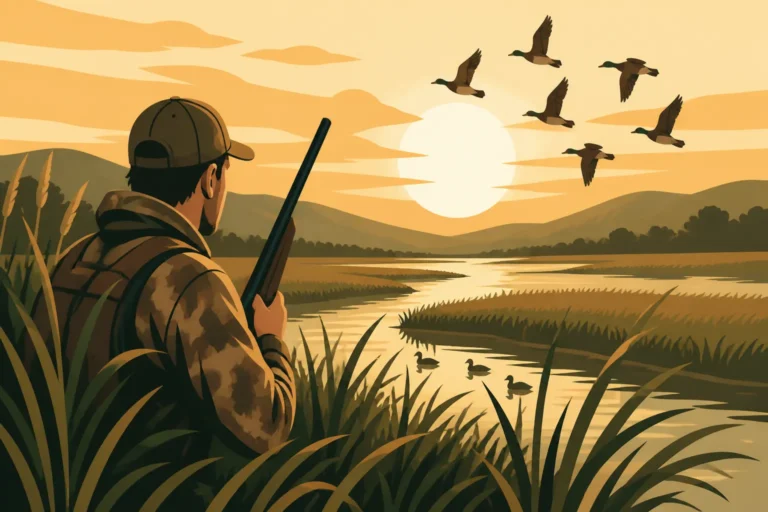
Hunting public land for waterfowl in California can feel like searching for a needle in a haystack, especially with so many prime spots being heavily regulated or requiring special drawings. It’s easy to get discouraged when you hear about all the incredible private land opportunities, but don't fret; there are still fantastic public ground options if you know where to look and, more importantly, how to approach them. This guide will help you navigate the rich, yet often competitive, world of California's public land waterfowl hunting, pointing you toward some of the best areas and arming you with the strategies you'll need to succeed.
The Central Valley: California's Waterfowl Mecca
If you’re talking waterfowl in California, you simply have to talk about the Central Valley. This expansive stretch of land, running nearly 450 miles from Redding in the north down to Bakersfield in the south, is the beating heart of the Pacific Flyway. Millions of ducks, geese, and other migratory birds utilize this crucial habitat annually, making it one of the most important wintering grounds in North America. While much of the valley is private agricultural land, the California Department of Fish and Wildlife (CDFW) and the U.S. Fish and Wildlife Service (USFWS) manage a network of wildlife areas and national wildlife refuges that offer public hunting.
The Backbone of the Pacific Flyway
California's Central Valley isn't just a pretty name on a map; it's a critical stopover and wintering ground for millions of migratory waterfowl funneling down the Pacific Flyway. Imagine ducks and geese flying thousands of miles from their breeding grounds in Alaska and Canada, looking for reliable food sources and safe resting areas. The vast agricultural fields – particularly the flooded rice and corn stubble after harvest – coupled with the network of wetlands, rivers, and managed refuges, create an irresistible magnet for these birds. This concentration means that when the ducks and geese are 'in,' they are really in, offering incredible hunting opportunities that are hard to match anywhere else in the Lower 48.
The sheer volume of birds that pass through or winter here means that even on public lands, opportunities abound for persistent hunters. It's not uncommon to witness skies filled with thousands of ducks and geese moving between roosting areas and feeding grounds at dawn and dusk. Understanding the migration patterns and timing, which can vary year to year based on weather and habitat conditions further north, is a key component to increasing your success in the valley. Keeping an eye on scouting reports, talking to local hunters, and observing bird activity during the early season can give you a significant advantage as the season progresses.
Wildlife Areas and National Wildlife Refuges
Within the Central Valley, most of your public land waterfowl hunting will happen on either State Wildlife Areas or Federal National Wildlife Refuges. These managed areas are specifically designed to provide habitat for migratory birds and, in many cases, offer regulated hunting opportunities. While the regulations and access systems can differ slightly between CDFW and USFWS properties, the general goal is the same: to provide a fair chase opportunity while protecting the resource.
The critical difference to understand is between "Type A" and "Type B" wildlife areas, primarily operated by the CDFW. Type A areas are the premium spots, often with guaranteed water, managed food plots, and high bird numbers. Access to these usually requires a reservation secured through a draw system, making them highly competitive. Type B areas, while sometimes having excellent hunting, typically offer more limited guaranteed access and might rely more heavily on natural rainfall or seasonal conditions. Understanding these distinctions is crucial for managing your expectations and planning your hunt. Some federal refuges operate with systems similar to Type A areas, often requiring an entry permit that can be obtained via a lottery or reservation.
Understanding the Reservation System
Let's be real, the reservation system can be a headache, especially for newcomers. Most of the prime public waterfowl hunting spots in California, particularly the Type A Wildlife Areas and many National Wildlife Refuges, operate on a draw or reservation basis. This means you can’t just show up on opening day and expect to walk right into a hot blind. The process typically involves applying online well in advance of the season, often months beforehand, for specific hunt dates and locations. It’s a lottery system, pure and simple, and getting a reservation can feel like winning the actual lottery sometimes!
For those who don't draw a reservation, there's often a "sweat line" or "refuge line" system. This involves showing up hours before legal shooting time – sometimes in the middle of the night – to wait for any unclaimed or unreserved spots. While it’s certainly not for the faint of heart, or for those who cherish their sleep, many dedicated hunters find success this way, especially later in the season or on weekdays when pressure might be slightly lower. Persistence and a good alarm clock are your best friends if you plan on tackling the sweat line. Make sure you check the specific regulations for each area, as rules can vary regarding check-in times, party sizes, and even how many shells you can carry.
| Public Land Type | Management Agency | Access Method | Competition Level | Common Species | Key Considerations |
|---|---|---|---|---|---|
| Type A Wildlife Area (CDFW) | CDFW | Reservation draw (highly competitive), Sweat line | Very High | Ducks, Geese, Coots | Premium habitat, guaranteed water, strict regulations. |
| Type B Wildlife Area (CDFW) | CDFW | First-come, first-served (sometimes daily draw) | High | Ducks, Geese, Coots | More variable conditions, often less infrastructure. |
| National Wildlife Refuge | USFWS | Reservation draw (competitive), Sweat line | Very High | Ducks, Geese, Swans | Often large, excellent habitat, federal regulations. |
| Public Access Rivers/Sloughs | State/Local | Unregulated, walk-in/boat-in | Moderate | Ducks, Mergansers | Requires scouting, can be inconsistent, less pressure. |
| Agricultural Fields (with access) | Private/Lease | Permission needed (extremely difficult for public) | N/A | Geese, Ducks (feeding) | Not public, but impacts bird movement to public land. |
Key Public Land Systems for Waterfowl Hunting
California is a big state, and while the Central Valley reigns supreme, there are distinct regions within it, and even outside of it, that offer unique waterfowl hunting opportunities. Knowing these key systems will help you focus your efforts and tailor your strategies to the specific birds and habitats you'll encounter.
North Central Valley: Sacramento Valley Refuges and Wildlife Areas
The Northern Central Valley, particularly the Sacramento Valley, is home to some of California's most renowned public waterfowl hunting destinations. Think of places like Gray Lodge Wildlife Area, Colusa National Wildlife Refuge, Delevan National Wildlife Refuge, and Sutter National Wildlife Refuge. These areas are legendary for a reason: they consistently hold massive numbers of ducks and geese throughout the season. Hunters here often focus on flooded rice fields, meticulously managed wetlands, and open water impoundments.
Getting into these areas often means playing the reservation game, but the rewards can be phenomenal. Imagine a morning where wave after wave of mallards, pintails, and wigeon pour into your decoys. This is the kind of experience these refuges are built for. Many of these locations also offer excellent opportunities for geese, particularly specklebellies and snow geese, especially with strategies like Pass-Shooting Geese on California's Sacramento Refuges. Always consult the specific refuge or wildlife area's regulations, as blinds, check-in times, and even shell limits can vary. Success often comes down to scouting, understanding bird movements, and being ready to adjust your setup based on daily conditions.
San Joaquin Valley: Southern System
Further south in the Central Valley lies the San Joaquin Valley, another critical waterfowl habitat with its own impressive array of public hunting grounds. Areas like Los Banos Wildlife Area, Volta Wildlife Area, Mendota Wildlife Area, and the San Luis National Wildlife Refuge Complex are magnets for ducks and geese. While the habitat can sometimes be drier than the northern valley, especially in drought years, these areas still draw huge numbers of birds, particularly when water is available.
The San Joaquin Valley can offer a slightly different hunting experience compared to the north. You might encounter more dry field goose hunting or focus on smaller, isolated ponds and sloughs that might hold ducks. Hunting pressure can still be significant, especially on weekends and holidays, but dedicated hunters who scout thoroughly and aren't afraid to walk can often find success. These areas are fantastic for hunters looking to explore varied terrain and potentially encounter different species compositions. For hunters considering options beyond the biggest refuges, there are sometimes smaller, less pressured opportunities on the fringes.
Coastal and Other Regions
While the Central Valley dominates the conversation, it's worth noting that some waterfowl hunting opportunities exist outside of it, albeit often on a smaller scale or with different characteristics. Places like Grizzly Island Wildlife Area in the Suisun Marsh, near the convergence of the Sacramento and San Joaquin Rivers, offer a unique brackish water environment. This area is known for its incredible pintail and wigeon hunting, though access is also highly controlled through a reservation system.
Further south, the San Jacinto Wildlife Area near Riverside provides opportunities closer to Southern California's population centers. This area, while smaller, still attracts a good number of ducks, especially early in the season. These coastal and regional spots often have their own specific regulations and bird behaviors influenced by their unique ecosystems. They might not hold the same sheer volume of birds as the Central Valley behemoths, but they can offer excellent, rewarding hunts in a different setting. Don't overlook these smaller gems if they are closer to you or if you're seeking a different kind of waterfowl experience.
Strategies for Successful Public Land Waterfowl Hunting
Success on public land in California isn't about luck; it's about preparation, persistence, and adapting to the conditions. These areas are often pressured, and the birds are smart, so you need to be even smarter.
Scouting and Preparation
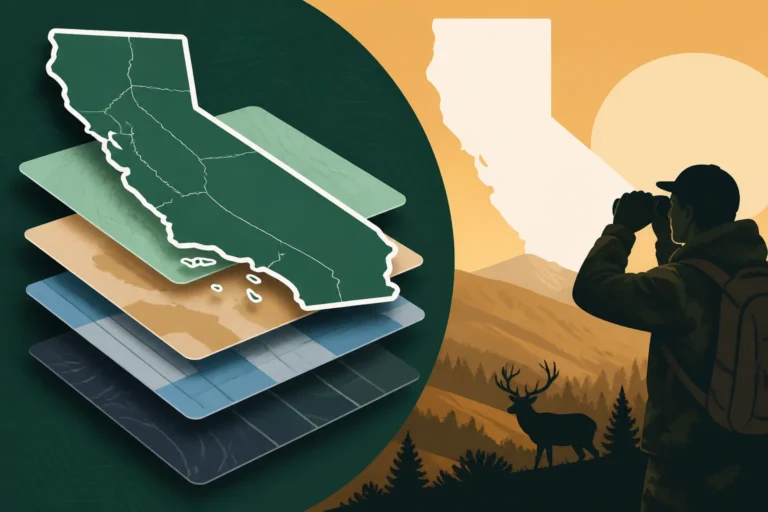
Pre-season scouting is not just recommended; it's absolutely essential for public land waterfowl hunting in California. This isn't a "show up and shoot" kind of deal. Long before opening day, you should be out there, either physically or virtually, trying to understand the lay of the land and how birds are using it. Scouting California Public Land Before Season involves more than just looking for water. You need to identify potential roosting areas, feeding patterns, and the flight paths birds are taking between them. A good starting point is satellite imagery. Programs like onX Hunt or GoHunt provide invaluable layers that show property boundaries, water bodies, and vegetation changes. These tools allow you to virtually explore areas, identify potential access points, and mark down spots that look promising, all from the comfort of your home.
When you do get out to physically scout, pay attention to subtle details. Look for tracks along muddy edges, droppings in fields, and concentrations of birds flying overhead. Talk to other hunters, if you can, but always take their advice with a grain of salt – a hot spot one day can be barren the next. Remember that public land birds are often wary, so observing from a distance with good binoculars or a spotting scope is crucial. Understanding water levels, especially in Type B areas, will also dictate where birds are likely to be. If an area that was good last year is dry this year, the birds will have moved on, and so should your plans.
Gear and Decoy Spreads
The right gear can make or break a public land waterfowl hunt. You’re often walking long distances, frequently in mud or water, and you need to be prepared for varying weather conditions. Sturdy, waterproof waders are non-negotiable, and layering your clothing is key for those cold, damp mornings that can turn into surprisingly warm afternoons. A reliable shotgun, ideally capable of handling non-lead shot as required in California, is paramount. You’ll also want a good headlamp for those pre-dawn walks and a comfortable, waterproof blind bag to keep your essentials dry and organized.
When it comes to decoys, think about portability and realism. You might be carrying these a long way, so heavy, oversized decoys can be a real burden. A mix of full-body geese, shell geese, and a dozen or two duck decoys (mallards and pintails are always a good bet in California) can be a versatile spread. Motion decoys, like spinning-wing Mojo Decoys for Central Valley Mallards, can be incredibly effective, especially on calm days to attract birds from a distance. For ducks, consider spreads like Decoying Mallards on Flooded Rice Ground, focusing on open landing zones. For geese, a spread simulating feeding birds in a Layout Blind Hunting a Flooded Field can be deadly. Don't forget a good call (or two!) and practice your calling well before the season.
Understanding Hunting Pressure and Timing
Public land hunting, by its very nature, means you'll be sharing the field with other hunters. This pressure makes birds incredibly smart and wary very quickly. Understanding hunting pressure and timing is crucial for maximizing your chances. Weekends and opening days of phases are generally the most crowded. If you have the flexibility, hunting on weekdays can dramatically reduce competition and increase your odds. Birds that have been harassed all weekend often become more active and less wary during the week.
Another critical aspect of timing is understanding daily bird movements. Ducks and geese typically move between roosting areas and feeding grounds at dawn and dusk. Setting up early and being patient, especially for Hunting a Refuge-Adjacent Field at Dawn, is key. Reading a Wetland for a Morning Flight will give you clues on how birds are entering and exiting an area. Sometimes, waiting until mid-morning after the initial rush, or setting up for an afternoon hunt, can be surprisingly productive as birds move around and less persistent hunters pack up and leave. Don't be afraid to move if your initial spot isn't producing; sometimes a slight relocation can put you right in the flight path.
Navigating Challenges and Maximizing Opportunities
Public land waterfowl hunting in California is a marathon, not a sprint. It comes with its own set of unique challenges, but with the right mindset and strategies, you can turn those frustrations into rewarding experiences.
The Reality of the Draw System
As we touched upon earlier, the draw system for California's prime waterfowl areas is a tough nut to crack. Many hunters go years without drawing a coveted reservation for a Type A wildlife area or a federal refuge. It’s easy to get discouraged when you see those low draw odds. However, don't let the competition deter you from applying. Consistency is key – every year you apply gives you another chance, and some areas might have slightly better odds than others depending on the week or the specific unit. Keep applying, even if you just focus on one or two key areas you really want to hunt.
Even if you don't draw, the "sweat line" or "refuge line" is a testament to the dedication of California waterfowl hunters, and it does produce birds. It requires an early start, maybe a thermos of coffee, and some good company, but it’s a viable path to getting into highly productive areas. Furthermore, some Type B wildlife areas might not have a formal draw but operate on a first-come, first-served basis, offering more spontaneous hunting opportunities. Embrace the reality of the system, manage your expectations, and always have a backup plan for when the draw doesn't go your way.
Embracing the Walk-In Advantage
In areas with high pressure and designated blinds, many hunters gravitate towards easy-to-access spots. This creates an incredible opportunity for those willing to put in the effort and walk a little further. Many wildlife areas and refuges have vast walk-in zones that see significantly less pressure simply because they require more physical exertion to reach. These are often the spots where you can find quieter water, less disturbed birds, and a more solitary hunting experience.
Using detailed mapping apps like onX Hunt, you can identify remote corners, hidden sloughs, or overlooked sections of flooded fields that are far from access roads or designated parking areas. These often require packing in all your gear, including decoys and blinds, which means lightweight and portable equipment is crucial. Don't be afraid to Hunting a Funnel Between Two Oak Ridges or follow an old fence line deep into a walk-in area. You might just find that untouched pocket of ducks or geese that everyone else walked past. The reward of finding a quiet honey hole after a long hike is immensely satisfying and often leads to some of the best hunts of the season.
Beyond Ducks: Geese and Other Opportunities
While ducks often get all the glory, California offers incredible opportunities for goose hunting, especially in the Central Valley. Greater white-fronted geese (specklebellies) and various species of snow geese provide exciting and often high-volume hunting experiences. These birds typically feed in large agricultural fields, so understanding their patterns and securing permission to hunt private fields adjacent to refuges can be extremely productive. Failing that, many public lands still offer good pass-shooting or field hunting opportunities for geese.
Beyond ducks and geese, coots and moorhens are also legal game in California and can provide additional shooting opportunities, especially on slow duck days. While not everyone's cup of tea for the dinner table, they can be great fun to hunt and offer a chance to practice your wingshooting. And don't forget that many waterfowl areas also hold opportunities for other small game or predators, depending on the season. Always check the specific area regulations, as hunting for other species might be restricted or have different dates. The key is to be versatile in your approach and open to all the opportunities that California's rich wetlands offer. A successful waterfowl hunter understands the entire ecosystem and what it provides.
Disclaimer
This article is for general informational purposes only and does not constitute professional advice. Laws, prices and regulations vary by location and change over time. Consult a qualified professional for guidance on your specific situation.