Layout Blind Hunting a Flooded Field
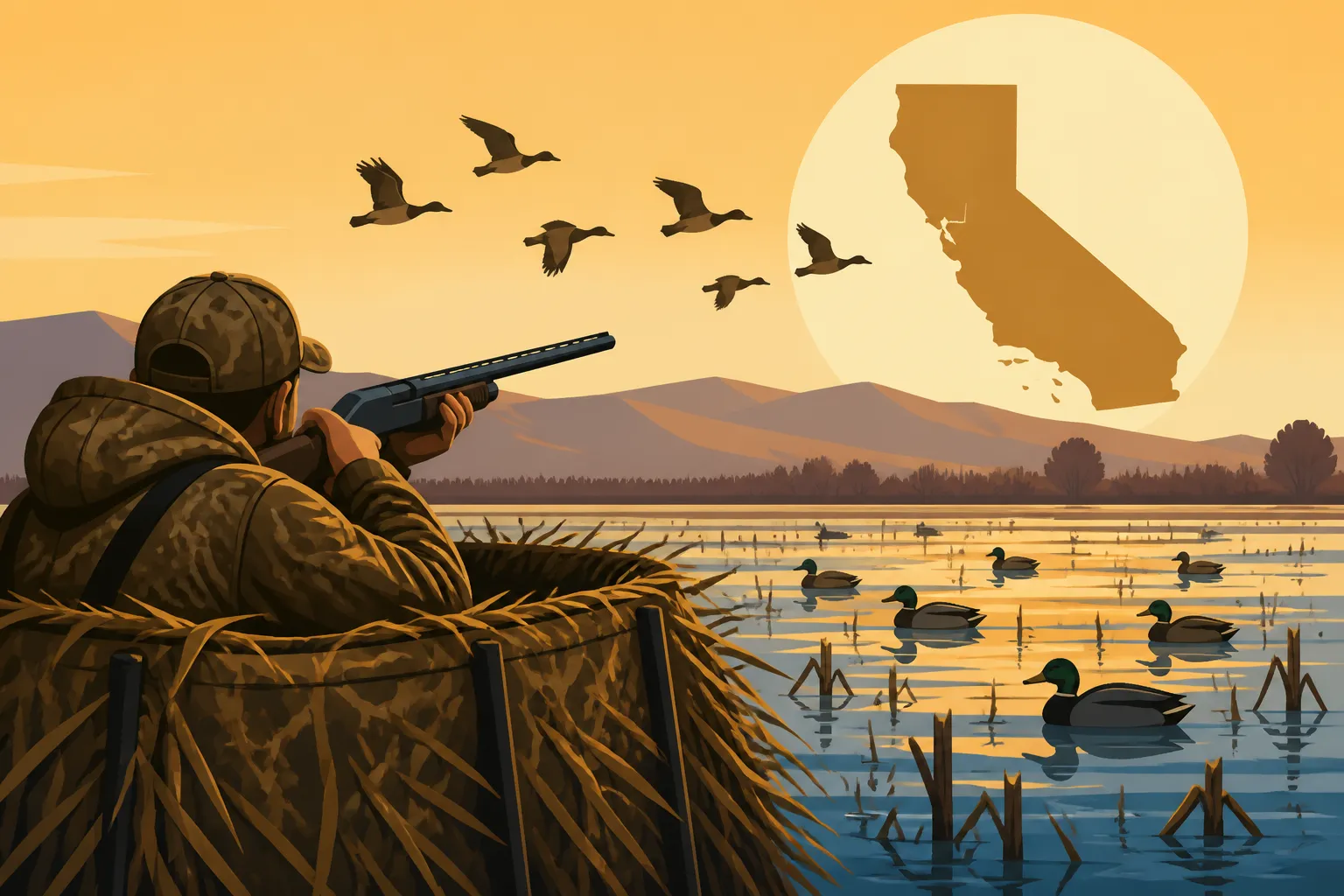
The chill morning air biting at your cheeks, the distant honk of geese echoing across a vast, flooded expanse – it’s a feeling every waterfowl hunter in California knows well. But trying to hide from sharp-eyed ducks and geese in what seems like an endless sheet of water can be a real headache, making those birds flare at the slightest hint of danger. This comprehensive guide is dedicated to mastering the art of layout blind hunting in these challenging flooded fields, giving you the tactics and knowledge to turn those frustrating flares into successful retrieves.
Understanding the Flooded Field Environment in California
Flooded fields, particularly those in California's expansive Central Valley, present a unique set of challenges and opportunities for waterfowl hunters. These aren't your typical marsh blinds or river setups; they are vast, often featureless landscapes that demand a specific approach to concealment and decoy placement.
Characteristics of California's Central Valley Flooded Fields
When we talk about flooded fields in California, we're primarily looking at agricultural areas that have been intentionally flooded for various reasons, mainly to provide habitat for wintering waterfowl and to help break down rice stubble. These aren't just puddles; they're often acres upon acres of shallow water, sometimes only a few inches deep, stretching to the horizon. The ground beneath might be rich, dark soil from a harvested rice field, or perhaps a recently cut corn field. What makes them so appealing to ducks and geese is the combination of shallow water for dabbling and loafing, leftover grain for feeding, and open space that offers a sense of security from predators.
A key characteristic is the lack of natural cover. Unlike a treeline or a brushy hedgerow, a flooded field typically offers very little to break up a human silhouette. This means hunters must create their concealment, integrating their blinds seamlessly into the environment. These fields can range from meticulously managed private duck clubs, often with permanent pit blinds and sophisticated water control, to publicly accessible areas managed by the California Department of Fish and Wildlife (CDFW), like the many wildlife areas in the Sacramento and San Joaquin Valleys. Each type of area, while flooded, might have slightly different characteristics in terms of water depth, vegetation, and hunting pressure. The birds, being incredibly adaptable, quickly learn to identify anything out of place in these open, exposed environments.
Reading Duck and Goose Behavior in Open Water
Successfully hunting flooded fields hinges on your ability to read the birds. Waterfowl in open water are constantly scanning for threats, and their behavior changes based on pressure, weather, and food sources. Ducks, especially dabblers like mallards and pintails that frequent these fields, often prefer shallower water where they can tip up to feed on submerged seeds and invertebrates. Geese, on the other hand, particularly specklebellies (white-fronted geese) and snow geese, are often found in slightly deeper water where they can loaf and rest, but they'll readily move to fields to graze on waste grain.
When scouting, pay close attention to flight patterns. Are birds circling wide before committing? Are they landing far from what looks like a good feeding spot? These are clues about hunting pressure and where they feel safe. A common behavior in pressured areas is birds "short-stopping," meaning they'll land well short of your spread if something looks off, or they'll simply avoid the area entirely. On a calm day, birds will spot you from a mile away. On windy, overcast days, they might be more committed and less wary. Understanding how wind direction affects their approach and landing patterns is also critical; ducks and geese almost always land and take off into the wind. If you can anticipate their approach, you can adjust your blind and decoy spread to put them right in your face. Learning to read these subtle cues is paramount to becoming a successful layout blind hunter, especially when you're hunting a particular public area that sees a lot of traffic, like some of the units in the Grizzly Island Wildlife Area or the San Luis National Wildlife Refuge Complex.
Choosing the Right Layout Blind
The layout blind is your mobile fortress, your only true concealment in the wide-open expanse of a flooded field. Selecting the right one isn't just about comfort; it's about disappearing into the landscape.
Types of Layout Blinds for Different Field Conditions
Layout blinds come in a variety of designs, each with pros and cons, especially when dealing with water. The most common type is the low-profile "coffin-style" blind, designed to mimic a natural lump or clump of vegetation in a field. These are great for dry fields or very shallow water where you can essentially lay on the ground. However, in truly flooded scenarios, a standard coffin-style blind can quickly become a bathtub if the water is more than a few inches deep, leaving you cold, wet, and miserable.
For flooded fields, hunters often gravitate towards slightly elevated or waterproof bottom blinds. Some models feature an integrated waterproof tub or an elevated mesh bottom that keeps you a few inches out of the standing water, offering crucial insulation and dryness. Brands like Avery Outdoors (now Banded), Final Approach, and Rogers Sporting Goods offer excellent options that cater specifically to wet conditions. When you're considering your purchase, think about the average water depth in the fields you frequent. If you primarily hunt fields with only an inch or two of water, a standard low-profile blind with a good waterproof bottom might suffice. If you're consistently in four to six inches or more, an elevated model or a blind with a deeper tub is going to be a game-changer for your comfort and ability to stay still longer. Remember, the goal isn't just to hide, but to hide comfortably so you can remain patient.
Essential Features to Look For
Beyond simply keeping you dry, a good layout blind for flooded fields needs specific features to maximize its effectiveness and your hunting experience.
First and foremost, comfort and ergonomics are key. You'll be spending hours lying down, often in awkward positions. Look for padded headrests, back support, and enough interior space to move slightly without giving away your position. Next, consider the material and construction. Durable, waterproof fabrics that are resistant to tears and abrasions are essential for navigating stubble and mud. A strong, lightweight frame that can withstand repeated setup and breakdown is also crucial.
Concealment capabilities are paramount. A good layout blind will have ample stubble straps and pockets on the exterior to allow you to easily attach natural vegetation from the field, like rice stalks, corn leaves, or dry grass. This "brushing in" is vital for blending. You want a blind that literally disappears once you've properly adorned it. Lastly, think about portability and quick setup. You might need to move your blind during a hunt if the birds change their flight path or if you discover a hotter feeding zone. A blind that folds down compactly and is easy to carry – perhaps with backpack straps – is invaluable. Quick-release doors for easy entry and exit, and a fast-deploying backrest for shooting, are also important practical features. For example, some blinds feature a spring-loaded backrest that snaps up with a push, allowing you to transition from lying down to shooting quickly and smoothly. This is especially important when you're pass-shooting geese on California's Sacramento Refuges where quick reactions are necessary.
| Feature | Description | Benefit for Flooded Fields |
|---|---|---|
| Waterproof Bottom | Made from durable, non-absorbent material or a full tub design. | Keeps hunter dry, prevents soaking from standing water. |
| Elevated Seating | Built-in mesh platform or frame that raises the hunter off the ground. | Increases comfort in deeper water, reduces heat loss. |
| Stubble Straps | Numerous loops or pockets on the exterior of the blind. | Allows easy attachment of natural vegetation for superior camouflage. |
| Padded Headrest | Cushioned support for the head and neck. | Enhances comfort during long waits, reduces fatigue. |
| Durable Frame | Robust, lightweight aluminum or steel frame. | Withstands abuse, maintains structure in wind and wet conditions. |
| Quick-Release Doors | Doors that open easily for fast exit and entry. | Rapid deployment for shooting, efficient entry/exit. |
| Portability | Folds compactly, often with backpack straps. | Easy transport across large, muddy fields. |
Setting Up Your Blind and Decoy Spread
The placement of your layout blind and the design of your decoy spread are two sides of the same coin when it comes to attracting waterfowl in flooded fields. They must work in harmony to convince wary birds to commit.
Strategic Placement for Optimal Shots
Choosing the right spot for your layout blind is probably the most critical decision you'll make. In flooded fields, birds have an unobstructed view for miles, so your concealment needs to be absolute, and your position needs to put them in the most vulnerable spot.
First, scout, scout, scout! This cannot be stressed enough. Before you even think about setting up, spend time observing where birds are feeding, loafing, and flying. Use tools like the GoHunt app or other mapping applications to identify potential hot spots, noting natural features, even subtle ones like a slightly higher piece of ground or a barely perceptible berm that might offer a little extra cover. The ideal spot is often where birds want to be anyway—a known feeding area, a safe loafing spot, or a travel corridor. If you're trying to hunt where birds aren't already comfortable, you're fighting an uphill battle.
Consider the wind direction. Ducks and geese almost always land and take off into the wind. This means you want your blind positioned with the wind at your back, or at least quartering, so that birds will approach from the front, heading directly towards your spread and your shooting lanes. This allows them to finish their flight right in front of you, wings cupped, feet down, offering those perfect close-range shots. If you set up with the wind at your face, birds will land behind you, giving you an awkward, often long, passing shot. Also, think about the sun. If possible, have the sun at your back so that approaching birds have to look directly into it, further aiding your concealment. This strategy is especially helpful when trying to fool birds that are working a spread you've put out, like the one for Decoying Ducks in California's Central Valley Flooded Rice.
Decoy Spreads for Ducks and Geese in Flooded Fields
A well-designed decoy spread is your invitation to the birds, telling them, "This is a safe place to land and feed!" In flooded fields, the spread needs to look natural and inviting, creating pockets where birds feel comfortable dropping in.
For ducks, particularly mallards, pintails, and wigeon which are common in California, a "J" hook or crescent spread is a classic and effective choice. This spread creates an open landing zone (the "pocket") where you want the birds to land, with the body of the decoys forming the hook or crescent. Place the bulk of your decoys upwind of your blind, with the open pocket directly in front of you. This encourages birds to fly over your blind, into the wind, and drop into the pocket. You can enhance this by adding motion decoys, like a Mojo Decoy or a jerk string, to simulate feeding activity and create ripples, which are incredibly visible from the air. When the sun is out, the glint off moving water and decoys can be a huge draw. For hunting a green field planted for deer or waterfowl, your spread would be slightly different, but the principle of creating an inviting pocket remains the same.
When it comes to geese, particularly the larger species like specklebellies and snow geese, numbers matter. Geese are herd animals, and a large spread signals safety and a good feeding opportunity. A classic "blob" or "family group" spread works well, with smaller clusters of decoys representing family units. Again, create a landing zone upwind of your blinds. For snow geese, don't be afraid to go big; hundreds, even thousands, of decoys are sometimes needed to draw them in, although this is more common in private land scenarios. For both ducks and geese, consider mixing in some full-body decoys if possible, as their three-dimensional presence looks much more realistic from above than standard field shells or floating decoys, especially if you're trying to mimic a natural flock. Don't forget to include some feeder decoys that look like they're heads-down, digging for grain. This conveys a sense of security and active feeding, which is a huge confidence booster for incoming birds.
The Art of Concealment and Calling in Flooded Fields
Even with the perfect blind and decoy spread, success in flooded fields boils down to how well you disappear and how convincingly you communicate.
Brushing In Your Blind Effectively
Brushing in your layout blind is not just an optional step; it's absolutely non-negotiable for success in open, flooded fields. Ducks and geese have incredible eyesight, and even a slight unnatural lump in the landscape will make them flare. The goal is to make your blind literally vanish into the surroundings, appearing as nothing more than a natural part of the field.
The first rule of thumb is to use only natural vegetation from the immediate area. If you're hunting a flooded rice field, use rice stalks. If it's a cornfield, use corn stalks and leaves. Never bring in foreign vegetation; it will stick out like a sore thumb. Collect ample amounts of this material – you'll need more than you think. Start by stuffing the stubble straps and pockets on your blind. The idea is to break up the hard lines and silhouette of the blind. Don't just lay vegetation on top; weave it in, making it look as though the blind has grown out of the ground. Pay particular attention to the edges and corners, as these are the most likely areas to show an unnatural outline. For maximum effect, consider the height and texture of the surrounding stubble. If the rice stubble is only 6 inches high, don't pile 2-foot tall stalks on your blind. You want it to match seamlessly.
A common mistake is to brush the blind from only one side, or to only brush the top. You need to brush it from all angles, especially the sides that incoming birds will see. Lay down next to your brushed-in blind and have a friend walk around it, pointing out any areas that still look "blind-like." Pay special attention to any glint from zippers, buckles, or dark fabric. If you're on public land, especially in a popular area, birds will have seen it all before. They'll be looking for those tell-tale signs. On a clear, sunny day, shadows can also give you away, so ensure your brushing creates a natural, diffuse shadow pattern. Some hunters even spread a thin layer of mud on their blinds to further dull any artificial sheen. The effort you put into brushing in, like brushing in a blind on a field edge, will directly correlate with the number of birds that commit to your spread.
Mastering the Calls for Different Waterfowl Species
Calling is an art form, not just noise, and it can be the final piece of the puzzle that brings wary birds into range. In flooded fields, your calls need to sound authentic and appropriate for the species you're targeting.
For ducks, especially mallards, mastering the basic hen mallard vocalizations is essential. This includes the greeting call (5-7 quacks), the hail call (a series of loud, drawn-out quacks to get distant birds' attention), the feeding chuckle (soft, rapid quacks that mimic a content feeding flock), and the comeback call (a loud, pleading series of quacks for birds that are heading away). Focus on rhythm and tone rather than just volume. You're trying to sound like a contented, natural flock. Pintail whistles are also highly effective for their namesake and can often lure in other dabblers. Avoid overcalling, especially when birds are working your spread. Once they've acknowledged your calls and are heading your way, switch to softer, more reassuring calls like feeding chuckles or a simple contented quack.
Geese, particularly specklebellies, require a different approach. Their calls are higher pitched and more conversational. Learning the "cluck" and "yodel" of a specklebelly is crucial. Again, focus on sounding natural and in sync with the flock you're trying to attract. Snow geese, on the other hand, are often called with louder, more chaotic, high-pitched "squawks" that mimic the cacophony of a large snow goose flock. For both species, observe real birds. Listen to how they interact, how often they call, and the context of their calls. There are countless instructional videos and audio guides available from brands like Rich-N-Tone and Zink Calls that can help you hone your technique. The goal isn't to mimic a perfect recording, but to sound like a real goose or duck that's inviting company. Sometimes, especially with very wary birds, less is more. A soft contented murmur might be more effective than an aggressive hail call. Just like reading a wetland for a morning flight, reading the mood of the birds in the air will tell you how much and what type of calling to do.
Field Safety and Ethical Considerations
Hunting in flooded fields comes with its own set of safety concerns and ethical responsibilities. Being prepared and respectful ensures a safe and enjoyable hunt for everyone, and for the waterfowl populations we cherish.
Staying Safe in a Flooded Field Environment
The unique environment of a flooded field presents several potential hazards that hunters must be aware of to ensure their safety and the safety of others.
Hypothermia is a serious risk. Even on days that don't feel bitterly cold, prolonged exposure to standing water and wind can rapidly drop your core body temperature. Always dress in layers, with a waterproof outer shell, and ensure your layout blind provides adequate insulation and keeps you dry. Many hunters opt for waterproof waders, even if they're in a blind, to provide an extra layer of protection against the cold water. Carry extra dry clothes in a waterproof bag, and have a thermos of hot coffee or soup to warm up. If you start shivering uncontrollably, get out of the water, get into dry clothes, and seek warmth immediately.
Uneven terrain and hidden obstacles beneath the water can lead to trips, falls, and injuries. Flooded fields, especially agricultural ones, can have irrigation ditches, furrows, hidden holes, or old equipment. Always use caution when wading, especially in low light conditions. A walking stick or wading staff can be invaluable for testing the ground ahead. Inform a non-hunting contact about your hunting location and expected return time. This is a basic but critical safety measure, especially if you're hunting remote areas alone. Ensure you have a fully charged cell phone (in a waterproof case) or a satellite communication device like those offered by Garmin or Somewear Labs, particularly if you're in an area with spotty cell service, which is common in many parts of the Central Valley. Carrying a basic first-aid kit is also a wise precaution. Knowing what to do if you encounter a venomous snake, like a rattlesnake, is also important, especially during warmer parts of the season in California.
Minimizing Impact and Respecting Regulations
Responsible hunting goes beyond safety; it encompasses minimizing your impact on the environment and adhering to all hunting regulations. California has specific rules designed to protect both hunters and wildlife.
First, lead ammunition is completely banned for all hunting in California. This means you must use non-lead alternatives like steel, bismuth, or tungsten shot for waterfowl hunting. This regulation, driven by conservation efforts for species like the California Condor, is strictly enforced. Ensure your shotgun is patterned for your chosen non-lead load, as these materials can behave differently than traditional lead. Familiarize yourself with California's non-lead ammunition requirement to ensure compliance.
Leave no trace. Pack out everything you pack in, including spent shotshells, food wrappers, and any trash. Flooded fields, while often agricultural, are vital habitat for countless species. Leaving garbage behind degrades the environment and reflects poorly on hunters. Be mindful of access points and private property. Even if a field is flooded, it may still be private land. Always know where you are hunting and have explicit permission if you are not on designated public hunting grounds. The GoHunt app can be a great resource for identifying land boundaries and public access points. Respect fellow hunters by giving them ample space and not crowding their spreads. This is particularly important in popular public hunting areas like a Sacramento Valley Wildlife Refuge or when hunting a refuge-adjacent field at dawn, where space can be limited.
Finally, know and adhere to all bag limits, possession limits, and season dates for California Duck and Goose Bag Limits. Misidentifying birds or exceeding limits not only carries legal penalties but also undermines conservation efforts. Report your harvest accurately if required. These regulations are in place to ensure sustainable hunting opportunities for future generations. Embrace the concept of being an ethical and responsible conservationist every time you step into a flooded field.
Advanced Techniques for Wary Waterfowl
Once you've mastered the basics of layout blind hunting in flooded fields, it's time to refine your approach to outsmart the most seasoned and pressured birds.
Adapting to Changing Weather and Bird Pressure
Waterfowl behavior is highly dynamic, often shifting with changes in weather and hunting pressure. A static approach will rarely yield consistent success.
Wind is your ally or your enemy. A strong wind can make birds more committed, as it's harder for them to hover and scrutinize your spread. Use strong winds to your advantage by ensuring your blind is well-brushed and your spread is oriented so birds finish directly into the wind, landing feet-down in your landing zone. On calm days, birds are incredibly wary. This is when your brushing-in needs to be absolutely flawless, and your calling should be softer, more subtle, and less frequent. Motion decoys, like spinning wing decoys or jerk strings, become even more critical on calm days to create the illusion of life and movement on the still water. Consider Decoy Placement for Pressured California Birds carefully; sometimes less is more in terms of decoys, or a different formation is needed.
Hunting pressure is a constant factor, especially on public land in California. Birds quickly learn where hunters are and will adjust their flight paths accordingly. If birds are consistently flaring at a certain distance, it might be because they've learned to identify blinds from that range. Try moving your spread or blinds, or adjusting your brushing. Sometimes, simply moving 50-100 yards can make a huge difference. If the main flight path is consistently wide, consider a "fencerow" spread, where you place more decoys on the side birds are avoiding, effectively narrowing their flight corridor towards your pocket. Hunters on the Pacific Flyway need to be adaptable, as birds are constantly migrating and encountering different levels of pressure. For those who hunt different types of terrain, consider what you'd do when Still-Hunting California's Sierra Nevada Timber compared to an open field – the concepts of concealment and reading game are universal, but the application differs wildly.
Utilizing Technology for Enhanced Scouting and Strategy
Modern technology has revolutionized how we scout and plan our waterfowl hunts, providing invaluable tools for layout blind hunting in flooded fields.
Mapping applications like OnX Hunt and the GoHunt app are indispensable. They allow you to study aerial photos of your hunting area, identifying subtle elevation changes, irrigation ditches, old roads, and property lines that might not be visible from the ground. You can pinpoint specific areas where water collects, potential loafing zones, or travel corridors between fields and roosts. Use these apps to mark potential blind locations, plan your entry and exit routes to avoid disturbing birds, and understand land ownership. This is particularly useful when scouting California Public Land Before Season or when looking for areas to hunt a California BLM Desert Wash for deer, as it allows you to visualize the terrain without physically being there.
Weather apps and wind forecasts are also critical. Knowing the wind direction for the entire day, not just at dawn, allows you to anticipate how birds will approach and adjust your spread accordingly. Look for apps that provide hourly wind direction and speed, as well as sunrise and sunset times, which are essential for legal shooting hours. Finally, online resources like the CDFW website provide current information on California's Flooded Rice Fields and Waterfowl conditions, refuge openings, and even recent harvest reports, which can give you an idea of bird numbers and success rates in various areas. These tools, when combined with your boots-on-the-ground scouting, give you a significant advantage in formulating a dynamic and successful hunting strategy. The key is to leverage these resources to make informed decisions that put you in the best position for a productive hunt.
Conclusion: Becoming a Master of the Flooded Field
Hunting flooded fields from a layout blind is an experience unlike any other, demanding patience, meticulous planning, and a keen understanding of waterfowl behavior. It's not always easy – the mud is deep, the water is cold, and the birds can be incredibly smart. But there's a unique satisfaction that comes from truly disappearing into the landscape, successfully calling in a flock of cupped-wing mallards or specklebellies, and having them commit directly to your decoy spread.
By truly understanding the unique characteristics of California's flooded agricultural lands, choosing the right blind for the conditions, and dedicating yourself to perfect concealment and authentic calling, you'll transform those challenging mornings into memorable hunts. Remember, every flared bird is a lesson learned, and every successful retrieve is a testament to your adaptability and dedication. Embrace the learning process, utilize the tools available, and soon you'll be one of those hunters whose layout blind seems to vanish into the shimmering expanse, bringing those wary birds right to your doorstep.
Disclaimer
Hunting is an inherently dangerous activity. This article provides informational content only and is not a substitute for proper hunter education, professional guidance, or adherence to all local, state, and federal laws and regulations. Always prioritize safety, understand your equipment, and obtain all necessary licenses and permits before engaging in any hunting activities. The author and publisher are not responsible for any accidents, injuries, or legal issues that may arise from the use of this information.