Scrape Lines Along a Forest Service Road
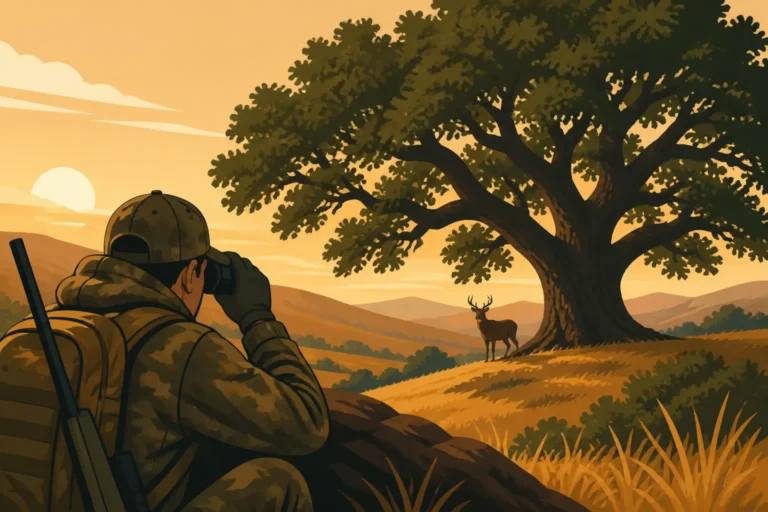
We’ve all been there: driving slowly down a dusty forest service road, eyes peeled, when suddenly, there it is. A fresh scrape, maybe even a whole line of them, right on the edge of the road, or sometimes even smack in the middle of it. Your heart quickens, but then the doubt creeps in – "Deer use these roads, sure, but do they really spend time here during hunting hours?" It’s a common frustration, finding prime sign in an easily accessible spot, wondering if it's too good to be true, or if every other hunter has already seen it. This guide is dedicated to helping you decipher those roadside scrape lines and turn these seemingly obvious deer highways into strategic hunting opportunities.
Understanding Scrape Lines and Why They Appear on Roads
Finding a scrape line is like finding a secret message from a buck, an open invitation to his world. But understanding why that message is on a forest service road, of all places, is key to hunting it effectively.
What Exactly is a Scrape Line?
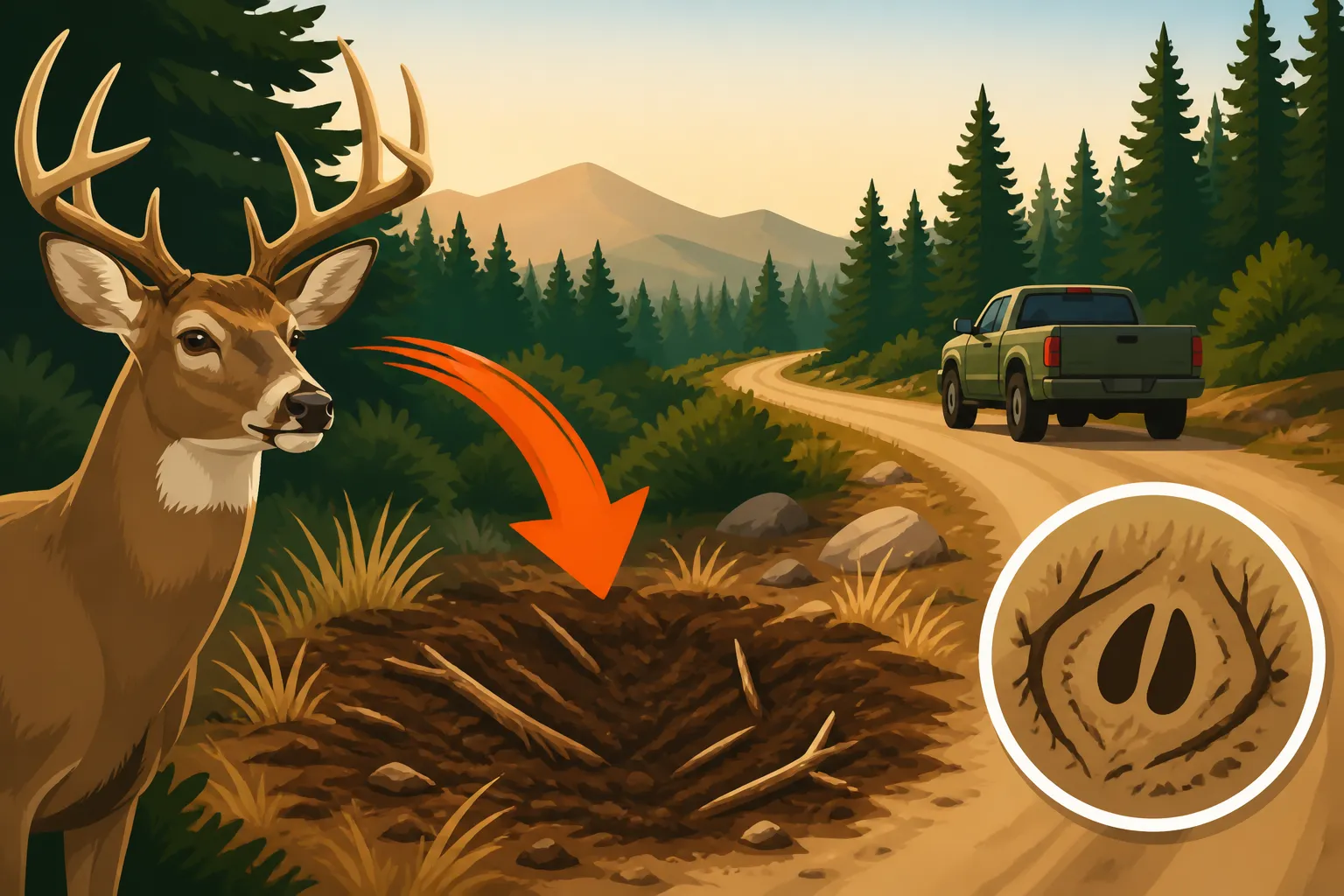
A scrape, in its simplest form, is a patch of bare earth pawed out by a buck, often directly beneath an overhanging branch – the "licking branch." It’s much more than just a rutted-up piece of dirt, though. This entire setup is a communication hub, a bulletin board for deer. The buck will often rub his preorbital glands on the licking branch, depositing scent. He’ll also urinate over his tarsal glands into the pawed earth, leaving a potent cocktail of interdigital gland scent and urine that tells other deer who he is, his dominance, and his reproductive status. When you find several of these scrapes strung together, particularly along a discernible travel route, you've hit a "scrape line."
Early in the season, you might find what we call "exploratory" scrapes. These are bucks just starting to feel the hormonal shift, testing the waters, leaving their calling card. As the rut heats up, these become "signpost" scrapes, vigorously worked and frequently visited, acting as undeniable advertisements for bucks and check-in points for does. The excitement of finding one is palpable, but it can also be confusing. Is it being used regularly? Is it worth a sit? You might wonder if it’s just a one-off, or if it indicates consistent activity. That’s a totally valid question, and the answer usually lies in a closer look and a bit of patience.
Why Forest Service Roads Become Scrape Hotspots
It seems counterintuitive, doesn't it? Deer are supposed to be wary, tucked away in thick cover, yet here they are, marking their territory on a path humans frequently use. But when you think like a deer, it starts to make sense. Forest service roads, especially less traveled ones, act as natural travel corridors. They offer an easier path through dense timber or brush. Deer, like us, often take the path of least resistance.
More importantly, these roads, or the edges of them, create perfect opportunities for bucks to communicate. The open nature of a road allows scent to disperse more effectively than in dense timber. A licking branch hanging low over a dusty track makes an ideal, visible location for a buck to leave his mark. The edges of these roads often feature a transition from timber to open road, creating what we call "edge habitat." Deer love edges – they offer both cover and access to open areas, making them prime locations for feeding, browsing, and, you guessed it, social interaction.
So, while we see a road as human access, a buck sees it as a convenient, scent-dispersing billboard and a well-defined travel path. They are essentially saying, "I'm here, who else is around?" It's a paradox for us hunters: these roads are accessible for us, but they're also serving a very specific, and attractive, purpose for the deer. The trick is to acknowledge this and leverage it, not avoid it.
Identifying Active Scrapes and Optimal Hunting Conditions
The presence of a scrape line is exciting, but not all scrapes are created equal. You need to learn to read the sign and time your hunt right to capitalize on these roadside opportunities.
Telling an Active Scrape from an Old One
This is where the detective work really begins. Finding a scrape is one thing; knowing if it's currently being worked is another. The key is freshness. Look for:
- Freshly Pawed Earth: Is the dirt loose, perhaps still damp from recent pawing? Are there fresh hoof prints in the soft earth? An old scrape will have compacted, crusted, or weed-grown dirt.
- Wet Urine Smell: Get down and sniff! A recently worked scrape, especially during the rut, will often have a distinct, pungent smell of deer urine. It might even still be wet.
- Freshly Broken Licking Branches: Examine the branch above the scrape. Are there fresh breaks, rubs, or signs of recent chewing? A licking branch that's been recently worked will often have shiny, exposed wood where bark has been scraped off.
- Nearby Rubs: While not directly part of the scrape itself, fresh rubs on trees nearby, especially saplings or small trees, are strong indicators of a buck in the area. Look for shiny, scraped bark and fresh wood underneath.
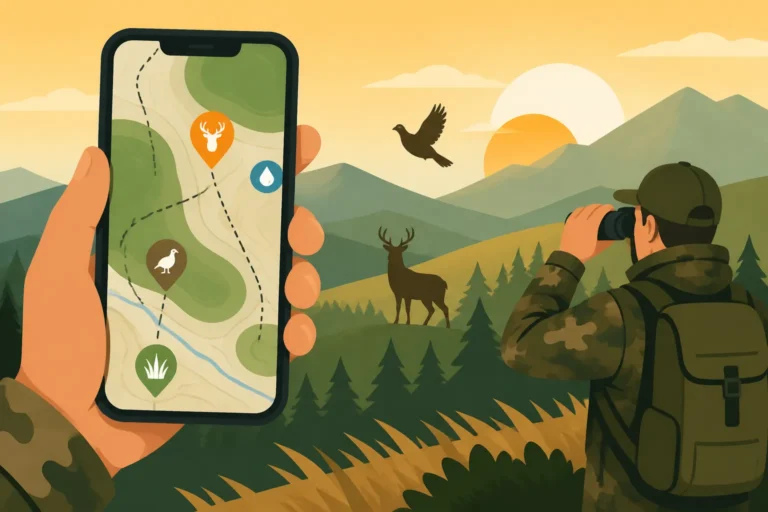
To truly confirm activity, and perhaps gain an edge, many hunters deploy trail cameras. Setting up a cell camera or even a standard trail cam discreetly overlooking a promising scrape line can give you invaluable intel on when and what kind of buck is visiting. You can learn if it's primarily nocturnal, meaning the buck is moving through at night, or if he's making appearances during legal hunting hours. GoHunt's mapping tools can help you mark these spots and plan camera deployment. Consistent activity, especially during the day, is your green light. If it's a one-off or looks old, don't waste your time sitting on it.
Timing Your Hunt: When to Focus on Road Scrapes
Timing is everything, and with scrape lines, it’s all about the rut.
- Pre-Rut (Late October-Early November): This is when bucks start making exploratory scrapes. They're ramping up, feeling the hormonal surge, and beginning to establish their presence. Scrapes at this time might not be visited daily, but they indicate a buck is in the area and getting ready. This is a great time to start scouting and placing cameras.
- Peak Rut (Mid-November-Early December): This is prime time. Bucks are actively seeking does, and scrape lines become critical communication hubs. They’ll be checking them frequently, sometimes multiple times a day. This is when your roadside scrapes are most reliable, acting as undeniable invitations to the action. For many areas, this coincides with the best part of the deer season. If you want to dive deeper into specific timing, check out our guide on "When the California Rut Peaks by Zone".
- Post-Rut (Mid-December Onward): As the rut winds down, scrape activity diminishes. Bucks are exhausted, and does are either bred or less receptive. While you might still see an occasional fresh scrape, their importance as a consistent hunting location fades significantly.
Weather conditions also play a huge role. Cooler temperatures, especially after a cold front, tend to get deer moving more during daylight. A light rain can freshen up a scrape, making the scent more potent and easier to read. It also softens the ground, making tracks clearer and less noisy for your approach. Light winds are generally preferred, as strong, gusty winds can make deer skittish and make it harder to hear them approaching. However, even a tricky wind can be mitigated with good planning and scent control.
Strategic Approaches to Hunting Road Scrapes
Hunting a scrape line along a forest service road isn't just about showing up and hoping for the best. It requires strategic thinking, careful placement, and sometimes, a little calling magic.
Scouting and Stand/Blind Placement
The first rule of hunting roadside scrapes is to minimize your disturbance. These spots are often accessible, but that also means your presence is more likely to be detected. Use tools like GoHunt's mapping apps to identify potential scrape lines and, more importantly, to plan your approach and exit routes. You want to slip in and out without spooking any deer that might be working the scrape. "Scouting California Public Land Before Season" is crucial here.
When it comes to stand or blind placement, think "downwind and out of sight."
- Elevated Stands: If the terrain allows and you have permission (check local regulations!), a treestand can be ideal. Position it downwind of the scrape line, looking into the wind for your approach, so your scent blows away from where the deer will likely appear. Identify natural cover that breaks up your silhouette and offers good shooting lanes along the road and into the adjacent timber. Consider the sun's position – you don't want it in your eyes or glaring off your equipment.
- Ground Blinds: For flatter terrain or areas with thick brush, a well-placed ground blind can be incredibly effective. Concealment is paramount. Brush it in thoroughly, blending it into the natural environment. Think about how to effectively employ a strategy like "Brushing In a Blind on a Field Edge". You want a solid backdrop to break up your outline, and make sure any shooting lanes are clear. A natural dip in the terrain or a cluster of large oaks can offer excellent blind locations.
- Utilizing Topography: Forest service roads often wind through varied terrain. Use this to your advantage. A bend in the road, a small rise, or a dip can obscure your approach or provide an unexpected shooting angle. Look for pinch points or funnels created by the road and the surrounding habitat – these are natural travel routes that deer will follow to get to the scrape.
Calling and Decoying Tactics
While a scrape is a visual and scent attractant, sometimes you need to add an auditory element to seal the deal.
- Grunt Calls: If you've confirmed a buck is regularly working the scrape, a subtle grunt call can be incredibly effective. It mimics another buck in the area, potentially challenging the dominant buck or drawing in a curious younger buck. Use short, soft grunts, especially if you believe the buck is close. Imagine another buck approaching his bulletin board, and you're essentially adding to the conversation. If you're hunting in areas with thick coastal oak timber, understanding "Grunt Calls in Coastal Oak Timber" can make a big difference.
- Rattling: In more open country or during the peak rut, rattling can draw a buck in. However, with roadside scrapes, be mindful of the visibility. If a buck comes in quickly, he might spot you before you get a shot. Start with softer rattling sequences, gradually increasing intensity. It's often best used just inside the timber, a short distance from the road scrape, to give the buck a reason to investigate the noise without immediately seeing the open road. Keep in mind that "Rattling Volume in Thick Chaparral" will be different than in open timber.
- Decoys: Decoys on forest service roads are a double-edged sword. While they can draw in a buck, the open nature of roads also means other hunters might see them, and deer might be warier of a static, obvious figure. If you choose to use one, a small, subtle doe decoy, well-hidden just off the road in the brush, might work, but use extreme caution and ensure it's easily visible to you but not obviously "out of place" to a deer. For informational purposes, it’s worth noting that their effectiveness in this specific setup is often debated.
Still-Hunting and Tracking Adjacent to Roads
Sometimes, sitting and waiting isn't the only option. For those who prefer to be more active, still-hunting just off the road, parallel to a scrape line, can be highly productive.
- Still-Hunting the Edges: Instead of sitting directly on the scrape, move slowly and deliberately through the timber or brush bordering the road. Focus on areas where scrapes are consistently found. This allows you to cover more ground, find deer that might be skirting the road just inside the cover, and potentially intercept a buck approaching or leaving a scrape. Pay close attention to wind direction and move at a snail's pace, stopping often to scan and listen.
- Reading Fresh Sign: After a rain, forest service roads become a hunter's canvas. Fresh tracks, especially those of a mature buck, can tell you exactly where deer are moving. Learning how to effectively utilize "Reading California Mud for Fresh Deer Movement" can be a game-changer. Follow these tracks, staying just inside the cover, and you might find the buck that made those scrapes.
- Tracking and Recovery: Should you take a shot and need to track a deer, forest service roads can sometimes aid in recovery. If a deer crosses or runs down a road, the clearer ground can make blood trailing easier. Always be prepared for "Tracking a Deer in Fresh Sierra Snow" or on dry, hard ground, but a road can sometimes offer a helpful break. Always mark your last blood and take your time.
Navigating Challenges and Maximizing Success
Hunting forest service road scrape lines comes with its unique set of challenges. Being prepared for them will boost your chances of success and ensure a safe, ethical hunt.
Dealing with Hunter Pressure
One of the biggest realities of hunting forest service roads is the increased hunter presence. Easy access often means more boots on the ground, and deer can become wary quickly.
- Go Deeper, or Hunt Smarter: While the scrapes are on the road, the deer often feed and bed further back. Use the road as a point of access, but be willing to hike in a bit deeper than most hunters. This often means walking a mile or two down the road, and then a good quarter to half-mile off the road into thicker cover. The scrapes are indicating a travel corridor; the deer may be moving through this corridor to get to less pressured bedding or feeding areas. GoHunt's detailed maps can help you identify these pockets of less-pressured habitat just off the beaten path.
- Weekdays and Off-Hours: If you can swing it, hunting weekdays or during less popular times (mid-day, or deep into legal shooting light) can significantly reduce encounters with other hunters.
- Early or Late Season: Sometimes hunting the fringes of the season, when pressure is lighter, can be more productive, even if scrape activity isn't at its absolute peak. Always be aware of "Hunting Pressure on California Public Land" and adjust your strategy accordingly.
Wind, Thermals, and Scent Control
Scent control is always important, but when you're hunting near a relatively open area like a road, it becomes absolutely critical. Deer are already wary of human activity on these paths.
- Rigorous Scent Control: Shower with scent-free soap, wash your clothes in scent-free detergent, and use scent-eliminating sprays. Store your hunting clothes separately.
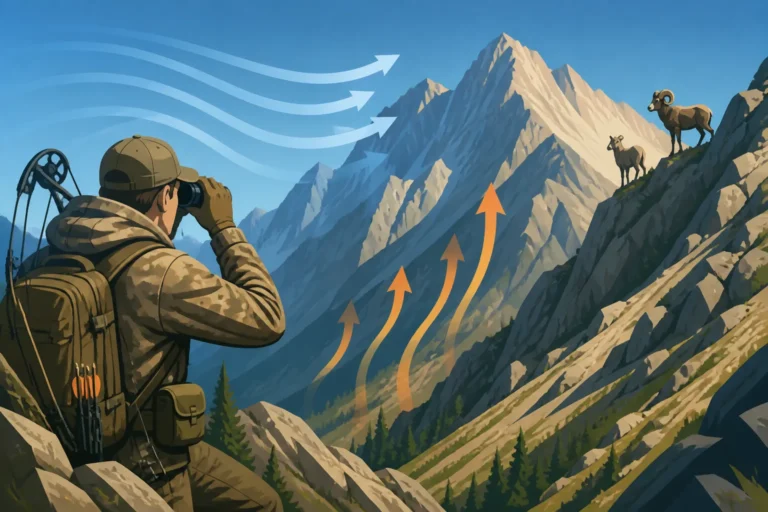
- Playing the Wind: Always, always hunt with the wind in your favor. Position yourself so your scent is blowing away from where you expect the deer to approach the scrape. Remember that in hilly or mountainous terrain, thermals will draw your scent uphill in the morning and downhill in the evening. Understanding "Wind and Thermals in Steep Sierra Country" is vital for any mountain hunter.
- Strategic Approach: Plan your route to your stand or blind so you're not walking directly across the scrape or blowing your scent into it before you even settle in.
Legalities and Ethical Considerations
Hunting in California means adhering to specific rules and upholding ethical standards.
- Check Regulations: Before you head out, double-check the specific regulations for the national forest or BLM land you're hunting. Vehicle access, camping restrictions, and hunting methods can vary. Using an app for "Using an App for California BLM Land Status" can help immensely.
- Non-Lead Ammunition: Remember, California has a statewide ban on lead ammunition for hunting. Ensure your rifle is zeroed with non-lead loads, as ballistics can differ. Educate yourself on "California's Non-Lead Ammunition Requirement".
- Ethical Hunting: Always strive for a clean, ethical shot. Know your limits and don't take risks that could lead to a wounded animal. If you do make a shot, prioritize recovery immediately and thoroughly. Learning how to properly manage "Recovering a Deer From a Steep Canyon" is a skill every hunter needs.
- Respect the Land: Pack out everything you pack in. Leave no trace. These public lands are a privilege, and it’s up to us to keep them pristine.
Here's a quick reference for interpreting scrape activity:
| Scrape Characteristic | Activity Level | Best Time to Hunt | Notes |
|---|---|---|---|
| Loose, damp earth, fresh odor, chewed branch | Highly Active | Peak Rut (Mid-Nov to Early Dec), cool temps, post-rain | Buck is actively working this scrape; high potential for daytime visits. |
| Loose earth, faint odor, minor branch damage | Moderately Active | Pre-Rut (Late Oct to Early Nov) or Post-Rut | Buck is checking periodically; good for trail cameras, may be nocturnal. |
| Dry, compacted earth, no odor, old branch damage | Inactive / Old | Avoid, use for future scouting | Likely not being worked currently; deer have moved on or rut is over. |
| Series of active scrapes along a route | Scrape Line Hot | Peak Rut, consistent visits identified by camera | Indicates a travel corridor and primary communication route; prioritize these locations. |
| Fresh rubs nearby, even if scrape is moderate | Increased Potential | Pre-Rut & Peak Rut | Shows a buck is in the vicinity, even if the scrape itself isn't pounding. |
Disclaimer
Always consult the latest California Department of Fish and Wildlife (CDFW) regulations before engaging in any hunting activities. Laws and rules can change, and it is every hunter's responsibility to know and follow them.