Dove Hunting a Cut Grain Field
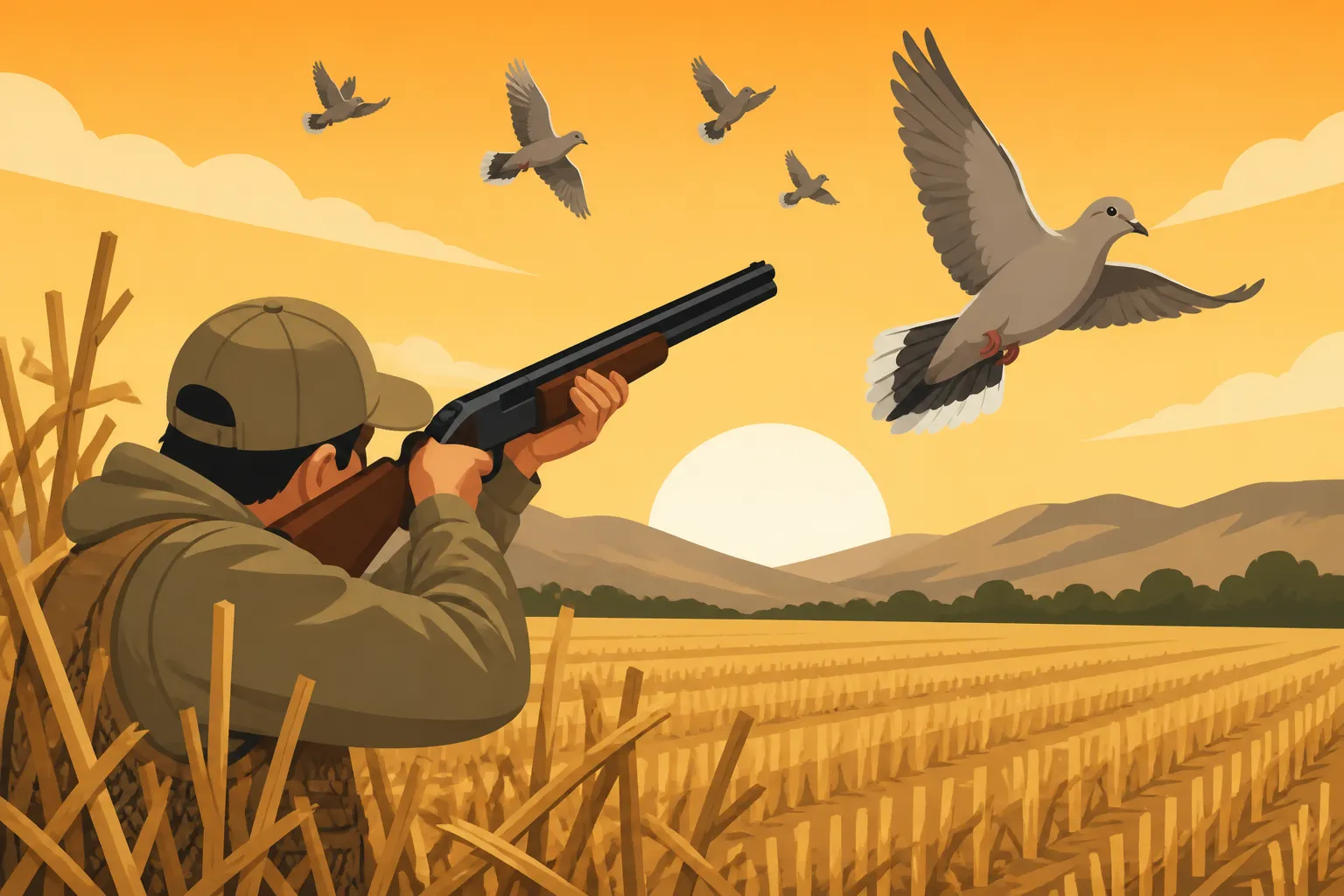
The feeling of anticipation before a dove hunt, especially on opening day, is something every California hunter cherishes. But the excitement can quickly turn to frustration when doves dart past your spread like ghosts, or you spend hours swatting at mosquitos in a barren field. This guide is designed to cut through that frustration, helping you understand the nuances of dove hunting a cut grain field in California, from scouting the perfect spot to setting up a truly irresistible decoy spread, ensuring you get more birds in the bag.
The Irresistible Allure of Cut Grain Fields for Doves
Doves, particularly mourning doves and white-winged doves which are common across California, are primarily seed-eaters. They possess an almost uncanny ability to locate prime feeding grounds, and nothing screams "all-you-can-eat buffet" quite like a freshly cut grain field. These fields become magnets for doves, offering easy access to fallen seeds that are exposed and ready for the taking. Understanding why doves prefer these fields is the first step in successful hunting.
Why Doves Flock to Cut Grain Fields
When crops like wheat, barley, oats, or even silage corn are harvested, the machinery inevitably knocks a significant amount of grain onto the ground. This isn't just a few scattered kernels; it can be a substantial feast for doves. Unlike standing crops where seeds are harder to access, a cut field lays it all bare. Doves can land, feed quickly, and take off again with minimal effort, making it an efficient stop on their daily feeding routine. They prefer wide, open spaces for feeding, as it allows them to maintain a clear line of sight for predators while on the ground. A cut field perfectly provides this open, yet food-rich, environment.
Beyond just the food, these fields often have access points like power lines, lone trees, or water sources nearby, which doves utilize for loafing and drinking. This combination of abundant food, open space, and close proximity to water or roosting areas makes cut grain fields the absolute prime real estate for dove hunters. Missing out on these spots means missing out on the best opportunities, especially when the season kicks off. If you're looking for prime areas to focus your efforts, understanding Hunting the September Dove Opener means paying close attention to agricultural cycles.
Daily Rituals: Flight Patterns and Feeding Times
Doves are creatures of habit, and their daily routine is remarkably predictable, especially during the early season. Their day generally starts shortly after sunrise, when they leave their roosts (often dense tree lines or brush) and head straight for water to drink. From there, they'll make their first feeding run to fields like the cut grain you're targeting. This morning flight can be intense and short-lived, often peaking within the first two to three hours after legal shooting light.
As the sun climbs higher, doves will often retreat to shaded loafing areas – isolated trees, power lines, or dense cover – to digest their meal and escape the midday heat. This mid-morning to early-afternoon lull is generally the slowest time for hunting. However, don't count out the afternoon! As temperatures begin to cool, usually a couple of hours before sunset, doves will embark on their second major feeding flight, often stopping at water again before heading back to the fields. This late-afternoon movement can be just as productive, if not more so, than the morning flight. Knowing these patterns allows you to strategically plan your hunt, maximizing your time in the field and minimizing idle waiting. Observing California Dove Population Trends can also give you insight into where these birds are most abundant, helping you narrow down potential areas.
Mastering the Art of Scouting and Field Selection
Successful dove hunting in California isn't just about showing up with a shotgun; it's about intelligence gathering. You need to identify the right fields, at the right time, and ensure you have legal access. This pre-hunt preparation is where many hunters fall short, leading to disappointing outings.
Identifying Active Fields: More Than Just "Cut"
Not all cut grain fields are created equal. Just because a field has been harvested doesn't automatically mean it's a dove hot spot. The key is to find active fields – those currently being used by doves. This requires dedicated scouting, preferably a few days before your planned hunt. Drive around rural areas, paying close attention to any fields that have recently been cut. Look for signs of dove activity:
- Doves flying into or out of the field: This is the most obvious sign. Observe their flight paths and landing zones.
- Doves on power lines or lone trees: Doves often stage here before dropping into a field or after feeding.
- Doves on the ground: A sure sign they're actively feeding. Use binoculars to scan large fields.
- Whitewash (droppings): Look for concentrations of droppings on fence posts, power lines, or even on the ground where doves are loafing.
- Dust trails: Sometimes, you'll see dust clouds where doves are feeding on dry, exposed soil.
Tools like the GoHunt app can be invaluable here. Its detailed mapping layers allow you to identify agricultural areas and property boundaries, helping you scout digitally before you even hit the road. You can mark potential fields, identify access points, and even cross-reference with publicly accessible land. Once you've identified a few promising fields, a drive-by scouting mission will confirm actual bird activity. Remember, fresh cuts are best, as the exposed grain will diminish over time due to consumption by doves, other wildlife, and weather.
Navigating Permission and Public Access
California has a vast amount of private agricultural land, and much of the best dove hunting happens on these private parcels. The critical step here is securing permission. Do not, under any circumstances, trespass. This not only puts you at risk of legal trouble but also gives all hunters a bad name and jeopardizes future access for others.
For Private Land:
The best approach is to knock on doors well in advance of the season, ideally a week or two beforehand. Dress presentably, be polite, and clearly state your intentions. Offer to share your harvest, clean up any shells, and respect their property. Many landowners, especially farmers who view doves as a minor nuisance to their crops, are often amenable to allowing access if approached respectfully. Sometimes, they'll appreciate the help in keeping bird numbers down. Confirming Do You Need Written Permission in California? is always a good idea; while verbal is often accepted, written permission can prevent misunderstandings.
For Public Land:
While less common for prime cut grain fields, some Wildlife Areas or BLM lands in California might have small agricultural plots or adjacent areas that attract doves. These areas will have specific regulations, often requiring sign-ins, special permits, or specific hunt dates. Always check the California Department of Fish and Wildlife (CDFW) regulations for the specific area you intend to hunt. The GoHunt platform might also offer insights into public land parcels with agricultural interfaces. Be aware that public land, especially on opening day, will likely see significant hunting pressure, so getting there early is crucial. Look into California Public Dove Field Draw Rules if you plan to hunt popular public fields.
Crafting the Perfect Decoy Spread
Doves are highly social birds, and they feel a strong sense of safety and attraction when they see other doves on the ground or perched. This behavior is what makes decoys so incredibly effective. A well-placed decoy spread can turn a moderately active field into a dove magnet, pulling birds directly into your shooting lane.
Types of Decoys and Effective Usage
There's a variety of dove decoys on the market, each with its own advantages. A combination of types often yields the best results.
- Full-bodied Shell Decoys: These are static decoys that look like doves feeding or resting on the ground. They are relatively inexpensive and can be deployed in large numbers. Place them in clusters, mimicking a flock of doves feeding.
- Clip-on Perching Decoys: These are designed to clip onto fences, branches, or stubble. They add a vertical element to your spread, making it more visible from a distance and suggesting doves are resting or staging before feeding.
- Motion Decoys (Mojo Doves): These are game-changers. The most popular are battery-operated decoys with spinning wings, like the Mojo Dove. The erratic flash of the spinning wings is incredibly visible and mimics a dove landing or taking off, acting as a strong visual attractor. Position your motion decoys strategically within your spread to catch the eye of passing birds.
- Silhouette Decoys: Less common for doves, but useful for adding numbers at a distance. They are flat, two-dimensional cutouts.
Table 1: Common Dove Decoy Types and Their Best Use
| Decoy Type | Description | Best Use | Pros | Cons |
|---|---|---|---|---|
| Full-bodied Shell | Static, realistic 3D doves | Ground spread, feeding clusters | Realistic appearance, inexpensive | Static, less visible from distance |
| Clip-on Perching | Doves designed to clip to fences/branches | Fence lines, stubble, lone trees for added height | Adds verticality, increases visibility | Limited to elevated placements |
| Motion (e.g., Mojo) | Battery-operated, spinning wings | Center of spread, highly visible | High visibility, strong attractor | Requires batteries, can be pricey, less subtle |
| Silhouette | Flat, 2D cutouts | Large numbers at a distance to suggest a larger flock | Very portable, cost-effective in bulk | Less realistic up close, easily flattened |
Don't be afraid to mix and match. A core of full-bodied shells representing a feeding flock, supplemented by a few clip-ons on nearby fences, and crowned with a spinning-wing motion decoy (or two!) will create a highly convincing tableau.
Strategically Spreading Decoys for Maximum Attraction
The way you arrange your decoys can significantly impact your success. Doves typically want to land near other doves, not directly on top of them. This creates a natural landing zone that you'll want to place within comfortable shooting range.
- Create a "Landing Strip": Place the bulk of your ground decoys in an open pattern, leaving a clear, bare patch of ground in the middle or slightly upwind. This open area is where incoming doves will naturally want to set down. Position yourself to have good shots at birds flaring into this zone.
- Upwind Placement: Doves, like most birds, prefer to land into the wind. Set your main decoy spread and your intended landing zone upwind of your position. This will encourage birds to approach facing you, slowing them down and presenting a better target.
- Visible Motion: Place your motion decoys where they are most visible to incoming birds. Often this is on a high point, like a stubble mound, or even elevated on a pole. The flash of the wings should be the first thing a distant dove sees. If you're hunting with a partner, try to flank the decoys, creating a crossfire scenario (safely, of course) where birds entering the kill zone are caught between shooters.
- Concentrations and Spacing: Avoid stringing decoys out in a single line. Doves gather in groups, so replicate this by placing decoys in small, tight clusters. However, don't make them too dense; leave enough space for actual doves to land comfortably among them. A common mistake is to place decoys too far from your blind or too close to each other. Aim for your "kill zone" to be 20-30 yards out.
Remember, the goal is to make your spread look as natural and inviting as possible. Adjust your spread based on how birds are reacting; if they're flaring before reaching your shooting zone, you might need to move your decoys closer or adjust your blind.
Concealment is Key: Blind Placement and Blending In
Doves have incredibly sharp eyesight. The slightest glint of sunlight off a gun barrel, a sudden movement, or an unnatural silhouette can send them flaring out of range. Effective concealment is paramount to consistent success in a cut grain field, which often offers minimal natural cover.
Utilizing Natural Cover Versus Portable Blinds
Cut grain fields, by their nature, are typically open and exposed. This means natural cover might be scarce, but when it's available, it's often the best option.
- Fencelines and Hedgerows: These offer linear cover and a natural backdrop to break up your silhouette. Setting up along a fenceline with tall weeds or a low hedgerow can provide excellent concealment.
- Power Poles or Lone Trees: Doves often use these as perching spots, but they can also offer decent cover if you can blend into their shadow or base. However, be mindful of shooting lanes and the direction of flight.
- Irrigation Ditches or Berms: Any slight elevation change or depression can be utilized. Lying down in a shallow ditch or behind a low berm can keep you out of sight, especially if you add some natural vegetation.
When natural cover is insufficient or nonexistent, portable blinds become essential.
- Layout Blinds: These are excellent for flat, open fields. You lie flat on your back, covered by a low profile blind that blends into the stubble. They offer superb concealment and comfort, allowing you to quickly sit up and shoot when birds come in.
- Panel Blinds or Ghost Blinds: These are smaller, more portable blinds that you can set up quickly. They might not offer full concealment from above, but they break up your outline effectively from ground level. They're good for quick setups or when you need to move frequently.
- Pop-up Blinds: Larger and more visible, pop-up blinds need to be well-brushed in to be effective in a wide-open field. They offer more comfort and space but require more effort to conceal properly.
The choice between natural cover and a blind often comes down to the specific field you're hunting and the amount of preparation time you have. A well-scouted field with a natural bottleneck or travel corridor might allow for minimalist natural concealment, while a wide-open expanse almost demands a layout blind.
Blending In: The Art of Disappearing
No matter what type of cover you use, the goal is to disappear into your surroundings. This means more than just wearing camouflage.
- Brush Your Blind In: If using a portable blind, gather local vegetation (stubble, weeds, grass) and attach it to your blind's brushing straps. The more it looks like part of the field, the better. Don't be lazy with this step! It makes a huge difference.
- Minimize Movement: Doves will spot movement from a surprising distance. Stay still until it's time to shoot. Only raise your shotgun when the birds are committed and within range. Avoid fidgeting, checking your phone, or making unnecessary movements.
- Shadow Management: Always try to set up with the sun at your back or to your side. This puts incoming doves at a disadvantage, as they'll be looking into the sun, and your shadows will be cast away from their approach. However, be mindful of your own shadow as the sun moves throughout the day.
- Head and Hand Concealment: Your face and hands are often the most exposed parts of your body. Wear a face mask or face paint and gloves to eliminate glare and break up these easily recognizable shapes.
- Skyline Avoidance: Never set up on a ridgeline or against the horizon where your silhouette will be starkly outlined. Always try to have a backdrop behind you, whether it's a treeline, a small hill, or simply the ground itself if you're in a layout blind. GoHunt's satellite imagery can help you identify areas with good backdrops.
Successfully blending in requires a conscious effort and attention to detail. Remember, if you can see them clearly, they can probably see you.
Selecting the Right Tools: Shotgun and Ammunition
Dove hunting, while fast-paced, isn't typically a long-range endeavor. However, the non-lead ammunition requirement in California adds a layer of consideration to your gear choices. Being properly equipped ensures both effectiveness and compliance.
Gauge and Choke Selection for Doves
Doves are relatively small, fast-flying birds. The key to hitting them isn't necessarily a powerful load, but a dense, consistent pattern.
-
Shotgun Gauge:
- 12-gauge: The most popular choice for dove hunting, offering a wide array of ammunition options and patterns. It provides plenty of punch for doves and is versatile for other game.
- 20-gauge: A fantastic choice, especially for newer hunters or those who prefer a lighter shotgun with less recoil. It's highly effective on doves and, with the right non-lead load, can pattern beautifully.
- 28-gauge or .410: These smaller gauges can be effective in the hands of an experienced shooter, but they offer a much smaller pattern and require greater precision. Generally not recommended for beginners.
-
Choke Selection:
- Improved Cylinder (IC): Often the preferred choke for dove hunting. It offers a relatively open pattern, allowing for a wider spread of shot, which is forgiving for close-range, fast-moving targets. This is great for birds breaking into your decoy spread at 20-30 yards.
- Modified (MOD): A good all-around choke that offers a tighter pattern than IC. It's a solid choice if you anticipate shots ranging from 25 to 40 yards, or if you're pass-shooting birds at a slightly longer distance.
- Skeet: Even more open than IC, Skeet chokes are excellent for very close flushing birds, but might be too open for doves darting by at typical ranges, leading to gaps in your pattern.
- Full: Generally too tight for doves. The dense pattern can make it hard to hit such small, agile birds, and when you do connect, it can over-damage the bird, leaving less for the table.
Many hunters will start with an Improved Cylinder and, if shots are consistently longer, switch to a Modified choke. It really depends on the specific field and how the doves are working your spread. Understanding Best Shotgun Choke for Non-Lead Loads is vital since these materials can pattern differently than lead.
California's Non-Lead Ammunition Requirement
This is a critical point for all hunting in California. Since July 1, 2019, all hunting in the state, including for doves, requires the use of non-lead ammunition. This mandate is driven by conservation efforts, particularly regarding the California condor.
- Approved Materials: The most common non-lead shot materials for upland birds like doves are steel and bismuth.
- Steel Shot: More affordable and widely available. However, steel is lighter than lead, so you often need to go up one or two shot sizes (e.g., if you used 7.5 lead, try 6 or 5 steel) to get comparable energy. Steel also maintains a tighter pattern than lead from the same choke, so you might use a more open choke (like IC or even Skeet) than you would with lead.
- Bismuth Shot: Heavier than steel, performing much closer to lead in terms of energy and pattern. It's softer than steel, making it safer for older shotguns not rated for steel, and can be used with tighter chokes. The trade-off is that bismuth is significantly more expensive.
- Shot Size: For doves, commonly used non-lead shot sizes are #6, #7, or #7.5 in steel, and #7 or #7.5 in bismuth. The goal is to get enough pellets in the pattern to ensure a clean kill without excessive damage. Remember to factor in California's Non-Lead Shotgun Loads for Upland Birds requirement when making your purchase.
Always check your shotgun's barrel specifications before using steel shot, especially with older firearms, as some may not be rated for it. Using the wrong shot material can damage your barrel. Ensure you carry your hunting license and proof of California Migratory Bird Certification along with your non-lead ammunition.
Upholding Field Etiquette and Safety
Dove hunting, especially in popular cut grain fields, can attract a good number of hunters. Maintaining proper etiquette and prioritizing safety are crucial for an enjoyable and responsible experience for everyone involved.
Working Harmoniously with Other Hunters
A crowded field on opening day can quickly turn into a frustrating free-for-all if hunters aren't respectful.
- Spacing is Key: When arriving at a field already occupied by other hunters, find a spot that offers a generous and safe distance from them. A general rule of thumb is at least 100-150 yards, or enough space that you won't be shooting over their heads or into their retrieve zone. Don't crowd another hunter's setup.
- Communicate: If you're unsure, a friendly wave and conversation can go a long way. Ask where they plan to hunt and if they mind you setting up in a particular area. Most hunters are reasonable if approached respectfully.
- Respect Boundaries: If a landowner has granted specific permission, stick to the agreed-upon areas. Do not wander onto neighboring properties without explicit permission.
- Share the Sky: Avoid "sky-busting"—shooting at birds that are far out of range, potentially flaring them away from other hunters who had them working closer. This is not only rude but also leads to more missed shots and wasted ammunition. Focus on birds within your effective range, ideally 30-40 yards.
- Retrieve Your Birds Promptly: Doves are small and can be hard to find in stubble. Mark where your bird falls and retrieve it quickly. This prevents lost game and minimizes interference with other hunters. If your bird falls near another hunter, ask politely if you can retrieve it.
Being a good neighbor in the field makes the experience better for everyone and helps maintain a positive image for hunters.
Fundamental Safety Rules in the Field
Safety is paramount, especially when multiple hunters are present and birds are flying fast.
- Always Identify Your Target and What's Beyond It: This is the golden rule of firearm safety. Doves are small; ensure you have a clear shot and that no people, livestock, or structures are in your line of fire. Be especially vigilant when shooting at low-flying birds or birds coming in quickly.
- Muzzle Control: Always keep your shotgun pointed in a safe direction, typically skyward or at the ground, never at another person.
- Wear Eye Protection: Essential to protect against stray shot, dust, or other debris. Many dove hunters overlook this, but it's a non-negotiable safety item.
- Wear Blaze Orange (Optional but Recommended): While not strictly required for dove hunting in all areas of California (unless other big game seasons are open, which they can be simultaneously in some zones), wearing some form of blaze orange or bright color is always a good idea for visibility, especially in crowded fields. Reviewing How Much Blaze Orange California Requires can help you make an informed decision, as some areas or times of year might necessitate it more than others.
- Stay Hydrated and Know Your Limits: Dove season often opens in late summer or early fall when California temperatures can still be very high. Heat exhaustion is a real danger. Drink plenty of water, take breaks, and know when to call it a day.
- Dog Safety: If hunting with a retrieving dog, ensure it's well-trained and under control. Keep it close to your position and out of other hunters' way. Provide plenty of water for your canine companion as well.
Adhering to these safety guidelines ensures that your dove hunt is not only productive but also safe and enjoyable for everyone in the field.
Preparing for Your Dove Hunt
Before heading out, a few final checks can make or break your hunt. Beyond your shotgun and ammo, consider these aspects.
Essential Gear and Comfort Considerations
Dove hunting, while active, also involves periods of waiting, and being comfortable can significantly improve your focus and enjoyment.
- Appropriate Clothing: Lightweight, breathable camouflage clothing is ideal. Doves see color and movement, so blending in is crucial. However, prioritize comfort and temperature regulation. Early season hunts can be very hot, so moisture-wicking fabrics are your friend. Don't forget a wide-brimmed hat to protect from the sun.
- Shell Pouch or Vest: You'll be shooting a lot, so having easy access to your ammunition is a must. A shell pouch that attaches to your belt or a dedicated hunting vest with shell loops is invaluable.
- Cooler and Ice: Crucial for preserving your harvested doves, especially in warm weather. Field dress your birds quickly and get them on ice to ensure the best meat quality. A separate cooler for drinks and snacks is also a good idea.
- Water: As mentioned, hydration is critical. Bring more water than you think you'll need.
- Folding Chair or Bucket: Even with a layout blind, a small, portable seat can be nice for breaks or glassing.
- Sunscreen and Insect Repellent: Protect yourself from the elements. Mosquitoes and gnats can be fierce in some agricultural areas.
- Headlamp: For packing in or out in low light, or if you end up blood trailing after dark, though doves don't require blood trailing like big game, it's always smart to have.
- Binoculars: Useful for scouting, identifying distant doves, and checking for other hunters. A compact pair like a 10×42 can make a big difference.
A successful day dove hunting is a combination of effective strategy, solid shooting, and being prepared for the conditions.
Understanding Daily Bag Limits and Reporting
California has specific daily bag and possession limits for doves, and it's essential to know them. For mourning doves and white-winged doves, the daily bag limit is 15, with a possession limit of triple the daily bag (45). These limits can change, so always consult the current California Upland Game Bird Regulations handbook before each season.
- Check Local Regulations: Sometimes, specific wildlife areas or refuges might have different bag limits or shooting hours, so double-check for your chosen hunting spot.
- Harvest Reporting: While doves generally don't require the same individual tagging and reporting as big game like deer or elk, you do need to have your HIP (Harvest Information Program) validation if you're hunting migratory birds. This is usually part of your hunting license purchase.
Keep a mental tally (or even a physical one) of the birds you've shot to avoid exceeding your bag limit. Being a responsible hunter means respecting the regulations designed to manage wildlife populations.
Final Thoughts on California Dove Hunting
Hunting doves in California, particularly over a well-chosen and effectively worked cut grain field, can be an incredibly rewarding and action-packed experience. It's often the first season to open, providing a welcome return to the field after the summer months. By focusing on understanding dove behavior, diligently scouting, optimizing your decoy spread, ensuring effective concealment, choosing appropriate non-lead gear, and always prioritizing safety and etiquette, you'll significantly increase your odds of a successful and enjoyable hunt. The learning curve can be steep, but the thrill of doves decoying into your spread is unmatched. Good luck, be safe, and enjoy those fast-flying birds!
Disclaimer
Please note: Hunting regulations and laws, including those pertaining to ammunition, season dates, and access, are subject to change. Always consult the latest California Department of Fish and Wildlife (CDFW) regulations and local ordinances before engaging in any hunting activity. This guide is for informational purposes only and does not constitute legal advice. It is the hunter's responsibility to know and follow all applicable laws.