California Deer Camp Traditions
Hunting deer in California isn't just about the shot; it's deeply ingrained with the ritual and camaraderie of "deer camp." For many, the idea of deer camp conjures images of rustic cabins or elaborate canvas wall tents nestled deep in a snowy wilderness, something you might see in Montana or Idaho. But here in California, with our incredibly diverse landscapes and often strict access rules, deer camp can look a lot different, leading to frustration for those trying to recreate a classic image. It might be a pop-up trailer in a dusty BLM campground, a couple of tents tucked into a secluded spot in a National Forest, or even just a designated meeting point for a group of friends hunting a public access area. Whatever its form, the spirit of deer camp is alive and well, providing a vital connection to tradition, community, and the hunt itself. This guide dives deep into what California deer camp means, exploring its unique traditions, how hunters adapt to our state's specific challenges, and how these experiences forge lasting bonds and memories.
What Defines a California Deer Camp?
The very notion of "deer camp" in California carries a unique flavor, often diverging from the stereotypical images seen in hunting magazines from other states. Our landscapes, regulations, and hunting culture dictate a camp experience that is as diverse as the state itself.
Beyond the Wall Tent Image
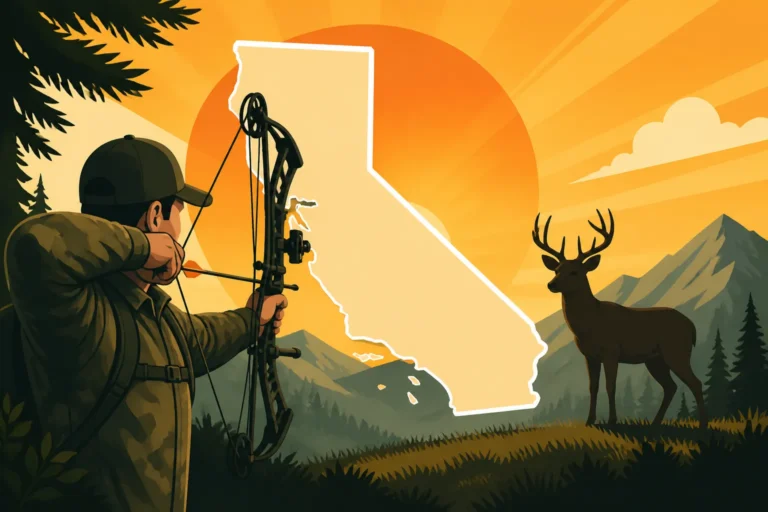
Let's be real, while a beautifully appointed wall tent deep in a high-country basin sounds idyllic, it’s not the norm for most California deer hunters. Access can be challenging, suitable terrain for large camps limited, and the sheer logistics often make it impractical. Instead, California deer camps are often far more adaptable. You might see a collection of smaller dome tents pitched in a dispersed camping area in the Hunting California's Sierra Nevada Backcountry, a couple of travel trailers parked in a developed campground near the edge of a D-zone, or even just a group of trucks parked at a trail-head, serving as a base of operations for day hunts.
The point isn't the grandeur of the setup; it's the convergence. It's about a temporary home, no matter how humble, shared with like-minded individuals. For many, "camp" is a simple pop-up canopy with a couple of cots, maybe a portable fire pit, often right off a forest service road. This flexibility is key to hunting the vast and varied terrain of California, from the coastal oak woodlands to the high desert fringes.
The Shared Experience: More Than Just a Location
What truly defines a California deer camp isn't the physical structure, but the collective anticipation and the shared purpose. It’s the late-night planning sessions poring over maps, debating which ridge to hit at first light, or discussing potential deer movement patterns. It's the early morning silence broken only by the clinking of coffee mugs and the rustle of gear as everyone prepares for the day's hunt.
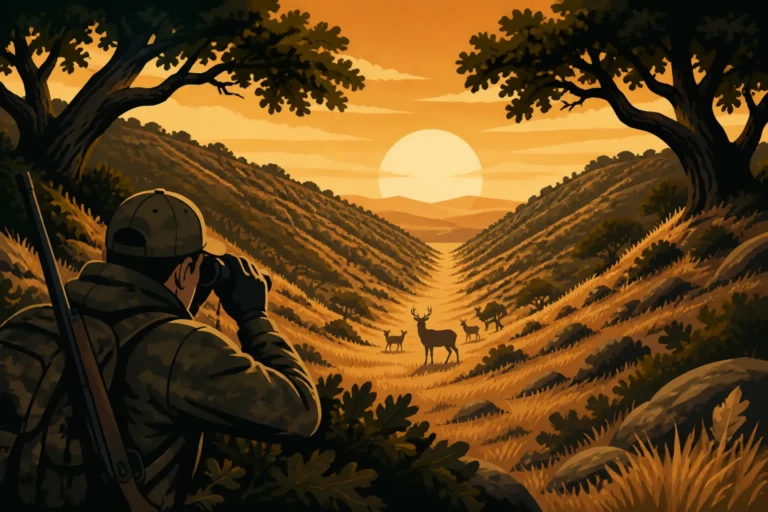
Even if hunters split up to cover different areas, camp serves as the central hub – a place to return, regroup, and share. It’s where the triumphs are celebrated, the frustrations are vented, and the collective wisdom of the group is exchanged. This shared experience fosters a deep sense of camaraderie, turning individual pursuits into a communal endeavor. Whether you’re chasing a blacktail in the dense chaparral of the Hunting Coastal Range Oak Woodlands or glassing for mule deer in the open expanses, having a camp and companions enriches the entire process.
Location, Location, Location: Adapting to California's Diverse Terrains
California’s immense geographical diversity plays a massive role in shaping deer camp traditions. A camp in the arid, open country of the Mojave Desert will look drastically different from one nestled in the dense timber of the North Coast.
- Sierra Nevada High Country: Here, camps might involve backpacking in for several miles, with minimalist gear. A small tent, a sleeping bag, and a reliable water filter might be all you need for a multi-day trip. Vehicle access is often limited, so portability is paramount. Planning is crucial, and tools like GoHunt can be invaluable for pinpointing remote areas with good deer sign.
- Coastal Ranges: Denser vegetation and often milder weather mean camps might be established closer to access roads or in designated campgrounds. The focus shifts to efficient navigation through thick brush and understanding game movement in smaller, more fragmented habitat.
- Desert and Eastern Sierra: Water sources become critical here. Camps might be near springs or where water can be easily hauled in. Shade is highly prized, and hunters often adapt by using canopies and setting up in dry washes or near sparse tree cover. The heat can be a major factor, making proper game care, like having Best Cooler for Packing Out Meat in Hot Weather, even more critical.
Each region presents its own set of challenges and, consequently, its own camp traditions, but the core elements of shared experience and preparation remain constant.
Rituals and Routines That Bind Us
The rhythm of deer camp is built on a series of rituals and routines that solidify the experience and strengthen the bonds between hunters. These are the unspoken rules and comforting patterns that make camp feel like home, no matter how temporary.
Pre-Dawn Preparations: The Sacred Silence
The earliest hours of the morning at deer camp are almost sacred. Long before the sun even hints at rising, the camp stirs to life. The first sound is usually the hiss of a propane stove igniting, followed by the gurgle of coffee brewing. Everyone moves with a quiet efficiency, fueled by anticipation and the understanding that silence is golden. Boots are laced, layers are donned, and packs are checked one last time.
There’s a shared understanding in that dark, cold air. Conversations are hushed, often just grunts and nods as flashlights cut through the darkness, illuminating the last few items being tucked into a pack. This ritual of preparation is a mental conditioning, focusing the mind on the task ahead. It’s during these moments that the previous night's discussions about Wind and Thermals in Steep Sierra Country or the best Entry Routes Through a Sierra Foothill Meadow become real. Leaving camp, whether by truck or on foot, is a quiet exodus, each hunter slipping into the pre-dawn stillness, ready for whatever the day might bring.
Post-Hunt Debriefs and Storytelling: The Campfire Confessional
Perhaps no tradition is more central to deer camp than the post-hunt debrief around the fire. As dusk settles and hunters trickle back into camp, tired but often invigorated, the stories begin. This is where the day's events are recounted in detail: the buck that slipped away, the fresh tracks found, the unexpected encounter with another hunter, or the simple beauty of a sunrise over the mountains.
It’s a safe space for validating frustrations, laughing at mishaps, and celebrating small victories – even if no game was harvested. Someone might share their experience trying to Track a Deer in Fresh Sierra Snow, detailing every painstaking step. The tales grow taller with each retelling, the details embellished, but the core truth of the shared experience remains. These storytelling sessions build a collective history for the group, weaving individual hunts into the larger tapestry of camp lore. It’s also a fantastic way to learn; seasoned hunters impart wisdom, and new hunters gain valuable insights from the collective experiences of the group.
Passing on Knowledge and Skills: The Legacy of the Hunt
Deer camp is a living classroom, a place where generations connect and crucial hunting skills are passed down. This isn't just about showing someone how to shoot; it's about teaching the nuances of woodcraft, ethics, and respect for the game and the land. Younger hunters, or those new to the sport, learn by observation and direct instruction.
This could mean learning how to properly field dress an animal efficiently, a skill that's especially important in California's often warm early seasons. Or perhaps it's about understanding Why California's Zones Open on Different Dates and what that means for game movement. Mentorship is a cornerstone of this tradition. Experienced hunters share tips on scouting, reading sign, calling techniques, and the importance of patience. This informal education, often accompanied by shared meals and conversations, is crucial for preserving the future of hunting. It builds confidence and competence, ensuring that the next generation respects the traditions and practices responsible hunting.
The Heart of Camp: Food, Fellowship, and Memory-Making
Beyond the hunt itself, deer camp serves as a powerful crucible for forging relationships, sharing sustenance, and creating memories that last a lifetime. These are the moments that truly define the spirit of the experience.
Camp Cuisine: From Simple Sustenance to Gourmet Feasts
Food at deer camp isn't just about fuel; it's an event. The range of camp cuisine can vary wildly, from the utterly practical to surprisingly elaborate. Some camps prioritize speed and convenience, relying on dehydrated meals, sandwiches, and instant coffee to maximize hunting time. Others make food a central component, bringing dutch ovens, portable grills, and coolers packed with fresh ingredients.
Imagine coming back to camp after a long, cold morning, the aroma of chili simmering on a propane stove filling the air. Or enjoying thick-cut steaks grilled over an open fire, accompanied by stories of the day's adventures. The shared act of cooking and eating together, especially after a physically demanding day in the field, is deeply satisfying. It builds morale, provides comfort, and allows for relaxed conversation. There’s something uniquely special about enjoying a meal under the stars, surrounded by friends or family, discussing the hunt, or simply unwinding. Many a great hunting story has started or ended around a camp table laden with food, much of it often wild game from previous seasons.
The Campfire: Center of Gravity
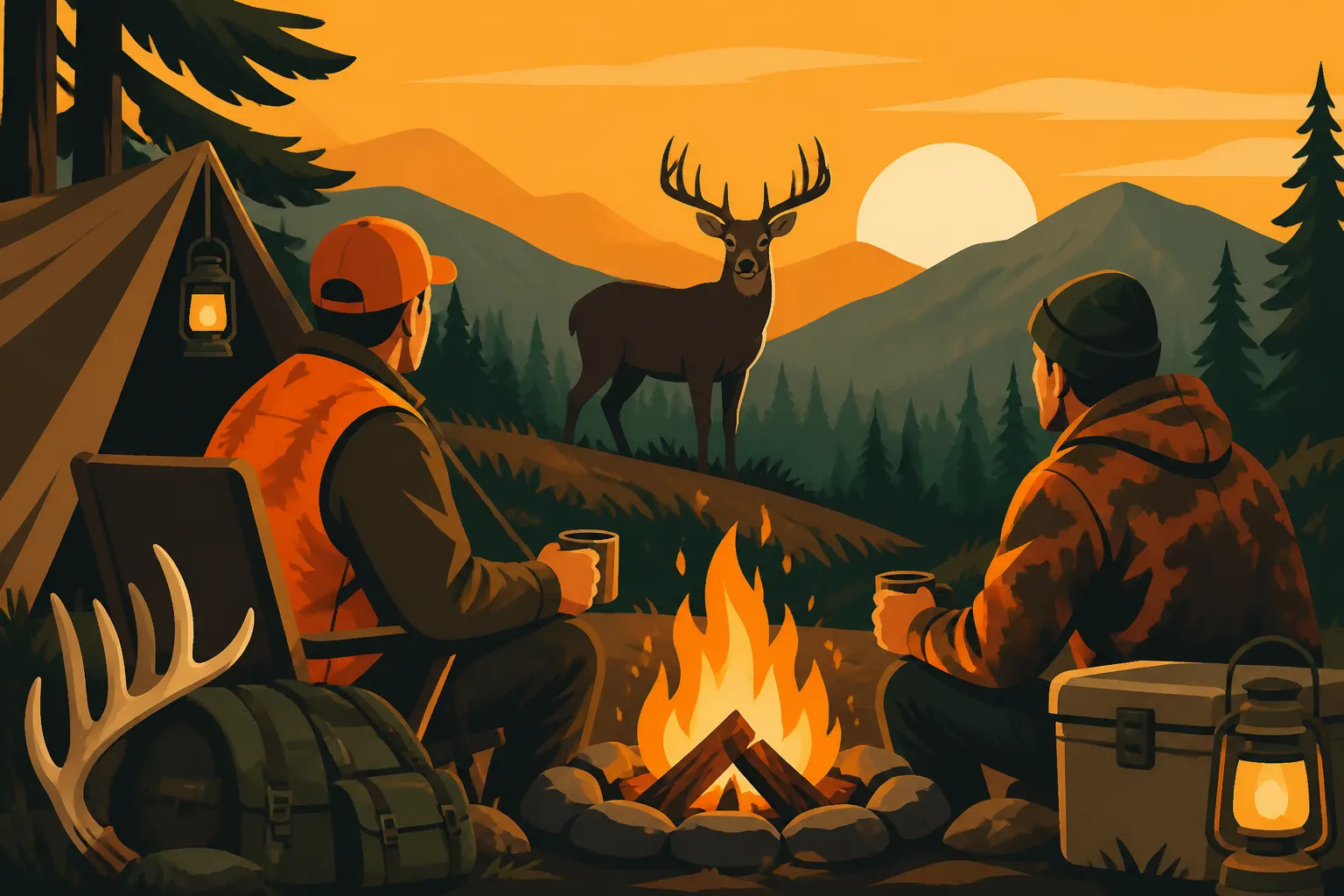
The campfire is, without a doubt, the beating heart of any deer camp. It's more than just a source of warmth or a cooking surface; it's a primal gathering place, drawing everyone in at the end of the day. As the sun dips below the ridgeline, the campfire becomes the focal point, casting flickering light and dancing shadows. It’s where most of the debriefing happens, where plans for tomorrow are solidified, and where quiet contemplation takes over.
Around the crackling flames, hunters share stories, tell jokes, and simply exist in comfortable silence. The mesmerizing glow of the embers and the smell of woodsmoke are potent memory-makers. It’s a chance to truly disconnect from the digital world and reconnect with nature and each other. Many a deep conversation, many a lifelong friendship, has been forged around a California deer camp fire. It's where the hard lessons learned are softened by camaraderie and the excitement of potential future hunts.
Building Lasting Bonds: Beyond the Season
The bonds formed at deer camp are often some of the strongest. These aren't just friendships that exist during hunting season; they are relationships built on shared challenges, mutual support, and a deep appreciation for the outdoors. The experience of waking up before dawn, facing the elements, pushing physical limits, and sharing both success and disappointment creates a unique kind of trust and understanding.
For many families, deer camp is a multi-generational tradition, a time when fathers teach sons, mothers teach daughters, and everyone shares in the rich heritage of hunting. It’s a place where life lessons are learned, character is built, and respect for nature is instilled. These memories, of laughter, quiet moments, and shared adventure, endure long after the season closes, drawing hunters back year after year.
Preserving and Adapting California Deer Camp Traditions
California's unique regulatory environment and dynamic landscape mean that deer camp traditions are constantly evolving. Adapting to new rules and leveraging modern tools while staying true to the spirit of the hunt is crucial for future generations.
Navigating Modern Regulations: Embracing Change
California hunters face some distinct regulations that other states don't, most notably the statewide non-lead ammunition requirement. This has undoubtedly changed how many hunters prepare and hunt. Traditional lead-core bullets are a thing of the past for big game. Hunters have had to adapt, researching Best Non-Lead Bullets for California Deer-Sized Game and learning to zero their rifles with new ammunition.
While this might seem like a disruption to tradition, it's also an opportunity for new traditions to form around responsible wildlife management. Camps now include discussions about Which Non-Lead Bullets California Approves and what it means for projectile performance. Hunters share experiences with different copper bullet brands and their effectiveness. These adaptations ensure that hunting remains sustainable and ethical in California's unique ecological context. It shows a commitment to wildlife and the land, which is a powerful tradition in itself.
Leveraging Technology for Tradition: Smart Hunting
In the modern era, technology plays an increasingly significant role in hunting, even at deer camp. While the core experience remains about being in nature, tools can enhance preparation and safety. For instance, using platforms like GoHunt or other mapping apps to thoroughly Scouting California Public Land Before Season has become common practice. Hunters can digitally scout potential areas, identify water sources, and understand terrain before even stepping foot in the field. This saves valuable time and increases efficiency, making the most of limited hunting days.
However, the key is to integrate technology thoughtfully. At camp, while a mapping app might guide you to your hunting spot, the core traditions of sharing stories around the fire, mentoring new hunters, and field dressing a deer by hand remain untouched. Technology serves as a powerful assistant, allowing hunters to be more prepared and effective, but it doesn't replace the essential human elements of the hunt. It's about finding that balance between modern efficiency and timeless tradition.
Ensuring the Future of Hunting: Passing the Torch
Ultimately, the most important tradition of deer camp is ensuring that hunting continues for future generations. This means actively engaging in mentorship, adhering to ethical practices, and participating in conservation efforts. When new hunters join a camp, they're not just learning how to hunt; they're absorbing the values and responsibilities that come with it. The camaraderie and shared knowledge create a welcoming environment.
Discussions at camp often turn to the importance of California Hunter Education Requirements and how to support wildlife agencies. By actively involving new hunters in every aspect of deer camp – from meal prep to field care – experienced hunters instill a deep appreciation for the entire process. This hands-on approach, combined with the irreplaceable experience of living off the land, is how California deer camp traditions will endure, evolving with the times while holding fast to the timeless essence of the hunt. It's about cultivating a love for the outdoors and a commitment to its preservation that extends far beyond a single hunting season.
Common California Deer Camp Activities and Their Purpose
| Activity | Purpose | Key Benefit |
|---|---|---|
| Pre-Dawn Gear Check | Ensuring all necessary equipment is ready, safe, and easily accessible before heading out. | Enhances safety, efficiency, and reduces forgotten items. |
| Shared Meals | Providing sustenance, building camaraderie, and offering a focal point for social interaction. | Boosts morale, strengthens bonds, and creates a sense of community. |
| Post-Hunt Debriefs | Recounting the day's experiences, observations, and challenges; sharing information about game movement. | Learning from collective experience, validating effort, and planning for next hunt. |
| Campfire Gatherings | Socializing, storytelling, relaxation, and warmth. | Fosters deep connections, provides comfort, and creates lasting memories. |
| Map & Strategy Sessions | Planning routes, identifying prime habitat, and discussing hunting tactics for the next day. | Increases hunting success, optimizes effort, and allows for shared decision-making. |
| Mentoring New Hunters | Teaching skills like tracking, field dressing, ethics, and responsible firearm handling. | Preserves hunting traditions, ensures safety, and develops future conservationists. |
| Equipment Maintenance | Cleaning rifles, sharpening knives, and performing minor repairs. | Extends gear lifespan, maintains safety, and ensures readiness for future hunts. |
| Game Processing (if successful) | Field dressing, quartering, and preparing harvested game for transport or further processing. | Ensures meat quality, teaches practical skills, and honors the animal. |
Disclaimer
Hunting is an inherently dangerous activity. Always prioritize safety, adhere to all California Department of Fish and Wildlife (CDFW) regulations, and ensure you have the necessary licenses and tags. The information provided in this guide is for informational purposes only and should not replace professional guidance or official regulations. Always check the latest CDFW regulations before engaging in any hunting activities.