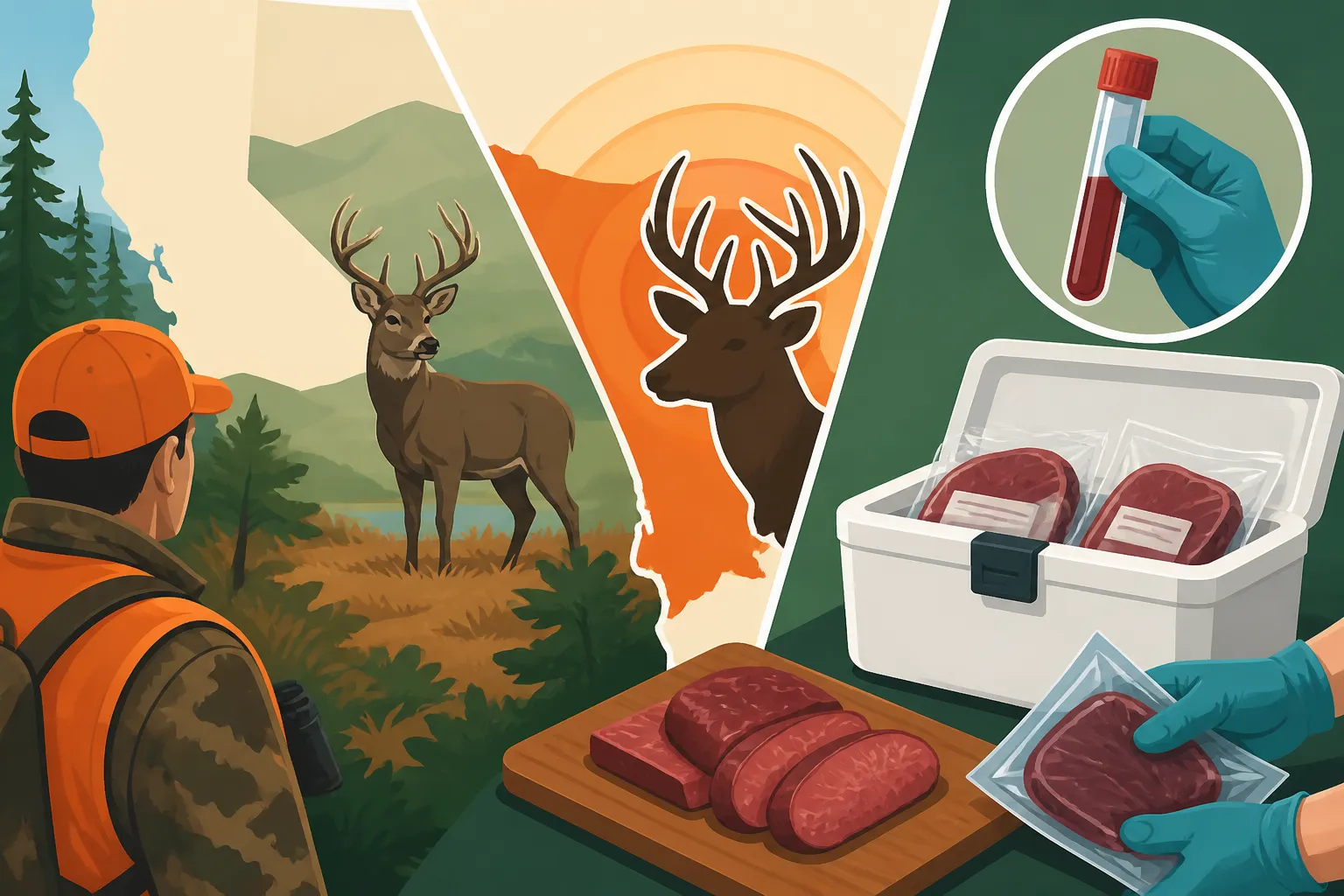
Handling Venison From a CWD Testing Zone
The worry that creeps in after a successful deer hunt, especially when you're thinking about Chronic Wasting Disease (CWD), can really take the joy out of the moment. You've put in the time, made a good shot, and now you’re wondering if your hard-earned venison is safe to eat or even legal to transport. It’s a valid concern, and navigating the specific regulations for handling game from CWD testing zones in California adds another layer of complexity. This guide is here to walk you through the essential steps, from field dressing to final processing, ensuring you understand the rules and protect both your harvest and California's wild deer and elk herds.
Understanding Chronic Wasting Disease and California's Response
Chronic Wasting Disease (CWD) is a serious concern for wildlife managers and hunters alike, and California has taken proactive steps to monitor and prevent its spread. Knowing what CWD is and which areas are considered testing zones is the first crucial step in responsible venison handling. It's about being prepared, not paranoid.
What CWD Means for Deer and Elk
CWD is a neurological disease that affects cervids, which include deer, elk, and moose. It's caused by abnormal proteins called prions, similar to mad cow disease. Once an animal is infected, these prions slowly accumulate in the brain and other tissues, leading to severe neurological degeneration. Think of it like a slow, irreversible decline. Animals affected by CWD often show symptoms like extreme weight loss (wasting), stumbling, lack of coordination, listlessness, excessive salivation, and behavioral changes. Unfortunately, CWD is always fatal for infected animals. While there's no direct evidence of CWD transmitting to humans, health agencies like the Centers for Disease Control (CDC) strongly recommend against consuming meat from CWD-positive animals. It's better to be safe than sorry, especially when dealing with something that affects the nervous system.
Identifying California's CWD Testing Zones
California has been fortunate so far to have a very low incidence of CWD, but that doesn't mean we can let our guard down. The California Department of Fish and Wildlife (CDFW) has established mandatory CWD testing zones to monitor and detect the disease early if it does appear. These zones are typically areas where CWD has been detected in neighboring states, or where specific surveillance efforts are concentrated due to high deer density or historical disease vectors. Currently, the primary focus areas include parts of eastern California, specifically portions of Mono and Inyo counties, particularly around the Owens Valley. These zones align with some of the state's prime Hunting California's Sierra Nevada High Country, where hunters pursue mule deer. The CDFW is vigilant, and hunters in these areas will find specific instructions on their tags and through outreach materials. It's always smart to double-check the latest regulations for Which Zones Require Mandatory CWD Testing before heading afield, as these zones can sometimes be updated based on surveillance results.
Here’s a quick overview of key considerations for CWD in California:
| Aspect | Description |
|---|---|
| Disease Type | Prion-based neurological disease affecting deer, elk, moose. |
| Human Risk | No confirmed cases of human infection, but agencies advise against consuming meat from CWD-positive animals. |
| California Status | Very low incidence; mandatory testing zones established for surveillance. |
| Current Testing Zones | Primarily portions of Mono and Inyo counties, often around the Eastern Sierra, with potential for expansion based on monitoring. |
| Mandatory Testing | Required for all harvested cervids within designated zones to aid in early detection and prevent spread. |
| Carcass Movement Rules | Strict limitations on transporting whole carcasses or high-risk parts out of CWD zones; boned-out meat, cleaned skulls, and antlers typically allowed. |
Field Procedures: Safe Handling at the Harvest Site
The moments immediately after a harvest are critical for CWD risk management. Your actions in the field directly impact the safety of your venison and your ability to comply with California's strict regulations. This isn't just about common sense; it's about specific protocols to protect the herd.
Minimizing Contamination During Field Dressing
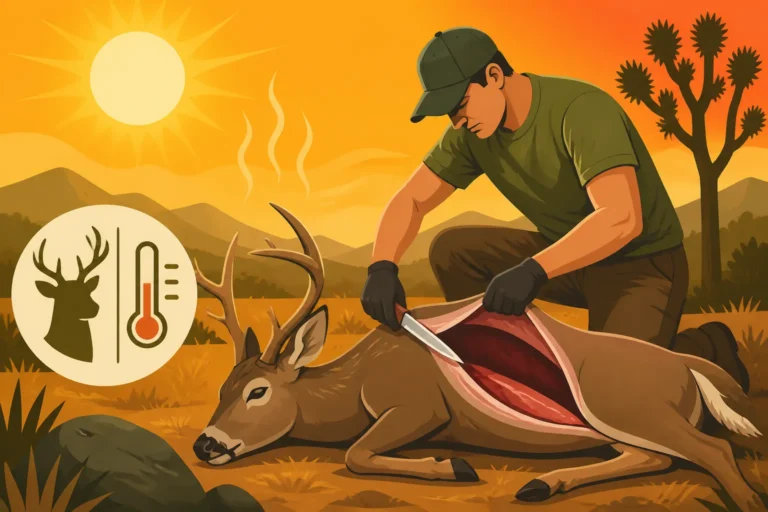
When you've successfully harvested an animal in a CWD testing zone, the first thing to think about during field dressing is minimizing potential contamination. The prions that cause CWD are most concentrated in certain "high-risk" tissues: the brain, spinal cord, lymph nodes (especially those in the neck, head, and intestines), eyes, tonsils, and spleen. Your goal is to avoid cutting into these areas as much as possible, or at least keep them contained. Always wear disposable gloves – a box of nitrile gloves is an absolute must-have in your pack, alongside your knife. When gutting, if possible, avoid cutting the spinal column. Some hunters opt for the "gutless" method, which involves skinning and quartering the animal without opening the body cavity, leaving the internal organs, including the highest-risk lymph nodes, largely undisturbed in the carcass for disposal at the kill site. If you do a traditional gutting, try to leave all internal organs, including the stomach and intestines, at the kill site, especially if you are in a designated CWD zone. This keeps potential prions from being spread to other areas. Pack out any tools that might have come into contact with those high-risk tissues for thorough cleaning later.
Rules for Transporting Carcasses from a CWD Zone
California has very specific regulations regarding what parts of a deer can be transported out of a CWD testing zone. These rules are in place to prevent the inadvertent spread of the disease to unaffected areas. Generally, whole carcasses are not permitted to leave a CWD zone. This can be a bit of a logistics challenge, especially if you're deep in the backcountry after Hunting California's High-Country X-Zones, but it’s absolutely vital for compliance. What you can typically transport includes:
- Boned-out meat: All meat that has been completely removed from the bone. This is generally considered the safest form to transport.
- Clean skull plate: A skull cap with antlers, where all brain tissue and other nervous system tissue has been completely removed. This means no brain matter, no eyes, and no lymph nodes attached.
- Cleaned hide: The skin, provided there's no head or spinal column material attached.
- Antlers: Naturally shed antlers or those detached from a legally cleaned skull plate.
Any parts considered "high-risk" (brain, spinal column, lymph nodes, spleen, etc.) must be left at the kill site or disposed of in an approved manner specified by the CDFW, often at designated collection points within the CWD zone. Never just dump these parts anywhere; proper disposal is key. It might mean packing out heavy quarters and leaving the rest, but adhering to these rules is non-negotiable for hunters. The CDFW outlines precise guidance on Moving a Deer Carcass Out of a Testing Zone, which every hunter operating in these areas should review thoroughly.
Post-Harvest: Mandatory Testing and Butchering Best Practices
Once you've managed the initial field dressing and transport, the next critical phases involve mandatory CWD testing and safe butchering practices. This is where your vigilance continues, ensuring peace of mind about your venison and supporting broader wildlife health efforts.
The Critical Step: Mandatory CWD Testing
If you've harvested a deer or elk within one of California's designated CWD testing zones, submitting your animal for testing isn't optional—it's mandatory. This requirement is a cornerstone of California's proactive approach to monitoring and controlling the disease. The CDFW has established specific protocols for hunters to follow. Typically, you'll need to submit lymph node samples (often the retropharyngeal lymph nodes from the neck/jaw area) or brainstem tissue. The testing window is usually quite strict, often within ten days of harvest, so you can't delay. You'll need to contact the CDFW directly or visit a designated check station to get a CWD sample kit and instructions. They'll guide you on how to collect the necessary tissue safely or direct you to a professional who can. You can find detailed information on CWD Testing for California Hunters and Finding a California CWD Sampling Location on the CDFW website. Remember, you generally shouldn't consume or process the meat until you receive a negative test result. This waiting period can be a bit frustrating, but it's essential for safety. Your compliance with California Deer Reporting Requirements is also crucial, as accurate harvest data helps wildlife managers track potential disease spread.
Safe Butchering and Processing Your Venison
Even if your deer tests negative for CWD, or if you're processing an animal from an area outside a known CWD zone, practicing safe butchering techniques is always a good idea. The core principles revolve around preventing cross-contamination and removing any remaining high-risk tissues. When you get your animal to your processing area, whether at home or a professional butcher shop, make sure to use clean tools—and if possible, dedicate separate tools for wild game processing from your kitchen tools. Wear gloves throughout the process.
The main objective is to completely remove and dispose of all remaining high-risk tissues: any brain matter, spinal cord, eyes, tonsils, spleen, and all lymph nodes. Even if you left some in the field, assume there are still some present on the carcass and be meticulous in their removal. Bone out all meat, separating it from the bone entirely. Pay close attention to the neck and head areas where lymph nodes might still be present. After butchering, thoroughly clean and sanitize all surfaces, tools, and equipment with a bleach solution (one part bleach to ten parts water) or a strong commercial disinfectant. This level of diligence ensures that any potential prions are destroyed. For detailed advice on how to handle the breakdown of your animal, including how to efficiently quarter it, check out resources on Butchering a Deer at Camp, which often include valuable tips on hygiene and meat care in the field. Once processed, package your venison well for freezing, using vacuum sealers or heavy-duty freezer bags to prevent freezer burn and keep it fresh for longer.
Preserving the Future: Why Hunter Vigilance is Key
The steps we take as individual hunters in California, especially when it comes to managing CWD, have a far-reaching impact. It's not just about our current harvest; it's about ensuring the health of the game we cherish for generations to come. Your active participation is a vital part of conservation.
Protecting California's Wild Cervid Populations
Our responsibility as hunters extends beyond the tag on our deer. It means actively participating in the conservation and health of the wild populations we pursue. CWD poses a significant, long-term threat to California's deer and elk herds. If the disease were to become widespread and established, it could lead to drastic declines in population numbers, impact hunting opportunities, and fundamentally alter the ecological balance of our wild lands. Imagine a future where you're asking about California Deer Herd Size and the numbers are a fraction of what they are today because of this disease. The CDFW’s intensive efforts in California's Deer and Elk Disease Monitoring are designed to prevent this worst-case scenario. By adhering to carcass transportation rules, submitting mandatory samples, and practicing proper field hygiene, every hunter becomes a frontline defender against CWD. This collective effort is what ensures the sustainability of hunting in California and the health of species like the Columbia blacktail and mule deer that define our hunting heritage. It’s a small effort on our part for a huge payoff in the long run.
Staying Informed and Utilizing Resources
The world of hunting regulations and wildlife management is constantly evolving, and CWD protocols are no exception. What was true last season might have subtle but important changes this year. It's paramount for every hunter to stay informed and know where to access the most current information. The CDFW website is your primary source for up-to-date regulations, CWD testing zone maps, and sampling instructions. Before every season, and especially if you plan to hunt in or near a known CWD testing zone, make it a point to review the latest Big Game Hunting Digest and any specific CWD advisories.
Tools like GoHunt, while primarily known for drawing odds and public land access, often provide valuable insights and links to state wildlife agency resources that can help you stay current on regulations and CWD zones. They might even have updated maps reflecting where California's Two CWD Testing Zones have changed or expanded. Additionally, familiarize yourself with processes like Registering a California Deer Online through the Automated License Data System (ALDS), as proper reporting is a key component of disease surveillance. Your hunter education course, if you recently took one or need a refresher, also covers ethical hunting and conservation, which ties directly into disease prevention. The more educated and proactive we are as hunters, the better equipped we become to protect our game and our hunting future.
Disclaimer
Please note that hunting regulations, including those pertaining to Chronic Wasting Disease (CWD) testing zones and carcass handling, are subject to change. Always consult the most current California Department of Fish and Wildlife (CDFW) regulations, publications, and website before engaging in any hunting activities. This article provides general information and should not be considered a substitute for official legal guidance. The author and publisher are not responsible for any inaccuracies or outdated information.