What Happens When the Bear Quota Fills Early
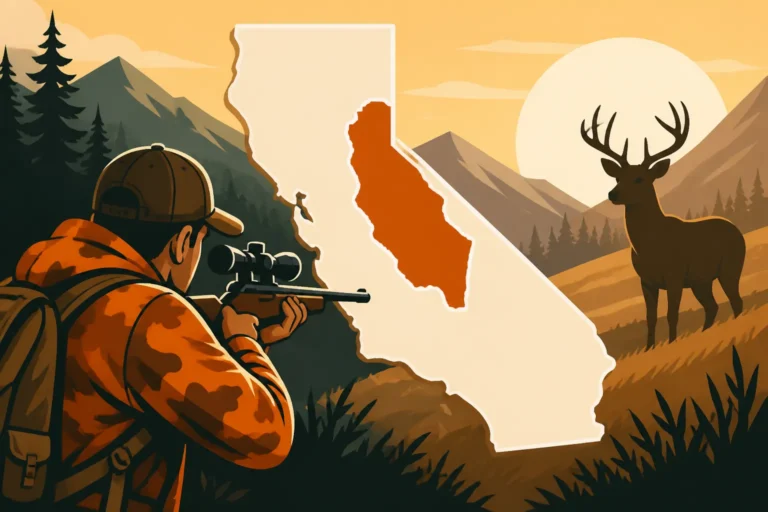
It's incredibly frustrating, isn't it, when you've put in all the time, effort, and expense to plan a California bear hunt, only to hear whispers—or worse, an official announcement—that the season might close early? It feels like the rug is being pulled out from under you, leaving you with an unfilled tag and a lot of unanswered questions. This guide is here to shed light on exactly what happens when California's statewide black bear quota fills before the scheduled season end date, what that means for hunters, and how you can best prepare for such a scenario.
Understanding California's Black Bear Quota System
California's approach to black bear hunting is unique, primarily due to its statewide quota system. Unlike some other big game species where seasons are strictly calendar-based, bear season here has a hard cap on the number of animals that can be harvested.
The Rationale Behind the Quota
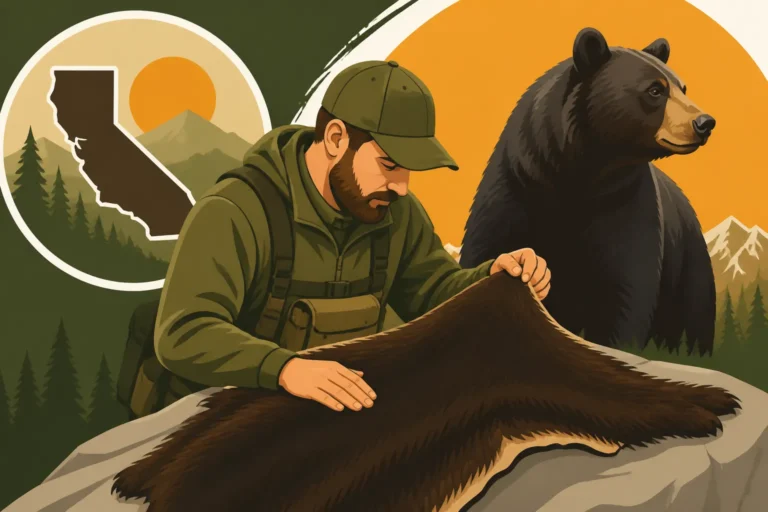
The California Department of Fish and Wildlife (CDFW) manages the state's bear population with a keen eye on sustainability. For years, California's black bear population has been robust and, in many areas, thriving. The quota system, currently set at 1,700 bears statewide, is a tool to ensure that harvest levels remain within sustainable limits, preventing overharvesting while still providing recreational hunting opportunities. It’s a balance, trying to provide opportunity while safeguarding the health of the population. Historically, the bear population has seen significant growth since the 1980s, which is a testament to effective management, but also requires careful monitoring. You can learn more about the overall health of the population by checking out California Black Bear Population Estimate.
How the CDFW Tracks Harvests
This is where the rubber meets the road, and why timely reporting is so crucial. Every bear harvested in California, whether during the archery or general season, must be reported to the CDFW. Hunters are required to report their harvest through the Automatic License Data System (ALDS) or by contacting the CDFW within a specified timeframe. The department actively monitors these harvest numbers, often updating them daily or every few days, especially as the season progresses and the quota limit draws near. This data is the lifeline that tells them how close we are to hitting that 1,700-bear mark. If you've ever had to report a deer, it's a similar system, but with much more urgency due to the quota.
General and Archery Season Overlaps
One critical aspect of the California bear quota is that it applies to all bear hunting statewide, regardless of weapon type or specific season dates. Whether you're hunting with a bow during the August archery-only period or with a rifle during the general season, every bear taken contributes to that same 1,700-bear ceiling. This means that a strong start to the archery season can significantly eat into the quota, potentially shortening the later general season for rifle hunters. Conversely, if hunting pressure or success is low early on, the season might stretch closer to its scheduled end date. Understanding these different windows, like California Bear Archery Season Dates and California Bear General Season Dates, is key to anticipating how quickly that quota might get filled. It’s a collective pot, and everyone is drawing from it.
The Early Closure Scenario: What It Really Means
The phrase "early closure" can strike fear into the heart of any hunter, and for good reason. It represents the abrupt end of your hunting season, often when you least expect it.
The Mechanics of an Early Closure
When the CDFW determines that the statewide harvest is approaching the 1,700-bear quota, they don't just spring a closure on you instantly. Typically, they will issue public warnings as the harvest approaches a certain threshold, often around 1,500 bears. These warnings are usually disseminated through their website, news releases, and sometimes through hunter email lists. Once they project that the quota will be met within a few days, they will announce an official closure date and time. This usually provides hunters with a 24- to 48-hour window to complete any active hunts. It can feel very sudden, especially if you're deep in the backcountry and out of cell service. Imagine being on a multi-day trip, finally cutting a hot track, only to find out the season closed yesterday. It's a real bummer, to say the least.
Impact on Hunters with Unfilled Tags
If the bear season closes early, any bear tag that has not been filled becomes immediately invalid. This is arguably the most frustrating part for hunters. All your planning, scouting, gear preparation, and travel expenses are suddenly for naught if you haven't punched your tag. There are no refunds for unfilled tags due to an early closure, which adds insult to injury for many. You’ve invested time off work, gas money, maybe even a new piece of gear for a particular hunt, and then it's just… over. It really underscores the importance of staying informed and being prepared for such an event. It's not just a hypothetical; it happens, and it can catch even experienced hunters off guard.
Regional Considerations and Quota Distribution
It's important to grasp that the 1,700-bear quota is a single, statewide limit. There aren't separate quotas for Northern California, the Sierra Nevada, or the Central Coast. This means that high bear harvest success in one region can trigger a statewide closure, impacting hunters in entirely different parts of the state where bear numbers might still seem plentiful or hunting pressure lower. For example, a concentrated effort and successful hunting period in Humboldt County could lead to the quota being filled, thereby closing the season for someone patiently waiting to hunt in Ventura County. This statewide approach means that even if your local area seems quiet, the overall state harvest could be surging, pushing the season towards an early end. This makes the urgency of checking the CDFW updates even more critical, regardless of where you plan to hunt.
Here’s a quick overview of how the bear quota system operates:
| Feature | Description | Impact on Hunters |
|---|---|---|
| Quota Limit | Statewide cap of 1,700 black bears. | Season ends once this number is reached, regardless of scheduled end date. |
| Applicability | Applies to both archery and general seasons combined. | High success in one season (e.g., archery) can shorten subsequent seasons. |
| Harvest Monitoring | CDFW tracks reported harvests daily/weekly via ALDS. | Hunters must report bears quickly; constant monitoring is required by hunters. |
| Closure Notification | Public announcement (website, news) typically 24-48 hours before official closure. | Hunters need to actively check for updates to avoid invalidating their hunt. |
| Tag Validity | Unfilled tags become invalid upon official closure. | No refunds for unused tags; all investment in time/money is lost for that tag. |
| Regional Impact | Statewide quota means regional success affects all hunters, regardless of local bear numbers. | Hunting pressure/success in one area can end the season for hunters elsewhere. |
Navigating the Unexpected: Strategies and Resources
While an early closure is never ideal, there are proactive steps you can take to minimize the impact and maximize your chances of success within California's unique bear hunting framework.
Staying Informed During Bear Season
This is, hands down, the most crucial piece of advice. You simply cannot assume the season will run its full course. The CDFW maintains an online portal and often a dedicated hotline where they post the most up-to-date bear harvest numbers. Make it a routine to check these resources frequently, especially as the season progresses and more hunters are out in the field. Subscribing to CDFW email alerts can also give you a heads-up when the quota is nearing.
Beyond official channels, platforms like GoHunt provide excellent aggregated information, often pulling data and making it easily digestible. They can be a great supplementary tool to keep an eye on the pulse of the season, alongside official CDFW announcements. Many hunters rely on these resources because they can sometimes provide quicker, more accessible updates than sifting through government websites. The key is to be diligent and check regularly, particularly if you’re planning a hunt towards the latter half of the scheduled season. Staying on top of Checking Whether the Bear Quota Has Closed is paramount.
Prioritizing Your Hunt Early in the Season
Given the possibility of an early closure, many seasoned California bear hunters adopt a strategy of "front-loading" their efforts. This means prioritizing their hunt earlier in the season, rather than waiting until the last minute. If you've got vacation time, consider taking it in the first few weeks of the general season, or even during the archery opener, to capitalize on those early opportunities. Bears are often more predictable earlier in the fall, feeding heavily on acorns or berries before winter sets in.
Think about your scouting efforts too. Instead of waiting until the week before your hunt, try to get out there in late summer to locate prime feeding areas or recent sign. If you’ve done your homework, you can hit the ground running when opening day arrives. Techniques like Spot-and-Stalk Bear Hunting a Berry Patch are often most productive when bears are actively foraging in predictable areas, which tends to be earlier in the season. The more prepared you are, the less you'll feel rushed by the looming quota.
The Silver Lining: Lessons Learned and Future Planning
Even if you experience an early closure with an unfilled tag, it's not a total loss. Every season offers lessons. Take the time to analyze why the quota filled when it did. Was it a particularly good year for bears? Was there higher hunting pressure? This kind of analysis, often available through CDFW's post-season harvest reports (sometimes aggregated by services like GoHunt), can help you predict trends for future seasons.
Consider developing a backup plan. If your primary bear hunt is cut short, do you have another tag for a different species or a small game hunt you can pivot to? This flexibility can soften the blow of an early closure. For instance, if the bear season closes, perhaps you can pivot to Wild Pig Hunting California Year-Round, which doesn't have a statewide quota, or focus on a Zone A general deer season if you drew a tag. Being resilient and adaptive is a hallmark of a successful hunter, especially in a state with unique regulations like California. Use this experience to refine your strategy, whether it’s for Hunting the August Archery Bear Window next year or simply staying more connected to current events during the season.
Disclaimer
Please remember that hunting regulations, quotas, and season dates are subject to change. While this guide provides comprehensive information, always consult the official California Department of Fish and Wildlife (CDFW) regulations and resources for the most current and accurate details before planning or embarking on any hunting trip. Your responsibility as a hunter is to know and adhere to all applicable laws and regulations.