Working a Fencerow for Late-Season Deer
As the days shorten and the chill of winter truly settles into California, many hunters feel the familiar frustration of disappearing deer. Those bucks that seemed so visible earlier in the season, moving freely in the open, suddenly become phantoms, leaving you wondering if they've packed up and left the state. But don't despair – this guide is all about shining a light on one of the most overlooked, yet incredibly productive, late-season hotspots: the humble fencerow. We'll dive deep into why these linear strips of cover are magnets for deer when conditions get tough and how you can effectively hunt them.
Why Fencerows Become Late-Season Deer Magnets
When the easy food sources are gone, the leaves have fallen, and hunting pressure has pushed deer into the thickest cover they can find, fencerows truly shine. They're often dismissed as mere property markers, but for a deer, they represent a lifeline, a hidden highway, and often, a sanctuary.
Providing Crucial Cover and Security
Think about it: in many agricultural areas, particularly in parts of the Central Valley or even some D-zones bordering open rangeland, extensive timber or dense brush might be few and far between. Fencerows, especially those neglected ones thick with blackberry brambles, coyote bush, or dense oak regrowth, provide invaluable linear cover. Deer can use these corridors to travel from bedding areas to feeding grounds without ever really exposing themselves. It's like their own private, brushy highway, safe from prying eyes.
These strips act as natural funnels, too. Imagine a wide-open field stretching for hundreds of acres, flanked by a dense fencerow on one side and a creek bottom on the other. Where are deer going to feel safest moving? Often, it's right along that fencerow. They hug the edge, using the vegetation as a screen, which is especially vital as late-season hunting pressure ramps up. They feel secure enough to move during daylight hours, something they might not do in more exposed areas. This is particularly true if the fencerow connects to a larger block of timber or riparian zone, allowing them to stage before venturing out.
Offering Hidden Food Sources
While it might seem counterintuitive, fencerows can hold significant food value in the late season. Farmers often don't clean right up to the fence line, leaving behind residual crops like corn, soybeans, or even alfalfa. Deer, with their incredible sense of smell and their tendency to browse on whatever is available, will pick through these scraps. Beyond agricultural leftovers, many fencerows grow their own buffet: wild rose hips, persimmons, remaining acorns from an overlooked oak, or even various types of browse that stay green longer into the colder months.
Even if the main acorn crop was poor this year, those last few stragglers tucked away in the thicket of a fencerow oak can be enough to draw a deer in. Furthermore, the very vegetation that provides cover—like certain brush species—also offers palatable browse. This hidden forage, combined with the security cover, makes fencerows incredibly attractive, especially when the surrounding landscape has been picked clean or blanketed by frost. It’s a classic case of deer finding what others overlook. Knowing what constitutes Late-Season Food Sources for California Deer can give you a real advantage here.
Sheltering from Harsh Weather
Late-season California hunting can throw a variety of weather conditions our way, from biting winds off the Sierra to unexpected cold fronts, or even those surprisingly warm, sunny days that can make a deer seek shade. Fencerows, with their dense vegetation and often north-south orientation, can provide much-needed thermal regulation. On a frigid, windy day, the thick brush offers a windbreak, allowing deer to conserve precious energy. Conversely, on a sunny winter afternoon, the shaded side of a particularly dense fencerow can be a comfortable spot for a deer to bed down and soak in some warmth without being overly exposed.
These microclimates are often overlooked, but deer instinctively seek out the path of least resistance when it comes to comfort and survival. A fencerow, particularly one that runs along a slight elevation change, can offer a significant temperature buffer compared to a wide-open field. This makes them ideal bedding or staging areas, especially during those colder spells that often follow a cold front.
Decoding the Fencerow: Sign, Movement, and Bedding
Successfully hunting a fencerow isn't just about showing up; it's about understanding how deer use it. It requires careful scouting, attention to detail, and a bit of detective work to unravel the secrets these linear features hold.
Identifying Key Travel Corridors
Deer don't just randomly wander along a fencerow; they establish preferred paths. Your job is to find them. Start by walking the fencerow itself (if permissible and legal, staying mindful of property boundaries) and look for distinct trails. These will be worn paths through the vegetation, often more noticeable in the late season when the ground might be damp or dusty. Pay close attention to where these trails enter and exit the fencerow, especially where they lead into fields or towards larger blocks of cover. These entry and exit points are prime ambush locations.
Look for fresh sign: tracks, droppings, and if you're lucky, late-season rubs or scrapes. While the rut might be winding down or over, some residual scraping activity can still occur, especially from younger bucks. Newer rubs will have fresh wood exposed, and fresh tracks will have sharper edges, not rounded by rain or wind. A mapping application like GoHunt can be incredibly useful for visualizing the fencerow's length and how it connects different habitat types, helping you pinpoint likely travel corridors before you even set foot on the ground. Use it to note any breaks in the fenceline, gates, or low spots that deer might prefer for crossing.
Pinpointing Bedding Areas and Staging Zones
Fencerows aren't just for travel; they can be excellent bedding locations, especially in areas with limited dense cover. Deer will bed in the thickest, most impenetrable parts of a fencerow, often choosing spots that offer good visibility in one direction (usually out into a field) while being completely hidden from the other side. Look for flattened grass or depressions in the brush, especially on sunny, south-facing slopes during cold weather, or in dense, shaded spots on unseasonably warm days.
These fencerows also serve as critical staging zones. A staging zone is an area where deer congregate just before moving into a primary feeding area, typically at last light, or where they linger after leaving a feeding area at first light. A fencerow that runs along the edge of a harvested crop field, especially if it offers some slight elevation or dense brush, is a perfect staging area. Deer will often mill about here, waiting for darkness to fully set in or for the coast to be clear, offering excellent opportunities for an evening ambush. This is where understanding Hunting Into a Late-November Zone Close can pay dividends, as deer are often on their most guarded behavior.
Water Access and Natural Funnels
In many parts of California, particularly the drier regions or during drought years, water sources are precious. A fencerow that leads to a creek, pond, or even a water trough can be an absolute goldmine. Deer will often follow these linear features directly to water, especially if it offers cover along the way. Identify any low spots in the fence line or breaks in the vegetation that indicate easy access to water.
Beyond water, fencerows often create natural funnels. Imagine two large blocks of timber separated by a wide-open pasture, with a single, thick fencerow running down the middle. This fencerow becomes the obvious choice for deer traveling between those two timber blocks. They might have other options, but the fencerow offers the safest, most efficient route. These funnels concentrate deer movement, making your scouting efforts much more productive. Learning how to read an area for a Hunting a Funnel Between Two Oak Ridges provides similar insights into animal movement.
Strategic Approaches to Hunting Fencerows
Once you've scouted and identified promising fencerows, the next step is developing a solid hunting strategy. This isn't just about finding deer; it's about positioning yourself effectively without alerting them.
Stand Placement for Ambush
Setting up an ambush is often the most effective way to hunt a productive fencerow. Whether you prefer a treestand, a ground blind, or even a natural blind, placement is everything. The ideal stand location will be downwind of your anticipated deer travel route, offering a clear shot without you being silhouetted. If the fencerow runs east-west, consider setting up on the north side in the morning to avoid the rising sun in your face, and on the south side in the evening.
For treestands, focus on sections where the fencerow is particularly thick, forcing deer into a narrower path, or near those identified entry/exit points to larger fields. If using a ground blind, ensure it's well brushed-in and concealed. Remember that deer are constantly looking for danger, so blending in is paramount. You can take inspiration from techniques used when Using a Ground Blind on BLM Land or even Brushing In a Blind on a Field Edge for maximum concealment. Always consider your entry and exit routes to avoid spooking deer before your hunt even begins or after the shot.
Still-Hunting the Fencerow Edges
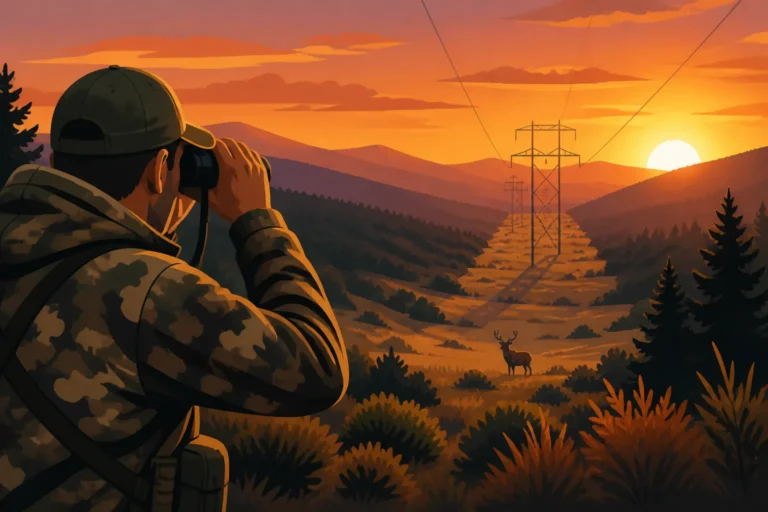
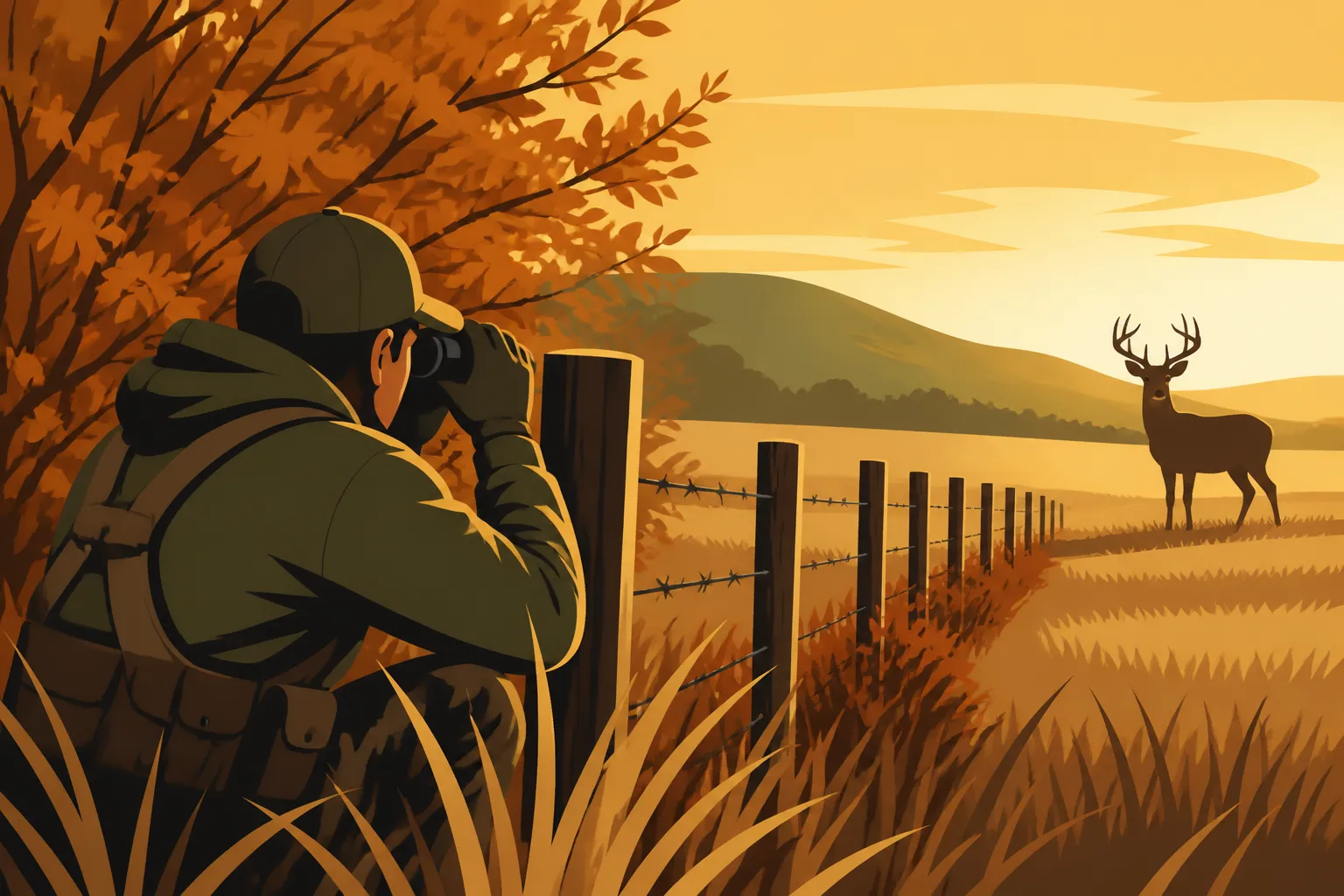
For hunters who prefer a more active approach, still-hunting a fencerow can be incredibly productive. This involves moving slowly, deliberately, and quietly along the edge of the fencerow, using its cover to your advantage. The key is to take one or two steps, then pause, observe, and listen for several minutes before moving again. Use binoculars to thoroughly scan the fencerow's interior and the adjacent field edges.
Focus on moving into the wind or with a crosswind. This minimizes the chance of your scent reaching a deer before you see it. When still-hunting, mimic the slow, cautious movement of a deer itself. Pay attention to every detail: a flicking ear, a patch of unnatural color, a horizontal line in a vertical world. This method is particularly effective in fencerows with varying density, where deer might be bedded just out of sight. It takes patience and discipline, but it can lead to exhilarating close-range encounters.
Understanding Wind and Thermals
Wind and thermals are your biggest allies and your worst enemies when hunting fencerows. They dictate how your scent travels and how deer move. Always hunt with the wind in your favor, especially when setting up an ambush. A consistent breeze blowing from the deer's anticipated travel path towards you is a recipe for disaster.
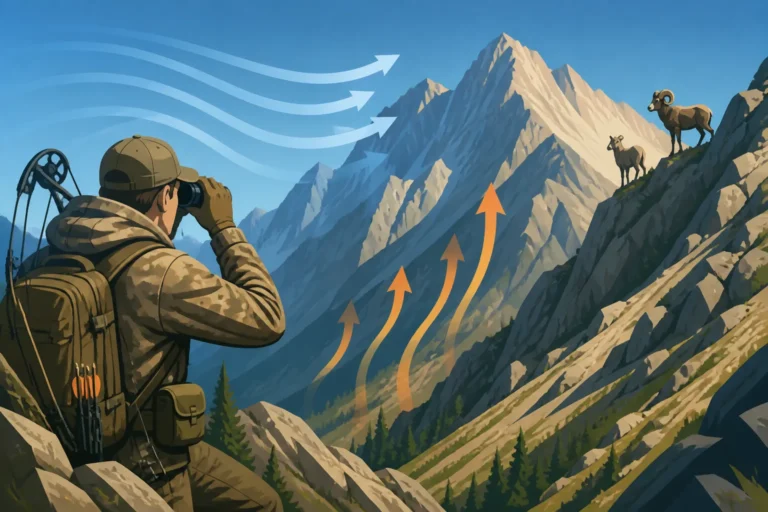
However, fencerows can create tricky wind currents, especially if they run through undulating terrain or along creek bottoms. These linear features can cause wind to swirl unpredictably. Always carry a wind checker (a small squeeze bottle of powder or milkweed down works great) and use it frequently to monitor conditions. In the late season, as temperatures drop, thermals also come into play. In the morning, cold air sinks, pulling scent downhill. In the evening, as the ground cools, air rises, carrying scent uphill. Understanding Wind and Thermals in Steep Sierra Country is absolutely crucial, even in seemingly flat agricultural areas, as subtle elevation changes along a fencerow can significantly influence air movement.
Essential Gear and Tactics for Fencerow Success
To maximize your chances when hunting fencerows, a few specific pieces of gear and refined tactics can make all the difference.
Optics for Close-Quarters Observation
While long-range glassing is vital in open country, fencerows often present more confined, closer-range opportunities. High-quality binoculars are essential for picking apart the dense cover within the fencerow and scanning the immediate field edges for subtle movement. A good 8x or 10x binocular with excellent light-gathering capabilities will serve you well in the dim light of dawn and dusk, which are prime fencerow hunting times.
If you're still-hunting, a compact monocular can also be useful for quick glances. The goal is to see the deer before it sees you, and that often means identifying a small piece of an animal through the brush. Being able to resolve details in low light or dense cover will give you a significant edge.
Scent Control and Stealthy Movement
Deer in the late season are incredibly wary. After months of hunting pressure, they've learned to associate human scent with danger. Therefore, meticulous scent control is paramount. Shower with scent-free soap, wash your hunting clothes in scent-free detergent, and store them in airtight bags. Use a cover scent or an odor eliminator spray on your outer layers. While no system is 100% foolproof, minimizing your scent signature significantly increases your odds.
Beyond scent, stealthy movement is key. When approaching your stand or still-hunting, move slowly and quietly. Avoid snapping twigs or rustling leaves. Consider wearing quiet outer layers that don't make noise as you move. A good pair of boots designed for quiet movement, even in slightly damp conditions, can be a game-changer. Think about investing in Best Boots for Steep Wet-Season Sierra Trails or similar quiet footwear. The less disturbance you create, the more likely you are to encounter a deer unaware of your presence.
Patience and Adaptability
Hunting fencerows, especially in the late season, demands a healthy dose of patience. Deer might not move exactly when or where you expect them to. You might sit for hours without seeing anything, only for a big buck to materialize silently from the brush at the last minute. Resist the urge to move too much or give up too early.
Adaptability is also crucial. If the wind shifts unexpectedly, be prepared to adjust your setup or your hunting strategy. If you're still-hunting and you jump a deer, take note of where it went and how it reacted. That information can help you refine your approach for future hunts. The late season tests a hunter's resolve, but the rewards of outsmarting a wary deer in its secure fencerow haven't just vanished; they've simply made themselves harder to find. It's a puzzle, and the fencerow is a critical piece.
Layering for Varied Late-Season Conditions
California's late season can still throw unexpected weather your way. A cold morning can turn into a surprisingly warm afternoon, only to drop sharply in temperature again at dusk. Proper layering is essential to stay comfortable and focused throughout your hunt. Start with a moisture-wicking base layer, add insulating layers like fleece or down, and top it off with a waterproof and windproof outer shell. Being able to shed or add layers quietly is important.
This flexibility allows you to adapt to changing conditions without overheating or getting chilled, which can quickly ruin a long sit or a slow still-hunt. Remember that staying comfortable helps you stay focused and still, increasing your chances of spotting movement. For those frosty mornings, think about how best to approach Layering for a Cold Sierra Morning.
| Fencerow Characteristic | Late-Season Deer Benefit | Scouting Key | Hunting Strategy |
|---|---|---|---|
| Dense Cover | Security, bedding | Thickest sections, natural screens | Ground blinds, still-hunting |
| Residual Food | Sustenance, browsing | Unharvested edges, browse species | Ambush near feeding areas |
| Windbreak/Shade | Thermal regulation | North/south orientation, dense canopy | Bedding area ambush |
| Connects Habitats | Travel corridor, funnel | Junctions with timber/water | Treestand, ambush pinch points |
| Water Access | Hydration | Low spots, creek proximity | Morning/evening stand near water |
| Low Pressure | Sanctuary | Away from roads, difficult access | Patient still-hunting, deep pushes |
Finding and Getting Permission for Fencerow Hunts
The challenge with prime fencerow habitat is that it's often located on private land, particularly adjacent to agricultural fields. Securing permission is often the biggest hurdle, but it's not impossible.
Scouting Public Land Fencerows
While many prime fencerows are on private agricultural land, don't overlook public land opportunities. National Forests, BLM land, and California Wildlife Areas can also have fencerows, especially where public lands border private property or delineate different management units. These might not be as obvious, but look for transition zones where open areas meet denser timber, or where old homesteads or agricultural fields once existed.
A good mapping app, such as GoHunt's mapping system or similar, is invaluable here. Use it to overlay public and private land boundaries, identify potential fencerows, and look for areas with less obvious access points that might receive less pressure. Sometimes, a long walk into a less-pressured area of public land will reveal excellent, overlooked fencerow hunting opportunities. Remember to always know your boundaries and stick to them. This can be critical when Finding Ground Others Walk Past.
Gaining Private Land Access
Approaching landowners respectfully and well in advance of the season is your best bet for gaining access to those private land fencerows. Many landowners are open to ethical hunters, especially if deer are causing crop damage or if they simply appreciate someone being courteous.
Tips for Success:
- Do your homework: Know who owns the land. A quick search with county assessor maps can often reveal this.
- Approach respectfully: Knock on the door, introduce yourself, and explain your interest. Be polite, clean-cut, and offer to help with chores or even share some game meat if successful.
- Be specific: Clearly state what you want to hunt (deer), where (the fencerow along X field), and when.
- Offer to share: Many landowners might appreciate venison, especially if it helps manage the herd on their property.
- Leave no trace: Always pick up your trash, don't drive off established roads without permission, close gates, and be an exemplary visitor.
- Follow up: If you get permission, thank them after the hunt, whether you're successful or not. A small gift or card goes a long way.
Remember, building a relationship with a landowner takes time and trust. A fencerow hunt on private land can be incredibly rewarding, but it all starts with courtesy and respect for property.
Final Thoughts on Late-Season Fencerows
The late season in California, with its cooler temperatures and often sparser cover, can be incredibly challenging for deer hunters. But it's precisely these conditions that make fencerows such extraordinary hunting spots. They become the deer's secret highways, their secure bedding spots, and their reliable sources of overlooked food. By understanding why deer use them, how to read their signs, and employing smart, patient hunting tactics, you can turn those tough late-season days into memorable successes. So grab your gear, pay close attention to the details, and go decode those fencerows – your next late-season buck might just be waiting there.
Disclaimer
Hunting in California is subject to strict regulations and seasons set by the California Department of Fish and Wildlife (CDFW). Always consult the most current CDFW hunting regulations booklet for specific season dates, legal weapons, tag requirements, and any other rules before heading afield. Ensure you possess all necessary licenses and tags, including a valid California hunting license and deer tag. Remember that California's Non-Lead Ammunition Requirement applies statewide for all hunting with firearms. Ethical hunting practices and hunter safety are paramount.