Bowhunting California’s Zone A Season
The frustration is real when you're trying to navigate the complexities of hunting California, especially for something as specific and rewarding as bowhunting during the early Zone A season. It’s not just about drawing a tag; it's about understanding the unique challenges of hot weather, elusive blacktails, and dense habitat. This comprehensive guide is here to break down everything you need to know about bowhunting California's Zone A season, from understanding the terrain and the deer to essential gear and effective strategies, ensuring you’re well-prepared for success.
Demystifying California's Zone A Archery Season
Stepping into California's Zone A for archery season means embracing a distinct set of conditions that can test even the most seasoned bowhunter. This isn't your typical crisp, autumn deer hunt. We're talking about early summer and late summer, often under a relentless California sun. Knowing what you're up against is half the battle won, and it helps manage expectations for what can be a truly humbling, yet incredibly rewarding, experience.
Understanding the Zone A Landscape and Timing
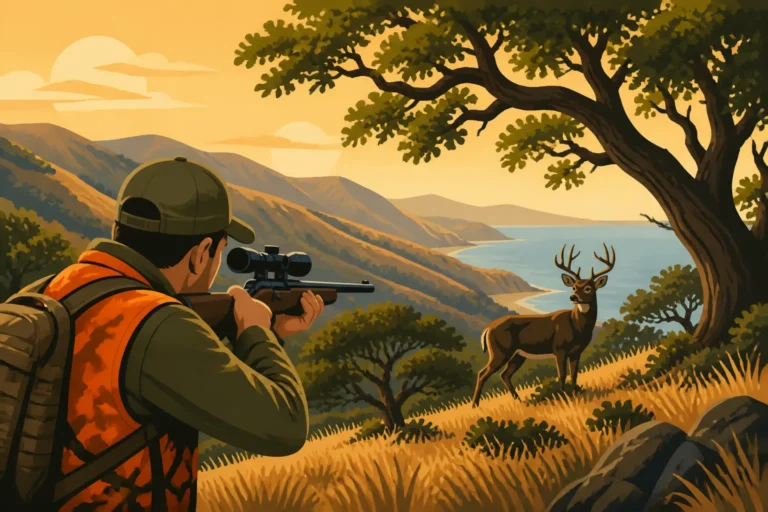
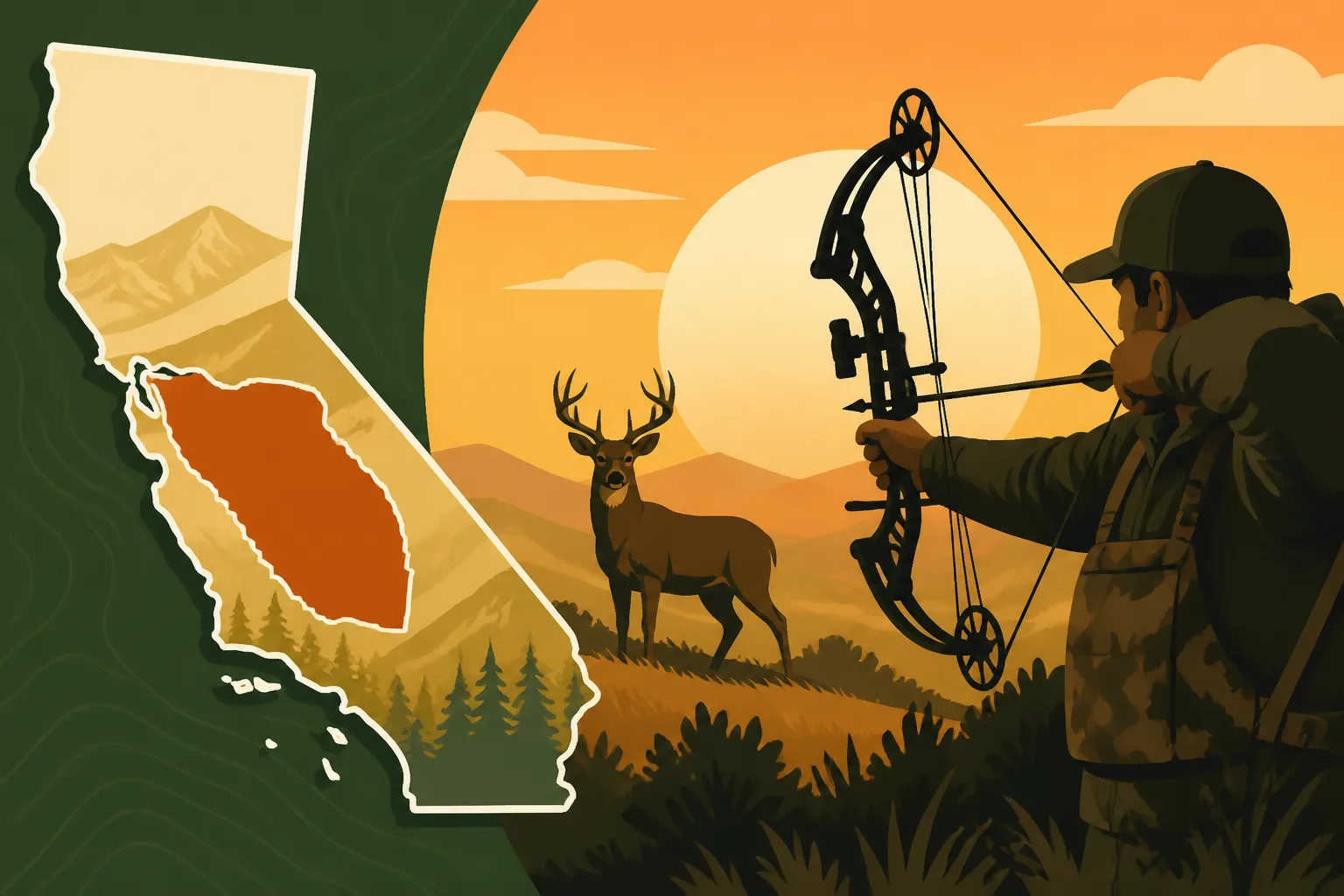
California's Zone A is a massive area, encompassing much of the state's coastal region, stretching from portions of Humboldt County down to Santa Barbara and Ventura counties, and even touching the western edges of the Central Valley and parts of the Sierra Nevada foothills. This broad geographic coverage means diverse habitats, from the rugged, chaparral-covered hills of the Coast Range to the sprawling oak woodlands and riparian zones. You might find yourself still-hunting through dense brush one day and glassing open hillsides dotted with scattered oaks the next. The common thread, however, is the early season timing, with the archery opener typically falling in mid-July and running through mid-August. This timing dictates almost every aspect of the hunt, from deer behavior to your personal endurance.
The early opener often coincides with peak summer temperatures, which is a major factor to contend with. We're talking about daytime highs that can easily soar into the 90s or even triple digits in some areas. This heat profoundly influences deer movement, pushing them to seek shade during daylight hours and restricting their activity largely to the cooler periods of dawn and dusk, or even deep into the night. It's a grind for the hunter too, demanding constant hydration and strategic planning to avoid overheating. This early season also means that many bucks are still in velvet, making them a little less "trophy-ready" for some hunters, but no less a challenge to pursue with archery gear. You really need to understand the nuances of California Zone A Season Dates to plan your hunt effectively.
The Elusive California Blacktail Deer
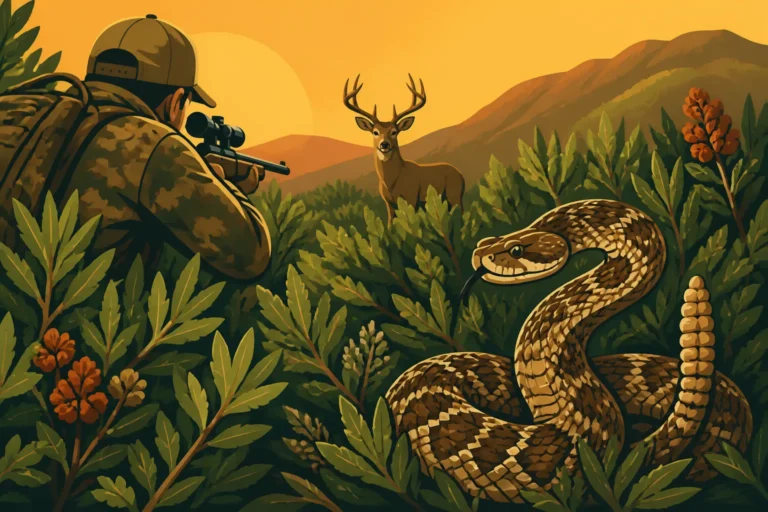
The primary quarry in Zone A is the Columbia blacktail deer, a subspecies known for its wariness and preference for dense cover. Blacktails are generally smaller than their mule deer cousins found in other parts of California, both in body size and antler mass, but don't let that fool you. They are incredibly tough animals and masterful at disappearing into thick brush right before your eyes. Their coat is typically dark brown to reddish-brown, often with a darker line down the back. Their tail is entirely black or dark brown on top, which is a key identifying feature, especially compared to the mule deer's rope-like tail with a black tip.
Blacktails are masters of their environment. In Zone A, they live in areas where cover is king, relying on it for security from predators and relief from the summer sun. You'll often find them tucked away in the thickest pockets of chaparral, in dense oak canyons, or along brushy creek bottoms. They are creatures of habit but can be incredibly hard to pattern precisely due to their nocturnal tendencies during the hotter months and their ability to move silently through dense vegetation. Understanding Columbia Blacktail and Mule Deer in California is crucial for effective hunting. You're not looking for a big open-country mule deer; you're often looking for a ghost in the shadows. This makes bowhunting them an even more intense chess match.
The Heat is On: Early Season Challenges
Let's be blunt: bowhunting Zone A in July and August is hard. It's physically demanding, mentally taxing, and can sometimes feel downright brutal. The relentless heat isn't just uncomfortable; it's a genuine safety concern. Dehydration is a constant threat, and heat exhaustion or stroke can quickly turn a hunt dangerous. This isn't an exaggeration; hunters routinely underestimate the physical toll. You'll sweat through clothes before the sun is fully up, and every uphill climb feels like scaling a mountain.
Beyond hunter safety, the heat severely impacts deer behavior. Their activity peaks at twilight and predawn hours, and they spend the vast majority of the day bedded down in the deepest, coolest cover they can find. This makes midday hunting almost pointless and necessitates extremely early starts and late finishes, compressing your effective hunting windows significantly. Furthermore, the heat presents significant challenges for meat care. A downed deer in 90-degree weather can spoil rapidly if not processed and cooled almost immediately. This adds immense pressure to an already high-stress situation, turning a successful harvest into a race against the clock. It's a genuine frustration, knowing that all your hard work can be undone if you don't act fast.
Pre-Season Preparation and Scouting for Bowhunters
Success in Zone A bowhunting doesn't start with the season opener; it starts months, sometimes even a year, beforehand. With the early season heat and the blacktail's wary nature, being thoroughly prepared and having a solid understanding of your hunting grounds is absolutely paramount. You simply cannot show up on opening day hoping to "figure it out."
Digital Scouting and E-Scouting Tools
Before you ever set foot in the field, the modern hunter has an incredible advantage with digital scouting tools. Platforms like Google Earth, Gaia GPS, and specialized hunting apps such as GoHunt can be invaluable. Start by identifying the general area you plan to hunt within Zone A. Look for public land access points, as much of Zone A is private, but significant tracts of national forest and BLM land exist. Once you've zoomed in, your focus should be on key deer attractants and travel patterns, especially during the hot, early season.
Prioritize finding water sources: natural springs, seeps, stock tanks, perennial creeks, or even subtle drainage areas that might hold moisture longer. These spots are deer magnets when temperatures soar. Next, identify bedding areas – these will be thick, north-facing slopes or canyon bottoms with dense cover that provide maximum shade and security. Connect these bedding areas to water sources and potential feeding grounds (oak flats with acorns later in the year, or riparian areas with browse) by looking for natural funnels, saddles, and subtle game trails visible from above. Pay close attention to topography, understanding how elevation changes will impact thermals and wind patterns later on. The detailed satellite imagery on platforms like GoHunt can reveal subtle terrain features and vegetation changes that are almost impossible to discern from the ground, giving you a huge head start.
Boots-on-the-Ground Reconnaissance
As fantastic as e-scouting is, it's never a substitute for getting your boots on the ground. Physical scouting trips, ideally several weeks or even months before the season, are crucial. This allows you to verify what you saw on the map, and more importantly, find the subtle details that digital tools can miss. Look for fresh deer sign: tracks near water holes or dusty trails, fresh scat, and worn game trails leading to and from bedding areas. Early season rubs are less common, but you might find some from the previous year.
During your scouting trips, focus on understanding the daily deer patterns. Where are they entering and exiting bedding areas? Which water sources are actively being used? Pay very close attention to wind and thermals. In steep country, thermals can be a killer for bowhunters, often rising in the morning and falling in the evening, sometimes swirling unpredictably in canyons. Understanding these micro-climates is vital for setting up an ambush. Practice silent walking through the specific vegetation type you'll encounter. Getting a feel for how noisy or quiet the dry leaves and chaparral can be will help you adjust your still-hunting approach. For more detailed guidance, checking out articles on Scouting California Public Land Before Season is always a good idea.
Physical Conditioning and Mental Toughness
Zone A bowhunting demands a high level of physical fitness. The steep, often broken terrain combined with the extreme heat is a brutal test of endurance. You'll be doing a lot of hiking, often uphill, sometimes with a heavy pack if you’re successful. Start your physical conditioning early. Incorporate hiking with a loaded backpack, mimicking the weight of your hunting gear plus a potential deer quarter. Focus on cardiovascular fitness and leg strength. Hydration is key, so practice drinking plenty of water during your workouts. Heat acclimatization is also important; if possible, train during the hotter parts of the day to get your body used to performing in the heat.
Beyond the physical, mental toughness is equally critical. You'll face frustrating days with little to no deer movement, endless bugs, and the relentless sun. The ability to stay positive, remain focused, and adapt your strategy when things aren't going your way is paramount. Blacktails are masters of evasion; it often takes multiple encounters and failed attempts to finally get an opportunity. Cultivate patience, celebrate the small victories of finding fresh sign or executing a quiet stalk, and remember that the journey itself is part of the reward. Without a strong mental game, the physical demands can quickly overwhelm you.
Essential Gear for Zone A Bowhunting
Your gear choices can make or break your Zone A bowhunting experience. From your primary weapon to the clothes on your back, everything needs to be chosen with the specific challenges of hot weather, thick cover, and ethical harvesting in mind. Don't skimp on the details; reliable equipment is an investment in your success and safety.
Archery Setup: Bow, Arrows, and Broadheads
Your bow is, of course, the heart of your archery setup. Ensure it's properly tuned and sighted in well before the season. Practice shooting at various distances and angles, including uphill and downhill, as you'll encounter all of these scenarios in Zone A's varied terrain. Consistent arrow flight is non-negotiable. For arrows, focus on a combination of speed and kinetic energy. A slightly heavier arrow can improve penetration, which is vital for blacktails known for their thick hides and tendency to disappear into heavy cover after a hit.
When it comes to broadheads, California has a statewide non-lead ammunition requirement, which extends to broadheads. This means no lead components are allowed. You'll need to choose a reliable, durable fixed-blade or mechanical broadhead designed for excellent penetration. Fixed-blade broadheads are often favored by many for their simplicity, strength, and consistent flight through brush. However, modern mechanicals that are robust and designed for deep penetration can also be highly effective. The key is to choose a broadhead that you trust, that flies true from your bow, and that will withstand impact with bone to deliver a clean, ethical kill. Researching the "Best Broadhead for California Blacktail" will give you a good starting point, but ultimately, testing them with your own setup is crucial.
Optics and Navigational Aids
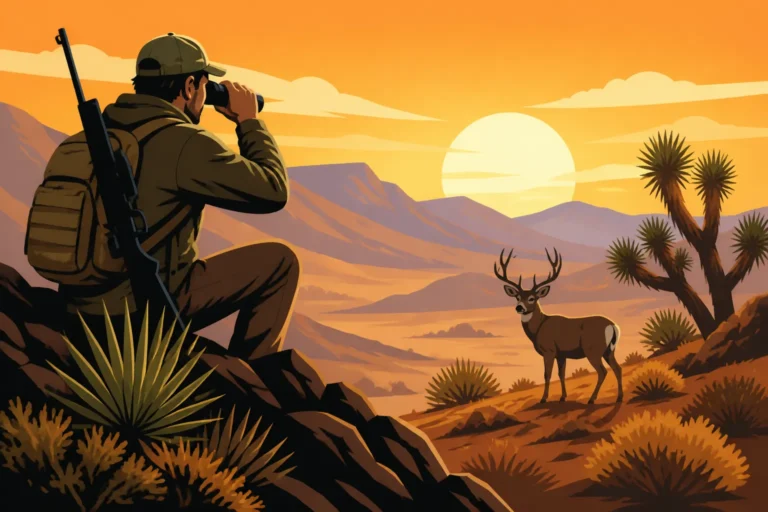
In Zone A, good optics are your eyes in the dense cover. While glassing vast open country might be less common, binoculars are essential for picking apart thick brush, identifying subtle deer movement, or confirming a legal buck. A quality 8x or 10x binocular is usually sufficient. Remember to use them frequently, scanning every shadow and patch of cover. A good rangefinder is absolutely non-negotiable for bowhunting. Knowing the precise distance to your target is critical for accurate shot placement, especially when shooting through lanes in brush or from an elevated position. Practice ranging objects quickly and quietly.
For navigation, a reliable GPS device or a robust mapping app on your smartphone, like those offered by GoHunt or onX Hunt, is an absolute must-have. These tools allow you to pinpoint your location, mark waypoints (fresh sign, water sources, potential stand locations), track your movement, and most importantly, stay aware of property lines, especially when hunting close to private land. Always download offline maps before heading into the field, as cell service can be spotty or nonexistent in many remote Zone A areas. Having an offline map app is vital for safely navigating unfamiliar territory, especially in the dark during those early morning or late evening treks.
Clothing, Hydration, and Field Essentials
Given the hot early season, your clothing choices are paramount for comfort and safety. Think lightweight, breathable, moisture-wicking layers. Synthetic fabrics or merino wool are excellent choices that dry quickly and help regulate body temperature. Avoid heavy cotton. While "camo" patterns are useful for blending in, the primary goal is to break up your silhouette, so focus on earthy tones that match the local vegetation. Remember that even though days are hot, mornings and evenings can be cool at higher elevations, so a light jacket or vest that can be easily shed is a good idea. For more tips on how to prepare for temperature shifts, check out Layering for Hot-to-Cold Zone A Archery Days.
Hydration cannot be stressed enough. Carry a large capacity hydration bladder in your pack, supplemented by water bottles, and consider a portable water filter for extended trips or emergency use. You'll need significantly more water than you think. Other field essentials include a compact first-aid kit, a headlamp with spare batteries, fire starting materials, a small emergency shelter (like a space blanket or tarp), and a sharp knife. For successful harvests, high-quality game bags are crucial for protecting meat from flies and dirt, allowing it to cool. Lastly, a sturdy pack capable of comfortably hauling out meat is non-negotiable. Consider a pack with an external frame for heavier loads, especially if you anticipate getting a deer deep in a canyon.
Effective Strategies for Bowhunting Blacktails in Zone A
Hunting California blacktails with a bow during Zone A season is a game of patience, stealth, and adapting to the unique behaviors of deer trying to beat the heat. It’s not about covering miles; it’s about strategically placing yourself where a shot opportunity might arise, often focusing on the most critical resources for deer in summer.
Targeting Water Sources and Bedding Areas
During the scorching early season, water is the lifeblood for all wildlife, and deer are no exception. Blacktails will be drawn to any reliable water source in the mornings and evenings. Focus your scouting and hunting efforts on natural springs, seeps, stock tanks, and the cool, damp banks of perennial streams or rivers. Setting up an ambush point downwind of these water sources, especially at first light or last light, can be incredibly productive. Deer often approach water cautiously, so finding a hidden spot with good cover and clear shooting lanes is crucial. They won't linger long, so your shot opportunity might be fleeting.
Beyond water, locating their preferred bedding areas is equally important. These will typically be in the thickest, shadiest pockets of chaparral or oak woodlands, often on north-facing slopes or in deep canyon bottoms where the temperature is several degrees cooler. Deer will enter these areas to bed down after their morning feed and won't typically move again until late afternoon. Your strategy might involve still-hunting extremely slowly and quietly through the fringes of these bedding areas during the midday heat, hoping to catch a bedded buck. Understanding how deer move between these critical resources – water, food, and bed – will dictate your approach. Look for worn trails connecting these points; these are your highways for potential encounters.
Still-Hunting and Stand Placement in Oak Woodlands
Still-hunting is perhaps the most effective method for bowhunting blacktails in the dense oak woodlands and brushy terrain of Zone A. This isn't a fast walk through the woods; it's an incredibly slow, deliberate process, often taking an hour to cover a hundred yards. You're moving at a snail's pace, taking one or two steps, then pausing for several minutes to intently glass every shadow, every flicker of movement, and listen for the tell-tale crunch of a hoof on dry leaves. Use your binoculars constantly to pick apart the cover ahead. Move into the wind, always, and utilize the topography to conceal your movement. Ridges, creek beds, and thick vegetation can all provide cover for your advance.
For those considering a more static approach, strategic stand placement can be effective, though challenging in areas with sparse trees suitable for tree stands. Look for natural pinch points, saddles, or intersections of game trails between bedding and feeding/watering areas. A well-brushed-in ground blind can also be highly effective, especially if placed overlooking a water source or a well-used trail. When selecting a stand or blind location, always consider the prevailing wind and thermal patterns. In steep country, thermals often rise in the morning and fall in the evening. Setting up on a ridgetop saddle at first light might give you an advantage as thermals start to rise, carrying your scent away. Conversely, an evening setup lower in a canyon might work as thermals drop. Knowledge of Hunting Coastal Range Oak Woodlands is indispensable here.
Calling and Decoying: Limited but Possible Tactics
Compared to whitetails or even mule deer in certain regions, California blacktails are generally less responsive to calling, especially during the early archery season. The rut, where bucks become more vocal and aggressive, is still a ways off. However, that doesn't mean calling is entirely useless. Subtle grunts or fawn bleats can occasionally pique a blacktail's curiosity, particularly if they are already in the vicinity and you're trying to stop them for a shot. The key is subtlety and realism; avoid aggressive calling that might spook a wary buck.
Rattling during Zone A is generally not recommended, as bucks are typically not in a fighting mood or actively seeking does. Decoying is also very situational due to the dense cover. A decoy needs to be highly visible to be effective, which is rare in much of Zone A. However, if you find yourself hunting a more open patch of oak woodland or a field edge, a small, collapsible doe decoy might draw in a curious buck, especially if combined with soft calls. The most critical aspect of any calling or decoying attempt in thick country is absolute scent control and flawless concealment. Any slight give-away will send these wary deer packing. Focus on realism and don't expect miracles, but have these tools in your kit for those rare, perfect scenarios.
Field Care, Recovery, and Ethical Considerations
Making a clean shot is only part of the hunt. In the challenging conditions of Zone A, proper field care and recovery are just as critical, ensuring an ethical harvest and preserving the quality of your hard-earned venison. The heat adds a significant layer of urgency to every step.
Tracking and Recovery in Challenging Terrain
After releasing an arrow, the absolute hardest thing to do is wait. But wait you must, especially with archery equipment and in thick cover. A general rule of thumb is to wait at least 30 minutes for a suspected heart or lung shot, and much longer (4-6 hours, or even overnight) for a suspected liver or gut shot. This allows the deer to lie down and expire, preventing it from running for miles and making recovery nearly impossible. In hot weather, however, balancing the need to wait with the imperative to cool the meat rapidly is a tough call. Assess the shot placement carefully. If it's a clear pass-through on the vitals, a shorter wait might be acceptable, but never rush.
Once you begin tracking, approach the last known location slowly and cautiously. Look for your arrow first – its condition can tell you a lot about the hit. Then, start looking for blood, tracks, and disturbed vegetation. Blacktail blood trails can often be sparse, especially in thick brush or on dry ground. Mark the last spot of blood every time you find it, and don't push too fast. Grid search areas if the trail disappears. Glow sticks can be invaluable for tracking after dark. If you lose the trail, back out, reassess, and bring in more help if possible. Recovering a deer from a steep canyon or dense chaparral can be incredibly difficult work, requiring patience and perseverance. Do not give up until every reasonable effort has been made.
Preserving Meat in Hot Conditions
This is perhaps the most critical post-shot challenge in Zone A. A deer left in direct sunlight for even a short time in 80-90+ degree weather can begin to spoil rapidly. The moment you recover the animal, the clock starts ticking. The first step is immediate field dressing to remove the internal organs and allow the body cavity to begin cooling. For bowhunters, who are often in more remote areas, quartering the animal is usually the next logical step. Break the deer down into manageable pieces – usually four quarters, backstraps, and tenderloins – to reduce heat in the meat.
Get the meat into breathable game bags immediately. This protects it from flies and dirt while allowing air circulation. Never use plastic bags, which will trap heat and accelerate spoilage. Get the meat out of direct sunlight and off the ground as quickly as possible. If you’re deep in the backcountry, hanging the meat in a shady spot, even for a few hours, can make a difference. The goal is to cool it down as fast as possible. Once at your vehicle, transfer the game bags into high-quality coolers packed with ice. Keep the meat from sitting directly in meltwater by using grates or dry ice on the bottom. The effort of "Field Dressing a Deer in Hot Weather" is intense, but essential for salvaging your venison.
Respecting the Resource and Other Hunters
Ethical bowhunting goes beyond the shot and recovery; it encompasses your entire behavior in the field. Always adhere to fair chase principles, ensuring you are giving the animal a reasonable chance. This means no shooting at running deer, taking only ethical shots within your effective range, and making every effort to recover any animal you hit. Leave no trace of your hunt behind – pack out all trash, spent broadheads, and any other items you bring in. Scatter gut piles away from trails and water sources, or pack out if regulations require.
When hunting on public land, which is common in Zone A, be respectful of other hunters. Give them space, avoid walking through their setups, and use common courtesy. Acknowledge that everyone is out there to enjoy the experience, and a little thoughtfulness goes a long way. The privilege of hunting in California is a precious one, and every hunter has a responsibility to uphold a positive image of our sport. By acting ethically and responsibly, we help ensure these opportunities continue for future generations.
Navigating Regulations and Post-Hunt Reporting
California has some of the most comprehensive and frequently updated hunting regulations in the nation. As a bowhunter in Zone A, it's not enough to just know the season dates; you need to understand the nuances of licenses, tags, and mandatory reporting. Non-compliance isn't just a minor infraction; it can lead to hefty fines and loss of hunting privileges.
License, Tag, and Non-Lead Ammunition Requirements
Before you even think about stepping into the field, you must possess a valid California hunting license. On top of that, you need a deer tag specific to Zone A. These can be purchased online through the California Department of Fish and Wildlife (CDFW) Automated License Data System (ALDS) or at authorized license agents. Make sure your tag is correctly filled out and immediately attached to your harvested deer in the field, as required by law. Understanding California Hunting Licenses and What They Cost is the first step in legal hunting.
Perhaps the most significant regulation for California hunters, including bowhunters, is the statewide non-lead ammunition requirement. This law mandates that all projectiles used for hunting any game species anywhere in California must be lead-free. For bowhunters, this means your broadheads must be constructed entirely of non-lead materials. While most modern broadheads are already lead-free, it's your responsibility to verify. This regulation is largely in place to protect California condors and other scavenging wildlife from ingesting lead fragments. Ensure you fully understand California's Non-Lead Ammunition Requirement to avoid any costly mistakes. There are no exemptions for archery equipment.
The Importance of Reporting Your Harvest
California has a mandatory deer reporting system, and it's something many hunters unfortunately overlook or forget about. Whether you are successful in harvesting a deer or not, you are required to report the outcome of your deer tag. This is not optional. Successful hunters must report their harvest within 30 days of taking the deer or by January 31st of the next year, whichever comes first. Unsuccessful hunters must report by January 31st.
Reporting your harvest (or lack thereof) is crucial for wildlife management. The data collected from hunter reports provides the CDFW with vital information on deer populations, harvest rates, buck-to-doe ratios, and overall herd health. This information directly impacts future season structures, tag allocations, and management decisions that affect all hunters. You can report your deer online through the ALDS portal, via the CDFW mobile app, or by mail. Make sure you understand California Deer Reporting Requirements and fulfill this obligation promptly. It’s part of being a responsible hunter.
Staying Informed on Zone-Specific Rules
While this guide covers general Zone A regulations, it's imperative that you, as the hunter, stay informed about any specific rule changes or localized restrictions that may arise. The CDFW regulations are updated annually, and sometimes emergency closures or special rules are implemented during the season due to wildfire, drought, or other environmental factors. Before every hunt, especially if you're venturing into a new area or a specific wildlife area, check the latest CDFW regulation booklet and their website.
Some specific public lands within Zone A, such as certain national forests or wildlife areas, may have additional rules regarding vehicle access, camping, or even specific hunting methods. For instance, some areas may have specific rules about Using a Ground Blind on BLM Land or other methods. Using tools like GoHunt to check for area-specific regulations and notices can be incredibly helpful. It's your responsibility to be aware of and comply with all current laws. Ignorance of the law is not an excuse, and a violation can quickly ruin your hunt and potentially lead to legal trouble.
| Factor | Typical Zone A Archery Conditions | Impact on Hunter/Gear | Recommended Gear/Strategy |
|---|---|---|---|
| Temperature | Hot (70s-100s°F) day, warm nights | Dehydration, rapid meat spoilage, low deer activity | Hydration pack, lightweight layers, rapid field care, hunt mornings/evenings |
| Terrain | Steep, brushy, oak woodlands | Tough hiking, limited visibility, difficult tracking | Sturdy boots, durable camo, rangefinder, patience, still-hunting |
| Vegetation | Thick chaparral, dense oaks | Obscured sightlines, noisy movement, deer feel secure | Patience, slow movement, silent clothing, tree stands/ground blinds |
| Deer Activity | Nocturnal, water-dependent | Hard to pattern, concentrated near water | Focus on water sources, early/late light, e-scouting, trail cameras (where legal) |
| Pressure | Can be high, especially on public land | Deer become warier, move deeper into cover | Hunt remote areas, hike further, use topography to your advantage |
Cultivating the Right Mindset for Zone A Bowhunting
Bowhunting California's Zone A season is not for the faint of heart. It demands more than just physical prowess and technical skill; it requires a deep well of patience, persistence, and a healthy dose of realistic expectation. Embracing the challenge and focusing on the broader experience will undoubtedly lead to a more fulfilling journey, regardless of whether you punch your tag.
Patience, Persistence, and Adaptability
Let's be clear: bowhunting Zone A is tough. Success rates are generally lower than rifle seasons, and the conditions are often brutal. You will have days where you don't see a single deer, or where a buck slips away before you can even draw your bow. This is where patience becomes your greatest virtue. Don't get discouraged by slow starts or unsuccessful stalks. Every outing is a learning opportunity. Pay attention to how the deer react to your presence, the wind, and the terrain.
Persistence means sticking with your plan, even when it feels like nothing is working, and then having the grit to adapt when conditions change. A sudden shift in wind, a new water source, or increased hunting pressure can completely alter deer movement. Be flexible. If your morning spot isn't producing, don't just sit there for hours out of stubbornness; be willing to try a new approach, scout a different area, or adjust your timing. The most successful hunters are those who are constantly observing, learning, and fine-tuning their strategies based on real-time feedback from the field.
Enjoying the Journey Beyond the Harvest
While the ultimate goal is, of course, to harvest a deer, if your entire focus is solely on punching a tag, Zone A bowhunting can quickly become a source of immense frustration. It's crucial to find joy in the process itself. Appreciate the stunning beauty of California's diverse landscapes in the pre-dawn light, the quiet solitude of the backcountry, and the intense connection to nature that hunting provides. Feel the physical challenge of climbing a steep ridge and the satisfaction of moving silently through dense cover.
Celebrate the small victories: finding fresh sign, executing a perfect stalk that almost came together, or simply observing a blacktail in its natural habitat. These moments are often just as memorable and rewarding as the harvest itself. Many veteran hunters will tell you that the true value of a hunt lies not just in the meat or the antlers, but in the memories made, the lessons learned, and the skills honed. Embrace the challenge, enjoy the struggle, and the success, when it comes, will feel even more earned.
Continuous Learning and Skill Development
The best bowhunters are lifelong learners. They are constantly striving to improve their skills, expand their knowledge, and refine their techniques. This means year-round commitment. Practice your shooting regularly, not just on a flat range, but from elevated positions, kneeling, or in awkward stances that mimic real-world hunting scenarios. Work on your breath control and holding steady under pressure. Tune your bow obsessively to ensure perfect arrow flight.
Beyond shooting, dedicate time to improving your woodsmanship. Learn to read sign better, understand animal behavior, and predict movement patterns. Improve your navigational skills using maps and GPS. Read hunting books, watch educational videos, and, most importantly, talk to experienced Zone A hunters. Learn from their successes and their failures. Every season, there's a new lesson to be learned, a new technique to master, or a piece of gear to optimize. Approaching Zone A bowhunting with this mindset of continuous improvement will not only increase your chances of success but will also make you a more capable and well-rounded outdoors person. If you're looking to explore more specific hunting techniques, articles like Hunting the Zone C August-September Archery Window or Rattling and Grunting California Blacktail Bucks can offer valuable insights.
Disclaimer
Always consult the official California Department of Fish and Wildlife (CDFW) regulations for the most current and accurate hunting laws and season dates. The information provided here is for general guidance only and should not be considered a substitute for official regulations. Be aware of and adhere to all local, state, and federal laws.