Columbia Blacktail and Mule Deer in California
When you dream of deer hunting in California, you're often picturing one of two distinct animals, and sometimes, a fascinating blend of both. It can be incredibly confusing for new hunters, and even seasoned veterans sometimes scratch their heads trying to discern if they're looking at a true Columbia blacktail or a western mule deer, especially in those tricky transition zones. The truth is, California offers a unique mosaic of deer hunting experiences, each dictated by the specific subspecies you're pursuing and the challenging, diverse landscapes they call home. This guide aims to clear up that confusion, diving deep into the characteristics, habitats, and hunting strategies for both Columbia blacktail and mule deer across our magnificent state.
The Distinct World of California Deer: Blacktails and Mule Deer Explained
California is a vast state, and its deer populations are as varied as its landscapes. From the dense coastal chaparral to the arid high desert and the rugged Sierra peaks, you’ll find different deer adapted to their unique environments. The two primary deer species you'll encounter as a hunter are the Columbia blacktail (a subspecies of mule deer, Odocoileus hemionus columbianus) and the California mule deer (another subspecies, often Odocoileus hemionus californicus or other hemionus subspecies depending on the region). While they share a common ancestor, their behaviors, appearance, and preferred habitats have diverged significantly, creating distinct hunting challenges and rewards. Understanding these differences is the first step to becoming a more effective and successful deer hunter here.
Unraveling the Identity Crisis: Distinguishing Features
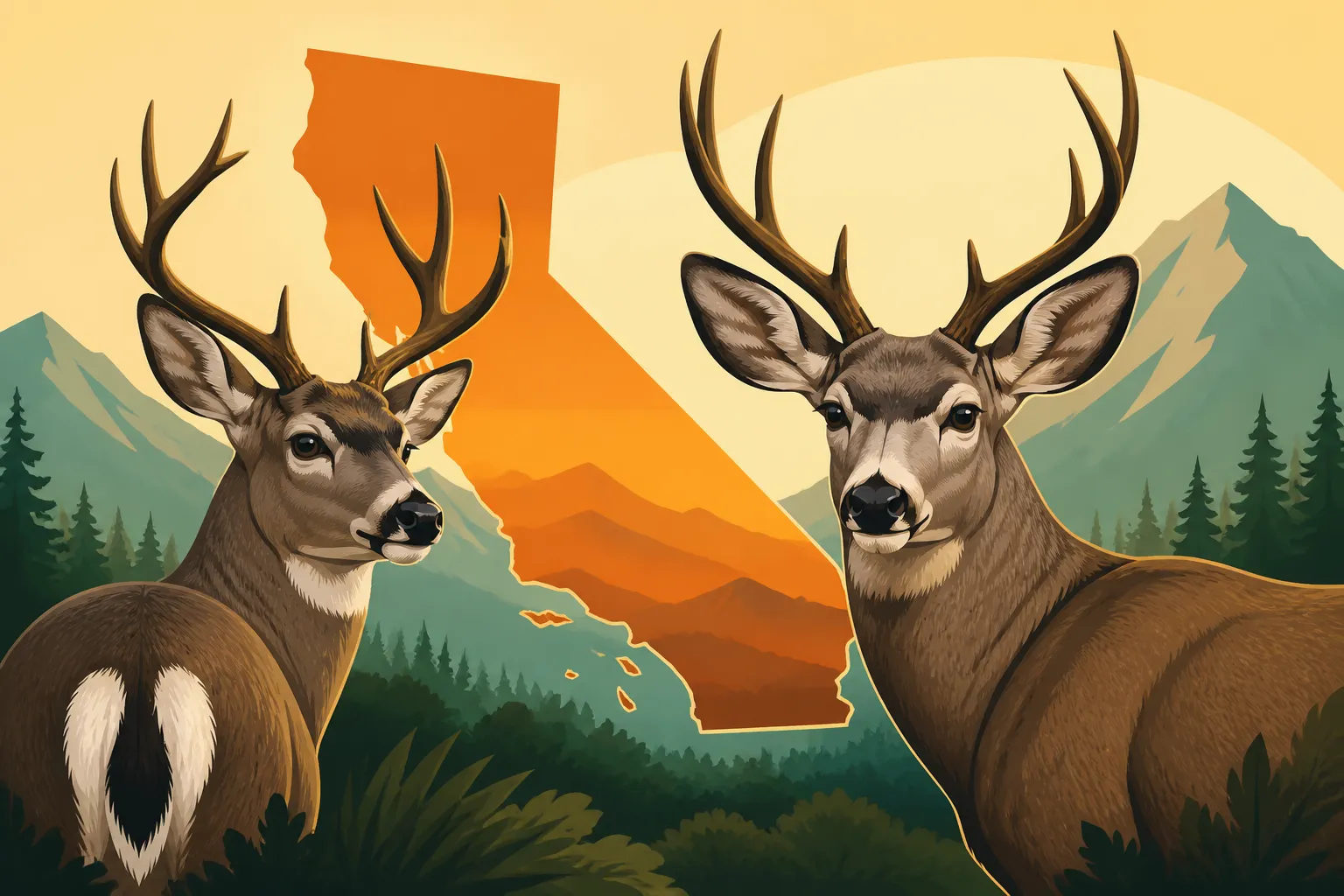
At first glance, especially from a distance, it can be tough to tell a blacktail from a mule deer. They both have large ears, which gives the "mule" part of their name, and their overall body shape can be quite similar. However, a closer look reveals several key distinctions that, once you learn them, become invaluable in the field. The most obvious differences lie in their tails, antlers, and coloration. Blacktails, as their name suggests, typically have a broader tail that is almost entirely black or dark brown on top, with a pure white underside, and it's usually held down when they run, or only slightly flared. Mule deer, on the other hand, sport a narrower, rope-like tail that is usually white with a black tip, and they often hold it up like a flag when they bolt. This tail difference is probably the most consistent and easiest way to tell them apart, even in a quick glimpse.
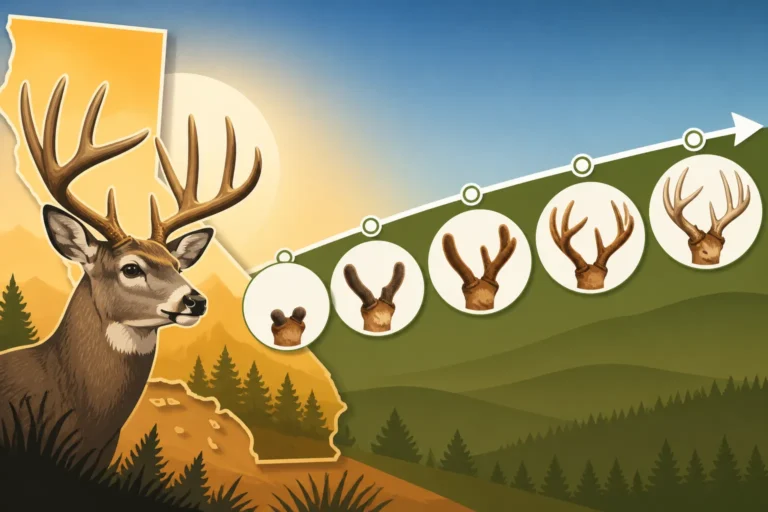
Beyond the tail, their antlers offer another set of clues. Mule deer antlers tend to "fork" or "dichotomously branch," meaning each main beam splits into two tines, and each of those splits again. This creates a classic deep-forked appearance, often with four distinct points on each side (a "four-by-four"). Blacktail antlers, while they can certainly fork, often have more of a main beam with tines coming off it, more akin to a whitetail deer, though still typically branching. Sometimes a blacktail will have a main beam with small "dog-tines" or a more complex, less symmetrical branching pattern. Their coloration is also subtly different. Blacktails generally have a darker, richer reddish-brown coat, especially during the summer, which can appear almost black in the dense timber they frequent. Mule deer, especially those in more open or arid environments, often have a lighter, grayer coat, particularly noticeable in winter. Their facial markings can also vary, with mule deer often having more prominent white patches around the eyes and muzzle, while blacktails tend to be darker faced.
Geographic Tapestry: Where Each Species Reigns Supreme
California’s diverse geography has naturally segregated these deer, leading them to inhabit specific regions where they thrive. The Columbia blacktail deer is primarily a denizen of the state’s western and northern regions. You’ll find them along the coast, from the Oregon border down through the redwood forests, coastal ranges, and the oak woodlands of the Central Coast. Their range extends eastward into the western slopes of the Sierra Nevada foothills, encompassing much of what is known as Zone A, and then into Zones B, C, and even some of the D-zones in the central part of the state. These deer are adapted to denser cover, often living in areas with heavy brush, timber, and rugged terrain. They prefer the mild, moist climate found in these regions, making them a true icon of California's green, hilly landscapes.
In stark contrast, the California mule deer rules the roost in the eastern and southern parts of the state. Their stronghold includes the vast expanses of the Sierra Nevada mountains, particularly the eastern slopes, the high deserts of the Mojave and Great Basin regions, and the more open, arid mountains of Southern California. These are the deer you'll find in the X-zones and many of the D-zones further inland. Mule deer are built for wide-open spaces, steep, rocky terrain, and climates that experience more extreme temperature swings, from hot summers to snowy winters. Their lighter coloration provides better camouflage in these environments, and their long legs are perfectly suited for covering vast distances and navigating precipitous slopes. Understanding Which Zone Covers Your California County is crucial for identifying which deer species you'll likely encounter.
Columbia Blacktail: Ghost of the Coastal and Inland Forests
Hunting Columbia blacktail deer is a quintessential California experience, but it's not for the faint of heart. These deer are notoriously elusive, often referred to as "ghosts" of the timber and brush. They thrive in dense cover, making them a formidable challenge for even the most experienced hunters. Their habitat choices dictate a completely different hunting approach compared to their mule deer cousins, requiring stealth, patience, and an intimate understanding of their preferred haunts.
Habitat Preferences and Regional Strongholds
Columbia blacktail deer are masters of concealment. They prefer areas with a mix of dense brush, thick timber, and varied topography, which provides both cover from predators and ample forage. You'll find them in the coastal redwood forests of Humboldt and Mendocino counties, the oak woodlands of the Central Coast like those in Monterey and San Luis Obispo counties, and the chaparral-covered hillsides that blanket much of Zone A and Zone C. Think about the deep canyons and brushy ridges of the Los Padres National Forest or the thick, rain-soaked timber of the Six Rivers National Forest – that’s prime blacktail country. These areas offer a consistent water supply, vital browse, and endless places for a buck to disappear the moment he senses you.
The ideal blacktail habitat isn't just about dense cover; it's about the mosaic. They utilize edges where dense cover meets more open feeding areas, such as clear-cuts, creek bottoms, or oak flats where acorns fall. They often bed down in the thickest brush imaginable during the day, emerging at dawn and dusk to feed. Areas with good acorn crops, like those found in the vast stands of live oak, black oak, and blue oak, can be absolute magnets for blacktails, especially during the fall. Understanding these micro-habitats and how they connect—like a funnel between two oak ridges—is key to predicting their movement.
Navigating the Blacktail Brush: Hunting Tactics and Challenges
Hunting blacktail deer is often a close-quarters affair, favoring still-hunting and stand hunting over long-range glassing. The dense vegetation means visibility is usually limited to mere yards, forcing you to move slowly and deliberately, relying heavily on your ears and scent control. Many hunters prefer to "still-hunt" or "slip-hunt" through the timber, taking one careful step at a time, pausing for long periods to listen and scan for the slightest movement or flicker of an ear. This requires immense patience and an ability to pick apart cover. Another effective tactic is to locate primary travel corridors or food sources and set up an ambush. This might mean finding a well-used game trail leading from a bedding area to a water source or a favored feeding flat.
The challenges are numerous. The thick brush makes noise unavoidable, and a blacktail's hearing is incredibly acute. The terrain can be steep and unforgiving, often requiring significant physical exertion. Moreover, the warm temperatures during the early archery and general seasons in many blacktail zones, particularly in Zone A, mean careful meat handling is paramount. You might only get a few seconds to react when a buck presents itself, so quick decision-making and shot placement are critical. This type of hunting is a true test of a hunter's woodsmanship, demanding stealth and a deep understanding of the deer's behavior within its preferred cover. Hunting Coastal Range Oak Woodlands is an excellent resource for deeper insights into these tactics.
Understanding the Blacktail Rut and Antler Growth
The Columbia blacktail rut typically peaks later than many assume, often in October and November, depending on the specific zone and elevation. While early season hunts can be productive by focusing on food and water sources, the rut brings a different level of excitement and opportunity. During the rut, bucks become more active, less cautious, and more focused on finding does. They will travel further, often making scrape lines along forest service roads or rubs on small trees, leaving scent markers to attract females and ward off rivals. This increased movement makes them more vulnerable, and hunters can capitalize on this by focusing on areas where does congregate or by using calling techniques like rattling or grunting. Rattling and Grunting California Blacktail Bucks can be highly effective during this period, as bucks are more likely to investigate perceived rivals.
Antler growth in blacktails is influenced by genetics, age, and nutrition, just like any other deer. Generally, coastal blacktails tend to be smaller-bodied and have smaller antlers than their mule deer counterparts or even blacktails from more fertile inland areas. A "forked horn" buck, meaning a buck with at least one branch or fork off the main beam, is the minimum legal take in most California deer zones. This definition is sometimes confused with a "fork" in the sense of only two points, but it simply means any branching. A truly mature blacktail buck can sport impressive antlers, but they often appear narrower or less symmetrical than a typical mule deer rack. Understanding Where California Blacktail Bucks Bed during these times can significantly improve your odds.
California Mule Deer: Monarchs of the Open Country and High Peaks
California's mule deer offer a stark contrast to their blacktail cousins, both in appearance and in the hunting experience they provide. These deer are often found in breathtaking, expansive landscapes, demanding a different set of skills and a completely different mindset. From the high desert plateaus to the rugged peaks of the Sierra Nevada, mule deer embody the spirit of wide-open spaces and challenging, high-country pursuits.
High Deserts to High Sierra: Mule Deer Territories
California mule deer are incredibly adaptable, inhabiting environments that would challenge many other deer species. Their range stretches from the windswept sagebrush plains and juniper-studded hills of the Great Basin in the northeastern part of the state, down through the formidable Sierra Nevada Mountains, and into the stark, beautiful landscapes of the Mojave Desert. In the Sierra, you'll find them at high elevations during the summer, migrating down to lower, snow-free ranges as winter approaches. These are the deer of the X-zones—the coveted draw units that offer limited tags and incredible opportunities for trophy animals. Hunting California's High-Country X-Zones is a testament to the challenge and reward of pursuing these magnificent animals.
In the desert regions, mule deer are masters of survival, using subtle topographical features like washes, canyons, and sparse cover to evade detection. They rely on scattered water sources and drought-resistant browse. Whether you're hunting a BLM desert wash for mule deer or glassing a burn scar for a feeding bear, understanding the vastness and subtleties of these landscapes is paramount. Their ability to thrive in such diverse and often harsh conditions is a testament to their resilience. These are the deer that travel vast distances, their lives dictated by forage availability, water, and the changing seasons.
Glassing for Gold: Effective Mule Deer Hunting Strategies
Unlike blacktail hunting, which is often an intimate dance in dense cover, mule deer hunting is typically a game of optics and patience. Long-range glassing is the undisputed king of mule deer tactics. Hunters spend hours, sometimes days, perched on high vantage points, meticulously sweeping vast expanses of terrain with binoculars and spotting scopes, looking for the tell-tale flicker of an ear, the horizontal line of a deer's back against vertical contours, or the distinct profile of antlers. This strategy is especially effective in the open, broken country of the Eastern Sierra and the desert regions. Glassing Mule Deer in Open California Country is not just a technique; it's an art form. You're not just looking for a deer; you're looking through the landscape, allowing your eyes to pick out anomalies.
Once a buck is spotted, the real work begins: the stalk. This can involve hours of careful navigation across steep, rocky, and often exposed terrain, always mindful of wind direction and thermals. The goal is to close the distance without being seen, heard, or smelled. This physically demanding approach requires excellent physical conditioning, strong navigational skills, and the right gear. Many hunters leverage tools like GoHunt for their mapping capabilities to scout prospective areas from home, marking potential glassing points and access routes long before they ever set foot in the field. The reward for a successful stalk on a wary mule deer buck in his rugged domain is one of the most fulfilling experiences a hunter can have.
Migration Patterns and Their Impact on Hunting Success
Mule deer are renowned for their incredible migratory patterns, especially those in the high-country zones of the Sierra Nevada. As winter approaches and snow begins to fall, deer move from their high-elevation summer ranges down to lower, more protected wintering grounds. This migration can cover dozens of miles and often funnels deer through specific corridors. Hunting during these migratory periods can be incredibly productive, as deer are concentrated and often more visible as they move through less dense cover. However, timing is everything, as an early snowstorm can push deer down quickly, while a mild fall might delay the migration.
Understanding these migration routes and when to expect deer to be moving is a critical component of successful high-country mule deer hunting. It often involves studying maps, observing weather patterns, and even scouting during the off-season to identify key trails and pinch points. The California Deer Migration Corridors are crucial pathways for these animals, and knowing where they intersect with public land access can significantly increase your odds. Many tags in these high-country X-zones are "draw-only," meaning securing one is a challenge in itself, but the opportunity to hunt during a migratory push makes the effort worthwhile.
The Intergrade Zone: Where Blacktails and Mule Deer Converge
One of the most fascinating and sometimes frustrating aspects of deer hunting in California is the existence of "intergrade" zones. These are areas where the ranges of Columbia blacktail and California mule deer overlap, and, over generations, the two subspecies have interbred. This creates a population of deer that exhibit characteristics of both, making pure identification a real challenge. For hunters, this means you might be looking at a deer with a blacktail-like body and a mule deer tail, or vice-versa, blurring the lines of what you thought you knew about deer identification.
Genetic Crossroads: Understanding Hybridization
Hybridization, or the interbreeding of two distinct subspecies, is a natural phenomenon, especially where habitat boundaries are fluid. In California, this most commonly occurs in the Sierra Nevada foothills and certain areas where coastal and inland ranges meet. For example, in the central D-zones, you might find deer that carry genes from both blacktail and mule deer. These deer might display a mix of physical traits: a tail that's a bit thicker than a typical mule deer's but not entirely black like a blacktail's, or antlers that are more branched than a standard blacktail but less deeply forked than a pure mule deer. The genetic mingling creates a spectrum of appearances, making it difficult to definitively categorize an individual deer based on visual cues alone.
Scientists study these intergrade populations to understand deer genetics and movement, but for the average hunter, it simply adds another layer of complexity. The key takeaway is that not every deer will fit neatly into one box or the other. This makes it even more important to be intimately familiar with the regulations of your specific hunting zone, as bag limits and antler point restrictions are often tied to the "forked horn" definition, regardless of whether the deer is a blacktail or mule deer dominant hybrid. Knowing the nuances of Judging a Blacktail's Fork Versus a Forked Horn becomes vital in these areas.
Hunting the Overlap: Navigating the Grey Areas
Hunting in intergrade zones requires a flexible approach. You can't assume a deer will behave purely like a blacktail or a mule deer. The terrain itself in these areas often reflects the blend: sometimes dense chaparral giving way to open oak woodlands, or steep canyons transitioning into more gentle slopes. This means hunters need to be proficient in both close-quarters blacktail tactics and long-range glassing strategies. You might start your morning glassing an open hillside, hoping to spot a deer, only to transition to still-hunting through a thick creek bottom later in the day.
Scouting becomes even more critical in these zones. Pay close attention to the specific cover types, food sources, and water availability. Deer in intergrade areas might exhibit behaviors from both parent groups—they might be more tolerant of open areas than a typical blacktail but still hug cover more tightly than a desert mule deer. Adaptability is your greatest asset. Tools like GoHunt can help you pinpoint terrain changes and identify potential bedding and feeding zones where these mixed-breed deer might be found. The challenge is immense, but the opportunity to encounter a truly unique deer is an exciting prospect.
Implications for Antler Regulations and Hunter Identification
For hunters in California, the intergrade phenomenon largely impacts identification rather than strict legal definitions, as most deer tags specify "any legal deer" or "forked horn or better." The regulations don't typically differentiate between blacktail and mule deer at the harvest level, as long as the antler restrictions for the specific zone are met. However, it can certainly lead to spirited debates around the campfire! What one hunter calls a "hybrid," another might simply identify as a large blacktail or a small mule deer.
The main implication is for hunters to accurately count points and ensure the deer meets the minimum antler requirements for their tag, especially in areas with "forked horn or better" rules. This means being able to clearly distinguish a legal fork from a brow tined spike, for example. In the end, respecting the animal and adhering to the spirit of the law, regardless of its genetic makeup, is paramount. The CDFW manages deer populations across California's Multi-Zone Deer Season System based on broad population health and not necessarily on strict subspecies identification in the field.
Essential Gear and Scouting for California Deer
Hunting California's diverse deer populations, whether blacktail or mule deer, demands the right gear and a smart scouting strategy. Our state presents an array of conditions, from scorching August heat in Zone A to freezing November snow in the high Sierra, and your equipment needs to be up to the task. Beyond the physical tools, effective scouting, both virtually and on the ground, is the foundation of any successful hunt.
Optics for Every Terrain: From Timber to Desert
Good optics are non-negotiable for California deer hunting. For blacktail hunting in dense timber and chaparral, a high-quality pair of 8x or 10x binoculars are your best friend. You need clear, bright glass to penetrate shadows and pick apart thick cover at close to moderate ranges. Compact binoculars are often preferred for their ease of carrying in brushy terrain. You won't typically need a spotting scope here unless you're trying to identify deer across a canyon that opens up.
However, when pursuing mule deer in open country or the high Sierra, the game changes entirely. Here, a powerful spotting scope paired with a sturdy tripod is indispensable. You'll spend hours glassing vast basins and distant ridges, needing to resolve detail at extreme distances to identify a legal buck. Pair that with a comfortable 10x or 12x binocular, and perhaps a rangefinder, which is critical for making accurate shots over long distances in varied terrain. Investing in quality glass, like that discussed in Optics for California's Open-Country Deer Hunting, will truly pay dividends, reducing eye strain and increasing your ability to spot game that others miss.
Footwear, Clothing, and Staying Comfortable Afield
California’s deer seasons often span wildly different weather conditions. For early-season blacktail hunts in August or September, lightweight, breathable clothing is essential to combat the heat. Layers are always key, as mornings can be cool and afternoons sweltering. Look for moisture-wicking materials that dry quickly. Durable pants that can withstand thorny brush are a must. For later-season mule deer hunts in the Sierra, insulation and waterproof outer layers become critical as you might encounter snow, rain, or frigid temperatures. Good rain gear for a coastal range hunt can save a miserable day.
Footwear is arguably the most important piece of gear. For blacktail hunting in the coastal ranges or Sierra foothills, you'll want sturdy, comfortable boots with good ankle support that can handle steep, uneven terrain and potentially wet conditions. Waterproofing is a bonus. For high-country mule deer, consider more robust, insulated mountaineering-style boots if you expect snow or prolonged cold. Always break in your boots well before the season to prevent blisters, and pair them with quality wool socks. No matter the terrain, comfort and durability are paramount for covering miles of challenging ground.
Scouting Smarter: Leveraging Technology and Boots on the Ground
Effective scouting starts long before opening day. In California, where public land access can be tricky and deer densities vary wildly, digital scouting tools are invaluable. Apps like onX Hunt, BaseMap, or the CDFW Hunting App allow you to analyze topo maps, satellite imagery, and public/private land boundaries from your computer or phone. You can identify potential access points, water sources, bedding areas, and travel corridors, and even mark "waypoints" for glassing locations. This is especially helpful for Scouting California Public Land Before Season and for deciphering the nuances of remote BLM land or National Forest burn scars.
However, technology is only part of the equation. Nothing replaces "boots on the ground" scouting. Get out into your chosen hunting area several times before the season. Look for fresh deer sign: tracks in the mud, rubs on trees, fresh droppings, and well-used trails. Pay attention to food sources, noting what's currently available and what might be available later in the season. Observe how deer use the terrain, where they bed, and how they move between feeding and bedding areas. Even off-season shed hunting can provide valuable insights into buck populations and their travel routes. Combining virtual scouting with physical reconnaissance gives you the most complete picture and significantly increases your chances of success.
Licensing, Regulations, and Ethical Hunting Practices
Navigating California’s hunting regulations can feel like trying to solve a complex puzzle. From understanding the multi-zone deer system to adhering to the non-lead ammunition mandate, there’s a lot to keep straight. However, a responsible hunter knows that understanding and following these rules isn't just about avoiding penalties; it's about contributing to conservation and ensuring the future of our hunting heritage.
Deciphering California's Deer Zone System
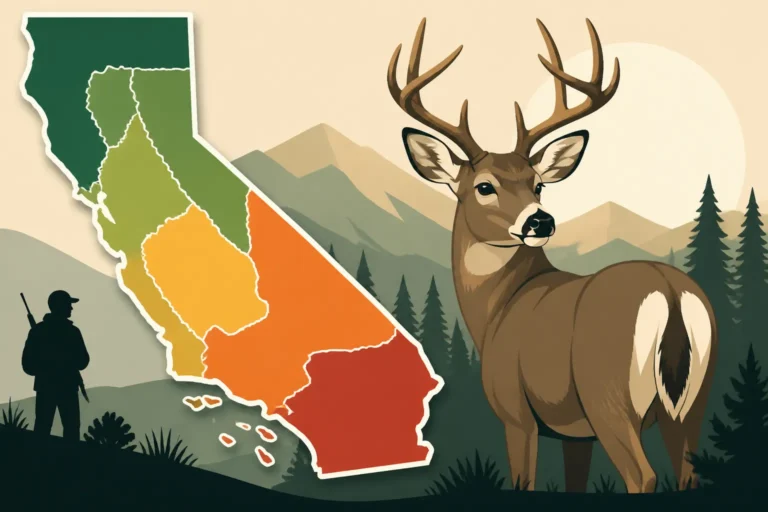
California utilizes a complex zone system to manage its deer populations, dividing the state into numerous A, B, C, D, and X zones, each with its own season dates, tag allocations, and specific regulations. This system is designed to distribute hunting pressure and manage deer herds according to their local conditions and population levels. Zone A, for example, covers much of the coastal and central foothill regions, primarily for blacktail deer, and typically opens in August for archery and late September for general season. The D-zones often encompass a mix of blacktail, mule deer, and hybrids across the central and southern foothills and mountains, with varying opening dates. The X-zones, primarily in the Sierra Nevada and northeastern California, are usually draw-only premium tags, targeting mule deer in higher elevations.
Understanding California's Multi-Zone Deer Season System is paramount. Each zone has a limited number of tags, and for the X-zones, you'll need to participate in the California Big Game Drawing explained to even have a chance. Make sure you purchase the correct deer tag for the zone you intend to hunt. Always double-check the current year's regulations booklet from the California Department of Fish and Wildlife (CDFW), as dates and rules can change. Incorrectly identifying your zone or misunderstanding the season dates can lead to a costly mistake.
The Non-Lead Ammunition Mandate and Your Responsibilities
One of the most significant regulatory changes in California hunting is the statewide ban on lead ammunition for all hunting, effective July 1, 2019. This means that if you're hunting deer with a rifle, shotgun, or muzzleloader, you must use non-lead projectiles. This law was primarily implemented to protect California condors and other wildlife from lead poisoning when scavenging on gut piles or unrecovered game. While it was initially met with some resistance and logistical challenges, it's now an established part of hunting in California.
Hunters are responsible for ensuring their ammunition is compliant. This typically means using copper-alloy bullets for rifles and shotguns, and often copper or bismuth projectiles for muzzleloaders. It's crucial to check the CDFW's list of approved non-lead ammunition. Furthermore, you'll need to re-zero your rifle when switching to non-lead loads, as they can have different ballistic characteristics than lead-core bullets. Choosing Non-Lead Rifle Ammunition in California delves into the specifics of selecting and sighting in these essential rounds. It’s not just about compliance; it’s about being an ethical hunter who minimizes their impact on the environment.
Reporting Harvests and Contributing to Conservation
Another critical responsibility for every deer hunter in California is reporting their harvest. Whether you shoot a deer or not, if you possess a deer tag, you are legally required to report the outcome of your hunt to the CDFW by January 31st of the following year. This can be done online through the Automated License Data System (ALDS), by mail, or through the CDFW's mobile app. Even if you didn't harvest a deer, you must report "no take."
This reporting isn't just a bureaucratic hurdle; it's a vital component of wildlife management. The data collected from hunter harvest reports—including the date of kill, county, zone, and antler class—provides valuable information to wildlife biologists. This data helps them assess deer populations, track harvest success rates, understand population trends, and make informed decisions about future tag allocations and season structures. By accurately reporting your take (or no take), you are directly contributing to the conservation and sustainable management of California's deer herds, ensuring that future generations will also have the opportunity to pursue these incredible animals.
The Future of Deer Hunting in California: Challenges and Opportunities
Deer hunting in California is a dynamic pursuit, constantly influenced by environmental shifts, policy changes, and the ever-present pressures of a growing human population. While challenges loom large, there are also significant opportunities for hunters to play an active role in shaping a sustainable future for California's blacktail and mule deer.
Habitat Loss, Fire, and Drought: Pressures on Deer Populations
California's deer populations face immense pressure from a combination of factors. Habitat loss due to urban development, agriculture, and infrastructure expansion constantly chips away at crucial deer territories and migration corridors. The massive wildfires that have ravaged the state in recent years have a complex impact; while some areas experience an initial flush of new growth that benefits deer, large, intense fires can destroy critical winter range, bedding cover, and food sources for decades. Deer populations, like the California Deer Herd Size, often fluctuate significantly in the aftermath of these events.
Compounding these issues are the persistent cycles of drought. Water is the lifeblood of all wildlife, and prolonged dry spells stress deer, reduce forage quality, and can severely impact fawn survival rates. A poor acorn year, for instance, can drastically reduce a blacktail deer's winter nutrition. These environmental pressures make deer management a constant balancing act for the CDFW, requiring careful monitoring and adaptive strategies. Hunters are often on the front lines, observing these changes firsthand, and their reports and observations are crucial for understanding the ground-level impacts.
Chronic Wasting Disease (CWD) and Disease Monitoring
A growing concern for deer and elk populations across North America, including California, is Chronic Wasting Disease (CWD). CWD is a fatal neurological disease that affects cervids (deer, elk, moose, and reindeer). While California has historically been free of CWD, two cases were recently confirmed in mule deer in eastern central California. This discovery has significant implications for hunters and wildlife managers. The CDFW has responded by expanding CWD testing zones and implementing mandatory testing requirements in certain areas.
Hunters in these specified zones will be required to submit deer heads for CWD testing. It is imperative to comply with these regulations, as early detection and monitoring are key to managing the spread of the disease. This also includes strict rules about moving deer carcasses out of a CWD testing zone. For example, if you harvest a deer in a CWD zone, you might only be allowed to transport the deboned meat, clean skull plate, and hide out of that area. Understanding California's Two CWD Testing Zones and the associated protocols is now a critical part of being an informed and responsible hunter. This collective effort by hunters and wildlife agencies is vital to protect the long-term health of our deer herds.
The Role of Hunters in California Deer Management
Despite the challenges, hunters remain an integral part of deer management and conservation in California. Through license fees, tag purchases, and excise taxes on hunting equipment, hunters provide the vast majority of funding for wildlife research, habitat restoration, and enforcement efforts. Beyond financial contributions, hunters serve as crucial eyes and ears in the field, providing valuable anecdotal observations about deer health, population trends, and habitat conditions.
Furthermore, regulated hunting helps manage deer populations at healthy levels, preventing overbrowsing that can degrade habitat for all wildlife, and reducing deer-vehicle collisions. Ethical hunters adhere to fair chase principles, respect wildlife, and contribute to a positive public image of hunting. Organizations like GoHunt often provide resources that help hunters stay informed about regulations and contribute to conservation efforts. By staying engaged, educated, and ethical, California hunters can continue to ensure a vibrant future for both blacktail and mule deer, preserving the tradition and the wild landscapes they call home for generations to come.
Disclaimer
The information provided in this guide is for general informational purposes only and is not a substitute for the official California Department of Fish and Wildlife (CDFW) hunting regulations. All hunters are responsible for reviewing and adhering to the most current CDFW regulations, which are subject to change annually. Always consult the official CDFW hunting regulations booklet and website before and during your hunt.