Which Zone Covers Your California County
Trying to navigate California’s deer hunting zones can feel like trying to solve a cryptic puzzle without all the pieces. It’s a common frustration for new and seasoned hunters alike, especially with so many diverse landscapes and specific regulations. This guide will help you untangle the complexity, clarify how California’s deer zones work, and most importantly, pinpoint which zone covers your specific county or the area you plan to hunt.
The Labyrinth of California Deer Zones – Why It's So Confusing
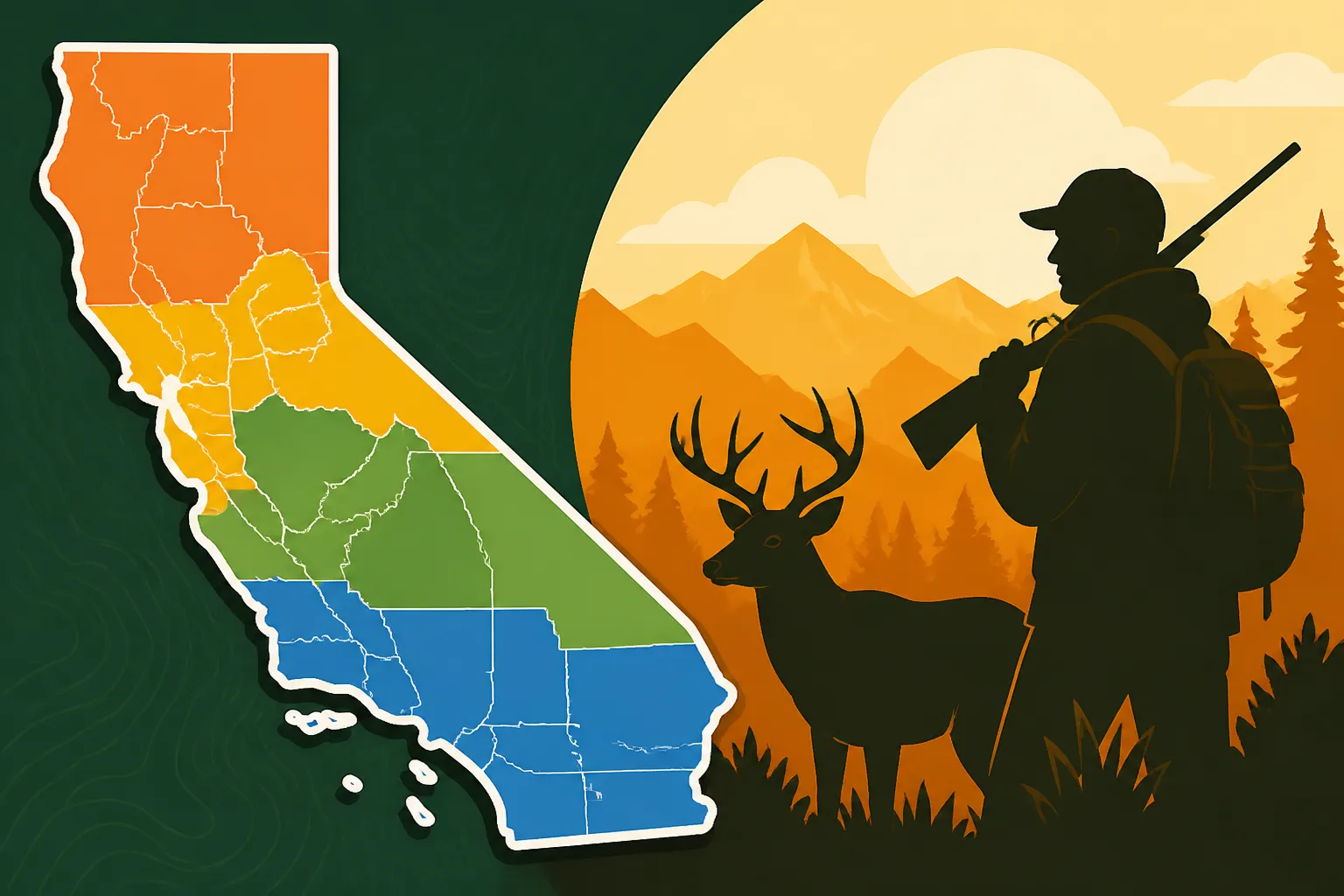
California's deer hunting system isn't designed to be simple, and honestly, it can feel overwhelming at first glance. Unlike some states with straightforward statewide seasons, California manages its deer herds through a complex series of zones: A, B, C, D, and X. These zones are meticulously carved out by the California Department of Fish and Wildlife (CDFW) based on ecological factors like habitat type, deer population densities, migration patterns, and even human population distribution and hunting pressure. The goal is to sustainably manage diverse deer populations across the state's incredibly varied topography, from dense coastal chaparral to arid desert washes and towering alpine peaks.
The biggest reason hunters often scratch their heads is that these zones don't always follow neat county lines. It's not uncommon for a single county to fall into multiple deer zones, creating pockets where the regulations for one side of a ridge might be entirely different from the other. This fragmentation is precisely why simply knowing your county isn't always enough; you need to know which part of your county is in which zone. This intricate system directly impacts everything from season dates and legal weapons to tag availability and even the primary species of deer you might encounter. Understanding the logic, even if it feels like a headache, is the first step toward a successful hunt in the Golden State. For a deeper dive into the overall structure, check out our guide on California's Multi-Zone Deer Season System.
Deciphering the Major Deer Hunting Zones by Region
To better understand where your county fits into the larger picture, let's break down the general characteristics and geographical spread of California's primary deer hunting zones. Each zone offers a unique hunting experience, dictated by its terrain, climate, and the specific deer subspecies that call it home.
Zone A – The Coastal Blacktail Frontier
Zone A encompasses a vast stretch of California, primarily covering the Coast Range and the western side of the Central Valley. Think Mendocino, Lake, Sonoma, Monterey, San Luis Obispo, and parts of many other coastal counties. This zone is famous for its Columbia Blacktail deer, a challenging quarry known for inhabiting dense brush and timber. The hunting season here typically kicks off in late summer, often in August, meaning hunters frequently contend with hot weather, dry conditions, and very thick vegetation.
Hunting in Zone A demands a specific approach. Due to the heavy cover, long-range glassing opportunities are often limited, making still-hunting, tracking, and close-quarters rattling more effective tactics. The terrain can be rugged, steep, and choked with poison oak and chaparral, making every buck earned. If you're looking for an early season challenge in beautiful, yet unforgiving, coastal environments, Zone A is where you'll find it. Our article on Hunting Coastal Range Oak Woodlands has more tips for these areas.
Zones B & C – Northern California's Diverse Landscapes
Moving north, Zones B and C blanket much of Northern California, extending from the North Coast inland through the Cascade Range and into the northern Sierra foothills. Zone B covers counties like Del Norte, Humboldt, and Trinity, characterized by dense redwood forests and rugged mountains. Zone C, on the other hand, includes areas like Modoc, Lassen, and parts of Shasta counties, blending vast high desert with volcanic terrain and northern Sierra timber.
These zones offer a mix of Columbia Blacktail and Rocky Mountain Mule Deer, and often hybrids where their ranges overlap. Season dates are generally later than Zone A, typically opening in September, which can provide cooler weather and sometimes more active deer behavior as the rut approaches. Hunting strategies here are as diverse as the landscape, ranging from tracking through dense timber in Zone B to long-range glassing across open sagebrush flats in Zone C. The varied terrain and deer populations make these zones popular for hunters seeking diverse challenges. For those interested in the September archery opener in Zone C, read our guide on Hunting the Zone C August-September Archery Window.
D Zones – The Vast Interior and Sierra Foothills
The D Zones (D3-D12) represent the largest and most widely available deer hunting opportunities in California, covering huge swaths of the Sierra Nevada foothills, the eastern edge of the Central Valley, and much of Southern California's interior mountains. Counties like Shasta, Placer, Fresno, Kern, and San Bernardino all contain significant D-zone territory. These zones are often considered the "workhorse" zones, offering the most tags and accessibility for many California residents.
Deer in the D Zones are typically a mix of California Mule Deer and Columbia Blacktail, with a high degree of hybridization in many areas. The terrain is incredibly varied, from oak woodlands and chaparral foothills to higher elevation pine forests. Season dates generally range from late September into October, with some even opening in August, allowing hunters to experience different conditions throughout the fall. Strategies here vary immensely based on the specific D-zone unit, ranging from still-hunting thick brush to glassing clear-cuts or canyon systems. It’s important to note that even within D-zones, subunits can have distinct opening dates or tag restrictions. Some D-zones are a bit unique, like Hunting a Staggered D-Zone Subunit, so always check your specific tag.
X Zones – The Coveted Premium Hunts
The X Zones (X1-X12) are California’s premium, draw-only deer hunts, concentrated in the high Sierra Nevada, Eastern Sierra, and parts of the Modoc Plateau. Counties like Mono, Inyo, Lassen, and Siskiyou are home to these highly sought-after units. These zones are known for offering opportunities at larger, older Rocky Mountain Mule Deer bucks and boast higher success rates due to limited tag allocations.
Drawing an X-zone tag is a significant achievement for many hunters, often requiring years of accumulating preference points. The hunting experience in X-zones is typically characterized by high-elevation, rugged backcountry terrain, requiring physical fitness, specialized gear, and proficiency in long-range glassing and spotting-and-stalking. Seasons are generally in September or early October, capitalizing on the migration patterns and pre-rut activity of mature bucks. Hunters pursuing these tags are often dedicated to a true wilderness experience and the chance at a trophy mule deer. To understand more about these challenging hunts, check out our article on Hunting California's High-Country X-Zones.
Pinpointing Your County's Deer Zone
Now that you have a general understanding of California’s deer zones, let’s get down to the brass tacks: finding out exactly which zone, or zones, cover your county. This is where many hunters hit a wall, as the official maps can be dense and many counties span multiple zones.
The CDFW Hunting Regulations Tool
The absolute first place you should always consult for official information is the California Department of Fish and Wildlife (CDFW) website. They provide interactive maps and detailed hunt zone descriptions within their annual hunting regulations. While navigating the CDFW site can sometimes feel a bit clunky, it is the authoritative source for all regulations, including specific zone boundaries, season dates, and legal methods. You'll typically find downloadable maps or an interactive map application that allows you to zoom in on specific areas.
However, a common frustration is that these maps, while accurate, aren't always the most user-friendly for someone trying to visualize the boundaries on the ground or understand complex county splits. They might show the lines, but they don't always give you a quick "this county is in X, Y, and Z zones" answer in an easily digestible format. You often have to spend time cross-referencing maps with geographical features.
Using Mapping Applications for Zone Overlays
This is where modern technology truly shines and can save you a ton of headache. Dedicated hunting and outdoor mapping applications have become indispensable tools for California hunters, and they are incredibly effective for identifying deer zones. Brands like GoHunt (or other popular platforms like onX Hunt, BaseMap, etc.) allow you to overlay official CDFW hunt zone boundaries directly onto high-resolution satellite imagery or topographic maps.
With these apps, you can easily zoom into your specific property, a national forest, or a particular BLM parcel, and instantly see which deer zone it falls within. Many of these platforms also allow you to search by county or even drop a pin on a specific location to retrieve zone information. This visual aid makes understanding complex boundaries, especially where counties are split, much clearer and more intuitive than static paper maps. It can even show you if a piece of public land you're eyeing is actually bisected by a zone line, which happens more often than you'd think. While you can use the official CDFW app, we have more tips for general Scouting With the CDFW Hunting App.
Understanding County Splits and Boundary Details
This cannot be emphasized enough: many California counties are not contained within a single deer hunting zone. It’s a critical detail that can trip up even experienced hunters. For example, a county like Shasta is a perfect illustration, encompassing parts of B, C, and several D zones. If you simply say "I'm hunting in Shasta County," you haven't narrowed it down nearly enough.
You might find that the western half of your county is in Zone A, while the eastern half, perhaps across a major highway or mountain range, is in a D Zone. Or, a specific mountain range might delineate an X Zone from an adjacent D Zone. This level of detail requires you to know the exact location you intend to hunt. Always verify the specific zone for the parcel of land you're interested in, rather than relying solely on the county name. This due diligence ensures you purchase the correct tag, understand the correct season dates, and adhere to all local regulations. Use mapping apps like GoHunt to really dial in those property lines and zone overlays, so you’re never guessing when you’re out in the field.
What Your Deer Zone Means for Your Hunt
Knowing your deer zone is far more than just a bureaucratic detail; it fundamentally shapes every aspect of your hunting plan. From when you can hunt to what species you're pursuing and the tools you'll use, your zone is the cornerstone of your California deer hunting strategy.
Season Dates and Lengths
One of the most immediate and impactful differences between zones is the season dates. California's deer seasons are incredibly varied, and a Zone A archery opener in August will feel drastically different from a late D-zone rifle season in October or November. These varied dates are designed to account for regional differences in deer rut cycles, fawning periods, and the availability of forage.
For instance, Zone A seasons generally open the earliest, often in mid-August, and typically run for a shorter duration. This means hunters are battling summer heat and often targeting blacktail bucks in their velvet. Contrast that with many D-zones, where seasons might open in September or even October and run for a month or more, offering opportunities during cooler weather and closer to the peak rut. X-zones, being premium draw hunts, often have very specific, shorter seasons designed to align with optimal conditions for targeting mature bucks. Always verify the precise dates for your specific zone and weapon type; for example, you can find the general season dates for Zone A in our article on California Zone A General Season Dates.
Tag Availability and Drawing Odds
Your chosen deer zone also directly dictates how you acquire a tag and your chances of success in doing so. Zone A tags are typically available over-the-counter and are generally plentiful. Most D-zone tags are also relatively easy to obtain, though some specific D-zones or sub-units may require participation in the Big Game Drawing or sell out quickly.
However, if you're eyeing an X-zone, you're entering a different ballgame entirely. These tags are almost exclusively obtained through the California Big Game Drawing, which is a preference point system. Drawing an X-zone tag can take many years, depending on the popularity of the unit and your accumulated points. Many hunters apply for these coveted tags annually, hoping to one day draw a premium hunt. Tools like GoHunt often provide draw odds and historical data, which can be invaluable when deciding where to put in for a draw tag. Understanding The California Big Game Drawing Explained is crucial for anyone hoping to hunt in these limited-entry areas.
Deer Species and Hunting Strategies
The ecological characteristics of each zone determine the dominant deer species, which in turn influences effective hunting strategies. In Zone A, you'll primarily be pursuing Columbia Blacktail deer. These deer are notorious for their elusive nature in dense cover, often requiring stealthy still-hunting, tracking skills, and close-range calling tactics.
As you move into the D-zones and X-zones, particularly in the Sierra Nevada or Eastern Sierra, the primary species shifts to California Mule Deer or their hybrids with blacktails. Mule deer are often found in more open, broken country, making glassing an essential skill. Hunters in these areas spend countless hours behind binoculars and spotting scopes, picking apart distant hillsides and canyon bottoms for bedded or feeding deer. The sheer size and openness of some X-zones, especially the high-country units, demand a completely different approach, often involving physically demanding backcountry hunting. To learn more about the differences between these species, read our guide on Columbia Blacktail and Mule Deer in California.
Weapon Restrictions and Non-Lead Ammunition
Finally, while California has a statewide non-lead ammunition requirement for all hunting, specific zones or areas within zones might have additional weapon restrictions. For instance, some state wildlife areas or ecological reserves might have archer-only hunts or specific firearm restrictions beyond the general statewide rules. It's always crucial to confirm the legal methods of take for your specific tag and hunting location.
California's California's Non-Lead Ammunition Requirement is a significant regulation that impacts all big game hunters. Regardless of your zone, you must use certified non-lead ammunition for deer, bear, pig, and other big game species. This means careful selection of bullets and ensuring your rifle is sighted in properly with the non-lead load you choose. Always consult the most current regulations for any additional area-specific rules that might affect your weapon choice or ammunition type.
Disclaimer
Please remember that hunting regulations in California can change. This guide is intended to provide general information and should not be considered a substitute for consulting the official California Department of Fish and Wildlife (CDFW) regulations. Always verify all season dates, bag limits, permitted weapons, and specific zone boundaries directly with the CDFW before planning or engaging in any hunting activity. It is the hunter's responsibility to know and follow all applicable laws and regulations.