Decoy Placement for Pressured California Birds
It’s a scenario every California waterfowl hunter knows too well: you’ve scouted, you’ve set up before dawn, the flight is coming in beautifully, but at the last second, they veer off, cup their wings just out of range, or simply give your spread a wide berth. Those pressured birds, especially here in California’s heavily hunted Central Valley, have seen every trick in the book, and getting them to commit can feel like cracking an impossible code. This guide is all about overcoming that challenge, diving deep into smart decoy placement to fool even the most educated ducks and geese.
Understanding What "Pressured Birds" Really Means in California
When we talk about "pressured birds" in California, we're not just talking about birds that have seen a few hunters. We're talking about waterfowl that have navigated major refuges like those in the Sacramento Valley, survived opening weekend barrages, and learned the hard way to be incredibly wary. These birds develop an almost uncanny ability to spot anything artificial or out of place, making traditional decoy setups far less effective.
The Psychology of Wary Waterfowl
Imagine being a duck or goose constantly seeing flashes, hearing loud noises, and witnessing your flock mates disappearing around certain water sources or field edges. That’s the reality for many of the birds migrating through California’s Pacific Flyway. They quickly learn to associate large, static decoy spreads, especially those near obvious blinds, with danger. Their flight patterns adjust, they become more alert, and their approach to any potential feeding or resting area is filled with suspicion.
On public lands, particularly during peak season or after an initial strong front, this wariness is amplified. Birds might still fly in large numbers, but their willingness to commit to a spread diminishes drastically. They’ll often circle high, approach from unexpected angles, or simply set down a quarter-mile away, opting for what feels like a safer, less disturbed spot. This behavior is a direct result of constant exposure to hunting pressure; they remember where danger lurks and adapt their routines accordingly.
Common Mistakes Hunters Make with Decoys
It’s easy to fall into habits, especially when success has been inconsistent. One of the biggest mistakes hunters make with pressured birds is simply putting out too many decoys in a predictable pattern. While a large, dense spread might work on unpressured birds early in the season, it can actually deter wary birds. They see a massive, static flock that looks too perfect, too inviting, and immediately sense something is off.
Another common pitfall is the lack of realism or motion. A bunch of plastic decoys floating perfectly still, all facing the same direction, looks nothing like a living, breathing flock of birds. Waterfowl are constantly moving, dipping, preening, and shifting. When decoys remain static, especially on a calm day, it creates an unnatural appearance that pressured birds pick up on from hundreds of yards away. Ignoring environmental factors like wind direction and sun position also hurts. Birds prefer to land into the wind, and if your landing zone isn't oriented correctly, they'll often swing wide or flare before committing. Similarly, having decoys with a glare from the sun can make them look artificial, sending birds packing.
Strategies for Decoy Placement in Highly Pressured Areas
To consistently bring in pressured birds, you've got to think like them. It’s about creating an illusion of safety and natural behavior, not just throwing out a bunch of plastic. The key is subtlety, realism, and understanding the nuances of their approach.
The "Safe Zone" and Landing Hole Concept
For pressured birds, the concept of a "safe zone" or "landing hole" within your spread becomes paramount. Wary ducks and geese won't just bomb into the middle of a dense decoy setup. They look for an inviting, open space where they can comfortably touch down, away from any perceived threats. Your job is to create that space.
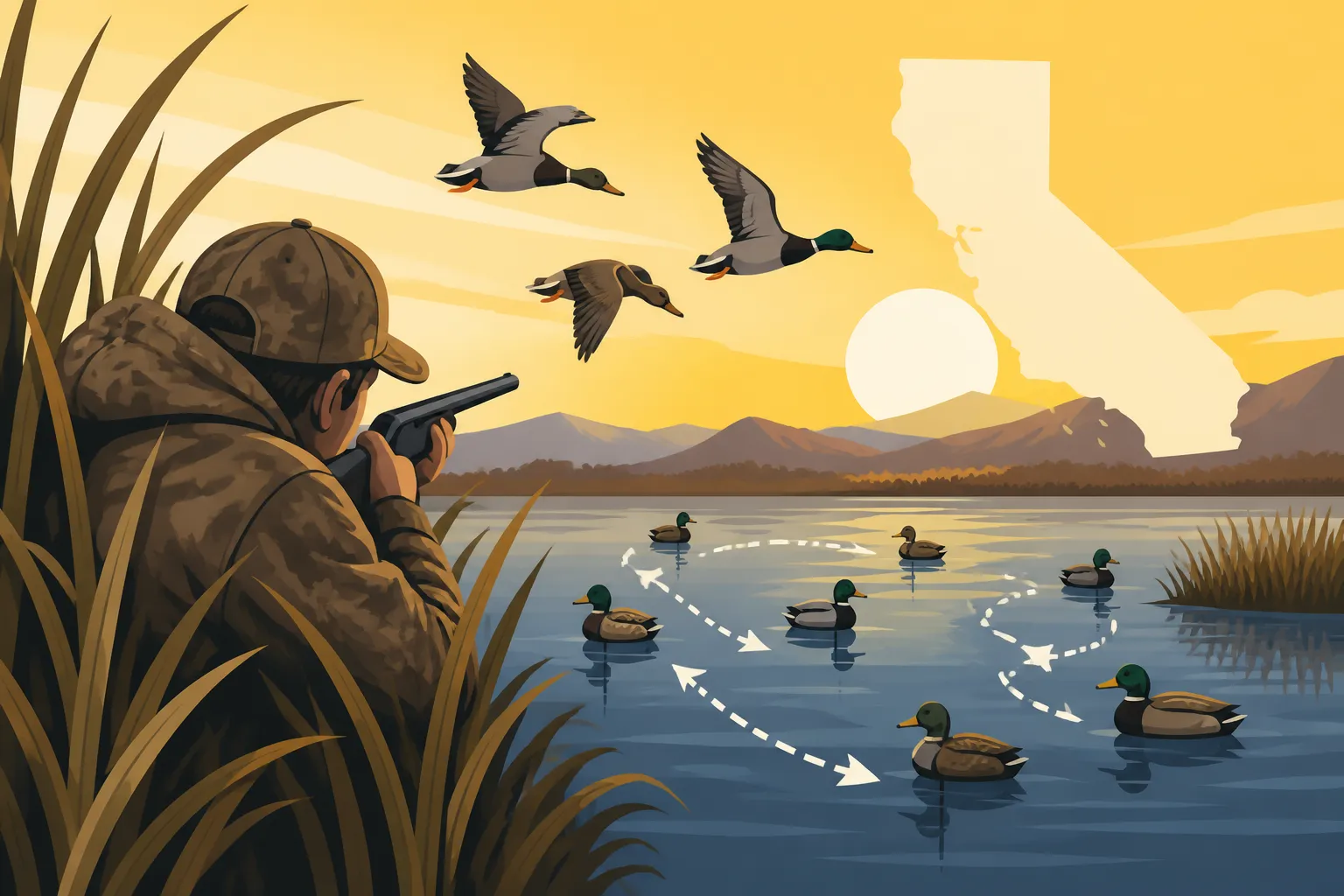
Think of your spread as a letter "J," "U," or "V" shape, with the open end facing the direction you expect birds to approach (ideally, into the wind). This open area, or "hole," should be directly in front of your blind, perfectly positioned for a shot. The decoys then act as funnels, guiding the birds exactly where you want them. The "long arm" of the J or V acts as a confidence builder, suggesting a large, content flock, while the short arm helps define the landing zone. Crucially, the decoys defining this hole should look natural—some feeding, some resting, all facing subtly different directions, as if unaware of any impending danger. This creates an unthreatening pathway for incoming birds.
Mimicking Natural Behavior with Smaller, Realistic Spreads
When dealing with birds that have seen it all, sometimes less truly is more. A huge spread might look impressive, but it can scream "trap!" to experienced waterfowl. Instead, focus on quality over quantity and create a smaller, more realistic spread that mirrors natural behavior. This is especially true on smaller water bodies or in fields where birds might be feeding in more dispersed groups.
Consider grouping your decoys by species and even family units. Ducks don't typically mix all species together in a tight bunch. Mallards will often be with mallards, pintails with pintails, and wigeon with wigeon. Place a few "pairs" or small "family groups" together, looking relaxed. Some can be dabbling, some preening, some just loafing. Tools like GoHunt's mapping capabilities can be incredibly useful here, allowing you to observe real-time bird behavior in different areas and replicate those patterns precisely in your own spread. By seeing where and how birds naturally gather, you can create a truly authentic look. Remember, the goal is to make your spread look like a few happy, undisturbed birds, not a convention.
Incorporating Motion and Realism
Static decoys are the bane of hunting pressured birds. Movement is life to waterfowl, and its absence is a red flag. While spinning wing decoys (like Mojos) can be incredibly effective early in the season or for attracting distant birds, they can actually flare pressured birds if overused or placed incorrectly. Wary birds often associate the flash and repetitive motion with danger.
Instead, lean into subtle, natural motion. Swimmer decoys that create ripples, jerk strings that make a handful of decoys bob and turn, or even simple Texas rigs that allow decoys to swing with the breeze can add that crucial touch of realism. The goal isn't to create a carnival ride, but to mimic the constant, subtle movements of feeding and preening birds. Ensure your decoys have realistic head and body positions—some upright and alert, some feeding with heads down, others resting. This variety sells the illusion of a content flock. A single spinning wing decoy placed far out or used sparingly might still be effective for grabbing attention, but its use needs to be tempered with discretion when dealing with truly wary birds.
Advanced Tactics for Specific California Waterfowl Scenarios
California offers a diverse range of waterfowl hunting environments, from vast flooded rice fields to the edges of protected refuges. Each presents unique challenges when trying to decoy pressured birds.
Flooded Rice Fields: Adapting to Open, Shallow Water
Hunting flooded rice fields in California’s Central Valley means dealing with expansive, often shallow water with minimal natural cover. Pressured ducks, especially the iconic mallards and pintails, often fly high and scrutinize these open areas intensely. For these situations, your spread needs to convey absolute security.
Instead of a dense blob, consider a "feeding frenzy" spread, particularly for mallards. Create several distinct, loose groups of feeding decoys (heads down, rear up) with plenty of open water between them, mimicking scattered feeding activity. For pintails, which are often warier and prefer open water, a smaller, more spread-out "loafing" spread can be effective, with decoys facing different directions, as if resting. Always keep your main landing zone directly in front of your blind, leading birds into the wind. Since cover is often sparse, blind placement and concealment are critical. You might need to utilize natural levees or create brush piles to break up your silhouette. Remember, the birds will be looking for a landing strip, so ensure your approach is clear and unthreatening. For deeper insights into these specific setups, check out our guide on Decoying Mallards on Flooded Rice Ground.
Refuge-Adjacent Fields: The Fine Line Between Sanctuary and Opportunity
Hunting fields adjacent to major California wildlife refuges is a game of understanding boundaries. Birds learn quickly where the sanctuary ends and the danger begins. They’ll often stage just inside the refuge, then venture out to feed. Your decoy placement needs to exploit this pattern.
Set your spread closer to the refuge boundary, but outside of it, positioning yourself on the "edge" of their comfort zone. The idea is to make your spread look like a natural extension of the safe zone. Use fewer, high-quality decoys, and consider adding confidence decoys like Canada geese or even coots, even if you’re primarily hunting ducks. These species often signal safety to ducks, making them more comfortable committing. The birds coming off the refuge will likely be wary, so keep calling subtle and minimal until they commit. Observe their flight paths meticulously from the refuge to your field. If they typically cross a specific corner or follow a certain ditch, position your spread to intercept them there. Learning how to Pass-Shooting Geese on California's Sacramento Refuges can also offer valuable insights into bird movement near these critical areas.
Late-Season Strategies: When Birds Have Seen It All
By late season, California waterfowl have run the gauntlet. They've been shot at across multiple states on the Pacific Flyway and are incredibly wise. This is when aggressive, high-volume calling and massive decoy spreads often backfire.
The "disappearing spread" or minimalist approach can be highly effective. Think small: sometimes just a dozen ultra-realistic decoys, perfectly placed, is better than 100. Focus on conveying absolute safety. Consider a quiet setup, using minimal calling and letting your realistic spread do the work. Find a hidden, less-pressured corner of a field or a secluded water pocket that birds might overlook. Focus on the available natural food sources—if the birds are feeding on waste grain, mimic that precise behavior. Pay close attention to current weather patterns. Cold fronts can make birds more eager to feed, regardless of pressure, so be ready to capitalize on those windows.
Essential Gear and Scouting for Success
Having the right gear is important, but knowing how to use it—and knowing when not to use it—is what makes the difference with pressured California birds.
Decoy Selection: Quality Over Quantity
For pressured birds, the quality of your decoys matters immensely. Forget the cheap, shiny plastics. Invest in flocked decoys (which eliminate glare and provide a realistic feather texture) or high-quality painted decoys with intricate detail. Realism in color, size, and body posture is paramount. Birds will often pick out a single unrealistic decoy in a spread and decide the whole setup is fake.
Focus on the species you are primarily hunting, such as mallards, pintails, or wigeon, and ensure their decoys accurately represent their natural appearance. While it’s tempting to buy a lot of decoys, for pressured birds, a smaller spread of excellent quality will outperform a massive spread of mediocre ones every time. Remember, the goal is not just to attract attention, but to convince wary birds that what they're seeing is 100% natural and safe.
The Role of Scouting and Adaptability
You can have the best decoys and the most advanced spread layout, but if you're not where the birds want to be, it's all for naught. Scouting is the absolute foundation of successful waterfowl hunting, especially for pressured birds. Before every hunt, take the time to observe flight patterns, identify loafing areas, and pinpoint active feeding zones. Pay attention to how the birds are reacting to existing spreads or blinds in the area. Are they flaring from a certain direction? Are they landing short?
Modern tools like GoHunt's detailed satellite imagery and mapping features can be invaluable for pinpointing obscure feeding spots, identifying subtle changes in field topography, or even predicting flight lines. Don't be afraid to adapt your plan on the fly. If birds aren't committing, change your spread, adjust your blind, or even move to a different location. Flexibility and a willingness to experiment are crucial. Being able to successfully Reading a Wetland for a Morning Flight will give you a tremendous advantage, as will understanding patterns for Hunting a Refuge-Adjacent Field at Dawn.
Blind Placement and Concealment
Even the most perfect decoy spread can be ruined by poor blind placement or inadequate concealment. Pressured birds have an incredible ability to spot anything unnatural on the landscape. Your blind needs to disappear into the surroundings.
Match your blind to the natural cover—whether that’s tall rice stubble, tules, cattails, or a natural levee. Brush it in thoroughly, not just enough to hide your silhouette, but enough to break up its hard edges and make it blend seamlessly. Use plenty of natural vegetation from the immediate area. Minimize any movement within the blind. Even subtle shifts can catch a bird's eye from hundreds of yards away. This includes keeping calls discreet until birds are committed, and only raising your head and gun when it’s time to shoot. For more on creating effective cover, take a look at our guide on Brushing In a Blind on a Field Edge.
| Strategy Element | Early Season / Unpressured Birds | Late Season / Pressured Birds |
|---|---|---|
| Decoy Quantity | Large numbers (50-100+) often effective | Smaller, highly realistic spreads (1-3 dozen) preferred |
| Decoy Realism | Good quality acceptable | High quality (flocked, detailed paint) essential |
| Motion | Spinning wings (Mojos) highly effective, can be numerous | Subtle, natural motion (jerk strings, swimmers); limited spinning wings |
| Spread Pattern | Large, dense V or J patterns, or open landing zone | More dispersed, natural-looking groups; focus on "safe zone" |
| Landing Zone | Can be more open/flexible | Clearly defined, inviting, unthreatening "hole" in front of blind |
| Calling | Aggressive, loud calling to grab attention | Subtle, minimal calling; let decoys do the work |
| Concealment | Adequate blind, minimal movement | Extreme blind brushing, absolute minimal movement |
| Scouting Emphasis | General flight lines, large water bodies | Specific feeding areas, subtle patterns, bird behavior details |
Disclaimer
Hunting is an inherently dangerous activity. Always follow all local, state, and federal regulations. Ensure you have the proper licenses and permits. Prioritize safety, practice ethical hunting, and be aware of your surroundings at all times. This information is for educational purposes only and should not replace professional guidance or official regulations.