Pass-Shooting Geese on California’s Sacramento Refuges
There’s a unique thrill, and let’s be honest, often a good dose of frustration, that comes with trying to intercept geese as they bomb across the sky on a crisp California morning. Many of us have spent countless hours in layout blinds or hiding in the scant cover of a levee, watching flocks pass just out of range, or worse, completely missing the opportunities we do get. If you’re looking to sharpen your skills for pass-shooting geese, especially around California’s incredible Sacramento Valley refuges, this guide is designed to help you understand the nuances, gear, and strategies that can turn those frustrating misses into more satisfying harvests.
Understanding Sacramento Valley Refuges and Goose Behavior
Hunting geese in California, especially in the famed Sacramento Valley, is an experience steeped in tradition and natural beauty. But it's also incredibly challenging. The birds are smart, the pressure can be intense, and success often hinges on a deep understanding of the environment and the geese themselves.
The Landscape of Sacramento Refuges
The Sacramento Valley is a critical wintering ground for millions of waterfowl on the Pacific Flyway, and the refuges here are truly special places. We're talking about vast expanses of flooded rice fields, moist soil units, seasonal wetlands, and agricultural land managed specifically to support these migrating birds. Think of places like Gray Lodge Wildlife Area, Colusa National Wildlife Refuge, or Sutter National Wildlife Refuge. These areas are magnets for geese, but they also concentrate hunters, leading to some of the most competitive hunting environments you'll find anywhere.
The typical setup for pass-shooting often involves finding a "X" – a spot where birds consistently fly over, usually between a roosting area and a feeding ground. This could be a natural flyway along a slough, a field edge, or even over a small piece of managed habitat that serves as a thoroughfare. Knowing these subtle landscape features, which you might pick up from studying maps or even through resources like GoHunt, is absolutely critical. The cover in these areas can be minimal, often just a sparse levee bank or a few stalks of leftover corn, making concealment a constant battle. This is a far cry from the elaborate decoy spreads you might use when Decoying Ducks in California's Central Valley Flooded Rice.
Goose Species and Flight Patterns
California's Sacramento Valley hosts an incredible diversity of geese, each with slightly different flight characteristics that can impact your pass-shooting strategy. The most common species you'll encounter are Snow geese and Ross's geese, often flying in massive, chaotic gaggles that can literally darken the sky. These birds, especially the Snows, are incredibly wary, flying at impressive altitudes. Then there are the White-fronted geese (or Specklebellies), which often fly in smaller, tighter V-formations or undulating lines, known for their distinctive high-pitched calls. You might also spot smaller Cackling geese, which look like miniature Canada geese and can be surprisingly agile.
Understanding their typical flight patterns is key. Snow and Ross's geese tend to fly high, often at the limits of shotgun range, especially if they've been pressured. They might circle high, trying to gain altitude before heading to a distant feeding field. White-fronts, on the other hand, sometimes fly lower, especially in foggy or windy conditions, making them a prime target for pass-shooters who can read the weather. Observing how specific species react to wind, pressure, and the time of day will drastically improve your chances. Do they hug the contour of the land or ride high on thermal drafts? Are they traveling in a direct line, or do they make wide, sweeping turns? Paying attention to these subtle differences is how you start to predict their path and position yourself for success.
Impact of Weather and Pressure
Weather is undeniably the biggest game-changer when it comes to goose hunting, and nowhere is this more apparent than in pass-shooting. A strong north wind will often push birds lower and faster, forcing them to fly closer to the ground to conserve energy. This can be a boon for pass-shooters, bringing those high-fliers down into effective range. Fog and low clouds also tend to keep birds lower, sometimes even disorienting them enough to fly unexpected patterns. Rain, particularly a steady drizzle, can dampen their desire to fly high, too. Conversely, calm, clear days often see geese cruising at cruising altitudes, making pass-shooting incredibly tough.
Hunting pressure also plays a monumental role. The Sacramento refuges see a tremendous number of hunters, especially on weekends and opening days. Geese quickly learn where the "hot spots" are and will adjust their flight paths to avoid them. Birds that flew low and directly over a certain levee early in the season might now swing wide, climb higher, or change their entire route after just a few days of heavy shooting. This means that a spot that was gold last week might be barren this week. You need to be adaptable, ready to move, and constantly scouting, even during the hunt. This pressure is also why it's so important to adhere to California's Duck and Goose Bag Limits to ensure the resource remains strong.
Essential Gear for Pass-Shooting Success
Pass-shooting geese isn't about having a truckload of decoys or a fancy boat blind; it's about being mobile, concealed, and having the right tools to intercept fast-moving birds at sometimes considerable distances. Your gear needs to be up to the task.
Shotguns and Ammunition
When it comes to pass-shooting geese, a 12-gauge shotgun is pretty much the standard, and for good reason. It offers the best balance of payload, range, and recoil for handling those larger, tougher birds. While some might opt for a 10-gauge for its extra punch, the availability of quality non-lead ammunition and the weight factor often lean hunters towards a reliable 12-gauge. A semi-automatic or pump-action shotgun with a 3-inch or 3.5-inch chamber will serve you best, allowing for quick follow-up shots which are often necessary when birds are flying in groups. Choke selection is critical; a Modified or Improved Modified choke is usually a good starting point, tightening up to a Full or even an Extra Full choke if you anticipate consistently longer shots, but be mindful of pattern density with steel shot.
Now, let's talk about ammunition. California's statewide non-lead ammunition requirement means you must use non-toxic shot for all waterfowl hunting. This is a critical regulation that every hunter needs to be aware of. Steel shot is the most common and affordable option, but it requires different considerations than lead. It's lighter than lead, so you often need to go up a shot size or two to get the equivalent knockdown power. For geese, shot sizes like BB, BBB, or even T are popular choices. Some hunters prefer bismuth or tungsten-based loads, which are denser and perform more like lead, but they come with a significantly higher price tag. Experimenting with different brands and shot sizes to see what patterns best in your specific shotgun is a must. A tight pattern is essential for pass-shooting, where every pellet counts on those long shots. For more on this, check out our guide on Which Non-Lead Bullets California Approves.
Clothing and Camouflage
Staying concealed is paramount in pass-shooting, especially given the open nature of many refuge landscapes. Geese have incredible eyesight, and they'll flare at the slightest glint of sunlight off an exposed face or a patch of incorrect camo. Layering is key, as Central Valley mornings can start bitterly cold and quickly warm up, even in winter. Think moisture-wicking base layers, insulating mid-layers like fleece or down, and a waterproof/windproof outer shell. Your outer layer should be in a camouflage pattern that matches the local environment. For most Sacramento Valley refuges, marsh patterns with reeds, cattails, or stubble motifs work well. Darker, more muted earth tones are also effective, especially if you're hugging a levee bank or hiding in a ditch.
Don't forget the details: a face mask or face paint is non-negotiable to break up the outline of your face. Gloves are also a must, not just for warmth, but to conceal your hands when shouldering your gun. Many hunters will even wear a wide-brimmed hat or a baseball cap under their hooded jacket to cast a shadow over their face. Remember, geese are looking down, so anything that stands out against the sky or the surrounding ground cover will immediately put them on alert. The goal is to blend seamlessly into your chosen spot, becoming an invisible part of the landscape.
Optics and Ancillary Gear
While you won't be glassing for bedded bucks, optics still play a vital role in successful pass-shooting. A good pair of binoculars (8×42 or 10×42 are excellent choices) can help you spot distant flocks, identify species, and even gauge their direction of travel and altitude long before they're in range. This gives you precious time to prepare for the shot. While a rangefinder isn't as critical as it is for Glassing Mule Deer in Open California Country, it can be surprisingly useful in the open refuge environment to dial in exact distances to prominent landmarks around your shooting position, giving you a better feel for what "in range" truly looks like.
Beyond optics, ear protection is absolutely non-negotiable. Shotgun blasts are loud, and prolonged exposure can cause permanent hearing damage. Electronic ear protection is a fantastic investment, allowing you to hear approaching birds and communicate with hunting partners while still protecting your hearing from the loud boom of the gun. A comfortable, lightweight seat or small pad can make those long waits much more bearable. If you're using a minimal blind or brushing yourself into a ditch, a small shovel or pruning shears can help you enhance your concealment. And always, always carry a headlamp for those pre-dawn walks in and post-sunset walks out. A reliable dog is also invaluable for quick bird retrieval, which is essential to prevent cripples from getting away, especially in thick cover or water.
Strategy and Tactics for Effective Pass-Shooting
Pass-shooting is often described as the most challenging form of waterfowl hunting. It requires keen observation, quick reflexes, and an intimate understanding of how birds move through the air. It's less about convincing birds to come to you and more about intercepting them where they want to go.
Scouting and Location Selection
This is where the rubber meets the road. Successful pass-shooting hinges almost entirely on finding that "X" factor – the exact flight line where geese consistently pass within range. This involves meticulous scouting, which should ideally happen before the season, but also dynamically during the season. Spend time observing geese from a distance, noting their flight paths between roosts and feeding fields. Look for natural funnels, like narrow strips of land between water bodies, breaks in treelines, or even distinct changes in terrain that birds might follow.
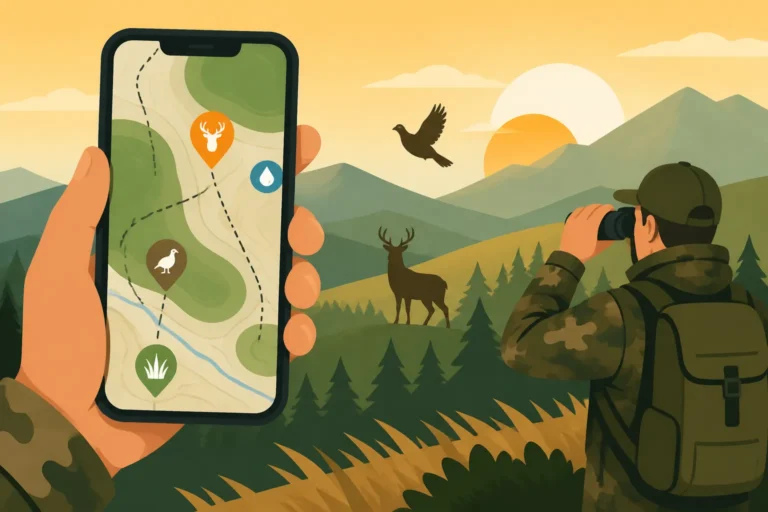
On public refuges, your access is often determined by a lottery draw. If you're fortunate enough to get a good draw, understanding the specific unit you'll be hunting is key. Use mapping tools – like those available through GoHunt – to study aerial photos. Look for levees, sloughs, and high spots that might offer natural concealment and a clear shot opportunity. Pay attention to how the wind affects these flight paths. A consistent flight path on a north wind might be completely different on a south wind. Talking to other hunters (respectfully, of course) can sometimes yield valuable insights, but ultimately, the best scout is you, observing the actual birds. This diligent scouting will also inform whether you'd be better suited for Layout Blind Hunting a Flooded Field rather than pass-shooting.
Reading the Flight
Once you're in position, the real work begins: reading the flight of the birds. This means more than just seeing a flock in the distance. You need to quickly assess several factors:
- Species Identification: Is it a flock of high-flying Snows, or potentially lower-flying White-fronts? This impacts your strategy.
- Altitude and Speed: Are they at the absolute edge of range, or are they coming in a bit lower? Are they gliding leisurely or powering through with quick wingbeats? Geese can appear slower than they are because of their size, especially at longer distances.
- Direction and Angle: Are they coming directly over you, or will they pass off to one side? Will they be quartering towards you, straight overhead, or quartering away? Each angle requires a slightly different lead.
- Group Dynamics: Are they a strung-out line, or a tight knot? A tight group presents a more challenging single target but might offer a chance for multiple birds if you're quick and precise.
This skill is honed through experience. The more time you spend watching birds, the better you'll become at judging these factors rapidly. Don't be afraid to pass on shots that are too high or too far. A clean kill is always the goal, and educating birds with long, ineffective shots is detrimental to future hunting success.
Lead and Shot Placement
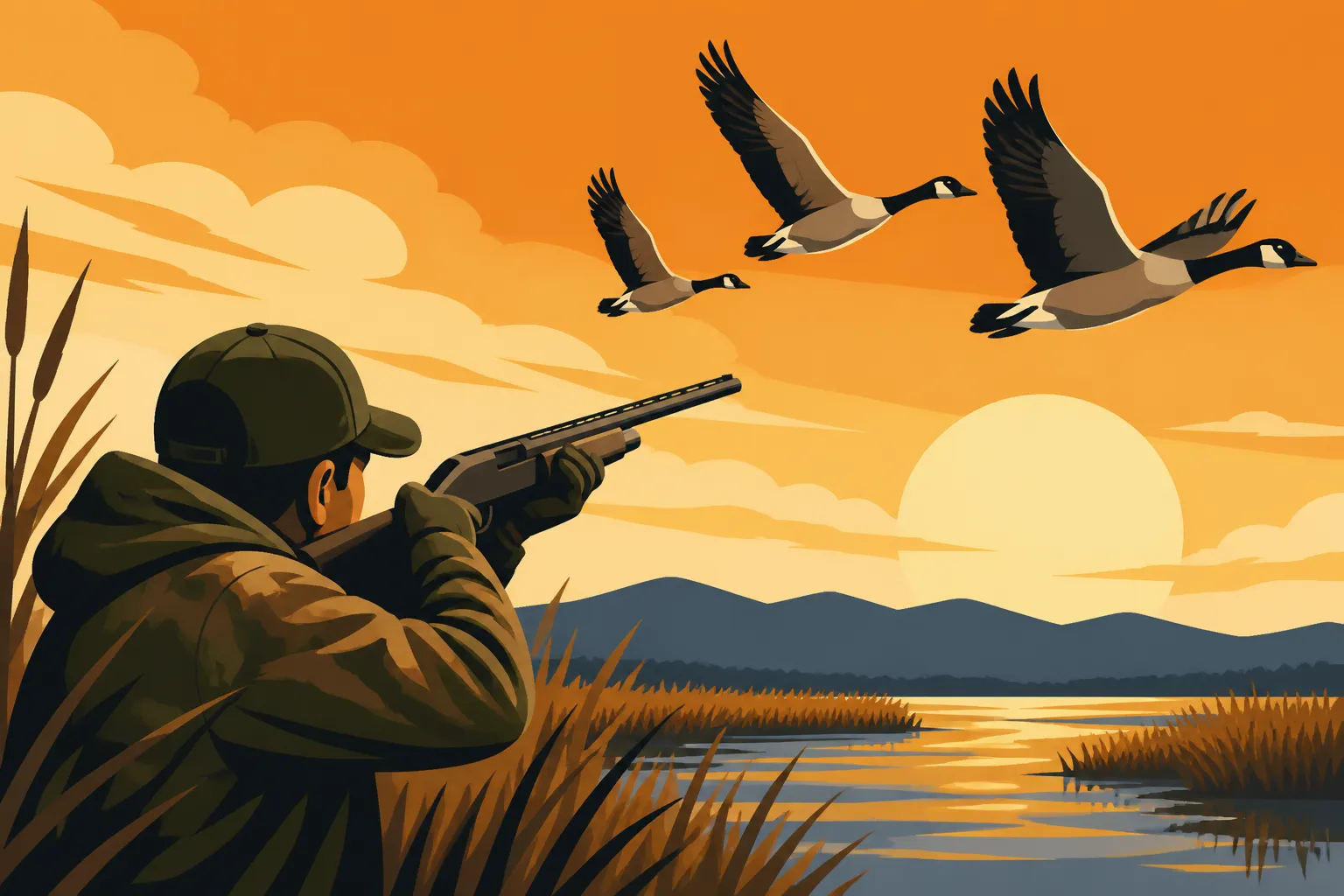
Ah, the eternal question of "how much lead?" There’s no single answer, as it depends on so many variables: bird speed, angle, distance, wind, and even your own swing speed. However, some fundamental principles apply. The most consistent advice is to swing through the bird. This means starting your swing behind the goose, matching its speed, passing through it, and firing as you continue to swing. Stopping your swing, or "poking" at the bird, is the most common reason for misses.
For geese, aiming for the front half of the bird – essentially where the head and neck meet the body, or even slightly ahead of the beak on a fast-crossing bird – is a good general rule. This puts your pattern into the vitals. On quartering shots, aiming at the leading edge of the bird, where its neck or wing connects to the body, is often effective. For birds flying directly overhead, you'll need to shoot well in front of them, almost like shooting at a target coming straight at you, aiming "up" their flight path. It's a dynamic, intuitive process that improves with practice, but always remember to keep that gun moving. A lot of hunters find that practicing with clay targets simulating incoming and crossing shots can dramatically improve their field performance.
Working with Other Hunters
Hunting on California's Sacramento Refuges often means hunting near other people. Respect, communication, and safety are paramount. Before the hunt, establish clear zones of fire with your hunting partners. Who shoots where? Who takes the lead bird? What are your safe shooting lanes? These conversations prevent accidents and misunderstandings. A simple "I'll take the lead bird on the right" or "You take them when they pass over the big oak" can make a huge difference.
Never shoot at a bird flying directly over another hunter, and always be aware of where other hunters are positioned, especially if they're attempting to retrieve a downed bird. Retrieving your bird quickly, as covered in our guide on Pass-Shooting Geese on California's Sacramento Refuges, is part of being a good neighbor. Excessive calling or sky-busting at birds out of range not only wastes shells but also educates the birds for everyone. Be patient, take ethical shots, and remember that we’re all out there to enjoy the resource. The camaraderie of a shared hunt, even when pass-shooting, can be one of the most rewarding parts of the experience.
Safety and Regulations on California Refuges
Hunting on public lands, especially managed refuges, comes with a set of specific rules and safety considerations. These aren't just suggestions; they are strictly enforced for the safety of everyone and the conservation of the resource.
Non-Lead Ammunition Mandate
California has a full statewide ban on lead ammunition for all hunting. This means that for pass-shooting geese, you absolutely must use non-lead shot. This includes steel, bismuth, tungsten-iron, or other non-toxic alternatives. There are no exceptions for waterfowl. This regulation is largely in place to protect wildlife, especially scavengers like the California condor, from ingesting lead fragments. If you're caught with lead shot while hunting waterfowl, you face significant penalties, including fines and potential loss of hunting privileges.
Before you head to the refuge, double-check your ammunition. Ensure it's clearly marked as "non-toxic" or "steel," "bismuth," etc. It's also a good idea to pattern your shotgun with your chosen non-lead loads before the season. As mentioned earlier, steel shot behaves differently than lead, often requiring a tighter choke to achieve acceptable patterns at longer ranges. Don't assume your old lead load performance will translate directly. For comprehensive details, check out our piece on California's Non-Lead Ammunition Requirement.
Refuge-Specific Rules and Check-in Procedures
Each California Wildlife Area and National Wildlife Refuge has its own unique set of rules and check-in procedures, which are crucial to follow. For most refuges in the Sacramento Valley, access is controlled through a daily lottery or reservation system. You'll typically need to check in at a designated station, show your valid hunting license (don't forget your California Federal Duck Stamp Requirement and California Migratory Bird Certification), and receive a tag for your assigned hunting zone or blind.
Rules often cover specific shooting hours (typically from one-half hour before sunrise to sunset), bag limits, legal methods of take, and sometimes even restrictions on blind materials or dog use. Always read the specific regulations for the refuge you plan to hunt. These are usually available online via the CDFW website or posted prominently at the check station. Pay particular attention to any zones designated as "rest areas" or "closed zones" – these are strictly off-limits. Respecting these rules is not just about avoiding penalties; it's about being a responsible hunter and ensuring the continued privilege of hunting on public land.
Hunter Safety Practices
Safety is paramount, always. When pass-shooting, you're often in an open environment where birds might come from any direction, and other hunters might be nearby.
- Muzzle Control: Always be aware of where your muzzle is pointing, especially when swinging on fast-moving birds. Never point your shotgun at anything you don't intend to shoot, particularly other hunters.
- Target Identification: Be 100% certain of your target and what's beyond it. In the low light of dawn or dusk, or when birds are far out, misidentification can happen. Confirm it's a legal goose and not a protected species or another hunter.
- Spacing: If you're hunting with partners, ensure adequate spacing between hunters to create safe shooting lanes and prevent accidental shots. A general rule of thumb is at least 40 yards, but adjust based on terrain and visibility.
- Unloaded Guns: Your gun should be unloaded with the action open when walking to and from your hunting spot, or when crossing fences or other obstacles. Only load when you are in your designated shooting position and ready to hunt.
- Retrieval Safety: If a bird goes down in water or thick cover, make sure your gun is unloaded before you or your dog go to retrieve it. Communicate clearly with partners about your intentions.
These are fundamental hunter education principles, but they bear repeating, especially in dynamic hunting situations like pass-shooting. If you need a refresher, consider reviewing California Hunter Education Requirements.
Maximizing Your Opportunities and Ethical Considerations
Beyond the gear and regulations, there's an art to pass-shooting that comes with experience and a commitment to ethical hunting. It's about making the most of every chance and upholding the traditions of conservation.
Post-Shot Retrieval and Field Care
You've made a great shot, and a goose is spiraling down. Now what? Prompt and efficient retrieval is critical. Geese are tough birds, and a seemingly clean hit can still result in a crippled bird that can run, swim, or fly a considerable distance. If you have a retrieving dog, this is where they shine. A well-trained retriever can dramatically increase your recovery rate, especially in dense marsh grass or open water.
If you don't have a dog, mark the fall zone precisely. Use landmarks, count paces, and walk directly to where you last saw the bird. If the bird is down and still alive, quickly dispatch it humanely. Once recovered, immediately attach your tag to the bird's leg or wing, as required by California law. Field care is important, especially if you're hunting on warmer days. Eviscerating the bird promptly helps it cool down, preserving the meat quality. Get it on ice or in a cool spot as soon as possible. Nothing is more frustrating than losing a hard-earned bird due to poor retrieval or neglecting field care.
Respecting the Resource and Other Hunters
Hunting, especially on crowded public lands, is a privilege, not a right. Our actions reflect on all hunters. This means showing utmost respect for the resource and for other people sharing the land.
- Leave No Trace: Pack out everything you pack in. This includes spent shell casings, food wrappers, and any trash. Leave your hunting spot cleaner than you found it.
- Ethical Shots: Only take shots that are within your effective range and that you are confident can result in a clean kill. Sky-busting at birds beyond 60 yards, while tempting, rarely results in a harvest and primarily serves to educate geese, making them warier for everyone.
- Share the Space: Refuges are for everyone. Be courteous to other hunters, birdwatchers, and other users. Keep your noise down, especially in the early morning. If you see another group has set up in a spot, find another area to hunt.
- Conservation Mindset: Remember that hunting fees and the California Federal Duck Stamp Requirement directly fund habitat conservation efforts. Be an advocate for responsible hunting and conservation.
This collective responsibility ensures that future generations can also enjoy the incredible experience of hunting waterfowl in California's Central Valley Flyway.
Continuous Learning and Adaptation
Pass-shooting geese is a game of constant adjustment. What worked yesterday might not work today, and what works for Snow geese might not work for White-fronts. Keep a hunting journal. Note the date, weather conditions (wind direction, temperature, cloud cover), the species of geese observed, their flight paths, the shots taken, and the outcomes. Over time, you'll start to see patterns emerge that can inform your future decisions.
Embrace observation. Even if you're not shooting, watch the birds. Where are they coming from? Where are they going? How are they reacting to pressure? Are they high or low? Are they following a specific feature, like a distant treeline or a power line? Use mapping apps and resources like GoHunt to analyze terrain and potential new flight paths. The hunters who consistently find success are the ones who treat every outing as a learning experience, constantly refining their approach. The Sacramento Valley is a dynamic environment, and the geese are constantly adapting; successful hunters do the same.
| Goose Species | Typical Flight Pattern | Preferred Shot Size (Non-Lead) | Notes for Pass-Shooting |
|---|---|---|---|
| Snow Goose | Large, often chaotic gaggles; frequently very high. | BB, BBB, T (steel); #2, #1 (bismuth) | Extremely wary; require precise leads and powerful loads. |
| Ross's Goose | Similar to Snow geese but smaller flocks; can also fly high. | BB, BBB (steel); #2, #1 (bismuth) | Often mixed with Snows; similar caution required. |
| White-fronted Goose | Smaller, tighter V-formations or undulating lines; sometimes lower than Snows. | BB, BBB (steel); #2, #1 (bismuth) | More predictable flight; known for distinctive calls. |
| Cackling Goose | Small, tight flocks; miniature Canada geese; agile. | #2, BB (steel); #3, #2 (bismuth) | Can be fast and erratic; surprisingly tough for their size. |
Disclaimer
Always check the latest California Department of Fish and Wildlife (CDFW) regulations before hunting, as rules and seasons can change. This guide is for informational purposes only and does not supersede official hunting regulations.