Hunting the Zone C Rifle Season in October
Hunting the Zone C rifle season in October can be a real grind, especially if you're expecting those crisp, clear mountain days and a flurry of deer activity. Often, what you'll find is dry, noisy conditions, pressured deer, and a landscape that feels more like late summer than fall. This guide aims to equip you with realistic expectations and actionable strategies to increase your odds of success in California's challenging Zone C during the rifle season in October, helping you understand deer behavior, refine your tactics, and choose the right gear.
Understanding Zone C's October Dynamics
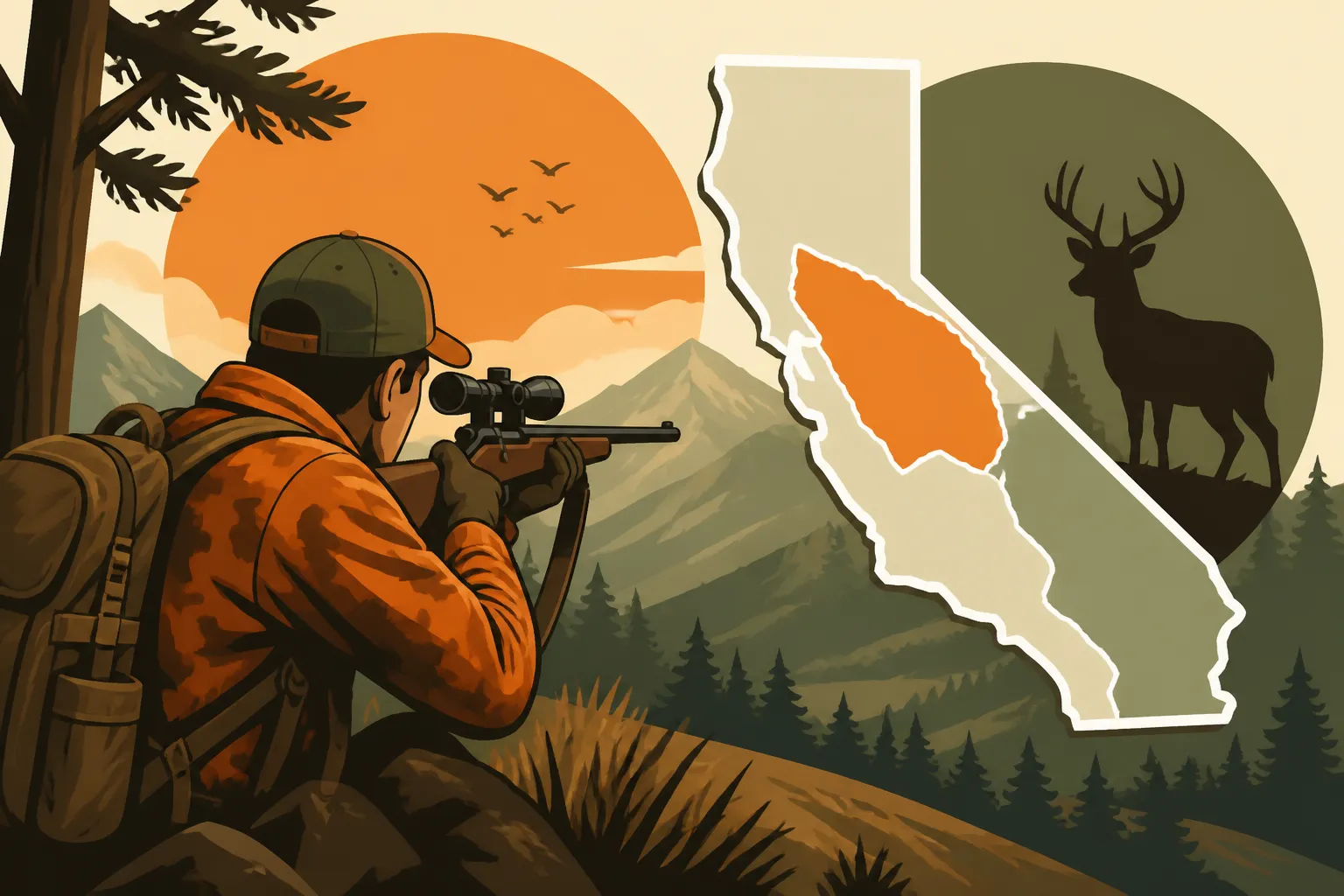
California's Zone C encompasses a vast and diverse region, primarily stretching across the northern part of the state, including portions of the Mendocino National Forest, Six Rivers National Forest, and a lot of the Coast Range oak woodlands. By the time October rolls around, this landscape is in a transitional phase, impacting both the environment and the blacktail deer you're pursuing. It’s crucial to understand these dynamics to formulate an effective hunting plan.
Typical October Conditions and Deer Movement
October in Zone C can be a mixed bag, to say the least. While we all dream of those perfect, cool, overcast days that make deer move, often you're greeted with dry, warm conditions, especially in the early part of the month. The ground can be crunchy underfoot, making quiet movement incredibly difficult. Wildfires are also a perennial concern in California, and lingering smoke or recent burn scars can change the landscape and deer patterns dramatically. Deer, primarily coastal blacktails in this zone, are acutely aware of these conditions.
During the early part of October, deer might still be holding onto summer patterns, especially if temperatures remain high. They'll be feeding heavily in the cooler parts of the day, typically dawn and dusk, seeking shade and water during the midday heat. As the month progresses, and if a cold front or some rain moves in, you'll notice a significant shift. Deer become more active throughout the day, spending more time foraging. The pre-rut phase might also begin to kick in towards the latter half of October, with younger bucks starting to rub trees and make scrapes, and a general increase in deer movement as the testosterone starts to flow. Understanding "when the California rut peaks by zone" is a key piece of information, and for Zone C, it often leans later in October and into November. Keep an eye on acorn crops too; a good acorn year means deer will concentrate in oak woodlands, offering predictable food sources. Conversely, if you're hunting "after a poor acorn year", deer will be forced to browse on other available forage, which might mean a wider distribution or concentration on specific browse types.
Impact of Hunting Pressure on Zone C Deer
One of the undeniable realities of hunting public land in California, especially during a general rifle season, is hunting pressure. Zone C is no exception. By October, deer have likely been pressured for weeks, if not months, dating back to archery openers. This pressure makes deer more nocturnal, moving primarily under the cover of darkness. They become incredibly wary, using thick cover, steep canyons, and remote areas as sanctuaries. You won't find many deer lingering out in the open during legal shooting light if they've been bumped repeatedly.
This means you need to adjust your strategy. Forget about sitting on a prominent ridge hoping a buck walks by; those deer have learned to avoid such exposed areas. Instead, focus on finding those overlooked pockets of cover, steep north-facing slopes, or dense chaparral where deer feel secure. These are the places where deer will bed during the day. Accessing these areas often means hiking deeper and harder than most hunters are willing to go. Consider hunting a "funnel between two oak ridges" or thick stands of timber where deer feel safe traveling. Also, be mindful of wind and thermals, especially in the "wind and thermals in steep Sierra country" type terrain found in eastern Zone C, as deer will use these to their advantage to detect predators.
Effective Rifle Hunting Strategies for October Blacktails
Success in the October Zone C rifle season hinges on adaptability and a willingness to work harder and smarter than the average hunter. These blacktail bucks are survivors, and the October conditions, combined with hunting pressure, demand a thoughtful approach.
Scouting and Still-Hunting Techniques
Effective scouting doesn't just happen before the season; it's an ongoing process, even during the hunt. Given the dry, noisy conditions often present in October, covering ground quietly is paramount. Still-hunting, a slow, deliberate method of hunting where you move a few steps, stop, look, and listen, is incredibly effective in Zone C's timber and chaparral. Focus on areas with good cover, varied terrain, and potential escape routes. Look for fresh sign: rubs, scrapes, fresh tracks, and droppings. Since deer are pressured, these signs might be subtle or found in dense, overlooked areas.
When still-hunting, use the wind to your advantage, always moving into it or with a crosswind. Take five steps, then stop and glass thoroughly. Utilize natural sounds like rustling leaves or moving water to mask your movements. Concentrate your efforts during the first few hours of daylight and the last few hours before dark, as these are the times deer are most likely to be on their feet. Don't be afraid to slow down to an almost agonizing crawl – it's called still-hunting for a reason. Often, you'll spot deer before they spot you, especially if they're bedded down in thick cover. Understanding "where California blacktail bucks bed" will give you a significant advantage, often in dense brush, north-facing slopes, or timber pockets that offer both cover and a thermal advantage.
Utilizing Terrain and Cover
The diverse terrain of Zone C, from oak woodlands to dense conifer forests and chaparral, offers both challenges and opportunities. Understanding how deer use this terrain to their advantage, especially under pressure, is critical. During midday, deer will often retreat to the thickest, steepest, nastiest cover they can find. These are your target areas. Don't shy away from these places; that's where the deer are hiding.
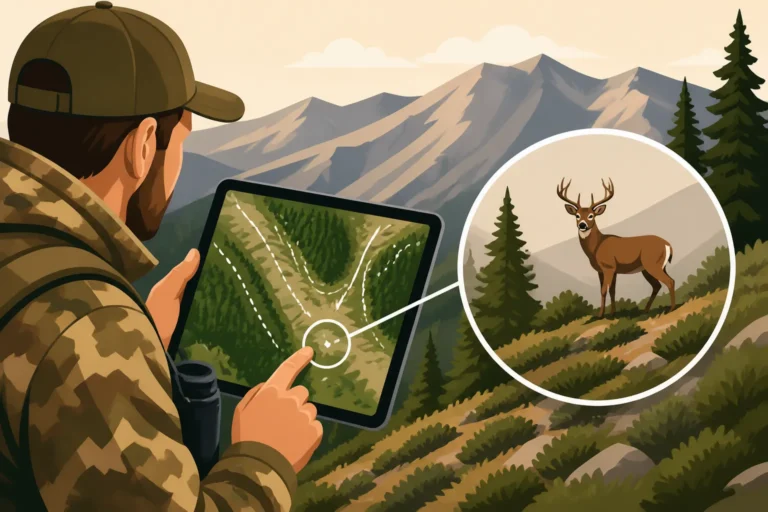
Focus on saddles, benches, and dense transition zones. A saddle can act as a natural travel corridor between two ridges, especially if it offers cover. Benches on steep hillsides provide flat areas where deer can rest and feed before continuing their ascent or descent. Ridge systems are also key. Deer often travel just below a ridge top, using the crest for concealment while still being able to detect movement or scent from below. Glassing these areas from a distance, particularly using high-quality binoculars or a spotting scope, can help you pick apart the cover. Consider using tools like GoHunt, which overlays public land boundaries and topographical maps, to identify these promising terrain features from your home, saving valuable in-field scouting time. Being able to "read aerial photos for Sierra deer" (even if you're in the Coast Range portion of Zone C, the principle applies) can highlight subtle changes in vegetation and elevation that deer will exploit.
Here’s a quick overview of how different terrain features influence deer behavior in Zone C during October:
| Terrain Feature | Typical Deer Use (October) | Hunting Tactic Recommendation |
|---|---|---|
| Oak Woodlands | Foraging for acorns, bedding in dense understory. | Still-hunt slowly, focus on fresh acorn drops, ambush points. |
| Steep Canyons | Midday bedding, escape routes, thermal currents. | Glass from opposing ridges, hunt slowly downwind, check benches. |
| Thick Chaparral | Primary bedding areas, sanctuary from pressure. | Still-hunt edges slowly, use game trails, be prepared for close shots. |
| Conifer Timber | Bedding, travel corridors between feeding areas. | Hunt thick stands, check clearings and edges, look for rubs. |
| Ridge Saddles | Travel corridors, natural funnels. | Set up an ambush, still-hunt quietly through. |
| Water Sources | Daily visits, especially if hot and dry. | Scout for tracks, set up early or late. |
Essential Gear and Regulatory Considerations
Having the right gear and understanding California's unique hunting regulations are just as vital as your hunting skills. Zone C hunting in October demands specific considerations, particularly regarding ammunition and how you navigate the often-rugged public lands.
Non-Lead Ammunition and Rifle Choices
California's statewide non-lead ammunition requirement is a critical regulation that every hunter must adhere to. By October, all ammunition used for taking any game species must be non-lead. This isn't just a recommendation; it's the law. For Zone C blacktails, common rifle calibers like .270, .308, 6.5 Creedmoor, and .30-06 are excellent choices, provided they are loaded with approved non-lead projectiles. These calibers offer a good balance of accuracy, range, and knockdown power for deer-sized game. Many hunters find that copper monolithic bullets, like Barnes TSX or Hornady GMX, perform exceptionally well, retaining nearly 100% of their weight and providing deep penetration.
When "choosing non-lead rifle ammunition in California", remember that these bullets often behave differently than traditional lead-core bullets. They can be longer for their weight, which might require a different twist rate in your rifle barrel for optimal accuracy, though most common hunting rifles handle them fine. It's imperative to sight in your rifle with your chosen non-lead ammunition well before opening day. Don't assume it will shoot the same as your old lead loads. Practice at various ranges to understand your bullet's trajectory. You can find more detailed information on "which non-lead bullets California approves" by checking the CDFW website or consulting your local sporting goods store. Given the potential for close-range shots in thick cover and longer shots across canyons, having a rifle you're proficient with and ammunition you trust is paramount.
Navigation and Public Land Access Tools
Navigating Zone C, particularly on vast public lands like national forests or Bureau of Land Management (BLM) tracts, requires reliable tools. Cell service can be spotty or non-existent in many areas, so relying solely on your phone's GPS is risky. A dedicated GPS unit or a smartphone app with offline mapping capabilities is a must. Modern hunting apps, such as GoHunt or onX Hunt, are invaluable. They allow you to download maps before you leave home, showing public and private land boundaries, topographical features, game migration corridors, and even points of interest like water sources or potential bedding areas. These apps can be a game-changer for "scouting California public land before season" and navigating effectively during the hunt.
When hunting in national forests or on BLM land, always be aware of regulations regarding vehicle use, camping, and potential area closures due to fire danger or timber operations. Always carry a physical map and compass as a backup, and know how to use them. Share your hunt plan with someone responsible, including where you're going and when you expect to return. This is especially important if you're planning a multi-day backcountry hunt in rugged terrain, where injuries or getting lost can quickly turn dangerous. Remember that even on public land, access can be tricky, sometimes requiring you to cross small private parcels to reach larger public tracts. Always respect private property and be sure you understand "California trespass and permission law" before you head out.
Disclaimer
Please remember that hunting regulations, seasons, and land access rules in California can change frequently. Always consult the latest California Department of Fish and Wildlife (CDFW) regulations booklet or website before heading afield. This guide is for informational purposes only and does not supersede official regulations. Stay safe, be ethical, and respect the land and wildlife.