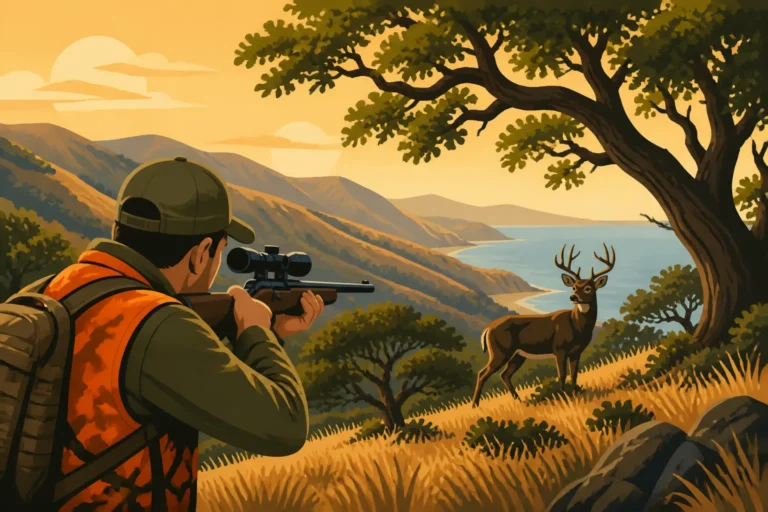
Hunting Deer After a Cold Front
There's nothing quite like the feeling of anticipation when a real cold front rolls into California during deer season. We've all been there: enduring those unseasonably warm, still days where the deer just seem to melt into the landscape, hardly moving, making you question every scouting trip and hunting strategy. It's frustrating, right? You put in the time, you hike the miles, and the deer just aren't cooperating. But then, the forecast shifts, a storm system pushes through, and suddenly, that crisp, clean air promises a change in deer activity. This guide is all about understanding exactly how those cold fronts impact California deer and how you can adapt your approach to capitalize on what often becomes some of the best hunting of the year.
Understanding Cold Fronts and Deer Behavior in California
Let's get down to brass tacks about what a "cold front" actually means for us hunters in California. It's more than just a temperature drop; it's a dynamic shift in the atmosphere that profoundly influences how deer live their lives, even for a short while. Knowing these patterns is your first step to unlocking success when that weather changes.
What Exactly is a Cold Front?
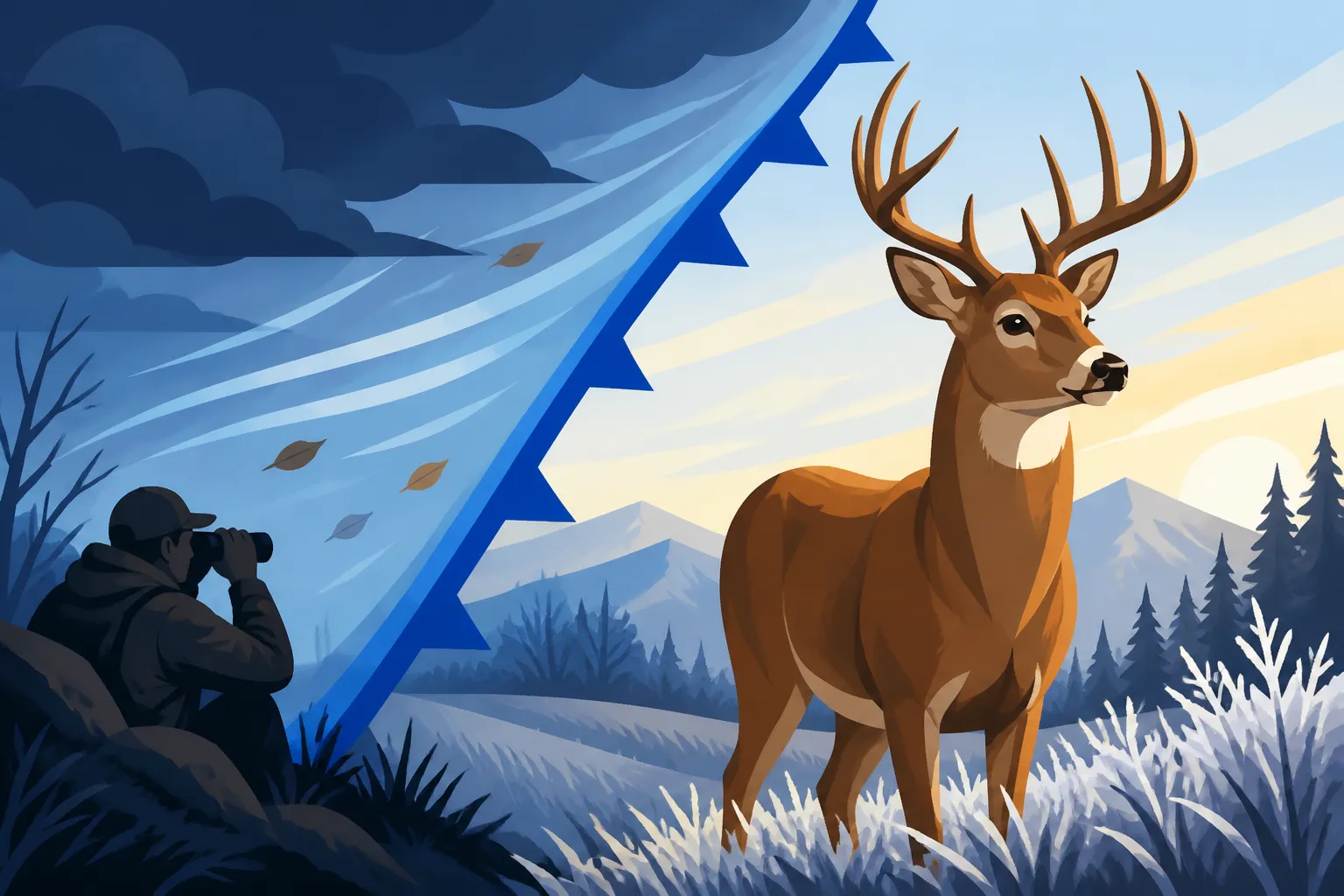
In simple terms, a cold front is the leading edge of a cooler, denser mass of air replacing a warmer, less dense mass of air. When this happens, especially in California's varied terrain, the effects can be dramatic. Think about a typical scenario: you might have a warm, stagnant high-pressure system dominating, leading to those slow, frustrating hunting days. Then, a new low-pressure system moves in, often bringing precipitation like rain or snow, followed by that crisp, clear, high-pressure air that defines the post-frontal conditions.
This shift brings several key changes. First, obviously, is the temperature plummet. What might have been a balmy 70 degrees in the foothills can drop to 40 degrees or even lower in the high country. Secondly, you often get stronger winds, especially as the front passes. Finally, after any associated rain or snow, the skies usually clear, and atmospheric pressure rises. This shift in pressure is a major driver of deer activity. From the coastal ranges to the Sierra Nevada, a cold front reshapes the deer's immediate environment, and understanding these atmospheric nuances is crucial for predicting their movements.
Pre-Frontal Activity: The Burst of Feeding
Before the cold front fully arrives and the temperatures really drop, deer often experience a surge of activity. This is what we call "pre-frontal feeding." Think of it like a deer's natural instinct to stock up on groceries before a storm hits. They know instinctively that colder temperatures are coming, which means more energy will be needed to stay warm.
You'll often see deer becoming incredibly active in the 12-24 hours leading up to a significant cold front. This is when they're hitting food sources hard, trying to pack in as many calories as possible. If a front is predicted with a good chance of rain or snow, this pre-frontal window can be absolutely golden. I've seen deer pile into an open alfalfa field in the Central Valley, or descend from thicker cover to feed aggressively in an oak flat in the coastal hills, just hours before a cold rain started. This burst of activity offers a unique, albeit often short-lived, opportunity to catch deer out and moving in daylight. Timing your hunt to coincide with this period means keeping a very close eye on those weather apps.
Post-Frontal Behavior: The Calm After the Storm
Once the cold front has moved through, and the skies clear, you're usually left with those beautiful, crisp, clear days that hunters dream about. The air feels clean, often there's very little wind, and the temperatures are significantly cooler than before. This is the "post-frontal" period, and deer typically react to it in a very specific way.
Initially, right after the worst of the weather has passed, deer might hunker down for a few hours, especially if heavy rain or snow was involved. But as soon as the weather stabilizes, and that high-pressure system settles in, they often become incredibly active. Why? Several reasons. Their metabolism gets a boost from the colder temperatures, making them feel more energetic. The cooler air also means fewer biting insects, which can be a real nuisance during warmer weather. And with the clear, crisp air, their senses of smell and hearing are often heightened, but so is your visibility. This is often the best time to find deer up and feeding, cruising for does, or simply moving more confidently through their territory. They're comfortable, invigorated, and looking to replenish those calories they burned during the pre-frontal rush and the cold snap itself.
Adapting Your Hunting Strategy After a Cold Front
Knowing how deer react to cold fronts is one thing, but actually putting that knowledge into practice is where the rubber meets the road. Successful hunting after a cold front isn't just about showing up; it's about making specific adjustments to your game plan.
Focus on Food Sources
After a cold front, deer are driven by one primary instinct: to eat and replenish their energy stores. This means your hunting strategy should heavily revolve around identifying and setting up near reliable food sources. In California's incredibly diverse landscapes, what constitutes a "prime" food source can vary dramatically.
If you're hunting in the oak woodlands of the Coast Range or the Sierra foothills, acorns are king. Deer will gravitate heavily towards flats and ridges where oak trees are dropping their mast. Look for fresh droppings, disturbed leaf litter, and tracks around the bases of oak trees. If it's been a poor acorn year, you might need to broaden your search to other browse like manzanita, ceanothus, or wild grapes. In agricultural areas, especially around the Central Valley, deer will move into fields of alfalfa, clover, or even recently harvested corn fields to feed. For high-country mule deer, bitterbrush and aspen stands can be crucial. Scouting these areas thoroughly before the season, and especially after a front, will give you a significant advantage. Remember, deer are going to be calorie-seeking machines.
Hunting Bedding Areas and Transition Zones
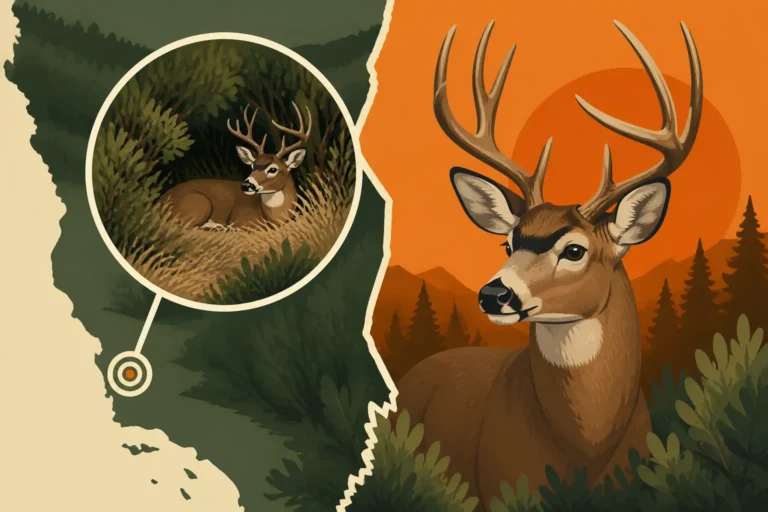
While food sources draw them out, deer also need comfort and safety, especially after a cold snap. After feeding, they'll often retreat to bedding areas that offer protection from the elements and a sense of security. These typically include south-facing slopes that catch the most sun, thick thermal cover like dense stands of timber or chaparral, and brushy pockets that block the wind.
My strategy often involves focusing on transition zones – the travel corridors between these bedding areas and the primary food sources. Deer won't just materialize at a food plot; they'll use specific trails, ridge lines, and creek bottoms to move. These funnels become especially active after a cold front. Consider setting up on a ridge-top saddle at first light, or identifying entry routes through a Sierra foothill meadow during mid-day as deer move from their beds to afternoon feeding. By understanding where California blacktail bucks bed and how they use these thermal sanctuaries, you can position yourself strategically for an encounter. A mapping tool like GoHunt can be invaluable here, allowing you to mark potential bedding areas, identify travel corridors, and visualize the terrain even before you step foot in the woods.
Utilizing Increased Deer Movement
One of the most exciting aspects of hunting after a cold front is the increased deer movement. Those sluggish days often disappear, replaced by deer that are more apt to be on their feet and visible during daylight hours. This opens up opportunities for more active hunting methods.
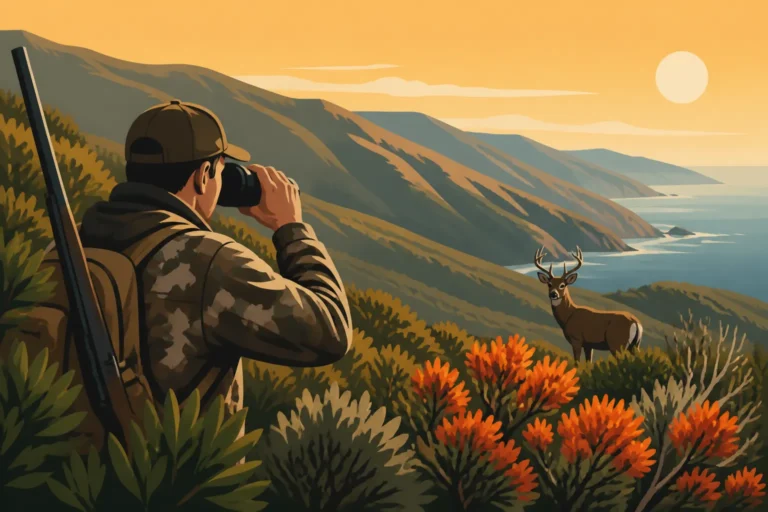
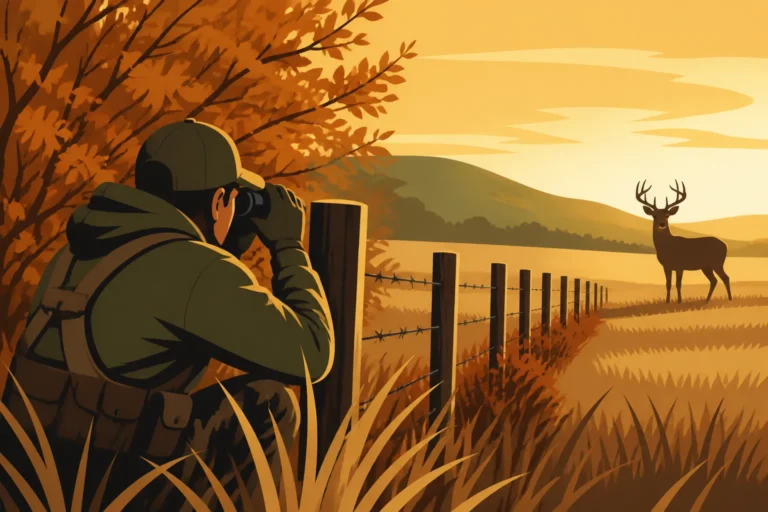
Still-hunting through timber becomes much more effective when deer are on the move. Rather than sitting in one spot, you can slowly and deliberately cover ground, stopping frequently to glass and listen. Focus on areas of dense cover where deer might feel secure moving. If you're hunting more open country, such as the eastern Sierra or parts of the Mojave Desert fringe, glassing a canyon for a bedded buck becomes your superpower. The clear air and improved visibility allow you to pick apart distant hillsides with your binoculars or spotting scope. Patience is key here; don't rush. Take your time, break down the terrain into small sections, and let your optics do the walking. The more eyes you put on the ground (via your glass), the higher your chances of spotting that moving deer.
Key Considerations for California Hunters
California's diverse topography and unique regulations add several layers to the "cold front" equation. What works in one part of the state might need tweaking in another.
Wind and Thermals
A cold front often brings significant wind, especially as it moves through, and sometimes even in its wake. Understanding how wind interacts with thermals in steep Sierra country, or even rolling coastal hills, is paramount. Thermals are essentially air currents that rise and fall with temperature changes. In the morning, as the sun warms the ground, air rises (up-drafts). In the evening, as the air cools, it falls into canyons and drainages (down-drafts).
After a cold front, these patterns can be intensified or altered. Strong winds can completely override thermals, making scent control even more critical. When the air is calm and crisp, however, thermals become very predictable. Always, always play the wind. It's the one thing you cannot control, and if a deer catches your scent, your hunt is over. Be mindful of your approach, especially when transitioning from shaded canyons to sun-exposed ridges.
Gear and Preparedness
The temperature swings that come with a cold front in California can be brutal. You might start your day in near-freezing temperatures, only for the sun to pop out and warm things up significantly by mid-morning, especially if you're hiking hard. This is why layering your clothing is not just a suggestion, it's a necessity. Think moisture-wicking base layers, insulating mid-layers, and a waterproof/windproof outer shell. It allows you to adjust to the conditions throughout the day, ensuring you stay warm, dry, and comfortable. Layering for hot-to-cold Zone A archery days is a skill you'll perfect quickly in California.
Footwear is another critical component. A cold front might bring rain or snow, meaning wet, slick, and potentially muddy conditions. Invest in the best boots for steep wet-season Sierra trails or rocky, frozen ground. Good traction and waterproofing are non-negotiable. Finally, with the clear skies and often improved visibility post-front, quality optics become even more valuable. A good rangefinder and a set of crisp binoculars will help you pick apart distant slopes and accurately judge distances.
Timing Your Hunt
Monitoring weather forecasts is crucial for timing your hunt around a cold front. Don't just look at the current day; pay attention to the 2-3 day forecast to anticipate the pre-frontal activity and plan for the post-frontal surge. The "golden window" immediately following a significant cold front might only last a couple of days before deer revert to more typical patterns, or adapt to the new normal.
California's multi-zone deer season system means that these fronts can hit different zones at different times, or affect them differently depending on their elevation and geography. Some D-zones that open in August might experience a hot-weather sitting strategy for most of the season, but a late-season cold front could completely change that. Understanding why California's zones open on different dates and how weather patterns interact with those dates will help you optimize your hunt. Use apps and websites to track cold fronts, high/low pressure systems, and precipitation chances.
Advanced Tactics and California Specifics
Beyond the basics, there are a few advanced tactics and California-specific nuances that can further improve your odds when hunting after a cold front.
Glassing Strategy in Clear Conditions
With the improved visibility that often follows a cold front, your glassing strategy can be a game-changer. The crisp, clean air, especially in areas like the eastern Sierra or wide-open D-zones, means you can pick out deer from much greater distances. Instead of just quickly scanning, slow down and meticulously "grid" the terrain. Use a spotting scope on a tripod to really pick apart burn scars, open sagebrush flats, and the shady sides of canyons.
Focus on edges: where timber meets open country, where chaparral breaks into grassland, or along rocky ledges. Deer will often use these transition areas for both travel and feeding. Don't just look for whole deer; look for parts of a deer – an ear flick, a patch of hide, the horizontal line of a back against vertical timber. Advanced mapping features on platforms like GoHunt can pinpoint vantage points with expansive views, helping you maximize your glassing efforts in these prime post-front conditions. Remember, glassing mule deer in open California country is an art, and clear conditions make it much easier to practice.
Understanding Pressure and Buck Movement
While a cold front generally increases deer movement, it's also important to consider hunter pressure, especially on California public land. A significant cold front that promises improved hunting can also bring more hunters into the field. If an area gets hit hard with pressure, even a post-front surge in activity can be negated by bucks going nocturnal or seeking out incredibly thick, nasty cover that few hunters are willing to penetrate.
To counter this, focus on finding ground others walk past. This might mean hiking deeper, seeking out areas with tougher access, or exploring less-obvious pockets of cover near roads that most hunters overlook. Big, mature bucks are incredibly sensitive to pressure, and while a cold front might make them want to move, they'll prioritize safety if hunters are everywhere. Combine your weather-driven strategy with a sound understanding of hunting pressure on California public land.
The Role of Acorns and Other Mast Crops
We talked about food, but it bears repeating: acorns, where available, are a prime driver of deer movement after a cold front. A significant drop in temperature means deer need high-calorie foods, and acorns fit the bill perfectly. If there's been any rain associated with the front, it can wash away old sign, making fresh tracks and droppings around oak trees even more obvious.
Dedicate time to scouting these oak stands. Look for fresh deer activity, recent rooting if wild pigs are present (they love acorns too!), and heavily browsed areas. The detailed satellite imagery available on GoHunt can help identify oak stands and mast-producing trees in your hunting unit, allowing you to prioritize which areas to check first after the front passes. Even if it's late in the season, late-season food sources for California deer are going to be those energy-rich options, and acorns top that list in many regions.
| Factor | Pre-Cold Front Conditions | Post-Cold Front Conditions | Optimal Hunting Strategy |
|---|---|---|---|
| Deer Activity | Increased (feeding, hurried) | Increased (relaxed, invigorated) | Aggressive pursuit of food sources, ambushing. |
| Weather | Warming, dropping pressure, storms | Cooling, rising pressure, clear skies | Prepare for rain/snow, focus on timing before bad weather. |
| Wind | Often variable, sometimes calm | Often calm, crisp, predictable thermals | Monitor shifts, play the wind strictly, use thermals. |
| Visibility | Can be hazy/humid, pre-storm | Excellent, crisp, clear | Glassing long distances, spotting subtle movements. |
| Food Sources | Heavy focus on prime calorie sources | Continued heavy focus on calorie sources | Prioritize acorns, browse, agriculture. Scout diligently. |
| Bedding | May be near food for quick access | Seek thermal cover, sun-exposed slopes | Hunt transition zones between food and bedding. |
| Clothing | Layer for potential rain/humidity | Layer for significant temperature drops | Adapt to rapid changes, prioritize warmth and dryness. |
Disclaimer
Always consult the latest California Department of Fish and Wildlife (CDFW) regulations before any hunting activity, as rules and seasons are subject to change. This guide provides general information and should not be considered legal advice.