Where California Blacktail Bucks Bed
Hunting California blacktail bucks can feel like chasing ghosts through the brush, especially when you're trying to pinpoint their bedding areas. Many hunters get frustrated, walking through what looks like prime cover, only to jump deer they never knew were there, or worse, finding absolutely no sign. This guide is designed to peel back the layers of blacktail behavior, helping you understand precisely where and why these elusive bucks choose to bed, so you can increase your chances of a successful hunt.
Understanding Blacktail Behavior and Habitat Preferences
Blacktail deer are creatures of habit, yet incredibly adaptable, making their bedding choices both predictable and challenging to pinpoint. They thrive in diverse landscapes, from dense coastal forests to rugged interior mountains, and their bedding habits are intrinsically linked to these varied environments. To truly understand where a blacktail buck beds, you first have to get inside its head, considering its core needs for safety, comfort, and access to resources.
The Influence of Terrain and Vegetation on Bedding
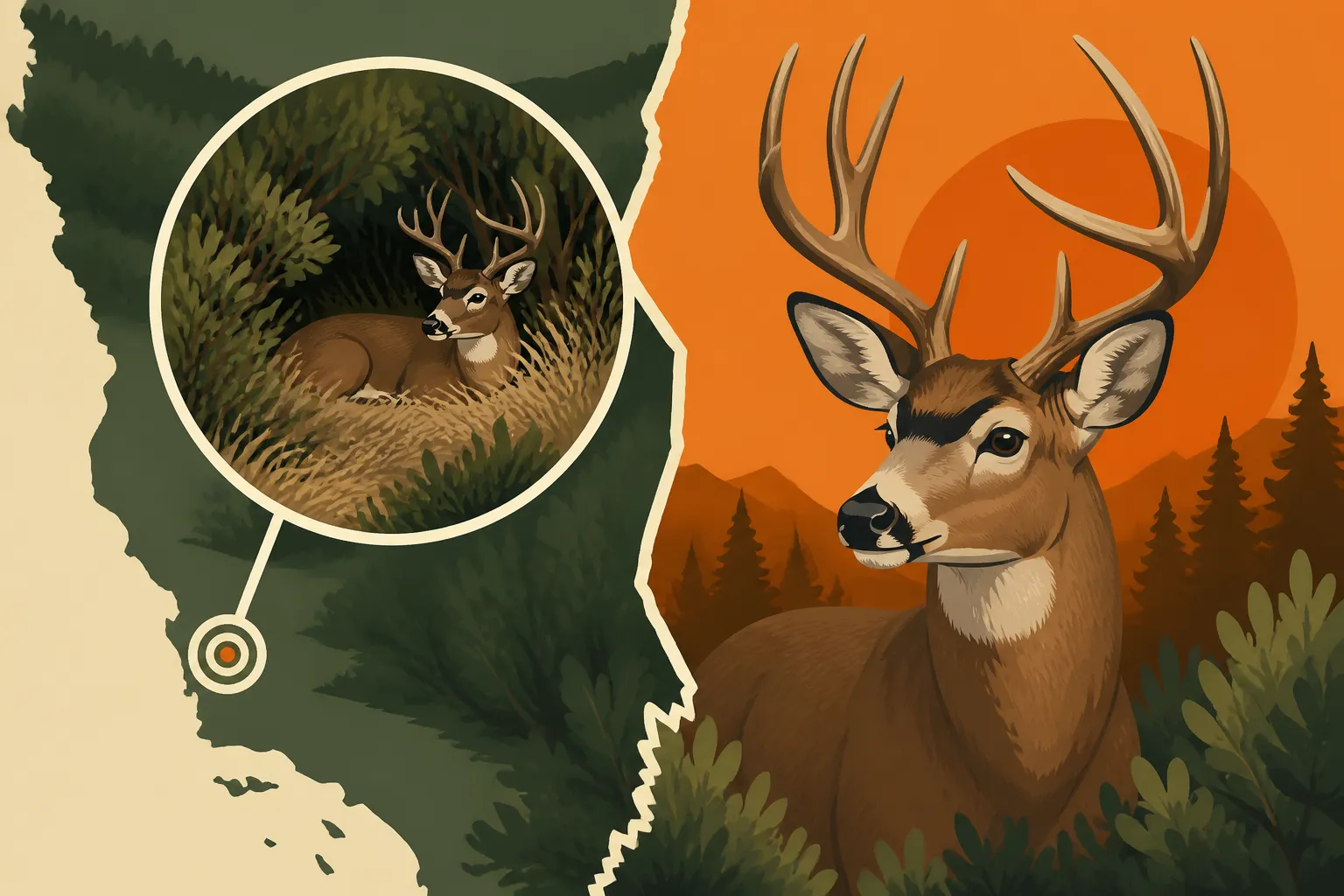
California's terrain is notoriously rugged and diverse, and blacktail bucks use every fold, rock, and thicket to their advantage when bedding. They are masters of concealment, preferring areas that offer a blend of visual obstruction and tactical advantages. You'll often find them utilizing steep slopes, deep canyons, and dense vegetation to create a secure sanctuary. In the Coastal Range, this might mean bedding deep within the tangled oak woodlands or in pockets of thick chaparral that are nearly impenetrable to humans. Further inland, especially in areas like the Sierra Nevada foothills, they might opt for dense stands of timber with plenty of downed logs, or the shaded sides of steep canyons. The key is how the terrain and vegetation work together to provide cover from predators (including hunters) and shelter from the elements. A buck isn't just looking for a soft spot; it's looking for a strategic vantage point or a place where it can disappear at a moment's notice.
Seasonal Changes in Bedding Sites
A blacktail buck's bedding preferences aren't static; they shift dramatically throughout the year, driven by changes in weather, forage availability, and hunting pressure. In the hot, dry summer months, particularly during early archery seasons like the one that starts with the California Zone A Archery Opening Day, bucks will often seek cooler, shadier spots. This could mean north-facing slopes, dense timber, or creek bottoms where temperatures are a few degrees lower. As fall approaches and temperatures drop, and especially when the rut begins, their focus might shift. They may still prioritize cover, but they might also bed closer to areas where does are frequenting, or in locations that offer a good vantage point for scent-checking for estrous does. During the peak of rifle seasons, increased human activity will push bucks into the thickest, most secluded cover they can find, often in areas that hunters are less willing to penetrate. Understanding these seasonal shifts is crucial for adapting your scouting and hunting strategies.
Key Factors Dictating a Blacktail Buck's Bed Choice
When a blacktail buck picks a spot to lay down for the day, it's not a random decision. Every bedding location is chosen with a specific set of criteria in mind, all revolving around survival, comfort, and efficiency. Knowing these factors is like having a cheat sheet to predicting their movements.
Security Cover and Escape Routes
This is arguably the most critical factor for a bedding buck. Blacktails are masters of using topography and vegetation to their advantage for security. They want to be hidden from view, but also have multiple options to escape danger if detected. You'll often find them bedding in extremely dense cover, whether that's thickets of ceanothus, manzanita, or even blackberry brambles that no human would willingly walk through. The cover provides visual security, allowing them to rest undisturbed. But just as important are the escape routes. A buck will often bed on a bench or a point overlooking a steep canyon, giving it the ability to drop down and quickly put distance between itself and a perceived threat. They might bed near a saddle that offers access to two different drainages or thickets. The idea is to have a bolt-hole, a quick path to safety. When you're Hunting Coastal Range Oak Woodlands, look for these super-dense pockets, especially those with steep terrain adjacent, as they scream "security" to a blacktail.
Wind, Thermals, and Scent Dispersal
A blacktail buck uses its nose as its primary defense mechanism, making wind and thermals absolutely paramount in its bedding choices. Bucks will almost always bed in a spot where they can use the air currents to detect danger. In the morning, as the sun heats the ground, thermals will typically rise. A buck might bed on a ridge top or a high point, allowing it to smell anything approaching from below. As the day progresses and the ground cools, thermals reverse and start to fall. A buck might reposition itself on a lower slope or in a canyon bottom to catch rising scents. This is why understanding Wind and Thermals in Steep Sierra Country is so vital. They want the wind or rising thermals carrying scent from below and behind them, while having a visual on anything approaching from in front or above. This creates a near-perfect defensive setup. Using a mapping app like GoHunt can help you visualize contour lines and predict thermal shifts, giving you an edge in identifying these strategic bedding points.
Proximity to Food and Water Sources
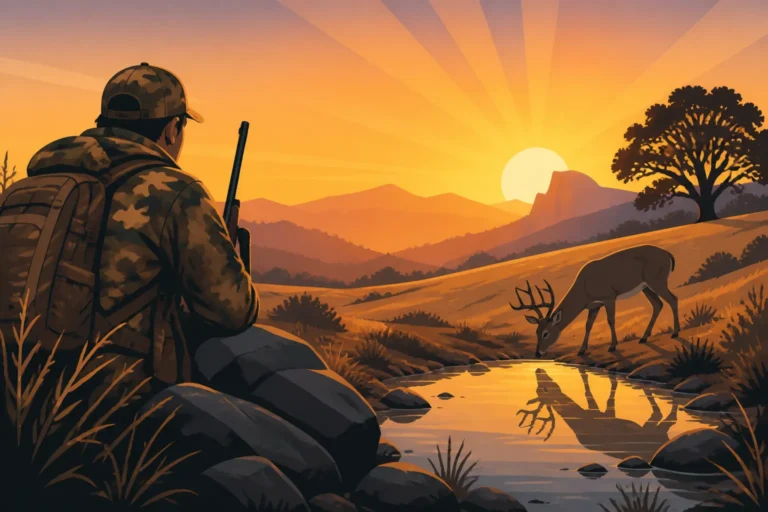
While security is king, a buck still needs to eat and drink. Therefore, bedding areas are usually chosen within a reasonable distance of reliable food and water sources. They won't bed directly in their feeding areas, but they won't be miles away either. During the late summer and early fall, when acorns are falling, you'll often find bucks bedding in thick cover adjacent to oak groves. In dry years, they might bed closer to perennial springs, creek beds, or shaded seep zones. The idea is to minimize the energy expenditure and exposure required to get from bed to food and water. They want to be able to get up, grab a bite or a drink, and then return to their secure bedding area with minimal risk. This creates a travel corridor, or "transition zone," between bedding and feeding areas, which can be excellent ambush points for patient hunters.
Scouting for Bedding Areas and Implementing Hunting Strategies
Finding where blacktail bucks bed is a blend of pre-season detective work and in-the-field observation. It requires patience, keen eyes, and a good understanding of the deer's needs.
Interpreting Sign and Using Topographical Maps
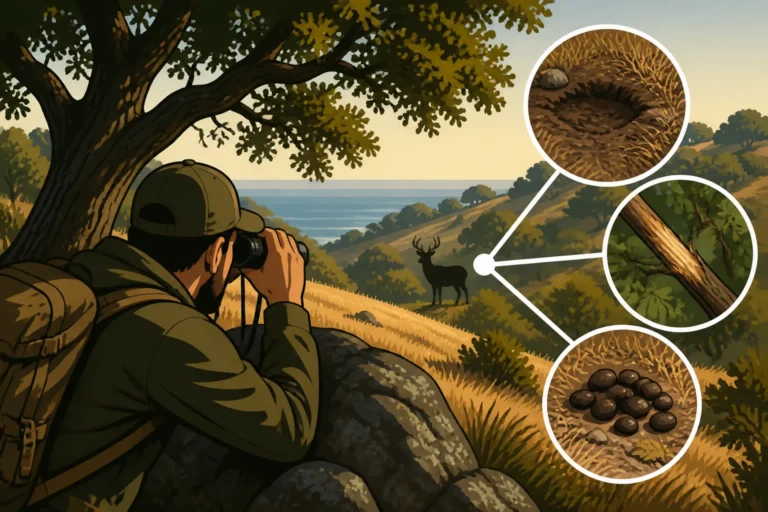
Long before the season opens, you should be on the ground, or at least on your computer screen, scouting. When you're Scouting California Public Land Before Season, look for signs of heavy deer activity that might indicate bedding areas. These include heavily used trails leading into dense cover, large, flattened areas of grass or duff (beds themselves), rubbed trees, and fresh droppings. Scrapes and rubs, while often associated with travel corridors, can sometimes indicate the fringes of bedding areas, particularly during the rut.
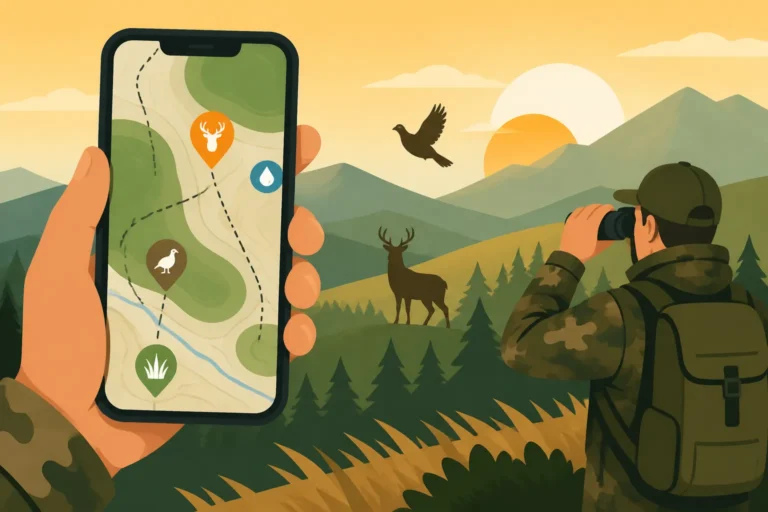
Topographical maps, whether paper or digital (like those found on GoHunt), are invaluable tools. Look for benches, saddles, and small points on steep slopes, especially those with dense vegetation indicated by green or darker shading on maps. These are classic blacktail bedding locations. Analyze the terrain for natural funnels or pinch points that lead into these thickets. Remember, blacktails often bed on the downwind side of a ridge or prominent feature, allowing them to smell anything coming from the windward side. Use the contour lines to predict potential escape routes—steep draws or thickets that would allow a buck to vanish quickly. When Reading Aerial Photos for Sierra Deer, pay close attention to the interfaces between different vegetation types, such as where timber meets dense brush, or where north-facing slopes offer cool, dense cover.
Still-Hunting and Observation Techniques
Once you've identified potential bedding areas through scouting and mapping, the next step is to approach them tactically. Still-hunting, moving incredibly slowly and deliberately through the woods, stopping frequently to glass and listen, is often the most effective method for locating bedded bucks. Focus on moving into the wind or crosswind, always paying attention to thermals. Look for horizontal lines in a vertical world – the back of a deer, the curve of an antler, the distinct outline of an ear. Use your binoculars to pick apart every shadow and patch of cover.
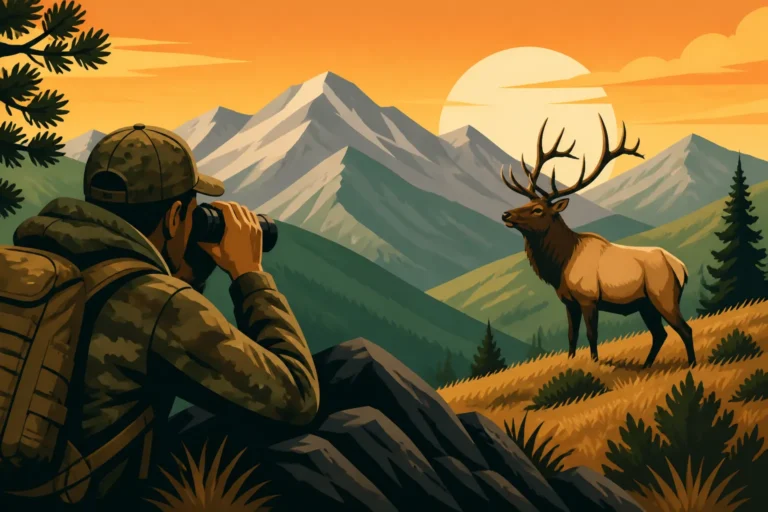
Consider approaching a suspected bedding area from a high vantage point at first light, or in the late afternoon. This allows you to Glassing a Canyon for a Bedded Buck from a distance, observing patterns without disturbing the deer. Sit for extended periods, glassing every nook and cranny. Blacktails are masters of holding tight, often letting hunters walk right past them. A subtle flick of an ear, a swish of a tail, or a patch of hair catching the sunlight might be your only clue. Remember, these bucks are often bedded just out of sight, using a slight dip in the terrain or a strategically placed shrub for concealment. Patience is your best friend when trying to locate these hidden sentinels.
Common Blacktail Bedding Scenarios by Region
California's vast landscape means blacktail bedding habits can vary significantly from one region to another. Understanding these localized tendencies can further refine your approach.
Coastal Range Oak Woodlands
In the dense, often fog-shrouded Coastal Range, blacktail bucks often bed in the thickest parts of the oak woodlands. Look for patches of poison oak, coyote brush, and various ceanothus species that form impenetrable walls. Bucks will often choose north-facing slopes or shady canyons where the vegetation is particularly lush and dense. They might utilize the steep, brushy hillsides that drop into creek bottoms, giving them immediate cover and access to water. The downed timber from past storms can also create excellent bedding structure. It's common for them to bed on small benches or points overlooking a drainage, always trying to keep the wind or thermals in their favor. During the warmer months, especially, you might find them in the cool, shaded timber pockets, often near water sources. When you're in this environment, thinking about Hunting a Funnel Between Two Oak Ridges can also lead you to areas where bucks travel from bedding to feeding.
Sierra Nevada Foothills and Timber
Moving eastward into the Sierra Nevada foothills, the landscape becomes rockier and more open in places, but still offers plenty of cover. Here, blacktails might bed in dense conifer stands, especially those with thick undergrowth or numerous fallen trees. They favor the steep, rocky slopes, often on the leeward side of a ridge that offers protection from strong winds, while still allowing thermals to carry scent. South-facing slopes that get ample sun in the morning might be preferred in colder periods, but during the heat of summer, north-facing slopes and shaded canyons are key. Look for areas with a mix of timber and brush, particularly where the two meet. This transition zone provides both cover and easy access to diverse forage. Hunters focusing on Still-Hunting California's Sierra Nevada Timber will want to pay close attention to any breaks in the canopy or areas of dense saplings that create bedding pockets.
Chaparral and Brushy Areas
Chaparral, a dense, thorny shrubland, is blacktail country through and through, especially in southern and central California. Bucks will bed right in the middle of these seemingly impenetrable thickets, using the density for ultimate security. Finding a bedded buck here is often more about patience and slowly picking apart the cover than spotting them from afar. They often bed on small rises or points within the chaparral, giving them a slight elevation advantage. These areas are tough to hunt, but can be incredibly rewarding. If you're trying Rattling Volume in Thick Chaparral, be prepared for close-quarters encounters, as bucks might emerge from literally feet away. Look for "tunnels" or barely visible deer trails leading into the densest parts of the brush. Blacktails can also be found bedding in these environments near agricultural fields or vineyards, using the thick cover as a sanctuary adjacent to prime feeding grounds.
Here's a table summarizing some typical blacktail bedding characteristics:
| Factor | Coastal Range Oak Woodlands | Sierra Nevada Foothills & Timber | Chaparral & Brushy Areas |
|---|---|---|---|
| Vegetation | Dense oak understory, poison oak, coyote brush, ceanothus | Conifer stands, downed timber, manzanita, buckbrush | Chamise, manzanita, scrub oak, dense ceanothus |
| Terrain | Steep slopes, creek bottoms, benches, points overlooking drainages | Rocky slopes, ridge lines, benches within timber, canyon sides | Small rises, knolls, breaks in dense thickets, steep slopes |
| Seasonality | Cooler, shadier spots in summer; rut areas in fall | North-facing in summer; sunnier spots in cold weather | Dense cover year-round, closer to water in dry periods |
| Security | Impenetrable thickets, quick drops into canyons | Thick timber, downed logs, rocky outcrops for concealment | Extreme density, "tunnel" escape routes |
| Wind/Thermals | Uses rising thermals in morning; shifting winds from coastal breezes | Utilizes thermals off steep slopes; protects from strong winds | Detects approaching scent from dominant wind direction |
| Food/Water | Near acorns, browse, perennial creeks, seeps | Near browse, mast crops, springs, melting snow runoff | Near browse, seasonal springs, adjacent agricultural fields |
Disclaimer
Please note that hunting regulations, seasons, and access rules in California can change. Always consult the latest California Department of Fish and Wildlife (CDFW) regulations and specific land management agency rules before planning any hunt. This information is intended for educational purposes and general guidance only.