California Zone A Archery Opening Day
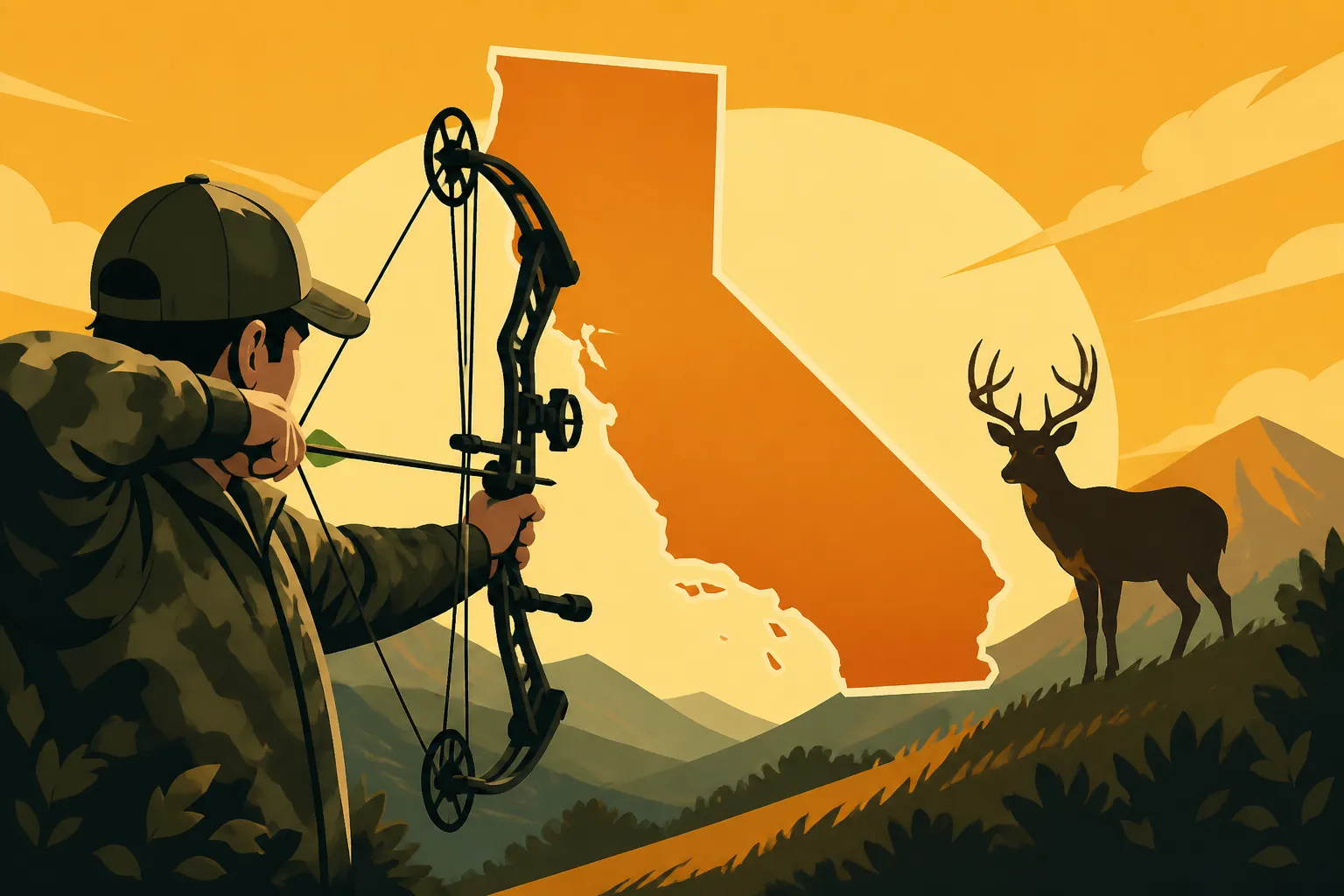
The California Zone A archery opening day is one of those times of year that tests every hunter's grit, patience, and resolve. Between the scorching August heat, the dense, noisy chaparral, and the notoriously skittish Columbia Blacktail deer, it can feel like a daunting challenge to even get a glimpse of a buck, let alone put a stalk on one. If you've ever felt the sweat dripping into your eyes as you try to glass through shimmering heat waves, or wondered how to effectively navigate the thick cover, this comprehensive guide is designed to help you prepare, understand the nuances, and ultimately find success during this unique and often frustrating early season window.
Understanding California's Zone A System and Archery Season
California’s deer hunting is broken down into numerous zones, each with its own season dates, regulations, and distinct hunting opportunities. Zone A is particularly significant because it encompasses a vast and diverse area of the state, primarily along the coast and into the inner coast range foothills. For many, it represents the earliest opportunity to chase big game with a bow in hand, a true test of skill and commitment before the general rifle seasons even begin.
What Defines Zone A
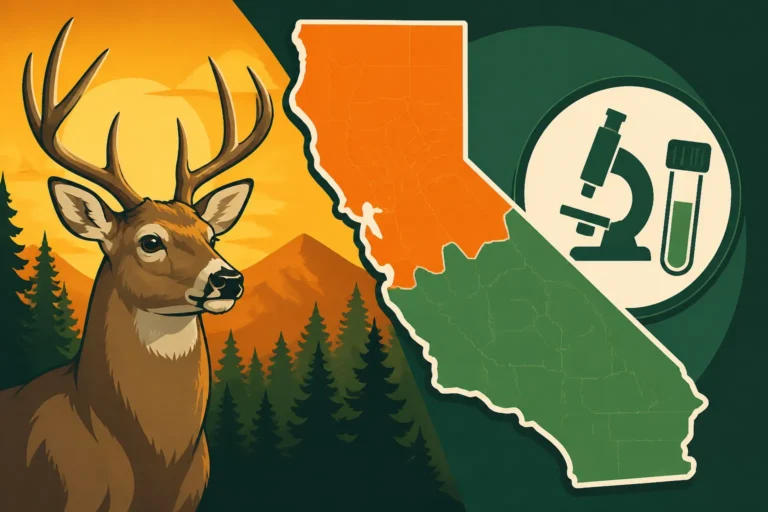
Zone A sprawls across a substantial portion of California, generally covering the coastal counties from Oregon down to Santa Barbara and inland into parts of Lake, Napa, and Sonoma counties, and even segments of the Central Valley foothills. This expansive territory means a wide variety of habitats, from dense coastal redwood forests in the north to oak woodlands and chaparral-covered hills in the south. The common thread is the presence of the elusive Columbia Blacktail deer, a challenging quarry known for its keen senses and preference for thick cover. Unlike some of the high-country zones that hold mule deer, Zone A is almost exclusively blacktail country, offering a unique hunting experience shaped by the deer's behavior in these specific environments.
Why Archery First
The archery-only season in Zone A is intentionally set before the general rifle season. This staggered opening provides bowhunters with a dedicated window to pursue deer with less pressure from firearms hunters. It's a tradition that acknowledges the inherent challenges of archery hunting, granting archers a head start when deer are typically less wary, although often still summer-patterned and concentrated around water or specific food sources. This early season also coincides with some of the hottest times of the year, adding another layer of complexity that bowhunters must contend with. Understanding this "archery first" philosophy helps hunters appreciate the unique opportunity and plan their approach accordingly, knowing that deer behavior will shift dramatically once the general season opens and pressure increases. You can learn more about California Zone A General Season Dates to see how the seasons compare.
Species and Terrain
The primary big game species you'll be pursuing in Zone A with your bow is the Columbia Blacktail deer. These deer are generally smaller than their mule deer cousins but are incredibly agile and well-adapted to the dense, brushy terrain characteristic of the zone. Their coats tend to be a darker brown, helping them blend seamlessly into the shadows of the oak woodlands and chaparral. You'll encounter a wide range of terrain within Zone A, from rolling hills covered in dense brush to steep, rocky canyons and pockets of mature timber. Hunting Coastal Range Oak Woodlands is a common strategy here, as these areas provide both cover and crucial food sources. Successful hunting often hinges on knowing the deer's habits in these diverse environments, understanding their escape routes, bedding areas, and how they utilize thermal currents and prevailing winds.
Key Dates and Early Season Challenges
Every hunter knows that opening day brings a mix of excitement and anxiety. For California’s Zone A archery season, that feeling is amplified by the specific conditions inherent to mid-August in the golden state. Knowing the exact dates and preparing for the unique environmental hurdles is critical for a safe and successful hunt.
The Official Opening Day
The California Zone A archery season typically opens on the second Saturday in August. While the exact date shifts slightly each year, it consistently falls within this mid-August timeframe. For many eager bowhunters, this opening day marks the culmination of months of preparation, target practice, and anticipation. It's a hard-earned privilege to be out in the field during this exclusive period. Hunters should always consult the current California Department of Fish and Wildlife (CDFW) regulations or utilize reliable apps like GoHunt to confirm the precise dates for the season they plan to hunt. Double-checking these details ensures you’re not caught off guard by any last-minute changes or unexpected closures that might affect your planned hunting trip.
Weather Woes and Their Impact
Mid-August in California is almost synonymous with heat, and Zone A is no exception. Hunters often face daytime temperatures soaring into the 90s or even triple digits, especially in the inland portions of the zone. This intense heat directly impacts deer behavior, driving them to seek shade during the hottest parts of the day and concentrating their movement during the cooler mornings and evenings, often around water sources. It also puts a significant strain on hunters, increasing the risk of dehydration and heat exhaustion. Planning your day around these temperature extremes, focusing your efforts during prime movement times, and hydrating diligently are not just recommendations but absolute necessities. The heat also means that processing game quickly and efficiently is paramount to preserving the meat.
Pre-Season Scouting for Success
Given the dense cover and the challenging conditions of Zone A, thorough pre-season scouting isn't just helpful—it's absolutely crucial. Blacktail deer are masters of concealment, and in the early season, they often stick to tight, shaded bedding areas near water. Identifying these key locations, along with natural travel corridors, rubs, scrapes, and feeding areas, can give you a significant advantage. This means hitting the dirt well before the season opens, using binoculars and spotting scopes to glass shaded canyons at dawn and dusk, and physically walking potential hunting grounds to find fresh sign. Focus on areas with perennial water sources, thick north-facing slopes for bedding, and saddles or ridges that connect these areas. Platforms like GoHunt can be incredibly useful for digital scouting, helping you identify potential public land access, water sources, and terrain features from home before you ever set foot in the field. Effective scouting now can tell you where to find those deer when the season finally opens. You can find more tips in Scouting California Public Land Before Season.
Essential Gear and Scouting for Success
Being prepared with the right equipment for California's Zone A archery opener isn't just about having a bow and arrows. It's about outfitting yourself to handle the specific environmental challenges and maximize your chances of success in often unforgiving terrain. Every piece of gear, from your footwear to your optics, plays a role.
Archery Equipment Considerations
For bowhunting in Zone A, your equipment needs to be dialed in for accuracy and capable of handling the dense brush you’ll inevitably encounter. A reliable compound bow, properly tuned for your draw length and weight, is your primary tool. Given the close-quarters nature of blacktail hunting, broadhead choice is critical. While mechanical broadheads offer wider cutting diameters, fixed-blade broadheads are often favored for their reliability and penetration through bone and hide, especially in situations where a deer might be quartering away or behind some brush. For California Blacktail, a razor-sharp, durable fixed-blade broadhead with a two or three-blade design can be incredibly effective. Consider durable arrows with enough weight to ensure good penetration, as you might not always get a perfect, wide-open shot. Checking out Best Broadhead for California Blacktail can give you specific recommendations. Remember, practice is paramount—you need to be confident in your setup from various positions, not just a static target range.
Hot Weather Hunting Apparel
The mid-August heat in Zone A demands specialized clothing. Forget your heavy camo; instead, focus on lightweight, breathable, moisture-wicking fabrics that will help you stay cool and manage sweat. Synthetic blends or merino wool are excellent choices for base layers, even in warm weather, as they excel at pulling moisture away from your skin. Light-colored or open-patterned camouflage can also help reflect some of the sun's heat. Long sleeves and pants are still advisable, not just for concealment but for protection against UV rays, ticks, and the notoriously thorny chaparral. A wide-brimmed hat is a non-negotiable item for sun protection. Understanding Layering for Hot-to-Cold Zone A Archery Days is crucial, as mornings can still be cool, but temperatures rapidly climb as the sun rises. Don’t forget comfortable, broken-in boots designed for rocky, uneven terrain, as you’ll be doing a lot of walking and stalking.
Optics for the Early Season
Optics are your eyes in the dense Zone A environment. While long-range glassing might be more common in open-country mule deer zones, binoculars are still essential for picking apart shadows, identifying subtle deer movements, and confirming legal bucks in the blacktail's preferred cover. A good pair of 8x or 10x binoculars with clear, bright glass will serve you well. A compact spotting scope can be beneficial if you plan to cover large canyons or open hillsides from a distance, allowing you to scrutinize potential bedded deer. However, the most indispensable optical tool for bowhunters in Zone A is a reliable rangefinder. Pinpointing exact distances is critical for accurate shot placement with archery gear, especially in undulating terrain where distances can be deceiving. With all the brush, you might only have a small window for a shot, and knowing that exact yardage can mean the difference between a clean kill and a missed opportunity.
Leveraging Tools Like GoHunt
In today's hunting world, digital tools can give you a significant edge, and GoHunt is one such platform that many California hunters find indispensable. Their mapping features allow you to overlay public and private land boundaries, pinpoint water sources, identify elevation changes, and mark potential bedding areas or travel corridors long before you step foot in the field. For Zone A, where public land can be fragmented and cover is thick, understanding these boundaries is critical to avoid accidental trespass. You can use GoHunt to scout areas for Hunting a Funnel Between Two Oak Ridges, identifying natural pinch points where deer are likely to pass. Furthermore, GoHunt provides up-to-date regulations, season dates, and even harvest statistics, empowering you with information that traditionally required poring over numerous physical documents. This digital assistance enhances your ability to Using an App for California BLM Land Status and similar public access points, making your scouting and navigation more efficient and informed, both at home and in the field.
Navigating Regulations and Non-Lead Ammo
California has some of the most stringent hunting regulations in the nation, and understanding them is not just about staying legal—it's about ensuring ethical hunting practices and contributing to wildlife conservation. For the Zone A archery opener, specific rules regarding ammunition and post-harvest procedures are paramount.
California's Non-Lead Mandate
One of the most significant regulations for all hunters in California, including bowhunters in Zone A, is the statewide non-lead ammunition requirement. This law mandates that all projectiles used for taking any wildlife must be non-lead. While this primarily impacts rifle and shotgun hunters, it extends to broadheads for archery as well. You cannot use broadheads containing lead when hunting deer in California. This is an essential detail that can sometimes be overlooked by archers. Ensure your chosen broadheads are made from steel, copper, or other approved lead-free materials. This regulation stems from conservation efforts to protect scavenging wildlife, such as the California Condor, from secondary lead poisoning. Adhering to California's Non-Lead Ammunition Requirement is not just a legal obligation but a commitment to the health of the state's diverse ecosystem. Always verify your broadheads meet these specifications before heading into the field.
Tagging and Reporting Requirements
After the incredible moment of success during your Zone A archery hunt, the work isn't quite over. California requires hunters to immediately fill out and attach their deer tag to the harvested animal. This tag must remain with the deer until it reaches the hunter's home or a meat processing facility. More importantly, all deer harvested in California, regardless of the zone or weapon used, must be reported to the CDFW. This can often be done conveniently online through the CDFW's Automated License Data System (ALDS) or via their mobile app. The deadline for reporting is crucial, usually by January 31st of the following year. Reporting your harvest is not just a formality; it provides vital data to wildlife biologists who manage California's deer populations. This information helps them assess herd health, reproductive success, and inform future season setting and management strategies. Familiarize yourself with California Deer Reporting Requirements well before your hunt.
Respecting Private Land Boundaries
Zone A, like many areas in California, is a patchwork of public and private land. Accidental trespass is a serious offense and can jeopardize not only your hunt but your hunting privileges in the state. Always know exactly where you are and whose land you are on. Utilizing GPS mapping applications like GoHunt or other digital land ownership maps is crucial. These tools allow you to clearly see property lines, national forest boundaries, and BLM land, ensuring you stay on legal ground. While it can be tempting to pursue a wounded animal onto private property, doing so without permission is illegal. Always attempt to contact the landowner first. For non-residents, California Nonresident License Options will outline specific access rules, but the underlying principle of respecting private property remains universal. Understanding Public Hunting Land in California and verifying access is a fundamental responsibility of every hunter.
Below is a table summarizing key differences between the Zone A Archery and General seasons, highlighting why the archery opener presents its own distinct set of challenges and opportunities.
| Feature | Zone A Archery Season | Zone A General Season |
|---|---|---|
| Typical Dates | Mid-August to early September | Mid-September to mid-October |
| Primary Weapon | Bow and arrow only | Rifles, shotguns, handguns, bows |
| Hunter Pressure | Generally lower, dedicated bowhunters | Higher, diverse weapon users |
| Weather | Hottest period (August-September) | Still warm, but cooling (Sept-Oct) |
| Deer Behavior | Summer patterns, less pressured initially | Rut may begin, more pressured |
| Cover Density | Very dense, noisy dry brush | Dense, but some leaf drop may occur |
| Ammunition Rule | Lead-free broadheads required | All lead-free ammunition required |
| License Required | California Resident Base License + Deer Tag | California Resident Base License + Deer Tag |
Disclaimer
The information provided in this article is for general guidance and informational purposes only. Hunting regulations in California are subject to change, and it is the hunter's responsibility to consult the most current regulations published by the California Department of Fish and Wildlife (CDFW) before engaging in any hunting activities. Always ensure you have the appropriate licenses, tags, and understand all local, state, and federal laws.