California Deer Reporting Requirements
It's easy to get caught up in the excitement of a successful deer hunt in California, or even the disappointment of coming home empty-handed. But amidst the field dressing, meat processing, and sharing stories, there's one crucial step many hunters overlook or simply don't fully understand: reporting your deer harvest. Failing to report, or even reporting incorrectly, can have real consequences, not just for you but for the state's invaluable deer management efforts. This guide is here to walk you through everything you need to know about California's deer reporting requirements, ensuring you're compliant and contributing to the future of hunting in our golden state.
Why Deer Harvest Reporting is Absolutely Essential
For many hunters, the reporting requirement can feel like just another bureaucratic hurdle from the California Department of Fish and Wildlife (CDFW). You've already put in the time, bought your license and tags, and maybe even endured a tough hunt. Now you have to fill out more paperwork or navigate an online system? It's a common sentiment, but understanding the deeper "why" behind these rules can shift your perspective and highlight its importance to our hunting heritage.
Fueling Sound Wildlife Management Decisions
Imagine trying to manage a business without knowing how much product you're selling or how much inventory you have. That's essentially what wildlife agencies would face without accurate harvest data. Every single deer report, whether it's a successful buck or an "unsuccessful" tag, contributes vital information. This data directly influences everything from setting future season dates and tag allocations to understanding population trends and overall herd health. Without this information, the CDFW would be flying blind, making decisions based on guesses rather than hard facts, which could ultimately harm deer populations and hunting opportunities down the line. It's how they figure out things like California Deer Population Estimate and ensure sustainable hunting.
CDFW biologists use the compiled harvest data to build a comprehensive picture of California's deer herds. They look at success rates in different zones, the number of antlered deer versus antlerless, and even the geographic distribution of harvests. This helps them identify areas where populations might be thriving and can sustain more hunting pressure, or conversely, areas where populations might be struggling and require more conservative management. It's a complex puzzle, and your report is a critical piece, directly impacting the decisions that determine the future of deer hunting in California.
Supporting Hunter Opportunity and Conservation Funding
Beyond the immediate data, harvest reports also play a significant role in securing and sustaining future hunting opportunities. When the CDFW can demonstrate robust data collection and effective management, it strengthens their case for maintaining and even expanding hunting seasons. This kind of accountability is crucial when facing public scrutiny or advocating for hunter interests. Furthermore, the fees generated from hunting licenses and tags, which are directly tied to the reporting system, are a primary source of funding for wildlife conservation efforts across the state. These funds go towards habitat restoration, wildlife research, law enforcement, and other critical programs that benefit not just deer, but countless other species.
Think about it: every time you buy a California Hunting Licenses and What They Cost, part of that money goes directly back into maintaining the wild places we love to hunt. Your deer report helps justify the continued investment in these programs by showing that hunting is a well-managed activity with measurable outcomes. It's a cyclical relationship where your participation and compliance directly feed back into the health of the ecosystem and the sport itself.
How to Report Your Deer Harvest in California
So, you've punched your tag. Now what? The actual process of reporting your deer harvest in California has become more streamlined over the years, thankfully moving largely into the digital age. No more mailing in little cards and hoping they don't get lost in the mail! However, there are still a few key details and options you need to be aware of to ensure your report is accurate and timely.
The Online Harvest Reporting System (ALDS)
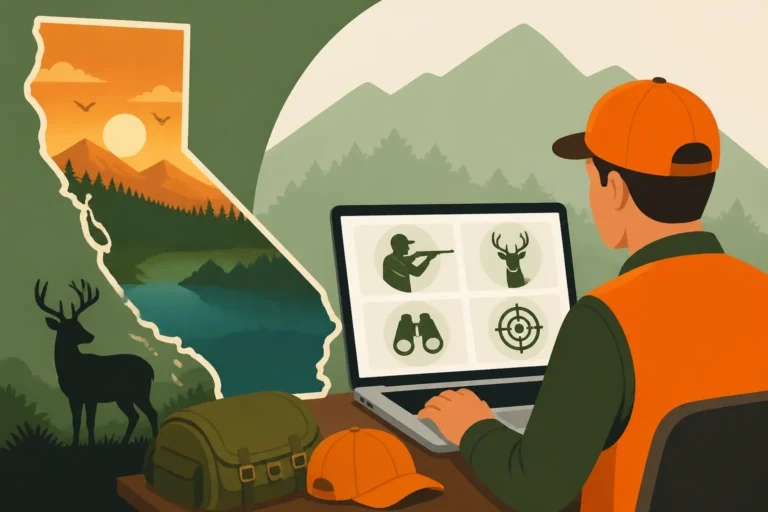
The primary method for reporting your deer harvest in California is through the Automated License Data System (ALDS) on the CDFW's website. This online portal is where you purchase your licenses, apply for tags, and also report your harvest. It's designed to be user-friendly, but like any online system, it requires attention to detail. You'll need your GO ID, which is printed on all your licenses and tags, and potentially your date of birth to log in.
Once logged in, navigate to the "Report Harvest" section. You'll then select the specific deer tag you used and begin entering the required information. This typically includes the date of harvest, the county and zone where the deer was taken (e.g., Zone A, Zone C, or a specific D-zone like one of the D-Zones That Opens in August), the deer's sex, and the antler points (for bucks). It's important to have your tag handy, as it contains some of the specific information you'll need to input. Take your time, double-check your entries, and confirm the submission. You'll usually receive a confirmation number, which is a good idea to keep for your records.
Reporting via the CDFW Mobile App
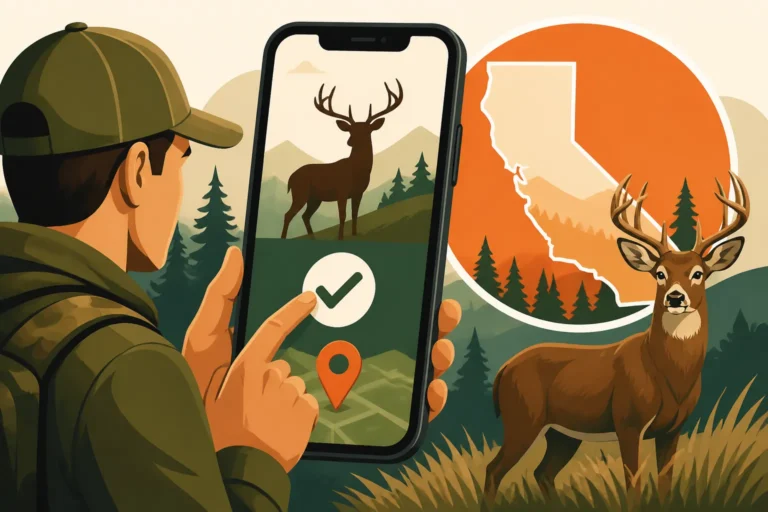
For those who prefer the convenience of their smartphone, the CDFW also offers a mobile application that allows for harvest reporting. This can be particularly useful if you're out in the field and have cell service, or simply want to take care of it as soon as you get home. The app provides a similar interface to the online ALDS system, allowing you to select your tag and input the necessary harvest details.
Using the app can be a real time-saver, especially if you're already using it to check regulations or scout areas using maps. However, make sure you have the most up-to-date version of the app and a stable internet connection for submission. Like the online system, confirmation of your submission is key. Whether you're reporting through the app or the website, the critical thing is that the report gets submitted correctly and before the deadline.
Key Information Required for Reporting
Regardless of whether you use the online portal or the mobile app, you'll need to provide specific information about your harvest. This usually includes:
- Your GO ID: This unique identifier links the harvest to your hunting license profile.
- Deer Tag Number: The specific tag you used for the harvest.
- Date of Kill: The exact date you harvested the deer.
- County of Kill: The county where the deer was taken.
- Deer Hunting Zone: The specific deer hunting zone (e.g., A, B, C, D, X) where the harvest occurred. This is crucial for tracking localized herd data.
- Sex of Deer: Buck or doe.
- Antler Points: For bucks, you'll need to indicate the number of points on one antler (e.g., 2-point, 3-point, 4-point, or more). If it's a spike, that's usually an option too.
- Method of Take: Rifle, archery, muzzleloader, etc.
It's a good practice to fill out these details on the physical tag itself as soon as you harvest the animal. That way, when you go to report, all the information is readily available and accurate. Don't rely on memory, especially after a long and exciting hunt!
What Happens If You Don't Report Your Deer?
It's easy to think, "Who's going to know if I forget to report?" But the CDFW takes harvest reporting seriously, and there are real consequences for non-compliance. These aren't just minor inconveniences; they can impact your ability to hunt in the future and reflect poorly on the hunting community as a whole.
Potential Penalties for Non-Reporting
The most immediate and common consequence of failing to report your deer harvest (or an unused tag) by the deadline is that you will be ineligible to apply for or purchase deer tags for the following license year. That's right – no deer hunting next season. This is a significant penalty, especially if you've been building up preference points or eyeing a specific zone. The system is designed to automatically flag those who haven't reported, making it impossible to proceed with new applications.
Beyond losing eligibility for future tags, repeated or egregious failures to report could lead to more serious legal repercussions, though these are less common for a simple missed report. It's not just a polite request; it's a mandatory legal requirement under California fishing and game regulations. You certainly don't want to find yourself in a situation where you're asking about California Wildlife Violation Penalties just because you forgot to click a few buttons online.
The Importance of Reporting Unsuccessful Hunts Too
Here's a point that often trips up hunters: you are required to report all deer tags, even if you don't harvest a deer. That's right, if you went out for your entire season in a Zone A and came home with an unused tag, you still need to log into ALDS or the app and report that you were "unsuccessful."
Why? Because this "unsuccessful" data is just as vital for wildlife management as successful harvest data. It helps the CDFW understand hunter effort, participation rates, and the overall hunting pressure in specific zones. If a lot of hunters are going out but coming back unsuccessful, it might indicate a lower deer population than estimated, habitat issues, or perhaps a need to adjust season dates. This information helps paint a complete picture and guides future decisions to improve hunting for everyone. So, even if it feels like a chore, take the few minutes to report your unused tags – it truly matters.
Specific Scenarios and Reporting Nuances
California's deer hunting system has many moving parts, from archery-only seasons to specialized draw zones. It's no surprise that questions often arise about reporting under various specific circumstances. Let's dig into some of those nuances to make sure you're covered, no matter how your hunt plays out.
Reporting Archery-Only Tag Harvests
If you were fortunate enough to punch a tag during an archery-only season, like the popular Hunting California's Zone A July Archery Opener, the reporting process is essentially the same as for a general season rifle harvest. You'll still use the ALDS online system or the CDFW mobile app. The key difference will be selecting "Archery" as your method of take when you input the information.
It's important to correctly identify the weapon used, as this data helps the CDFW track success rates for different hunting methods. This information is crucial for assessing the effectiveness of archery seasons and ensuring they remain a viable hunting opportunity. So, even though it's still a deer, make sure you differentiate the "how" you took it.
Reporting Tags from the Big Game Drawing (X-Zones)
For those coveted X-zone tags, obtained through the highly competitive The California Big Game Drawing Explained, reporting is particularly critical. These tags are for premium zones with typically higher deer populations and often better trophy potential. The CDFW relies heavily on the harvest data from X-zones to manage these specific herds with precision.
If you draw an X-zone tag and are successful, follow the standard reporting procedure, making sure to select the correct X-zone identifier. If you are unsuccessful, remember to still report your tag as "unsuccessful." The harvest rates and effort data from X-zones are analyzed separately and are fundamental to the allocation process for future draws. Accuracy here is paramount for maintaining the integrity and fairness of the drawing system.
Reporting for Apprentice or Junior Hunters
California strongly supports youth hunting opportunities, with specific rules and seasons for junior hunters. If you're a mentor for a junior hunter who successfully harvests a deer, it's your responsibility to guide them through the reporting process. The report should still be made under the junior hunter's GO ID and tag number, as it's their harvest.
This is a great teaching moment for young hunters, emphasizing the importance of ethical hunting and responsible resource management. They should be involved in filling out the tag and understanding why the report is necessary. For rules on things like California Junior Turkey Hunt Rules, the same principles of reporting apply. Ensuring young hunters learn these habits early helps build a strong foundation for a lifetime of responsible hunting.
Deer Vehicle Collisions and Roadkill Deer
It's a sad reality that deer are often hit by vehicles on California's roads. If you encounter a deer that has been killed in a vehicle collision, it's important to understand that these animals are generally not legal for harvest or salvage by the general public. California law typically prohibits the taking of roadkill deer, even if you possess a valid deer tag. This is different from some other states that have specific roadkill salvage programs.
If you are involved in a collision with a deer, the appropriate action is to contact local law enforcement or the CDFW. They will handle the situation according to established protocols. Attempting to tag or take a roadkill deer without specific authorization can lead to legal issues. This situation is distinct from a hunting harvest and therefore does not fall under the standard deer reporting requirements.
Tips for Easy and Accurate Reporting
Nobody wants to deal with reporting issues after a hunt. A few simple habits can make the process quick, painless, and ensure you're always compliant. These tips are about making your life easier, not harder!
Filling Out Your Tag Immediately
This might seem obvious, but in the excitement or exhaustion of a successful hunt, it's surprisingly easy to forget. As soon as your deer is down and you've confirmed it's ethically harvested, immediately fill out your tag. This includes the date, time, and location (zone and county). Punching or cutting the correct month and day is also critical.
Having the physical tag completely filled out before you even start field dressing ensures you have all the necessary information accurately recorded. This prevents scrambling to remember details later, especially if you're hunting in a remote area without cell service or if you're just plain tired when you get back to camp or home. It's a small step that makes a huge difference.
Keeping Your GO ID Handy
Your GO ID is your unique identifier in the CDFW's Automated License Data System. It's printed on every license and tag you receive. When it comes time to report your harvest, you'll need this number to log in and access your tags.
Make it a habit to jot down your GO ID in your hunting notes, save it in your phone, or at the very least, know where your current hunting license is kept. This way, whether you're reporting from your computer or the app, you won't waste time searching for it. Services like GoHunt can help you manage your hunting profiles, making sure your GO ID and application history are always accessible for future planning.
Understanding Deadlines and Setting Reminders
The deadline for reporting deer harvests (both successful and unsuccessful) is typically January 31st of the following calendar year. So, for a deer taken in 2024, the deadline would be January 31, 2025. This applies even if your season closed much earlier, like in Zone A General Season Dates. However, it's always best to check the current regulations handbook for the exact date, as rules can sometimes change.
Don't wait until the last minute! The system can get bogged down closer to the deadline, or you might simply forget. Set a reminder on your phone, mark it on your calendar, or make it a post-season ritual to report all your tags as soon as you're done hunting for the year. This ensures you avoid missing the deadline and risking your eligibility for future tags. Getting into the habit of reporting soon after your hunt concludes is the best way to ensure compliance and avoid headaches.
Double-Checking Your Entries Before Submitting
Once you've entered all the required information into the ALDS system or the app, take a moment to review everything before you hit that "submit" button. Check the dates, the zone, the county, the sex, and antler points. A simple typo can lead to an inaccurate report, which then creates a skewed picture for wildlife managers.
It only takes a few extra seconds, but it can save you potential issues down the road. If you realize you've made a mistake after submitting, you may need to contact the CDFW directly to correct it, which is a much bigger hassle than simply double-checking initially. Accuracy in your report contributes to the overall integrity of the data used for Reading a California Harvest Report, benefiting all California hunters.
Important Considerations for California Hunters
Beyond the mechanics of reporting, there are a few broader points that every California deer hunter should keep in mind. These touch on the bigger picture of hunting in our state and how individual actions contribute to the collective experience.
Contributing to Accurate Harvest Statistics
Every single report you submit contributes to the CDFW's official harvest statistics. These statistics are incredibly valuable resources for understanding trends, managing populations, and informing future hunting regulations. For instance, data from these reports helps biologists understand California Buck-to-Doe Ratio by Zone and how it might impact fawn recruitment. When reporting rates are high and accurate, the CDFW has a clearer, more reliable dataset to work with.
Conversely, if many hunters fail to report, the data becomes incomplete and less reliable. This can lead to management decisions that aren't truly reflective of what's happening on the ground, potentially impacting future tag allocations or season structures negatively. Your individual report might seem small, but collectively, they form the backbone of California's deer management strategy.
The Role of Hunter Education and Responsibility
Understanding and adhering to deer reporting requirements is a fundamental aspect of being a responsible hunter. It goes hand-in-hand with safety, ethical shot placement, and proper game care. Hunter education courses in California emphasize the importance of these regulations, and for good reason. It's not just about what you do in the field, but also how you contribute to the sustainability of the resource afterward.
By diligently reporting your harvest, you're demonstrating respect for the game, the regulations, and the future of hunting itself. This responsible behavior helps ensure that future generations will have the opportunity to experience the thrill of deer hunting in California, just as we do today.
Utilizing Resources Like GoHunt for Planning
While GoHunt isn't directly involved in the official reporting process, platforms like it offer valuable tools for hunters to stay organized and informed. You can use such services to research draw odds for different zones, scout terrain, and even keep track of your past applications and harvest history. This kind of systematic approach can make the entire hunting process, including the reporting aspect, feel much less daunting.
For instance, when preparing for the upcoming season, reviewing your past reports (available through your ALDS account) can help you refine your strategy. Knowing your success rates in certain zones, or even where you encountered deer, can be valuable information. While GoHunt itself doesn't submit your reports, it helps you stay on top of the broader administrative and planning aspects of hunting, which indirectly supports timely and accurate reporting.
Final Thoughts on Your Reporting Duty
Hunting in California is a privilege, and with that privilege comes a responsibility to be a good steward of our wildlife resources. Deer harvest reporting, while sometimes feeling like a mundane administrative task, is a cornerstone of responsible wildlife management. It's how we ensure healthy deer populations, maintain hunting opportunities, and contribute to the vital conservation efforts across our diverse landscapes. So, the next time you're celebrating a successful hunt or reflecting on an unsuccessful one, remember to take those few minutes to log into the CDFW system and submit your report. Your actions today directly impact the future of California's deer and the hunting traditions we all cherish.
Disclaimer
Please remember that hunting regulations, including reporting requirements and deadlines, are subject to change. Always consult the most current California Department of Fish and Wildlife (CDFW) regulations booklet and official website for the most up-to-date information before and after your hunt. This guide is for informational purposes only and should not be considered legal advice.