California Falconry License Requirements
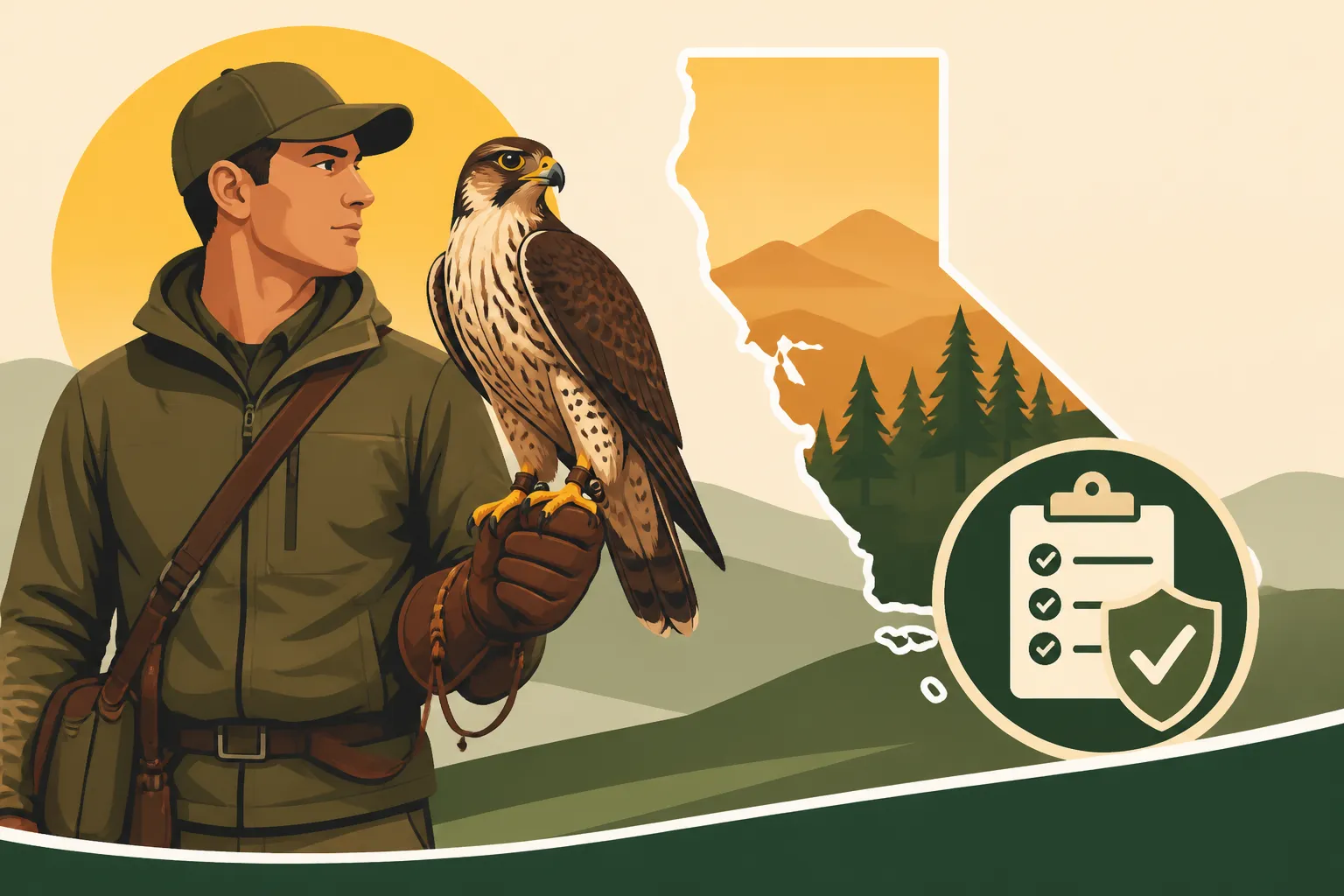
The dream of soaring alongside a magnificent raptor, working in tandem to pursue game across the diverse landscapes of California, is incredibly alluring. But if you’re imagining a quick path to becoming a falconer, you need to pump the brakes. California's falconry license requirements are among the most stringent in the nation, reflecting a profound commitment to the welfare of these birds and the tradition itself. This guide will walk you through the often-challenging, yet incredibly rewarding, journey to becoming a licensed falconer here in the Golden State, from the initial apprentice steps to the responsibilities of a master.
The Foundation: Understanding California's Falconry Permit Levels
Becoming a falconer in California isn't a single step; it's a progression through distinct permit levels, each requiring increasing experience and demonstrating a deeper commitment to the art and science of falconry. The California Department of Fish and Wildlife (CDFW) oversees this rigorous system, ensuring that only dedicated and knowledgeable individuals are entrusted with these incredible birds.
The Apprentice Stage: Your Entry Point
This is where everyone starts, and for good reason. The apprentice level is designed to immerse new falconers in the foundational knowledge and daily responsibilities under the direct guidance of an experienced mentor. It's a hands-on learning experience that goes far beyond simply possessing a hunting bird.
As an apprentice, your journey begins with significant limitations, which can feel frustrating but are absolutely essential for your and your bird's success. You'll typically be restricted to specific, hardier species like a red-tailed hawk or an American kestrel, birds known for their resilience and suitability for new handlers. These species are relatively common and provide a good learning curve for understanding raptor behavior, husbandry, and basic training. The focus here is entirely on learning the ropes, understanding the incredible commitment involved, and proving you can provide proper care. This isn't just about obtaining a tag; it's about adopting a lifestyle that revolves around your bird's well-being, often requiring daily attention, meticulous record-keeping, and constant observation. Many aspiring falconers find the first few years incredibly demanding, but the reward of flying your first trained hawk makes it all worthwhile.
General Falconer: Expanding Your Horizons
After a minimum of two years of successful apprenticeship, with demonstrated proficiency in raptor care and hunting, you can apply to upgrade to a General Falconer permit. This is a significant milestone, signifying that you've moved beyond the basics and proven your capability and dedication.
With a General permit, you gain a bit more autonomy and the privilege of possessing a wider range of raptor species. While species restrictions still apply, you might be able to work with larger hawks, small falcons, or even some owls, depending on specific regulations and availability. This stage allows you to explore different hunting styles and further refine your skills, moving from the foundational knowledge gained as an apprentice to a more nuanced understanding of raptor training and management. The General Falconer stage is about continuing your education, often participating in falconry clubs, attending meets, and contributing to the community. You're expected to be more self-sufficient, capable of handling more complex situations, and maintaining your birds with a higher degree of expertise. It's a testament to your sustained commitment and a signal that you are now a truly competent falconer.
Master Falconer: The Pinnacle of Dedication
Reaching the Master Falconer level is the ultimate achievement in the sport, representing a lifetime of dedication, expertise, and contribution to the falconry community. To qualify, you must have held a General Falconer permit for at least five years, demonstrating an exceptional depth of knowledge, skill, and ethical practice.
Master falconers enjoy the broadest range of privileges, including the ability to possess almost any legal raptor species permitted by federal and state regulations, within established quotas. This level is not just about personal hunting pursuits; it often involves mentoring new apprentices, contributing to conservation efforts, and acting as a steward for the sport. Many Master falconers spend decades honing their craft, developing specialized techniques, and becoming invaluable resources for their peers. They are the keepers of tradition, passing down knowledge and ensuring the ethical continuation of falconry for future generations. It’s a true honor and a recognition of profound expertise, reflecting years of living and breathing the falconry lifestyle, understanding every nuance of raptor care, training, and the intricate dance between hunter and bird.
Essential Steps Before You Even Think About a Bird
Before you even dream of holding a raptor on your fist, there are numerous critical hoops to jump through. California's stringent regulations are in place to protect these magnificent birds and ensure that only those fully prepared for the demanding responsibility are granted permits.
The Rigorous Application and Examination Process
Your journey truly begins with an extensive application process, which includes a background check, and culminates in a challenging examination. This isn't a test you can cram for overnight; it requires deep, comprehensive knowledge of raptor biology, behavior, health, diseases, federal and state falconry laws, and proper equipment use. The CDFW, in coordination with federal guidelines, administers these exams, which are designed to be thorough and weed out those who aren't truly prepared for the commitment.
Many aspiring falconers spend months, even a year or more, studying texts like "The Art and Practice of Falconry" and countless online resources. You'll need to understand everything from how to identify common raptor diseases to the specific dimensions required for a mews. Beyond the falconry exam itself, you'll also need to meet California's general hunting license requirements. This typically means completing a hunter education course, ensuring you understand firearm safety, wildlife conservation, and ethical hunting practices. You can learn more about these prerequisites by checking out California Hunter Education Requirements. This foundational knowledge is crucial because, while you'll be hunting with a bird, you're still engaged in the act of hunting, with all the associated responsibilities and laws.
Finding Your Crucial Sponsor
Perhaps one of the most significant hurdles for aspiring apprentices is finding a qualified sponsor. Federal and state regulations mandate that an apprentice falconer must have a General or Master Falconer sponsor for their first two years. This isn't just a signature on a form; it's a mentorship. Your sponsor is responsible for guiding you, teaching you the intricacies of raptor care and training, and ensuring you comply with all regulations. They're your lifeline to the falconry community and your primary source of hands-on education.
Finding a sponsor can be incredibly challenging. Falconry is a deeply personal and time-intensive hobby, and taking on an apprentice is a huge commitment for an experienced falconer. It requires trust, shared passion, and proximity. Many successful apprentices spend months attending falconry club meetings, volunteering at raptor rehabilitation centers, and networking to find a suitable mentor. Don't expect to just walk up to someone and ask; you need to demonstrate your genuine interest, commitment, and willingness to learn. Resources like falconry forums, local clubs, and even some online hunting community platforms like GoHunt can be good starting points to connect with the broader hunting and falconry community in California, potentially leading to introductions that could result in a sponsorship. This relationship is paramount, shaping your entire initial experience and instilling the deep respect for the birds and the tradition that defines true falconers.
Building Your Approved Facilities: Mews and Equipment
Before you can even apply for a permit, you must demonstrate to the CDFW that you have the proper facilities to house a raptor. This involves a physical inspection of your proposed mews (indoor housing) and weathering yard (outdoor perch area). These facilities must meet strict federal and state standards designed to ensure the bird's safety, health, and well-being.
Your mews, for example, needs to be a secure, weather-tight structure with appropriate ventilation, perches, and access for cleaning. It must be large enough for the bird to stretch its wings fully without touching the sides or ceiling. The weathering yard provides a safe outdoor space, typically covered to protect from sun and rain, with secure perches and protection from predators. These structures aren't optional; they are a critical part of the permit application. Beyond the structures themselves, you'll need a specific array of equipment: jesses (leather straps for the bird's legs), leashes, swivels, scales for daily weighing, perches appropriate for your species, a bath pan, and essential husbandry tools. The CDFW inspector will scrutinize every detail during their visit, ensuring everything is up to code. It's a significant upfront investment in both time and money, proving again that this is far from a casual endeavor.
The Ongoing Commitment: From Wild Take to Annual Reporting
Obtaining your falconry license is just the beginning of a lifelong commitment. The responsibilities of a falconer extend far beyond the initial setup, encompassing careful bird acquisition, rigorous daily care, and meticulous adherence to a complex web of regulations.
Acquiring Your First Raptor
Once you’ve got your apprentice permit and your facilities are approved, the exciting moment of acquiring your first raptor arrives. For most apprentices in California, this means a "wild take" – carefully and ethically trapping a wild, juvenile raptor under strict CDFW guidelines. There are specific seasons and methods allowed for wild take, and you’ll always need to be accompanied by your sponsor. The species you can take is also limited to those suitable for apprentice falconers, usually a red-tailed hawk or an American kestrel, as discussed earlier. Alternatively, you might be able to obtain a captive-bred bird from a licensed breeder, though this is often a more expensive route and less common for first-time apprentices who need to learn the trapping process.
Hunting with your raptor is a core aspect of falconry. While the raptor is the primary hunter, you are the partner, responsible for putting the bird in a position to be successful. Falconers often pursue various small game species like rabbits and quail, or even certain predators, depending on the raptor's training and the legal hunting seasons. Understanding the local game populations and hunting opportunities is key. For example, knowing the best tactics for Hunting California's Small Game and Predator Hunting in California will be invaluable, as you'll be scouting for and flushing game for your bird, not shooting it yourself. The thrill of a successful hunt with your trained bird is an unparalleled experience, forging an incredible bond.
Maintaining Your License and Your Bird's Health
The daily care of a raptor is an intensive commitment. Falconers are responsible for their bird's health, diet, weight management, and overall well-being, 365 days a year. This isn't a pet; it's a wild animal that relies entirely on your expertise. Daily weighing is crucial for managing its hunting drive and health. You must provide a high-quality, balanced diet, often consisting of specially prepared meats. Regular veterinary check-ups by a veterinarian experienced with raptors are essential, and you must be vigilant for any signs of illness or injury.
Beyond the bird's direct care, maintaining your falconry license in California involves annual renewals and strict reporting requirements. Any change in your bird's status – if it escapes, is lost, dies, or is transferred – must be reported to the CDFW and the U.S. Fish and Wildlife Service (USFWS) within a set timeframe. You'll also need to submit annual reports detailing your hunting activities. This meticulous record-keeping is not just bureaucracy; it's vital for wildlife management and ensuring the ethical practice of falconry. It ties into broader efforts like Reading a California Harvest Report for other game species, as it helps agencies track trends and maintain healthy wild populations.
Understanding California's Specific Regulations and Ethics
California's unique wildlife landscape and conservation priorities mean that falconers must navigate specific state-level regulations in addition to federal laws. One significant example is the statewide non-lead ammunition requirement. While falconers primarily use their birds for hunting, understanding this law is critical because some game harvested by a raptor might be consumed by humans, and any use of firearms in conjunction with falconry must comply. Although falconers don't typically use lead ammo, the broader regulatory environment shapes how and where you hunt.
You'll also need to be acutely aware of public land access rules, closures, and specific hunting regulations for the game you intend to pursue. Knowing the nuances of accessing specific areas, like California Wildlife Areas and Ecological Reserves, or understanding California Public Land Hunting Hours, is paramount to staying legal and respectful of other land users. Using modern scouting tools, perhaps like the mapping features found on a GoHunt platform, can be incredibly helpful for identifying legal hunting areas, understanding property boundaries, and pinpointing potential game concentrations without disturbing wildlife. Ethical practice dictates that you always prioritize the welfare of your bird and the sustainability of wild game populations. This includes understanding the impact of your activities and upholding the highest standards of sportsmanship, representing the falconry community responsibly.
California Falconry Permit Levels at a Glance
For those considering the path to becoming a falconer, here's a quick overview of the main permit levels and their associated requirements and privileges in California. Keep in mind that these are general guidelines, and specific regulations can change, so always consult the latest CDFW and USFWS guidelines.
| Permit Level | Minimum Age | Experience Required | Sponsor Required | Species Restrictions | Hunting Privileges | Mentoring Privileges |
|---|---|---|---|---|---|---|
| Apprentice | 12 | None (Entry Level) | Yes | Limited (e.g., Red-tailed Hawk, American Kestrel) | Hunt designated legal game birds & small game | No |
| General | 16 | 2 years as an Apprentice Falconer | No | Broader range, but still restricted (e.g., larger hawks) | Hunt designated legal game birds & small game | Can sponsor an Apprentice |
| Master | 18 | 5 years as a General Falconer | No | Most species permitted by law, within quotas | Hunt designated legal game birds & small game, plus others | Can sponsor an Apprentice or General |
Note: Specific species availability for wild take or possession is subject to federal and state quotas and regulations.
Disclaimer
The information provided in this guide is for general informational purposes only and does not constitute legal advice. California hunting and falconry regulations are complex and subject to change. Always consult the most current regulations published by the California Department of Fish and Wildlife (CDFW) and the U.S. Fish and Wildlife Service (USFWS) before engaging in any falconry or hunting activities. It is your responsibility to know and follow all applicable laws.