Moving a Deer Carcass Out of a Testing Zone
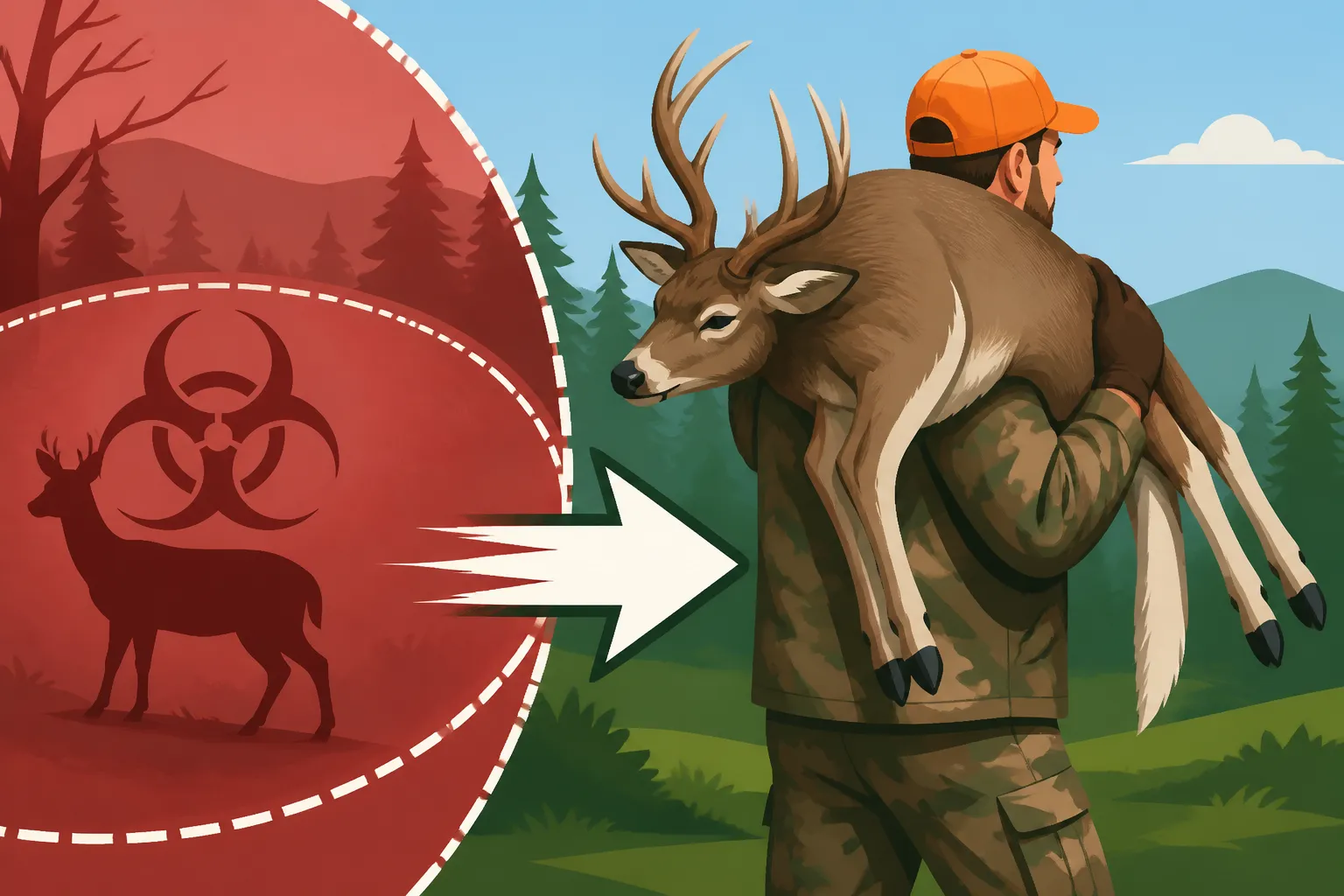
The moment you finally connect with a California deer, whether it's a sleek blacktail or a majestic mule deer, is pure exhilaration. But that triumph can quickly turn to a frustrating puzzle if you realize you've harvested your animal in a Chronic Wasting Disease (CWD) testing zone. Suddenly, simply loading your buck into the truck and heading home isn't an option, and the confusion around what you can and cannot do with the carcass can feel overwhelming. This guide will walk you through California's CWD testing zone rules, offering clear, actionable steps to ensure you comply with regulations while still bringing home your hard-earned venison.
Understanding California's CWD Testing Zones
Navigating hunting regulations in California is already a complex dance, and the recent advent of CWD testing zones adds another layer of critical information you need to understand before you even hit the field. These zones aren't just arbitrary lines on a map; they are strategic boundaries designed to protect California's deer and elk populations from a devastating neurological disease.
What Are CWD Testing Zones and Why Do They Exist?
Chronic Wasting Disease is a fatal, transmissible neurological disease that affects cervids, including deer, elk, and moose. It's caused by abnormal proteins called prions, which can persist in the environment for years, making it incredibly challenging to contain once established. The disease slowly degrades the animal's brain, leading to emaciation, abnormal behavior, and ultimately, death. While CWD has not been detected in wild deer or elk in California yet, it has been found in states neighboring California. Because of this looming threat, the California Department of Fish and Wildlife (CDFW) has proactively established CWD testing zones. These zones are areas where surveillance is heightened, and specific rules about carcass movement are enforced to prevent the potential spread of CWD if a case were to be detected. Think of it as a protective measure, designed to give wildlife biologists the best chance to monitor and, if necessary, mitigate any outbreak. It’s a serious concern, and while it might feel like an inconvenience to hunters, these regulations are crucial for the long-term health of our wildlife.
Identifying Your Hunt Zone and Its CWD Status
Knowing whether your chosen hunting ground falls within a CWD testing zone is absolutely non-negotiable before you head out. These zones are not uniform across the state and can change as new information emerges or as the CDFW expands its monitoring efforts. Currently, California has designated areas for mandatory CWD testing. For instance, mandatory CWD testing is required for deer harvested in specified zones within Deer Hunt Zones D7, D8, D9, D10, D12, and some X-zones in northeastern California, particularly in parts of Inyo, Mono, and Modoc counties, near where CWD has been detected in other states. The CDFW website is your ultimate, most up-to-date resource for exact boundaries. Before every hunt, even if you think you know the area, double-check the latest regulations. Websites like GoHunt or other reputable mapping apps can also overlay these zones onto public and private land maps, providing a visual confirmation right in your pocket. This kind of diligent pre-season scouting is more important than ever. You don't want to be caught off guard after a successful hunt, realizing you're in a restricted zone without the proper knowledge or tools.
Why Carcass Movement is Restricted: The Risk of Disease Transmission
The primary reason for restricting carcass movement out of CWD testing zones is to minimize the risk of spreading infectious prions to new areas. When a deer is harvested, its brain, spinal cord, lymph nodes, and spleen are known to harbor the highest concentrations of CWD prions. If an infected carcass is transported whole or with these high-risk tissues intact across county or zone lines, it could potentially deposit these prions in a new environment through discarded waste, blood, or bone fragments. Once prions are in the soil or vegetation, they can remain viable for years, acting as a reservoir for future infections in healthy deer and elk. This is why the rules focus on removing these high-risk tissues before the carcass leaves the testing zone. It’s not about preventing you from taking your meat home; it’s about ensuring that you only transport the parts that pose the lowest risk of CWD transmission, thereby protecting the wider ecosystem and future hunting opportunities.
Legal Requirements for Carcass Movement
Once you've determined you're hunting in a designated CWD testing zone, understanding the specific legal requirements for carcass movement becomes paramount. These rules are designed to be thorough, ensuring that only low-risk parts of a deer carcass can leave the zone. It’s a system of checks and balances aimed squarely at preventing the spread of CWD.
The "Clean Carcass" Rule: What Parts Can Leave and What Must Stay
California's CWD regulations operate under what's often referred to as the "clean carcass" rule. This means that only specific, low-risk parts of a harvested deer are allowed to be transported out of a designated CWD testing zone. The parts that cannot leave the zone are those considered high-risk for CWD prions: the brain, spinal cord, eyes, spleen, and lymph nodes. Essentially, anything with nervous tissue or lymphoid tissue is restricted.
What can leave?
- Deboned meat: This is the safest and most recommended option. All muscle tissue, completely separated from bone and nervous tissue.
- Cleaned skull plate: If you want to keep the antlers, the skull plate must be completely free of all brain tissue, eyes, and other soft tissues. This often requires boiling or pressure washing.
- Cleaned antlers: Antlers themselves are fine, as they are bone and keratin, not nervous tissue.
- Hides: Hides are generally allowed, but they must be free of all head and spinal tissue.
- Teeth: Teeth are also generally allowed, often used for aging deer.
This rule means you can't just throw a whole deer, even field-dressed, in the back of your truck and drive across a zone boundary. The risk of even small fragments of high-risk tissues contaminating a new area is too great. The focus is on meticulous separation and cleaning of the allowed parts.
Approved Methods for Carcass Preparation
To adhere to the "clean carcass" rule, hunters must employ specific preparation methods while still within the CWD testing zone. This is where your field dressing skills become critically important.
The most common and recommended methods include:
- Deboning the meat: This involves removing all muscle tissue from the bone, spinal column, and skull. The deboned meat can then be safely transported. This is arguably the most secure method for ensuring compliance and minimizing risk. Many hunters opt for this, especially when hunting far from home.
- Quartering the carcass: You can quarter the deer, but it must be done in a way that separates the spinal column from the muscle tissue. The quarters (minus the spine and head) can be transported. However, if any spinal column material remains attached, even to ribs, it becomes an issue.
- Head removal and cleaning: If you plan to mount the antlers or keep the skull, the head must be completely removed from the carcass within the zone. Then, all brain matter, eyes, and other soft tissues must be meticulously removed from the skull plate or skull. Often, a combination of scraping, rinsing, and boiling is necessary to ensure it's completely clean.
It’s not enough to just cut off the head; you must ensure all brain matter is gone. Likewise, with quartering, every bit of spinal column, no matter how small, needs to be removed from the transportable parts. Hunters should also be mindful of their cutting instruments and work surfaces to avoid cross-contamination.
Mandatory CWD Testing Procedures for Harvested Deer
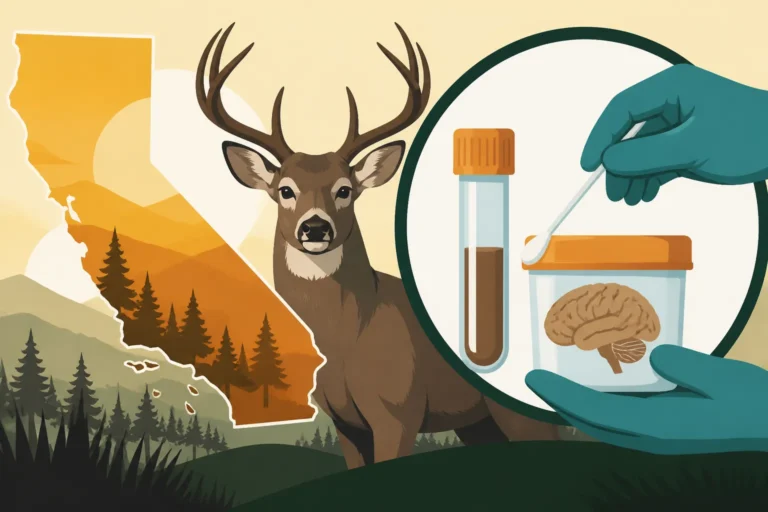
Beyond carcass movement restrictions, hunters who successfully harvest a deer within a designated CWD testing zone may also face mandatory testing requirements. This isn't just about moving the carcass; it's about actively participating in the state's surveillance program. The CDFW will specify which zones require mandatory sampling, often focusing on high-risk areas or areas where surveillance is being concentrated.
If you hunt in one of these zones and harvest a deer, you will typically be required to:
- Submit a sample: This usually involves collecting specific lymph nodes (retropharyngeal lymph nodes from the throat area) or brainstem tissue. The CDFW will provide detailed instructions and often kits or designated drop-off points.
- Report your harvest: As with all deer harvests in California, you must report your take through the Automated License Data System (ALDS). This system will often flag harvests from CWD zones and prompt you for the necessary testing information. You can find more information about this reporting process under "California Deer Reporting Requirements".
- Follow specific instructions: The CDFW will publish specific guidelines on sample collection, packaging, and submission. It’s crucial to follow these exactly to ensure the sample is viable for testing. This often means learning how to safely extract the specific lymph nodes or brainstem without contaminating them.
This mandatory testing is a cornerstone of California's proactive approach to CWD. By participating, you’re contributing vital data that helps wildlife managers track the potential presence and spread of the disease, ensuring the health of the state’s deer and elk herds for future generations. For the most current list of areas requiring CWD testing, a reliable resource like the CDFW website or a mapping tool from GoHunt can provide essential, up-to-the-minute details.
Practical Steps for Hunters in a CWD Zone
Successfully hunting in a CWD testing zone isn't just about finding your buck; it's about being prepared to process it according to strict regulations. This means having the right skills and equipment on hand to ensure compliance and avoid any issues with game wardens or the spread of disease.
Field Dressing and Quartering On-Site
The most critical step in managing a deer harvested in a CWD zone is immediately processing it on-site. You can't just gut it and drag it out whole; the goal is to remove all high-risk tissues before transport.
Here’s a practical step-by-step approach:
- Initial Field Dressing: As soon as you recover your deer, perform a thorough field dress. This involves removing the internal organs. Be careful not to puncture the intestines or stomach, as this can contaminate the meat. This is also a good time to collect any required CWD samples, such as specific lymph nodes, if mandatory testing applies to your zone.
- Head and Spinal Column Removal: If you plan to transport the meat, the entire head and spinal column (including the tailbone) must remain in the CWD zone. This means sawing through the spine just behind the rib cage. For trophy antlers, you’ll need to remove the skull cap and antlers, leaving the rest of the skull, brain, and eyes behind. Make sure any skull plate you take is completely free of brain matter and other soft tissues.
- Quartering: Once the head and spinal column are separated, proceed with quartering the animal. This involves breaking the deer down into its four main leg sections (shoulders and hams), often including the backstraps and tenderloins. Cut as close to the bone as possible, ensuring no fragments of spine or skull are inadvertently carried away with the meat. Place all deboned meat into game bags immediately to protect it from dirt and insects. Remember, the cleaner you get the meat from the bone, the safer and easier it will be to transport. Knowing how to efficiently quarter your deer is a skill that will save you a lot of headache and keep you compliant.
Transporting Approved Carcass Parts
Once you’ve meticulously processed your deer in the field, transporting the approved parts correctly is the next challenge. The goal is to keep everything clean, cool, and clearly separated from any restricted materials.
- Use Quality Game Bags: Invest in good quality, breathable game bags. These protect the meat from flies, dirt, and debris while allowing air circulation to help with cooling. This is crucial, especially in warmer California hunting zones.
- Proper Cooling: Even after deboning, meat can spoil quickly, especially in the often-warm California climate. Get the meat cooled down as fast as possible. If you’re not far from your vehicle, pack the game bags into a clean cooler with plenty of ice. Keep ice in separate sealed bags to prevent water from directly contacting the meat, which can degrade quality. For longer backcountry hunts, consider using a frame pack to carry out quarters, allowing airflow, and plan for immediate cooling upon reaching your vehicle.
- Secure Storage for Transport: Your vehicle should have a dedicated, clean space for transporting game. Use heavy-duty plastic tubs or liners in the bed of a truck to contain any fluids and maintain hygiene. Ensure all meat, hides, and cleaned skull plates are securely stored and covered. Do not allow any restricted parts (brain, spinal column, etc.) to accidentally contaminate your transported meat, gear, or vehicle. You might also want to consult resources on "Field Dressing a Deer in Hot Weather" or "Game Bags for Field Care in August Heat" for additional tips.
Disposing of Restricted Parts Safely
The responsible disposal of restricted carcass parts (head, spinal column, internal organs, and any other high-risk tissues) is just as important as how you transport the meat. These parts must not leave the CWD testing zone.
- On-Site Burial: The most common and recommended method for disposal is to bury these parts deeply within the CWD testing zone, ideally at the harvest site or in a designated disposal area if provided by land managers. Burying helps prevent scavengers from spreading potential prions and ensures the materials remain within the regulated area. Dig a hole deep enough so that scavengers cannot easily unearth the remains, typically at least 2-3 feet deep.
- Designated Drop-Off Points: In some CWD testing zones, the CDFW or land management agencies might establish designated drop-off points or collection bins for high-risk carcass parts. Always check local regulations or contact the land manager (e.g., National Forest or BLM office) to see if these options are available. This is often the preferred method when available, as it centralizes disposal and can facilitate further monitoring if needed.
- Avoid Waterways and Roads: Never dispose of carcass waste in or near waterways, public roads, or popular recreational areas. This can attract scavengers, create unsanitary conditions, and increase the risk of prion spread. Always pack out any trash, plastic bags, or non-biodegradable materials associated with your field processing.
Remember, the goal of these regulations is to keep CWD out of California's deer and elk herds. Your diligence in proper disposal is a crucial part of that effort.
Planning Ahead for a CWD Zone Hunt
Hunting in California’s CWD testing zones requires more than just knowing the rules; it demands proactive planning. From pre-season research to having the right gear, a well-thought-out strategy can make all the difference between a smooth hunt and a logistical nightmare.
Pre-Season Scouting and Information Gathering
Before you even think about packing your hunting rifle or bow, dedicate serious time to scouting and gathering information, especially if you plan to hunt in a CWD zone. The regulations for these zones can be dynamic, so relying on outdated information is a recipe for trouble.
- Consult Official Sources: Your first stop should always be the California Department of Fish and Wildlife (CDFW) website. They publish annual hunting regulations, specific CWD zone maps, and any updated protocols for carcass handling and mandatory testing. Don't just skim it; read it thoroughly, paying close attention to the fine print for your specific hunt zone.
- Utilize Digital Mapping Tools: Platforms like GoHunt or onX Hunt are invaluable for pre-season scouting. They allow you to overlay CWD zone boundaries onto detailed topographical maps, showing you exactly where you'll be hunting relative to these critical lines. You can identify potential field dressing locations that are well within the zone, away from roads or public view, and plan your egress routes with compliant carcass parts. These tools can also help you understand public land boundaries, important for "Scouting California Public Land Before Season" and ensuring legal access.
- Contact Local Ranger Stations: If you're hunting in a National Forest or BLM land within a CWD zone, reach out to the local ranger district or field office. They can often provide hyper-local details about specific disposal sites, areas to avoid, or recent changes in regulations that might not yet be widely published. They can also advise on vehicle access and camping rules which might impact your processing strategy.
Essential Gear for Carcass Management
Hunting in a CWD zone necessitates bringing a few extra pieces of gear to ensure you can properly process your deer in the field. Don't skimp on these items; they are essential for compliance and meat quality.
- Sharp Knives and a Bone Saw: You'll need at least two good, sharp knives – one for field dressing and one for deboning – and a sturdy bone saw. A compact, folding saw is ideal for cutting through the spinal column and separating the head from the body. Having a knife sharpener or extra blades for replaceable blade knives is also a smart move, as field processing a whole deer can dull edges quickly. Consider a dedicated "Best Knife for Field Dressing a Blacktail" or "Best Bone Saw for Elk Quartering" if you anticipate larger game.
- Heavy-Duty Game Bags: As mentioned, quality game bags are crucial for protecting your meat from contaminants, especially when it's exposed during field processing and cooling. Bring several large, breathable bags – enough for all four quarters, backstraps, and any other deboned meat.
- Clean Tarps or Ground Cloths: A large, clean tarp or ground cloth provides a sanitary surface to work on. You don't want your meat touching dirt, leaves, or potentially contaminated soil while you're deboning.
- Gloves and Hand Sanitizer: Always wear disposable gloves when handling game, especially in CWD zones, to prevent cross-contamination and maintain hygiene. Bring plenty, as you may need to change them frequently. Hand sanitizer is also useful for quick clean-ups.
- Coolers and Ice: Even if you plan to quarter and debone, you'll need coolers and plenty of ice for immediate cooling of the meat. Line your coolers with heavy-duty garbage bags to keep melted ice water away from the meat.
- Water and Rags: Fresh water for rinsing hands, knives, and potentially rinsing some meat if needed (though dry wiping is often preferred for quality) is always a good idea. Rags or paper towels are indispensable for cleaning up.
Post-Harvest Processing Options
Once you've successfully removed the approved parts from the CWD zone, you'll need to decide on your final processing strategy.
- DIY Processing at Home: Many hunters prefer to process their own venison at home. This gives you complete control over cuts and packaging. If you debone in the field, this step becomes much simpler, as you're primarily dealing with clean muscle tissue. Ensure you have a clean workspace, sharp tools, and proper vacuum sealing or wrapping materials to preserve your meat.
- Commercial Processors: If you're not equipped or simply don't have the time for home processing, taking your deboned meat to a reputable commercial wild game processor is an excellent option. Make sure to communicate that the meat came from a CWD testing zone and that it has been field-deboned according to regulations. Reputable processors are usually well-versed in handling game from specific areas and can ensure your venison is cut and packaged to your specifications. Confirm they accept field-deboned meat and understand the CWD protocols. Always check with your chosen processor beforehand, especially if coming from a CWD zone, as some may have specific intake procedures or limitations.
| Carcass Part | Allowed for Transport Out of CWD Zone? | Notes |
|---|---|---|
| Deboned Meat | YES | All muscle tissue must be completely separated from bone, spinal column, and nervous tissue. |
| Antlers | YES | If separated from the skull. If attached to skull plate, plate must be thoroughly cleaned of all brain matter and soft tissue. |
| Cleaned Skull Plate | YES | Must be completely free of all brain tissue, eyes, and other soft tissues (e.g., boiled or pressure washed clean). |
| Hides | YES | Must be free of any head or spinal column material. |
| Teeth | YES | Typically used for aging, these are allowed. |
| Whole Carcass | NO | Cannot be transported out of the zone, even if field-dressed, due to high-risk tissues (brain, spinal cord, etc.) remaining. |
| Head (uncleaned) | NO | Brain, eyes, and other nervous tissues pose a high risk of CWD transmission. Must remain or be thoroughly cleaned within the zone. |
| Spinal Column | NO | Contains high-risk nervous tissue. Must be separated from transportable meat parts and remain within the zone. |
| Internal Organs | NO | Spleen and lymph nodes are high-risk. All organs should be disposed of within the zone during field dressing. |
| Other Bone Material | LIMITED | While bones themselves aren't high-risk, residual nervous tissue or bone marrow could be. Deboning is the safest bet. Some larger bones might be allowed if completely cleaned and free of any soft tissue, but it's often safer to leave them, especially if not fully processed. Consult "Moving a Deer Carcass Out of a Testing Zone" for specific guidance or "Handling Venison From a CWD Testing Zone" for broader advice. |
Remember, the key is preparation and adherence to the guidelines. Knowing the rules and having the right tools on hand will ensure your hunt in a California CWD testing zone is successful and compliant.
Disclaimer
The information provided in this article is for general guidance only and is not a substitute for official legal advice or the current regulations published by the California Department of Fish and Wildlife (CDFW). Hunting regulations, CWD testing zones, and associated requirements can change. Always consult the most recent CDFW hunting regulations and any specific advisories for your hunt zone before heading afield. It is the hunter's responsibility to know and comply with all applicable laws and regulations.