Hunting California’s Zone A July Archery Opener
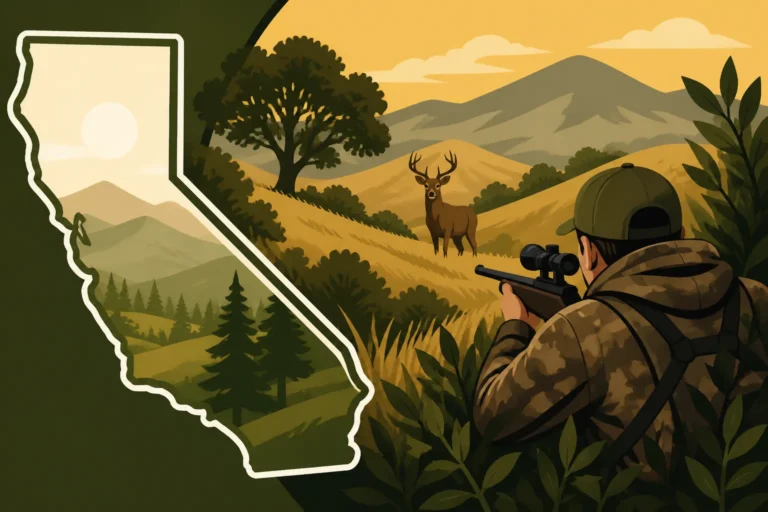
Hitting the hills for California's Zone A July archery opener can feel like a fever dream – scorching heat, dense chaparral, brush so thick you can barely push through, and deer that seem to vanish into thin air. Many bowhunters get frustrated trying to pattern elusive blacktail bucks in such unforgiving conditions, often feeling like they're just pushing deer around rather than actually hunting them. This comprehensive guide will equip you with the knowledge, strategies, and essential gear you need to navigate these unique challenges and increase your chances of success during this intense early-season hunt.
Understanding Zone A and the July Archery Opener
Zone A, encompassing much of California's coastal and inner coastal ranges, presents a unique hunting environment. The July archery opener is a true test of a bowhunter's grit, demanding careful planning and adaptability to succeed. It's not just about finding deer; it's about finding them when they're largely nocturnal and seeking refuge from the relentless summer sun.
Zone A Geography and Deer Biology
California's Zone A covers a vast and diverse landscape, stretching from the dense redwood forests of the north coast down through the oak woodlands, rolling grasslands, and chaparral-covered hills of the central and southern coastal ranges. This expansive area is primarily home to the Columbian blacktail deer, a subspecies known for its resilience and ability to thrive in tough, brushy terrain. Unlike their mule deer cousins, blacktails often prefer thicker cover, making them notoriously challenging to spot and stalk, especially in the early season.
During July, blacktails are typically in their summer patterns. Bucks are often found in bachelor groups, focused on feeding heavily to grow their antlers, which are usually still in velvet. Their primary concerns are food, water, and shade. Because of the intense heat, their activity peaks during the coolest parts of the day – dawn and dusk – and they will bed down in the densest, shadiest cover they can find during midday. Understanding these fundamental behaviors is crucial for designing an effective hunting strategy. Remember, while Zone A covers a large area, the specific local geography—whether it's steep, brushy canyons or more open oak savannas—will dictate the best approach. You can learn more about the specific habitat and population dynamics of these animals in our detailed guide on Columbia Blacktail and Mule Deer in California.
Archery Season Specifics and Regulations
The California Zone A Archery Opening Day is typically the second Saturday in July, giving bowhunters a precious few weeks before the general rifle season opens in August. This early start means you'll be dealing with maximum summer conditions. The season is strictly "archery-only," meaning you are limited to legal archery equipment. This includes traditional bows, recurves, compound bows, and crossbows, all of which have specific legal draw weight and arrow/bolt length requirements. It’s always critical to double-check the current year's regulations directly from the California Department of Fish and Wildlife (CDFW) to ensure compliance.
Another significant regulatory point for all California big game hunting is the statewide non-lead ammunition requirement. While this primarily impacts rifle hunters, it’s a good reminder of the state’s commitment to wildlife conservation and reducing lead exposure. For archers, this means focusing on broadhead materials that are not lead-based, though most modern broadheads are already designed with steel or other alloys. Understanding all aspects of Legal Weapons During California Archery Season is paramount before heading afield. The early season also means careful attention to deer reporting requirements; successful hunters must report their harvest to the CDFW, often through an online portal or mobile app, within a specified timeframe.
Key Challenges of a July Archery Hunt in California
California's Zone A archery opener isn't for the faint of heart. It throws a unique set of challenges at hunters that can quickly turn a hopeful trip into a grueling test of endurance and resolve. Overcoming these hurdles is often the difference between success and going home empty-handed.
Dealing with Extreme Heat
The most significant challenge for a July hunt in Zone A is undoubtedly the heat. Interior parts of Zone A can easily see daytime temperatures soar into the triple digits, even in the coastal foothills, while coastal fog banks might burn off by mid-morning, leaving scorching sun. This extreme heat impacts everything: your energy levels, deer movement, and even meat care after a successful harvest. Dehydration is a constant threat, and heatstroke is a real danger if you're not prepared.
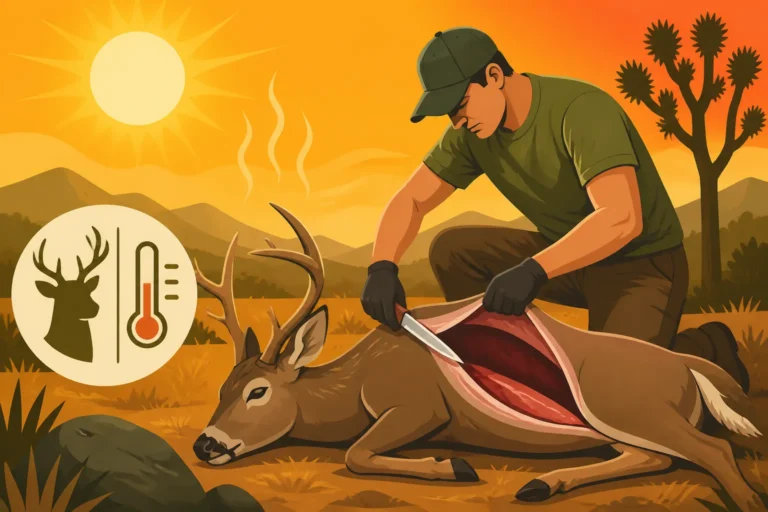
Hunters often find themselves starting hours before dawn, trying to catch deer moving from feeding areas back to their midday beds, and then returning to camp or a cooler spot for a long, uncomfortable wait until the evening. Carrying ample water is non-negotiable, and electrolyte supplements can be a lifesaver. This hot weather significantly limits mid-day hunting opportunities, forcing you to adjust your strategy to focus on those brief, cool windows. It also means that a downed animal needs to be field-dressed and cooled as rapidly as possible, often requiring game bags and a quick extraction to preserve the meat. Our article on Hot-Weather Sitting Strategy in August offers valuable insights that apply equally well to the Zone A July opener.
Navigating Dense Coastal Chaparral
Much of Zone A is defined by dense, thorny chaparral – a seemingly impenetrable maze of brush that can make walking, let alone stalking, an absolute nightmare. This thick cover, often comprised of manzanita, ceanothus, and poison oak, is a blacktail's best friend and a bowhunter's worst enemy. It provides excellent cover and forage for deer, allowing them to remain hidden just yards away, but it severely limits visibility and makes quiet movement incredibly difficult.
Trying to push through this kind of brush is noisy, exhausting, and often futile. It rips clothing, scratches skin, and makes getting a clear shooting lane almost impossible. This dense cover is a key reason why many Zone A archers focus on pinch points, trails, and water sources rather than attempting full-on spot-and-stalk through the thickets. Understanding how deer navigate these areas – often using established game trails or natural breaks in the topography – becomes paramount.
Predicting Early-Season Deer Behavior
Early-season blacktail behavior can be frustratingly unpredictable. During the summer, deer are still largely adhering to their nocturnal or crepuscular routines to avoid heat and human activity. Their patterns might not be as consistent as they would be later in the season during the rut. Bachelor groups of bucks might be less wary than solitary older bucks, but even they will move cautiously. Water sources are critical, but deer won't necessarily be at every water source every day.
Furthermore, human pressure, even from a limited number of early archery hunters, can quickly shift deer patterns. A buck that was regularly visiting a waterhole might become entirely nocturnal after a single encounter. Hunters need to be flexible and observant, reading sign and adapting their strategy daily. This means understanding that what worked yesterday might not work today, and being prepared to shift locations or tactics based on what the deer are telling you. Patience and a keen eye for subtle signs like fresh tracks, droppings, and browsed vegetation are your most valuable assets.
Scouting Strategies for Early Season Blacktail
Effective scouting is the bedrock of success for the Zone A July archery opener. You can't just show up and expect to find deer, especially not wary blacktails in thick cover and extreme heat. A multi-pronged approach, combining modern e-scouting with old-fashioned boots-on-the-ground work, is essential.
Pre-Season E-Scouting and Map Work
Before you ever set foot in the field, you should spend considerable time with mapping tools. Platforms like GoHunt, OnX Hunt, or Google Earth are invaluable for identifying potential hunting areas. Look for key features such as consistent water sources (springs, seeps, creeks, stock ponds), dense north-facing slopes that offer shade, and potential travel corridors like saddles, ridge lines, and washes. Identifying these features from your computer screen can save you countless hours of unproductive walking in the heat.
Pay close attention to changes in vegetation density, indicating areas where deer might bed down or feed. Use public land layers to understand property boundaries and access points, which can be particularly tricky in California's checkerboard land ownership patterns. Also, analyze historical weather data for the area to anticipate temperature trends and potential fire restrictions. Tools like GoHunt's data analysis features can sometimes give insights into past harvest success in specific zones, offering clues about productive areas without revealing exact spots. Remember that while e-scouting provides a fantastic starting point, it only gives you a theoretical understanding; the real work happens when you get on the ground. You can use these insights to find areas less frequented by others, helping you with Hunting Pressure on California Public Land.
Boots-on-the-Ground Reconnaissance
Once you've identified promising areas through e-scouting, it's time for real-world validation. This is where you get dirty. Ideally, you want to scout before the season opens, but if that's not possible, use your first few hunting days to confirm your theories. Focus on moving slowly and quietly, looking for fresh sign: tracks around waterholes, recent droppings, rub lines (though these will be sparse in July), and heavily used game trails. Look for areas where deer are consistently feeding, typically on fresh browse or acorns if they've started to drop.
A critical aspect of ground scouting in July is identifying thermal hubs and escape routes. Blacktails will often bed in spots that catch the slightest breeze while offering maximum cover. Look for these "bedroom" areas, noting entry and exit trails. However, avoid pressuring these areas too much during scouting; you don't want to alert bucks to your presence before the season even begins. Prioritize finding consistent water sources and the densest, shadiest cover within reasonable distance of those water points.
Focusing on Water and Shade
In July, water and shade are absolute magnets for blacktail deer, especially for bucks focused on putting on weight and growing antlers. When scouting, dedicate significant effort to locating every possible water source within your hunting area. This includes obvious features like perennial streams and stock ponds, but also less obvious ones like seeps on north-facing slopes, ephemeral puddles left over from recent irrigation, or even water collecting in rock depressions. A trail camera deployed at a waterhole can be incredibly effective in confirming deer activity and patterns.
Beyond water, finding quality shade is paramount. Deer will seek out the coolest, darkest places to bed down during the midday heat. This often means north-facing slopes with dense tree cover (like oak woodlands or redwood stands), deep canyons, or thick patches of chaparral. Look for areas where these prime bedding spots are close to consistent water sources. Deer won't travel far from water during the heat of the day. By pinpointing these essential resources, you'll be well on your way to narrowing down where blacktails will be active during the early archery season. Understanding these preferences is key to Hunting Coastal Range Oak Woodlands.
Effective Hunting Tactics for Zone A Archery
With the heat and dense cover, traditional "still hunting" might be less effective than targeted strategies. For Zone A archery in July, success often comes down to patience, proper setup, and leveraging deer's need for water and security.
Stand Hunting Water Sources
Given the extreme July heat, water sources become natural choke points for deer movement. Setting up a ground blind or treestand near a reliable waterhole, spring, or seep is arguably the most consistent tactic for early-season Zone A blacktails. Deer must drink, and they will often do so during the brief cool periods of dawn and dusk, or sometimes even in the middle of the night. Your scouting should reveal which water sources are actively being used.
When selecting a stand location, consider the prevailing wind direction, sun position (to avoid silhouetting yourself), and potential approach and exit routes for both you and the deer. You want to be downwind, with ample cover to break up your outline, and positioned for a clear, ethical shot at a typical drinking distance. Remember that deer will often approach water cautiously, circling downwind before committing. Be prepared for long, hot sits, and ensure you have enough water and sun protection. While treestands can work, a well-brushed-in ground blind might be more versatile in areas with limited suitable trees.
Spot-and-Stalk in Coastal Oak Woodlands
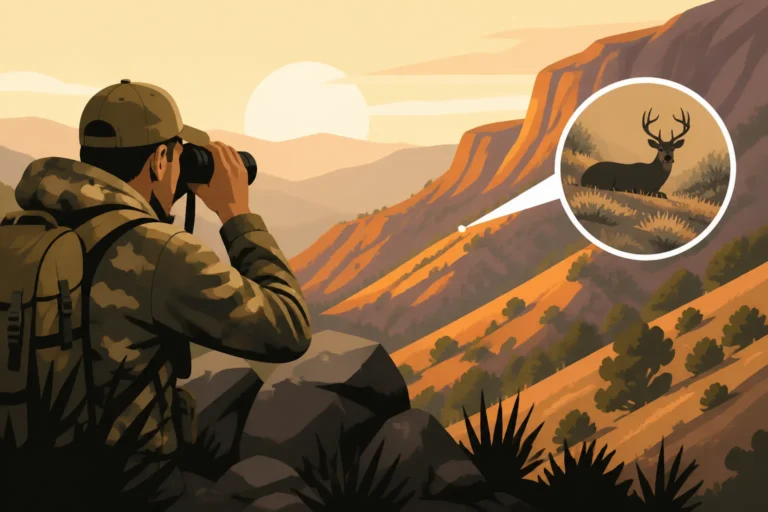
While dense chaparral makes spot-and-stalk nearly impossible, certain areas within Zone A, particularly the more open coastal oak woodlands, offer opportunities for this active hunting style. Here, the challenge is glassing deer in broken cover and then executing a quiet stalk. Glassing should be done from a vantage point at first light or last light, focusing on shadowed edges where deer might be feeding or traveling. Use good quality binoculars, like those you might use for Optics for California's Open-Country Deer Hunting, to pick apart the shadows.
Once a deer is spotted, the stalk becomes a chess match against the animal's senses and the terrain. Plan your route carefully, staying downwind and using every bit of available cover – oak trees, rock formations, undulations in the terrain. Move slowly, deliberately, and stop frequently to re-evaluate. Sound is your biggest enemy in dry, crunchy summer conditions, so prioritize quiet foot placement over speed. This is a tactic that rewards extreme patience and a deep understanding of deer behavior, as blacktails are masters of using cover to their advantage.
Using Ground Blinds Effectively
Ground blinds are an excellent tool for hunting Zone A in July, especially around water sources or along well-used game trails where natural cover for a treestand might be lacking. The key to effective ground blind use is placement and concealment. A blind needs to be set up well in advance of the hunt, ideally weeks before, to allow deer to become accustomed to its presence. This minimizes suspicion and allows deer to resume their natural patterns.
When positioning your blind, consider the sun's path throughout the day to avoid being baked or silhouetted. Orient it to capitalize on prevailing winds and ensure clear shooting lanes, particularly downwind of the target area. Brush in the blind extensively with local vegetation – cut branches, grass, and leaves – to help it blend seamlessly into the environment. Don't just set up a pop-up blind in the open; make it disappear. Also, think about your entrance and exit strategy to the blind, making sure you can get in and out undetected during prime hunting hours. The goal is to become an invisible part of the landscape.
Essential Gear for Your July Bowhunt
The unique conditions of Zone A in July demand specific gear choices. Neglecting to prepare for the heat, rugged terrain, and specific archery requirements can quickly derail your hunt.
Staying Hydrated and Cool
Proper hydration is paramount when hunting in the California summer. You'll need to carry significantly more water than you think, often a gallon or more for a full day's hunt, depending on your activity level and the actual temperatures. Consider using a hydration pack with a large reservoir, supplemented by extra water bottles in your pack. Electrolyte tablets or powders are also highly recommended to prevent cramping and maintain energy levels.
Your clothing choices are just as important. Light-colored, breathable, moisture-wicking fabrics are essential to help regulate body temperature. Avoid cotton, which absorbs sweat and stays wet, leading to chafing and discomfort. Opt for lightweight synthetics or merino wool blends. A wide-brimmed hat, sunglasses, and sun-protective clothing (UPF rated) will shield you from the relentless sun. Layering is still important, even in summer, as mornings can be cool before the heat sets in. Our guide on Layering for Hot-to-Cold Zone A Archery Days provides more details. Finally, a small cooling towel or bandana that can be soaked in water can offer temporary relief during a long, hot wait.
Archery Equipment for Blacktail
For the Zone A archery opener, your archery setup needs to be dialed in for blacktail deer. Ensure your bow is properly tuned, and practice shooting at various distances and angles, especially those awkward crouched or kneeling positions you might encounter in dense brush. Broadhead selection is critical. While California has statewide non-lead ammunition rules primarily for firearms, it's wise to use non-lead broadheads. Mechanical broadheads can be effective for deer, offering a larger cutting diameter, but fixed-blade broadheads generally offer better penetration and reliability, especially if you encounter bone or brush.
Here's a quick comparison of broadhead types for blacktail:
| Broadhead Type | Pros | Cons | Best Use |
|---|---|---|---|
| Fixed Blade | Excellent penetration, highly reliable, simple design | Smaller cutting diameter (typically), can be harder to tune perfectly | Good for tough angles, potential bone impacts, brushy shots |
| Mechanical | Large cutting diameter, flies like a field tip, creates larger wound channels | Potential for failure to deploy, less penetration on bone, can be more expensive | Open shots, good shot placement, less brush interference |
It's crucial to ensure your chosen broadhead flies true with your hunting arrows. Many hunters spend considerable time on Tuning a Bow for Broadhead Flight to ensure accuracy. A rangefinder is an absolute necessity for accurately judging distances in varied terrain, and a quality sight with multiple pins or a single adjustable pin is recommended. Don't forget a reliable release aid, a comfortable bow sling, and a quiver that holds your arrows securely while navigating thick brush.
Navigational Tools and Safety
Even on familiar ground, it's easy to get disoriented in the thick, undulating terrain of Zone A. A reliable GPS device or a robust mapping app on your smartphone (such as GoHunt, Gaia GPS, or OnX Hunt) is non-negotiable. Download offline maps for your hunting area before you leave cell service, as many parts of Zone A have no reception. Mark your vehicle, camp, and any known water sources or potential bedding areas. These tools are invaluable for navigating public land and ensuring you respect property boundaries, especially on private land. Our article on Best GPS App for California Public Land details some excellent choices.
Beyond navigation, safety should always be a top priority. Carry a well-stocked first-aid kit, especially one equipped for snakebites, cuts, and scrapes from thorns or poison oak. A headlamp or flashlight is crucial for predawn hikes and post-dusk pack-outs. Inform someone of your hunting plans, including your exact location and expected return time. Finally, be bear aware; black bears are common in Zone A, so know how to store food properly and carry bear spray if you're venturing into dense bear habitat. A satellite communicator (like a Garmin inReach or Zoleo) can be a literal lifesaver for emergency communication in areas without cell service.
Disclaimer
Please remember that hunting regulations, seasons, and licensing requirements can change. Always consult the latest official California Department of Fish and Wildlife (CDFW) regulations before planning and embarking on any hunting trip. This guide is for informational purposes only and does not constitute legal advice or replace official regulations.