Glassing a Canyon for a Bedded Buck
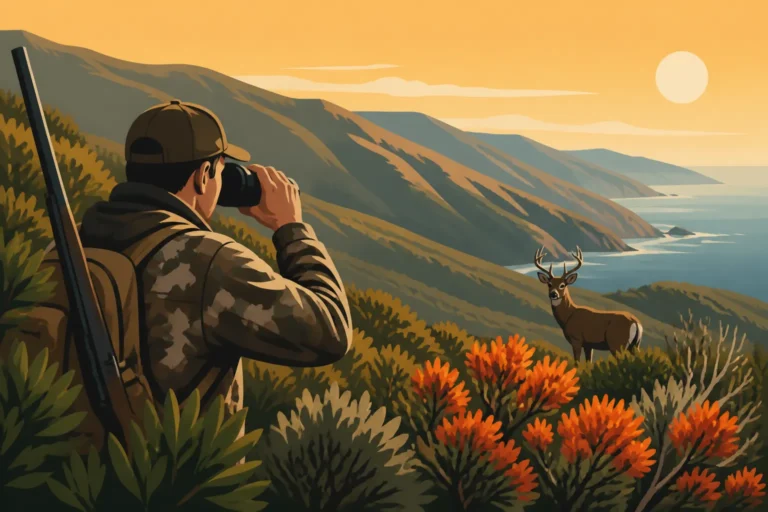
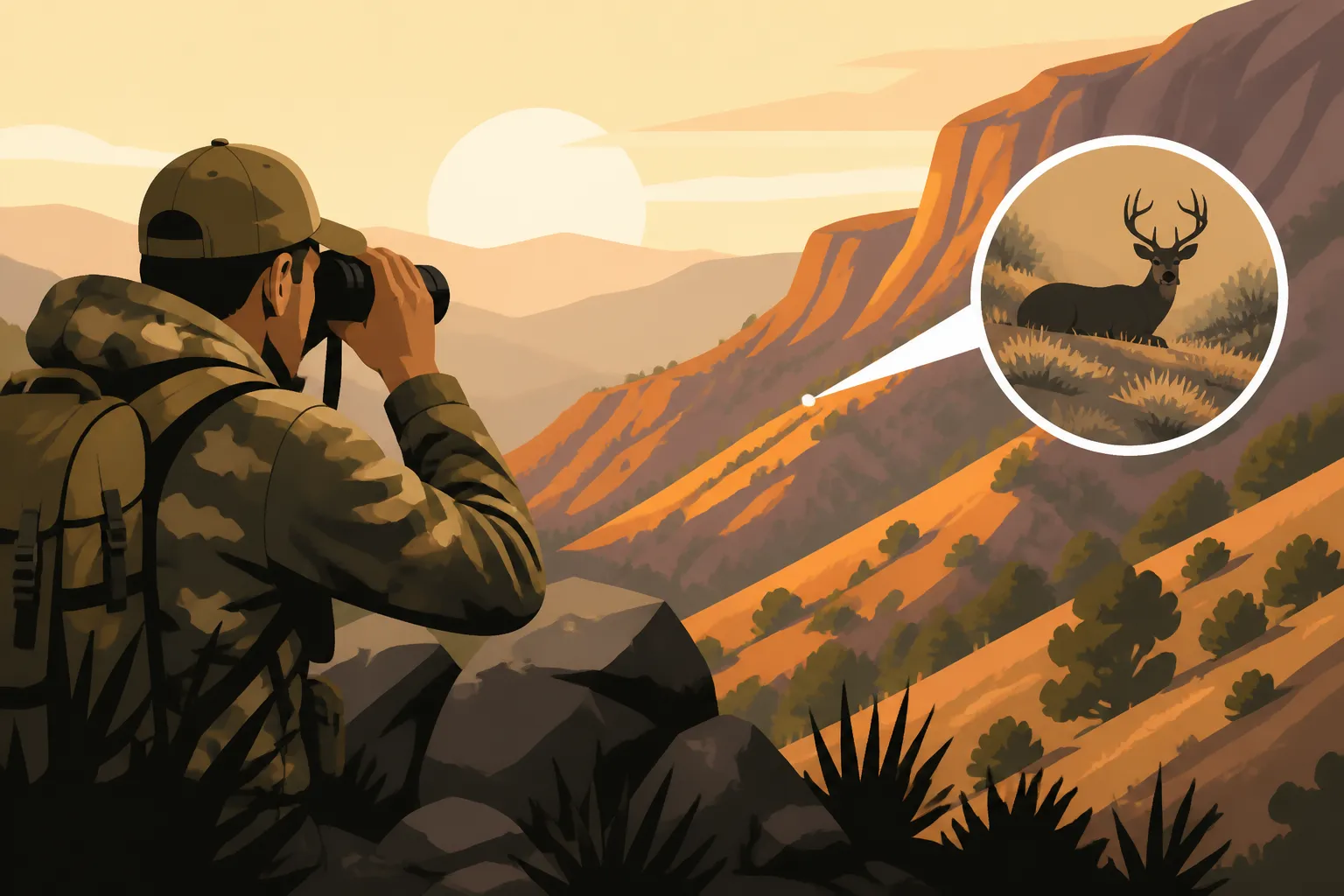
There's nothing quite like the immense beauty, and simultaneous frustration, of staring into a vast California canyon, knowing a trophy buck could be bedded down in plain sight and yet be utterly invisible. It's a classic scenario for many Golden State hunters: you've hiked for miles, found a killer vantage point, and now it's time to let your optics do the walking. This guide is dedicated to helping you unravel the mysteries of those deep canyons, turning seemingly empty landscapes into a treasure map for finding that elusive bedded buck.
Why Glassing Canyons is Key for California Deer Hunters
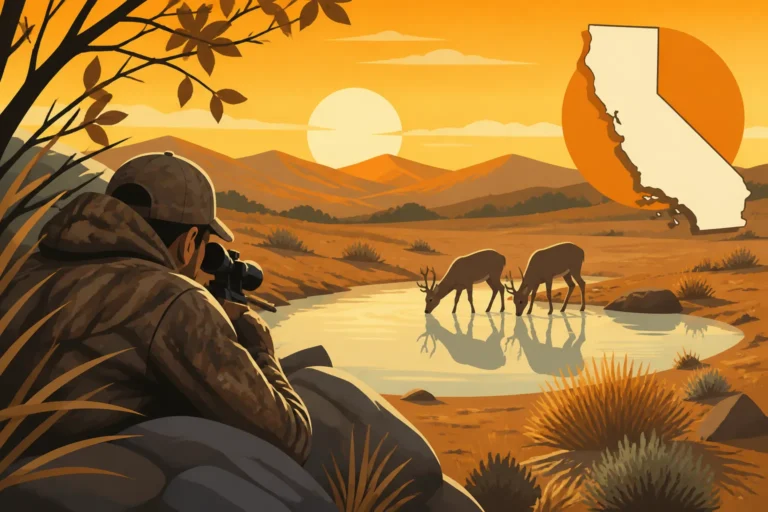
Hunting California's diverse landscapes, from the steep, brush-choked Coastal Ranges to the expansive, timbered slopes of the Sierra Nevada, often means dealing with seriously challenging terrain and even more challenging deer. Unlike some areas where you might jump deer in thick timber or stalk through rolling hills, many of our prime buck country spots demand a different approach: patience and powerful glass. Trying to still-hunt or track through every inch of a canyon is a fool's errand – you'd spook more deer than you'd ever see. That's where disciplined glassing becomes your superpower.
The Sheer Scale of California Terrain
When you're looking into a canyon in, say, the Los Padres National Forest or the vast expanse of the D-zones in Northern California, you're not just looking at a small drainage. You're often gazing at thousands of acres of broken, rugged country, filled with dense chaparral, scattered oaks, rocky outcroppings, and timber patches. The sheer scale is overwhelming. It’s impossible to cover this ground on foot effectively. A buck can disappear in a depression, behind a single bush, or under the canopy of a small group of pines, and you'd never know he was there from walking past. This is why setting up a good observation point and systematically dissecting the landscape with your optics is the only realistic way to cover such expansive and difficult terrain without putting deer on high alert.
The Elusive Nature of Bedded Deer
California deer, especially mature bucks, are masters of concealment. They aren't just looking for cover from predators; they're also trying to escape the sun, find a thermal advantage, and minimize human encounters. A bedded buck is practically an extension of the landscape, blending seamlessly with the dirt, rocks, and shadows. Their antlers can look like a dead branch, their hide like a patch of sun-drenched earth. They often pick beds with escape routes, a vantage point to see danger approaching, and a thermal updraft or downdraft that carries scents away or brings in warnings. Without high-quality optics and a methodical approach, spotting a buck that has chosen its bed with such precision is like finding a needle in a very large, very wild haystack. It’s a test of observation, not just vision.
Essential Gear for Canyon Glassing Success
You can have all the patience in the world, but without the right tools, you're just squinting at a blurry mess. Quality optics aren't a luxury; they're a necessity for effective canyon glassing. Think of them as an extension of your eyes, allowing you to pick apart shadows and scrutinize distant patches of brush in a way your naked eye simply can't. Investing in good gear upfront will save you countless hours of fruitless hiking and missed opportunities.
Choosing Your Optics: Binos and Spotters
For serious canyon glassing, you'll need both a pair of high-quality binoculars and a spotting scope.
Your binoculars, typically 10x or 12x, are your primary scanning tool. They're what you'll use for that initial, broad sweep of the canyon to identify promising areas or catch general movement. Brands like Swarovski, Vortex, and Leica are often favored by serious hunters for their clarity, light transmission, and durability, but there are excellent options at various price points. You want something that's comfortable to hold for long periods and offers a wide field of view. When you're glassing a canyon for a bedded buck, your binoculars are the first line of defense, helping you cover ground efficiently.
Once you spot something interesting or identify a high-potential bedding area, that's when your spotting scope comes into play. With magnifications often ranging from 20x to 60x or even higher, a spotting scope allows you to scrutinize every detail. Is that a shadow, or the outline of a deer's shoulder? Is that a branch, or a G2 point? The extra magnification makes all the difference in confirming a buck's presence or dispelling a "rock fever" hallucination. If you're looking for the Best Spotting Scope for a Blacktail Buck in a distant patch of timber, a quality spotter is indispensable.
Tripods and Stability Are Non-Negotiable
This point cannot be stressed enough: you must use a tripod for both your binoculars and your spotting scope when glassing canyons. Hand-holding even 10x binoculars for more than a few minutes will lead to fatigue, shakiness, and missed details. The slightest wobble blurs the image and makes it impossible to pick out a deer's ear flicker or the curve of an antler against a busy background. A sturdy tripod provides the rock-solid stability you need for hours of comfortable, focused glassing. Many hunters, myself included, will often use an adapter to mount their binoculars directly to a lightweight carbon fiber tripod for initial wide-area scanning. This setup prevents arm fatigue and allows for smooth, slow sweeps. You can find excellent advice on Tripod Setups for Long Glassing Sessions that make a huge difference.
For your spotting scope, a robust tripod is absolutely essential. The higher the magnification, the more pronounced any shake becomes. You'll be spending a significant amount of time behind that spotter, methodically breaking down distant terrain, and any movement will make it incredibly difficult to discern subtle details. Don't skimp here; a cheap, flimsy tripod will frustrate you to no end and negate the benefits of expensive optics.
Comfort and Sustenance for Long Sits
Glassing isn't a quick activity. To be truly effective, you need to commit to long periods of observation. This means you need to be comfortable and prepared. A small, lightweight pad to sit on can make a world of difference on cold or rocky ground. A good pack, like those offered by GoHunt Gear, should carry enough water, snacks, and extra layers to keep you hydrated, energized, and warm (or cool) throughout your extended glassing session. You might be sitting in the same spot for hours, sometimes even all day, waiting for a buck to stand up, stretch, or move from shade to sun. Being prepared for varying temperatures and having enough sustenance ensures you can stay focused and committed to the task at hand. Remember, patience is a virtue, but physical discomfort is a distraction that can send you packing too early.
Mastering the Art of Grid Searching
So, you've got your prime vantage point, your top-notch optics are dialed in on a sturdy tripod, and you're fueled up. Now what? You can't just randomly sweep the canyon and expect to find a bedded buck. That's where a methodical, disciplined grid-searching technique comes into play. It's about breaking down the overwhelming vastness into manageable, bite-sized chunks and inspecting each one with forensic detail.
Setting Up Your Observation Point
Choosing your glassing location is almost as important as the act of glassing itself. You want an elevated position that offers a commanding view of the canyon or basin you intend to hunt. Think about areas that allow you to see into the terrain where deer are likely to bed: north-facing slopes in hot weather, shaded pockets, or areas with thick cover. Pay attention to the sun's position throughout the day; morning glassing might be better from one side of a canyon, afternoon from another, to avoid glare. Use an app like onX Layers for California Land Status to ensure you're on public land and have legal access to your chosen vantage.
Once you're at your chosen spot, take a few minutes to survey the scene with your naked eye. Identify prominent landmarks—a specific rockslide, a lone oak tree, a distinct brush patch. These will serve as mental markers to help you orient yourself during your detailed grid search. Always make sure your back is to the wind, or at least that your scent is not blowing directly into the areas you intend to glass.
Systematic Scanning Techniques
This is where the "grid" comes in. Instead of random sweeps, imagine the entire canyon as a giant grid. Pick a starting point, say the bottom left corner of your observable area. With your binoculars mounted on your tripod, slowly pan across a narrow horizontal strip of terrain. Look for anything that looks "out of place" – a horizontal line in a vertical world, a patch of different color, an unnatural shape. Every few inches of your pan, pause for a moment to let your eyes adjust and soak in the details. Then, once you've reached the end of that strip, drop your binoculars slightly and pan back across the next horizontal strip. Repeat this process, working your way up the canyon wall, layer by agonizing layer, like a printer scanning a page.
When you spot something that piques your interest, no matter how small or insignificant, stop your binoculars on it. Now, switch to your spotting scope if necessary and zoom in. Examine that spot as if your life depends on it. Look for any tell-tale signs: an ear flick, the glint of an eyeball, the curve of an antler, a shadow that seems too deep. This is where Glassing Mule Deer in Open California Country techniques truly shine, as every detail matters. Don't rush this process. It's tedious, yes, but it's how you find those hidden gems.
Patience, Persistence, and Peripheral Vision
The biggest challenge with effective glassing is often the mental game. It's easy to get bored, frustrated, or convinced there's nothing out there. But remember, a bedded buck often won't move for hours. Your goal is to be watching when he does move, or to spot him before he does. This requires immense patience and persistence. Set a timer if you need to; commit to glassing a specific area for 30 minutes before moving your focus.
While you're doing your detailed grid search, keep your peripheral vision active. Sometimes, you'll be focused on a specific patch of brush with your spotter, and something in your peripheral vision through your binoculars (or even naked eye) will catch a subtle movement further away. It might be a raven flying, signaling something below, or a distant flicker of movement that indicates a deer standing up. Always be aware of the bigger picture, even while focusing on the minute details. This dedication is crucial for success, especially when Hunting California's Sierra Nevada High Country where deer can be scattered across massive areas.
Reading the Canyon: Where Bucks Bed
Knowing how to glass is only half the battle. You also need to know where to look. Canyons aren't uniform, and bucks aren't going to bed just anywhere. They're strategic creatures, choosing bedding locations that offer safety, comfort, and a tactical advantage. Learning to "read" the canyon and anticipate a buck's preferred bedding spots will dramatically increase your chances of success.
Understanding Thermals and Wind Patterns
Deer are masters of using their noses to stay safe, and they rely heavily on thermals and wind currents. Thermals are air currents that move up and down canyons as the sun warms and cools the earth. In the morning, as the sun heats the slopes, thermals typically rise, carrying scent uphill. In the evening, as the air cools, thermals drop, carrying scent downhill. Bucks will often bed in a spot where their scent is carried away from potential danger, or where rising or falling thermals bring them information about what's below or above them.
For example, a buck might bed high on a ridge in the morning, where rising thermals carry his scent up and away, and he can watch the canyon below for any approaching danger. As the day progresses and thermals shift, or if hunting pressure is high, he might move. Understanding Wind and Thermals in Steep Sierra Country is critical here. When you pick your glassing vantage, consider which way the wind is blowing and how the thermals are moving. If you're glassing a south-facing slope in the morning, expect deer to be higher up, taking advantage of shade and rising thermals. In the afternoon, they might be deeper in pockets, or on north-facing slopes, catching the cooling downdraft.
Key Bedding Indicators and Cover
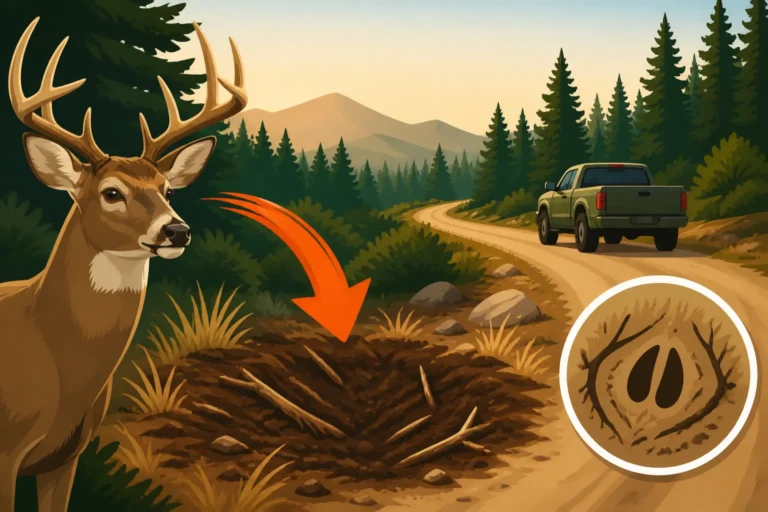
Look for specific terrain features that offer good bedding cover. Bucks love security. This means dense brush, rocky outcroppings, small benches on steep slopes, and pockets of timber. Don't just scan the open areas; focus intensely on the edges of cover, where shadows meet sunlight, and where different vegetation types merge. A buck will often bed just inside the thick stuff, peeking out into a more open area.
Pay close attention to "micro-terrain"—small dips, rises, or rocky ledges that can completely conceal a deer even in relatively open country. These tiny features, often overlooked, are often a buck's preferred spot. Also, consider the angle of the sun. Deer will seek shade during warmer parts of the day, so north-facing slopes or the shaded side of large trees or boulders are prime targets. If you're scouting for a Hunting a National Forest Burn Scar, note how new regrowth and fallen timber can create ideal bedding.
Table: Common Buck Bedding Indicators in California Canyons
| Indicator | Description | Why Bucks Use It |
|---|---|---|
| Dense Brush Pockets | Areas of thick chaparral, manzanita, ceanothus, or scrub oaks. | Provides excellent visual concealment from predators and hunters. Bucks can melt into these spots and feel secure. Often offers shade and a sense of being "tucked in." |
| Rocky Outcroppings | Clustered boulders or rock slides, especially those with small caves or overhangs. | Rocks provide excellent thermal mass, radiating heat in colder weather and offering shade in hot weather. The broken terrain makes a buck very difficult to spot. Good escape routes often present. |
| Small Benches/Terraces | Flat spots or slight shelves on steep canyon walls. | Offers a more comfortable, level bed than a steep slope. Often provides a clear view downhill while concealing the deer from above or from the side. Strategic for monitoring danger. |
| Timber Edges | The transition zone between dense timber and more open areas. | Allows a buck to bed in the security of the trees while still being able to watch the open country for danger or feeding opportunities. Offers shade and often has subtle wind currents. |
| North-Facing Slopes | Slopes that receive less direct sunlight. | Crucial in warmer weather. Provides cooler temperatures and shade throughout the day, helping deer conserve energy and stay comfortable. Often holds more moisture and lusher browse. |
| Drainage Heads/Funnels | The upper reaches of small drainages or saddles that funnel animal movement. | Offers strategic views up and down the drainage. Often has varied vegetation providing good cover and a consistent water source nearby. Deer use these as travel corridors, making them good bedding choices. |
| Isolated Pockets | Seemingly random, small areas of cover that are distinct from the surrounding open terrain. | Provides an unexpected place to hide, often overlooked by hunters. A buck betting on being unseen will pick a spot that looks "too small" or "too exposed" to be considered by hunters. |
Hunting Pressure and Buck Behavior
Perhaps the most significant factor influencing where a buck beds, especially on heavily hunted public land, is pressure. If hunters are constantly traversing ridgelines or still-hunting through creek bottoms, bucks will adjust their behavior. They'll often move to more remote, harder-to-reach areas, or choose bedding locations that offer an even greater sense of security. This is where Scouting California Public Land Before Season becomes invaluable, helping you identify these less-pressured pockets.
On opening weekend, you might find bucks bedded closer to roads or in more obvious spots. But as the season progresses and pressure builds, they'll become incredibly wary. They'll choose beds that give them an exceptional advantage, often allowing them to see or smell you long before you ever get close. This means glassing even more meticulously into the thickest, most uninviting cover. A buck might even bed on the "wrong" side of a ridge, defying typical thermal patterns, simply to avoid human scent. Understanding Hunting Pressure on California Public Land is key to predicting these shifts and finding success where others might give up. Being adaptable and willing to glass the overlooked areas will often pay dividends.
Good luck out there, and remember, that bedded buck isn't invisible – he's just incredibly good at his job. Your job is to be better at yours.
Disclaimer
The information provided in this guide is for general educational and informational purposes only. Hunting regulations and conditions in California can change frequently. Always consult the latest California Department of Fish and Wildlife (CDFW) regulations and local ordinances before engaging in any hunting activity. Safety should always be your top priority.