When California Gobblers Go Quiet in Late Spring
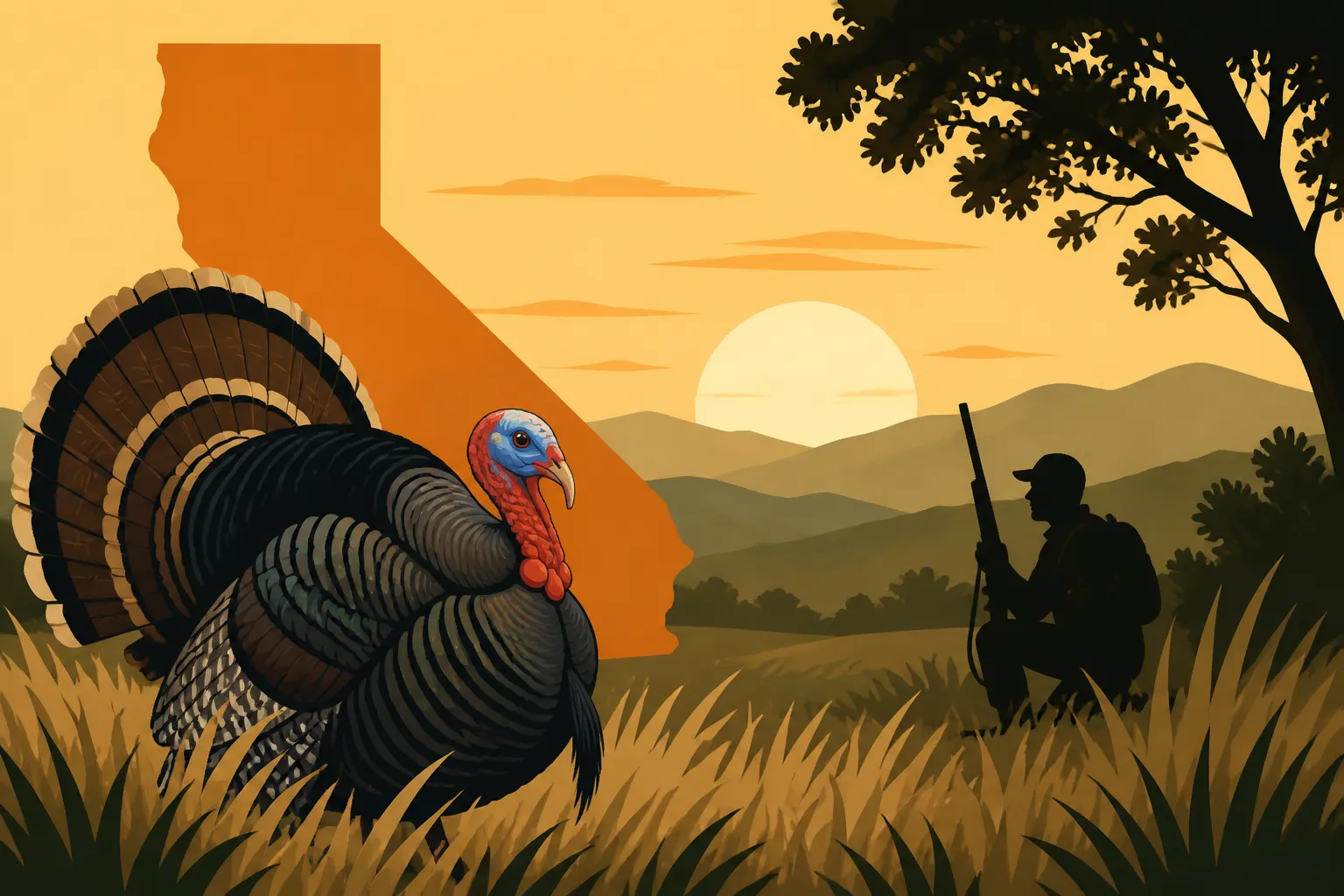
It’s a scenario every California turkey hunter knows all too well: the thrilling gobbling of early spring fades into an eerie silence as the season wears on. You started the season with birds fired up on the roost, practically begging for a fight, but now, a few weeks later, it feels like you're hunting ghosts. That late spring lull can be incredibly frustrating, leaving you wondering if all the birds vanished or if you’re just doing something wrong. This guide will walk you through why California gobblers go quiet in late spring and, more importantly, how to adapt your strategies to find success when the woods fall silent.
Understanding the Late Spring Gobbler Shift
That vibrant, aggressive gobbling we associate with the early spring turkey season is primarily driven by the peak of the breeding cycle. As the calendar flips towards late spring, a significant shift occurs in both gobbler biology and behavior, directly impacting how vocal and visible they become. It’s not that the birds are gone; they’ve simply entered a new phase of their annual routine.
Biological and Behavioral Changes
As spring progresses into late April and May, the biological imperative driving gobblers to vocalize aggressively begins to wane. Early in the season, the toms are intensely focused on attracting hens and establishing dominance. Their gobbling serves as a beacon, announcing their presence and readiness to breed. Hens are actively seeking out gobblers, and the woods are alive with communication. However, as more hens get bred and begin their nesting cycles, their interest in gobblers decreases significantly. They become occupied with laying eggs and eventually incubating them, drawing them away from the gobblers.
With fewer receptive hens to attract, gobblers often become less vocal and more dispersed. They may still gobble occasionally, especially at first light or in response to a particularly sharp noise, but the frequency and intensity diminish. They might be "henned up" early in the morning, meaning they're already with a few hens, making them less inclined to respond to a hunter's calls. As these hens eventually go to nest, the gobblers can become lonely, but also increasingly wary. They’ve likely been pressured by hunters for weeks, and their natural instincts tell them to be cautious. This transition is a real test of a hunter's patience and adaptability.
Environmental Factors and Habitat
Beyond the biological shift, the changing environment of late spring in California also plays a huge role in why gobblers seem to vanish. One of the most obvious changes is the incredible explosion of foliage. The oak woodlands and mixed conifer forests that seemed relatively open in early spring become thick with new leaves, brush, and tall grasses. This dense vegetation dramatically reduces visibility, making it harder to spot birds, and it also absorbs sound, effectively muffling gobblers that might still be vocalizing. A gobble that carried for a mile in March might only travel a few hundred yards in May, making locator calls far less effective.
Weather patterns also contribute to this shift. California's late spring often brings warmer, drier days. This can influence where turkeys spend their time. They might seek out denser shade during the midday heat, making them harder to find. Water sources become increasingly important as well, potentially concentrating birds around creeks, springs, or stock ponds. Furthermore, food sources change. Early spring might see them foraging on tender new greens, but by late spring, insects become a more significant part of their diet, and they might be searching for early mast crops or seeds. Understanding these habitat shifts is crucial, as turkeys will follow the available resources and cover.
Adapting Your Strategy for Quiet Gobblers
When gobblers aren't eager to sound off, relying solely on calling them in becomes a low-percentage game. Successful late-season hunting demands a fundamental shift in your approach, moving from primarily reactive calling to proactive scouting and patient observation. It's about becoming a detective in the woods, piecing together clues to find where birds are spending their time.
Prioritizing Scouting Over Calling
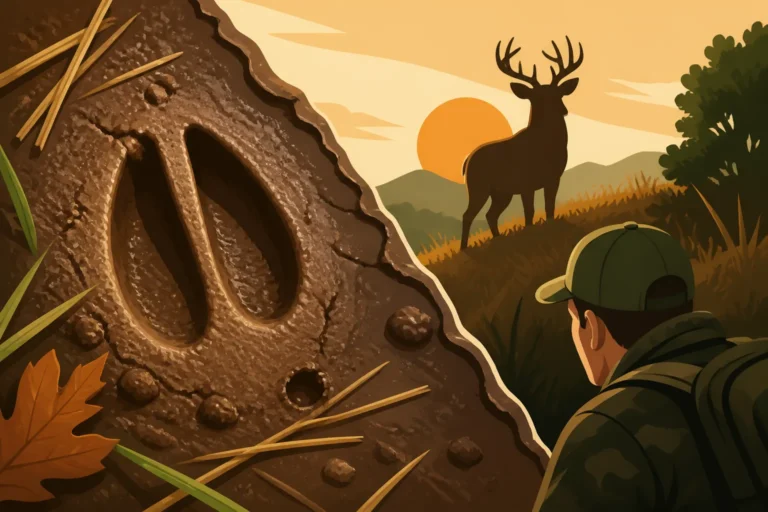
The biggest mistake a hunter can make in late spring is sticking to early-season calling tactics. Gobblers are simply not as responsive, and aggressive calling can often do more harm than good, signaling your position to a wary bird. Instead, your primary focus should be intensive scouting. You need to identify where the birds are now, not where they were weeks ago. This means putting boots on the ground and systematically searching for fresh sign. Look for tracks in soft dirt near water sources or along field edges. Keep an eye out for droppings, which indicate recent activity, and dusting bowls where turkeys scratch out shallow depressions to rid themselves of parasites.
Understanding turkey travel patterns is also paramount. Use mapping apps like those available through GoHunt to analyze terrain, identify potential roosting areas (often mature, tall trees near water or prominent ridges), and pinpoint travel corridors between food, water, and roosts. Look for saddles, creek bottoms, and subtle benches that turkeys might use to navigate the landscape. The objective is to locate areas where birds are actively feeding, dusting, or loafing, even if they aren't making a sound. By locating these high-activity zones, you can then plan a silent approach, setting yourself up for an ambush or a close-range encounter. This is a complete reversal from the early season when you might just set up and call from a likely spot.
Silent Approach and Observation Techniques
With gobblers quiet and likely warier, your movement through the woods needs to be exceptionally stealthy. Still-hunting, which involves moving very slowly and deliberately, stopping frequently to look and listen, becomes an invaluable technique. Take a few steps, then pause for several minutes, scanning your surroundings meticulously. Pay close attention to subtle movements in the undergrowth or flashes of color. Wear camouflage that blends effectively with the late spring foliage, perhaps something like the patterns discussed in "Best Camo for Oak Woodland in August" even if it's a month early, the principles of blending in are the same.
Optics are your best friend during this phase. High-quality binoculars, and even a spotting scope if you're covering vast, open country, allow you to observe from a distance without disturbing birds. Glass open fields, clearings, and power lines for turkeys feeding or loafing. Pay particular attention to edges where fields meet timber, as turkeys often stage there before entering an open area. Remember that turkeys have incredible eyesight, so any movement you make should be slow and deliberate, or completely obscured by cover. If you locate birds from a distance, formulate a plan to either intercept them as they move or circle around to set up in a position that offers a high-percentage shot without being detected. Mastering this patient, observational approach is key when the gobblers won't give away their position with a loud gobble.
Calling and Decoying Adjustments for Tough Conditions
When turkeys are quiet and pressured, you can't just blast out aggressive yelps and expect a response. Your calling and decoying strategies need to become far more nuanced and subtle, aimed at coaxing wary birds rather than challenging dominant ones. It's less about imitating a hot hen and more about sounding like a contented, non-threatening turkey.
Subtle Calling for Close Encounters
Aggressive calling in late spring often spooks pressured gobblers. They’ve heard it all, and they associate loud, insistent calls with danger. Instead, shift to soft, subtle vocalizations. Think about quiet clucks, purrs, and soft tree yelps. These sounds mimic a contented hen, signaling to a gobbler that there might be a lone hen nearby who isn’t demanding attention. This can sometimes pique a gobbler's curiosity enough to investigate, especially if he's alone and looking for company. When you're making these subtle sounds, remember the advice found in articles like "Grunt Calls in Coastal Oak Timber" about appropriate volume and tone.
Limit your use of locator calls, or use them very sparingly and strategically. A crow call or an owl hoot might still elicit a shock gobble, but if it doesn't, don't keep hammering away. The goal is to get a single response to confirm a bird's presence, then switch to your soft calling or go silent and rely on your scouting. Once you've established a bird is in the area, less is often more. Try a few soft purrs or clucks, then wait. Sometimes, silence, especially after a soft call, is the most effective enticement for a wary gobbler that has been pressured all season.
Decoy Strategies for Shy Birds
Decoying also requires adjustment when gobblers are quiet. The large, aggressive decoy spreads with multiple hens and jakes that worked early in the season can actually deter late-season birds. A lone gobbler, often feeling vulnerable, might be intimidated by a dominant setup, or simply avoid a group of birds if he's been shot at over decoys before.
Instead, opt for a minimalist approach. A single hen decoy, or perhaps a single jake decoy posed in a non-aggressive stance, can be incredibly effective. The idea is to present a non-threatening, appealing target. Place your decoy in an open area with good visibility, ideally where a gobbler can see it from a distance but still has to approach to investigate. Consider the advice in "Decoy Placement for Pressured California Birds" which emphasizes understanding the bird's approach vector. If you’re hunting during the "Hunting the Archery-Only May Turkey Window," your decoy placement becomes even more critical for a close-range shot. Patience is paramount with decoys in late spring; a gobbler might circle, hang up, or simply take a long time to commit. Be ready for the shot, but don't rush the setup or the wait.
Overcoming Late-Season Pressure and Public Land Challenges
Hunting late in California's spring turkey season brings with it a unique set of challenges, particularly related to hunting pressure and the specific characteristics of our diverse landscapes. Navigating these obstacles requires strategic thinking and often, a willingness to work harder than you did earlier in the season.
Navigating Hunter Pressure
As the season progresses, public lands, in particular, tend to see an accumulation of hunter pressure. Every easily accessible ridge and field edge has likely been walked, called, and perhaps even shot at multiple times. Gobblers quickly learn to associate human presence with danger, becoming "call shy" and "hunter wise." This is where you truly need to separate yourself from the crowd. To find unpressured birds, you often have to go where others aren't willing to go. This might mean hiking deeper into the backcountry, targeting more rugged or less accessible terrain, or hunting overlooked pockets of habitat that don't immediately scream "turkey hot spot."
Using advanced mapping tools, like those found on GoHunt, can be incredibly beneficial for identifying these overlooked areas. Look for patches of public land that are surrounded by private property but still have small, walkable access points. Analyze topographical maps to find steep canyons, dense creek bottoms, or remote ridges that require significant effort to reach. Remember that "Hunting Pressure on California Public Land" is a real factor, and turkeys will seek refuge in areas where they feel safe. Sometimes, simply walking an extra mile or ascending a steep climb can put you into an entirely different world, where birds are less wary and potentially more responsive. Don't be afraid to put in the legwork.
Specific California Considerations
California's unique and varied habitats offer both challenges and opportunities for late-season turkey hunters. Our iconic oak woodlands, especially those in the foothills and coastal ranges, are prime turkey habitat. However, by late spring, these areas can be incredibly thick with brush and green growth, making visibility tough. Focus on finding openings within the oaks, like old logging roads, fire breaks, or natural clearings where birds might feed or strut. Knowing "Finding Sign in a Coastal Oak Woodland" can guide you to these exact locations. Areas with mixed conifer and oak might offer cooler temperatures in higher elevations, potentially holding birds seeking refuge from the valley heat.
Consider areas where turkeys have access to reliable water sources, as these become increasingly critical as spring dries out. Stock ponds, natural springs, and perennial creeks can act as magnets for birds throughout the day. It's also worth noting that specific regulations, like those for "California Spring Turkey Permit Rules", remain in effect. Always double-check your tag and regulations for the specific zone you're hunting. While the birds might be quiet, the thrill of locating and outsmarting a late-season California gobbler is incredibly rewarding, proving that persistence and adaptability pay off in spades.
Here's a quick comparison of early versus late spring gobbler behavior and recommended hunting tactics:
| Factor | Early Spring Gobbler Behavior | Late Spring Gobbler Behavior | Recommended Late Spring Tactics |
|---|---|---|---|
| Vocalization | Frequent, aggressive gobbling | Infrequent, subtle gobbling or silent | Prioritize scouting, minimal, soft calling |
| Hen Influence | Actively seeking hens, often solitary | Henned up, hens nesting, or solitary and wary | Focus on finding lone, post-breeding gobblers |
| Habitat Use | More open, strutting fields, accessible | Thicker cover, deep woods, near water/shade | Still-hunting, focus on transition areas, water, deep cover |
| Response to Calls | Eager, aggressive responses | Wary, hesitant, or silent | Soft clucks/purrs, limited locator calls, patience |
| Decoy Effectiveness | Large, aggressive spreads often effective | Minimalist (1 hen/jake), realistic postures | Place decoys in clearings, allow long approach, be patient |
| Hunter Pressure | Variable, increasing | High, birds are call-shy and hunter-wise | Go deep, target overlooked areas, use mapping apps (like GoHunt) |
| Scouting Importance | Moderate, often call-in from distance | Critical, boots-on-the-ground sign finding | Focus on tracks, droppings, dusting, use aerial photos |
Disclaimer
Hunting is an inherently dangerous activity that carries significant risks, including but not limited to injury or death. This article provides general information and should not be considered a substitute for professional instruction, adherence to all applicable laws and regulations, or sound judgment. Always prioritize safety, respect wildlife and the environment, and ensure you have the necessary skills, permits, and equipment before heading into the field. Regulations can change frequently; it is the hunter's responsibility to verify all current rules and laws with the California Department of Fish and Wildlife.