Hunting the August Archery Bear Window
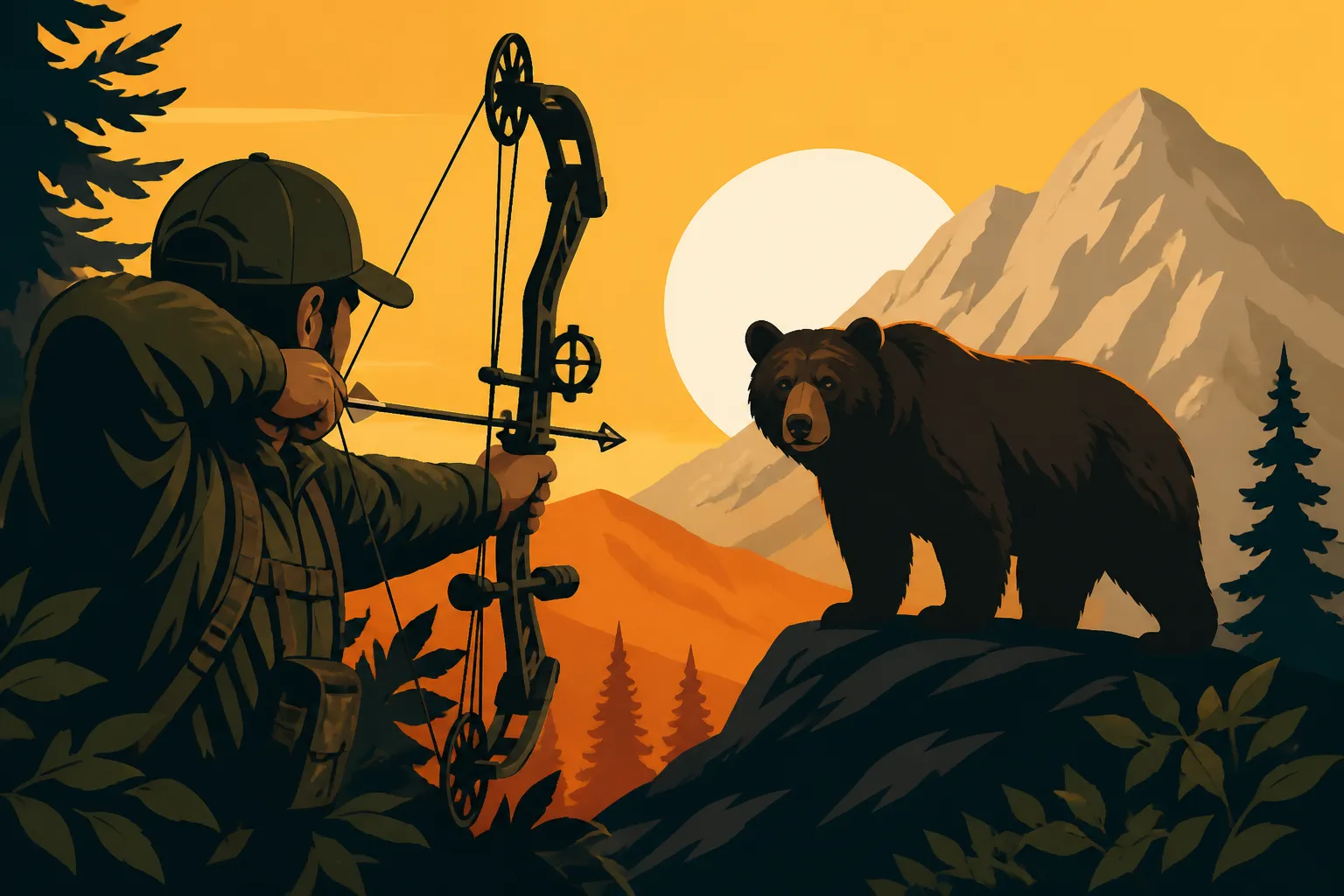
Hunting California's August archery bear window is an adventure like no other, but it's also fraught with unique challenges that can quickly turn a hopeful trip into a grueling test of endurance. The sweltering heat, the constant threat of wildfires, and the sheer difficulty of locating a mature bear on public land during this early season can be incredibly frustrating. This guide is here to walk you through the intricacies of successfully hunting black bears with archery gear in California's August heat, offering practical advice and insight to help you overcome these hurdles and fill your tag.
Understanding the August Archery Bear Window
California's bear season is a bit unique, opening with an archery-only period that starts in August, typically on the second Saturday. This early window offers a fantastic opportunity for bowhunters to pursue bears before the general rifle season opens. However, it’s crucial to understand the nuances of this season, especially the statewide quota, which can bring the season to an early halt.
Key Season Dates and Zones
The California Department of Fish and Wildlife (CDFW) sets specific dates for the archery bear season, which usually kicks off around the second Saturday of August. For example, in recent years, this has meant an opener on August 10th or 12th, running until either the general season opens in various zones, or, more critically, until the statewide quota of 1,700 bears is met, whichever comes first. This archery window often overlaps with the earliest deer archery seasons in zones like A and B, which can be an advantage if you're out scouting or hunting other game.
It’s important to note that the archery season is statewide, meaning you can pursue bears in any open bear hunting zone, provided you have the appropriate bear tag and a valid hunting license. Unlike deer, where zone boundaries dictate season dates, the bear archery season is more uniform across the state. However, understanding the specific terrain and typical bear behavior within your chosen zone is paramount. For detailed information on the precise opening and closing dates for the archery period, always consult the current CDFW regulations, as these dates can sometimes shift slightly year-to-year. Keeping track of the exact California Bear Archery Season Dates is your first step to planning a successful hunt.
The Statewide Quota and Early Closures
One of the most critical aspects of California bear hunting is the statewide quota. The CDFW manages the black bear population by setting an annual harvest quota, which, for many years, has been set at 1,700 bears. This means that once 1,700 bears are reported harvested across the entire state, the season for all bear hunting — archery, general, and even nuisance tags — closes automatically, regardless of the published end dates. This rule is in place to ensure the long-term health and stability of California's black bear population.
The implication for August archery hunters is significant: the season can close very, very quickly, sometimes within a few weeks of the opener, especially if the general rifle season has a strong start. While the archery harvest itself isn't usually enough to hit the quota, it contributes to it, and a strong opening weekend can easily put a dent in the remaining tags. This means you need to be prepared to hunt early and often, and constantly check the CDFW website or their dedicated bear quota hotline for updates on the current harvest count. Missing this crucial detail could mean heading out for a hunt only to find the season already closed, which is a frustrating experience many hunters have faced. Understanding California's 1,700-Bear Statewide Quota and knowing Why the Bear Season Can Close Early are absolute musts for any bear hunter in the Golden State.
Prime Bear Habitat in Late Summer
August in California is typically hot and dry, which significantly influences bear behavior and where you'll find them. Bears are highly opportunistic and their movements are primarily dictated by food availability and access to water. Understanding these patterns is key to locating a bear during the archery window.
Identifying Key Food Sources
In late summer, bears are in full "hyperphagia" mode, meaning they are aggressively eating to put on fat reserves for the upcoming winter denning period. While early spring bears might rely on grasses and forbs, August bears are heavily focused on high-calorie foods. This is prime berry season across much of California's bear country. Look for manzanita berries, huckleberries, wild blackberries, and even some serviceberries in higher elevations. These fruiting shrubs can be bear magnets. Creek bottoms and shaded hillsides often hold the most productive berry patches, as they retain moisture longer.
Another critical food source, especially as August progresses into September, is acorns. While the main acorn drop typically happens later in the fall, some early-maturing oak species might start dropping in late August, particularly during years with good mast crops. Black oaks (often found in the Sierra Nevada) and various scrub oaks can be particularly appealing. Bears will spend hours foraging under these trees, and fresh scat loaded with acorn casings is a dead giveaway. Additionally, bears will root for tubers, grubs, and other insects. Burn scars from previous years can also be productive, as the new growth often brings abundant berries and other edibles that attract Black Bears in California. Focusing your scouting on these areas, especially where they combine with water, will drastically increase your chances. Many successful August archery hunters swear by finding a remote Spot-and-Stalk Bear Hunting a Berry Patch.
Water Sources and Bedding Areas
Given the oppressive August heat, water becomes an incredibly important attractant and necessity for bears. They need to drink frequently, especially after consuming dry, fibrous foods. Focus on areas with consistent water sources: perennial springs, shaded creek bottoms, seeps on north-facing slopes, and even stock ponds on private land adjoining public access. Bears will often travel significant distances from bedding to water, and these travel corridors can be excellent ambush points.
Bedding areas during August are typically located in dense, cool cover. Think thick timber stands, dense chaparral, or north-facing slopes that offer maximum shade throughout the day. Bears will often bed relatively close to prime food sources, but they'll always prioritize remaining cool and out of the sun. These bedding areas will often have well-worn trails leading to feeding and watering sites. Learning to read the terrain for these natural funnels and pinch points between food, water, and bedding can make all the difference in connecting with a bear during this challenging season.
Archery Tactics for August Bears
Hunting bears with a bow in August demands a patient, meticulous approach. The thick vegetation, dry conditions, and often steep terrain of California's bear country, coupled with the bear's keen senses, make close encounters incredibly difficult.
Spot-and-Stalk in Open Country
When hunting more open country, such as large burn scars, clear-cuts, or sparse oak woodlands, the spot-and-stalk method can be highly effective. This involves finding a high vantage point, preferably with some morning shade, and using high-quality optics to systematically glass potential bear habitat. Look for bears moving through berry patches, feeding on acorns, or heading to water in the early morning or late evening. The use of powerful binoculars and a spotting scope is non-negotiable here. Brands like Zeiss, Swarovski, or Kowa are popular for their clarity and light-gathering capabilities, helping you pick out a black bear against a dark background or in deep shadows.
Once a bear is spotted, the real work begins. You'll need to carefully plan your approach, considering wind direction, thermals (which often pull uphill in the morning and downhill in the evening), terrain features for cover, and potential escape routes for the bear. The ground in August can be incredibly dry and noisy, making silent movement a huge challenge. Sometimes, you might need to wait for hours for the bear to move into a more favorable position or for the wind to shift. A successful spot-and-stalk requires immense patience, quiet footwear, and an intimate understanding of how wind and thermals behave in steep country. Using mapping apps like GoHunt can be invaluable here, allowing you to mark vantage points, plan stalk routes, and understand potential wind corridors based on topography. This type of hunting can be incredibly rewarding, especially when you successfully execute a stalk after hours of observation, leading to a close-range shot. Many experienced hunters hone their skills Glassing a Burn Scar for a Feeding Bear.
Ambushing Near Water or Food
For areas with denser cover, or where a bear's patterns around a specific food or water source are identifiable, ambushing can be a more consistent tactic. This involves setting up a ground blind or finding natural cover (like a thick oak or a cluster of manzanita) along a well-used trail leading to a prime berry patch, an early acorn drop area, or a reliable water source. The key here is to remain absolutely motionless, silent, and scent-free. Bears have an incredible sense of smell, far superior to deer, and any human odor can send them fleeing. Using scent-eliminating sprays, washing hunting clothes in scent-free detergent, and playing the wind meticulously are paramount.
Setting up your ambush point downwind of the anticipated travel route is non-negotiable. If you can't get downwind, you shouldn't set up. Plan your entry and exit routes to avoid disturbing the area. This method requires a long sit, often from before dawn until mid-morning, and again from late afternoon until dark. It's not uncommon to sit for multiple days in the same spot, waiting for a bear to show itself. The patience required for an ambush can be grueling, but for a bowhunter needing a close shot, it often presents the most reliable opportunities. Ensure your setup provides clear shooting lanes for an ethical shot, and practice shooting from a seated or kneeling position, as that's often how you'll be shooting from a blind.
Scouting and Trail Camera Strategies
Effective scouting is the bedrock of any successful August archery bear hunt. You can't just show up on opening day and expect to find bears. Pre-season scouting, weeks or even months before the opener, is essential. Look for fresh bear sign: scat (often full of berries or acorns in August), tracks in muddy creek bottoms, rubbed trees (bears will rub against trees to mark territory or to scratch an itch), and overturned rocks or logs from foraging. Pay close attention to trails leading to food and water sources.
Trail cameras can be an invaluable tool for patterning bears, especially in areas with limited visibility or where you can't be present constantly. Set up cameras on active game trails, near water sources, or overlooking prime feeding areas. Cellular trail cameras, while an investment, can give you real-time updates, allowing you to adjust your strategy without repeatedly disturbing the area. Make sure to place cameras high enough to avoid being tampered with by bears (or other curious critters!) and to get a good angle of the trail. GoHunt's mapping features can help you pinpoint promising locations for camera placement based on satellite imagery and historical game activity, helping you avoid wasting time in unproductive spots. Remember, consistent camera activity on a specific bear can give you the confidence to commit to an area.
Essential Gear and Safety Considerations
August bear hunting isn't just about finding the animal; it's about being prepared for the environment and the challenges unique to this pursuit. Your gear choices and safety protocols can make or break your hunt.
Archery Equipment for Bear
For bear hunting with archery gear, shot placement and penetration are absolutely critical for an ethical and quick harvest. You want a bow setup that delivers maximum kinetic energy and momentum. Most serious bear bowhunters opt for a compound bow with a draw weight of at least 60-70 pounds, paired with heavy arrows (450-550 grains total weight) for maximum penetration. The extra arrow weight helps drive broadheads through thick hide, muscle, and bone.
Speaking of broadheads, choose a sturdy, reliable design that maintains structural integrity upon impact. Fixed-blade broadheads with strong, cut-on-contact tips are a favorite among many bear hunters for their reliability and deep penetration, even through ribs. Mechanical broadheads can work, but ensure they are large, robust designs built for big game and that they deploy reliably after punching through tough hide. Practice extensively with your chosen broadheads to ensure perfect flight and understand their limitations. A razor-sharp edge is non-negotiable. Remember, a bear's vitals are protected by significant muscle and often a layer of fat, so penetration is paramount. Your choice of Broadheads and Arrows for California Archery Season will directly impact your success and ethical execution.
Staying Safe in August Conditions
The August environment in California presents several safety challenges beyond just encountering a bear. The heat is often brutal, with temperatures regularly exceeding 90 or even 100 degrees Fahrenheit in many bear habitats. Dehydration and heat stroke are serious risks. Carry plenty of water—more than you think you'll need—and consider electrolyte supplements. Dress in lightweight, breathable layers that wick moisture away from your skin. Hydration packs are indispensable.
Wildfires are another major concern. August is typically peak fire season. Always check local fire danger ratings, respect any fire restrictions (like campfire bans or vehicle restrictions), and be aware of your surroundings. A remote hunt can quickly turn dangerous if a fire breaks out. Rattlesnakes are also active in the heat, so watch your step, especially in rocky or brushy areas.
Finally, while black bears are generally not aggressive, they are powerful wild animals. While rare, surprise encounters can happen. Carrying bear spray, like Counter Assault or UDAP, is a wise precaution, especially in dense cover. Know how to use it and keep it readily accessible, not buried in your pack. A reliable first-aid kit is also a must for any backcountry outing. Understanding how to use Best Bear Spray for Sierra Backcountry could be a lifesaver.
Ethical Considerations and Field Care
Ethical hunting dictates that you take the most humane shot possible and make every effort to recover your animal. For bears, this means aiming for the lung/heart area, just behind the shoulder. Avoid shoulder shots with a bow, as the bone can prevent penetration to the vitals. Wait for a broadside or slightly quartering-away shot. Never take a frontal shot with a bow.
Once a bear is down, field care in August is a race against time. The combination of dense fur, thick fat layers, and high ambient temperatures can spoil meat quickly. You need to gut and skin the bear as soon as possible. Quartering the animal and getting it cooled down or on ice is crucial. If you're in the backcountry, game bags are essential for protecting the meat from flies and dirt. Consider carrying a lightweight game cart if the terrain allows, or be prepared for multiple trips with a solid pack frame. Judging a legal bear, especially distinguishing between a mature bear and a sow with cubs, is also an important ethical and legal consideration. Always strive for positive identification before drawing your bow. Knowing how to tell the difference and avoiding conflicts is key to Judging a Legal Bear From a Sow With Cubs.
Navigating Regulations and Reporting
California hunting is highly regulated, and bear hunting is no exception. Beyond season dates and quotas, understanding ammunition requirements and harvest reporting protocols is essential to staying legal.
Non-Lead Ammunition and Fire Restrictions
California has a statewide ban on lead ammunition for all hunting, which means all projectiles, whether for rifles, shotguns, or handguns, must be non-lead. While this applies directly to firearms, it's an important consideration for bowhunters as well. If you carry a sidearm or a rifle for personal protection or as a secondary means of dispatching a downed animal (though dispatching with a rifle after an archery shot is generally discouraged and should only be done if absolutely necessary for safety and legally permissible), it must be loaded with non-lead ammunition. This mandate is driven by conservation efforts, particularly to protect the endangered California condor, which can be poisoned by scavenging lead fragments.
Additionally, August often brings severe fire restrictions across national forests, BLM lands, and state wildlife areas. These restrictions can range from bans on campfires to prohibitions on internal combustion engines off designated roads, or even temporary area closures. Always check the specific regulations for your hunting area with the local land management agency (Forest Service, BLM, CDFW) before you head out. Ignoring these restrictions can lead to hefty fines, permit revocation, and even criminal charges, not to mention the devastating impact of causing a wildfire. Adhering to California's Non-Lead Ammunition Requirement is not just a suggestion; it's the law.
Reporting Your Harvest
Reporting your bear harvest is a mandatory step in California. It's not just a formality; it's how the CDFW tracks the statewide quota and gathers vital data for population management. You are required to report your harvest within 24 hours of taking the bear, or within one business day if you take it on a weekend or holiday. This can usually be done online through the CDFW's Automated License Data System (ALDS) portal or by calling a designated CDFW office during business hours.
When reporting, you'll need to provide your license and tag information, the date and location of the harvest, and the bear's sex. Additionally, you are required to have a skull or skull plate (including the lower jaw) with an attached canine tooth, and the pelt (with the tag still attached), validated by a CDFW employee within 10 days of the harvest. This validation process helps the CDFW collect biological data, such as tooth samples for aging the bear. Failure to report your harvest or have your bear validated can result in fines and loss of hunting privileges. This step is crucial for contributing to the accurate California Bear Harvest Numbers by Season and ensuring sound wildlife management.
Where to Find August Archery Bears
California is a vast state with diverse terrain, and black bears can be found in many regions. However, for August archery, specific types of habitat tend to be more productive.
National Forests and BLM Land
Much of California's prime bear habitat is found within the state's numerous National Forests and Bureau of Land Management (BLM) holdings. Areas like the Shasta-Trinity National Forest, Six Rivers National Forest, Mendocino National Forest, and parts of the Sierra Nevada (e.g., Plumas, Tahoe, Stanislaus National Forests) are excellent choices. These areas offer vast expanses of public land, often characterized by dense timber, chaparral, and varied terrain with abundant water sources and diverse food plants.
Within these public lands, focus on areas with a mix of cover, water, and late-summer food sources. Steep, north-facing slopes often hold cooler temperatures and denser vegetation, providing both bedding cover and berry patches. Creek bottoms and riparian zones are critical during the dry August heat. Utilizing digital mapping tools like GoHunt or OnX Hunt can help you identify these features, pinpoint potential access points, and scout remotely. Look for areas away from popular campgrounds and hiking trails, as bears tend to avoid heavy human pressure. Finding success often means exploring the more remote sections of Public Hunting Land in California.
Challenging but Rewarding Areas
While accessible public lands offer opportunities, sometimes the most challenging areas yield the biggest rewards. The dense chaparral of the coastal ranges or the remote, high-country wilderness areas of the Sierra Nevada can be incredibly difficult to navigate and hunt, but they also hold unpressured bears. These areas demand extreme physical fitness, meticulous planning, and self-sufficiency.
For example, sections of the Los Padres National Forest in Southern California, or the more rugged parts of the Trinity Alps Wilderness in Northern California, offer incredible backcountry experiences. These hunts often require multi-day pack-in trips, where you're completely self-reliant. The sheer effort of getting into these remote locations often deters many hunters, leaving these bears relatively undisturbed. Success in these challenging areas isn't guaranteed, but the experience itself is often the reward, and the chances of encountering a truly mature bear can be higher. Always assess your physical capabilities and experience before venturing into truly remote, rugged terrain. Heading into Hunting California's Sierra Nevada Backcountry requires a different level of preparation.
Table: Common August Bear Food Sources and Locations
| Food Source Type | Specific Examples | Typical Habitat & Location | Bear Preference Notes |
|---|---|---|---|
| Berries | Manzanita, Huckleberry, Wild Blackberry, Serviceberry | Shaded slopes, creek bottoms, riparian areas, burn scars, forest edges | High-calorie, critical during hyperphagia; look for fresh scat. |
| Acorns | Black Oak, Canyon Oak, Scrub Oak (early drop) | Oak woodlands, mixed conifer-oak forests, foothills | Increasingly important as August progresses; bears will target specific trees. |
| Grasses & Forbs | Lush grasses, clover (less common in dry August) | Wet meadows, spring seeps, shaded riparian zones | Primarily in areas retaining moisture; often eaten along with other foods. |
| Insects & Grubs | Ant colonies, beetle larvae, yellowjacket nests | Under logs, rocks, forest duff, stumps | Constant food source, especially when other foods are scarce; overturned rocks are a clue. |
| Carcasses | Deer, elk, livestock (rarely fresh, usually scavenged) | Anywhere an animal has died, particularly after deer season openers | Highly opportunistic; bears will travel for carrion. |
Hunting the August archery bear window in California is a challenging endeavor, but it's one that offers immense satisfaction for the dedicated bowhunter. By understanding the unique seasonal pressures, focusing on key food and water sources, employing patient archery tactics, and meticulously adhering to regulations and safety protocols, you significantly increase your chances of success. It's a hunt that demands preparation, resilience, and a deep respect for the incredible Black Bears in California that call this state home.
Disclaimer
Please be aware that hunting regulations, season dates, and quotas in California are subject to change. Always consult the most current California Department of Fish and Wildlife (CDFW) regulations and official proclamations before planning and engaging in any hunting activity. This guide is for informational purposes only and should not be considered a substitute for official legal guidance.