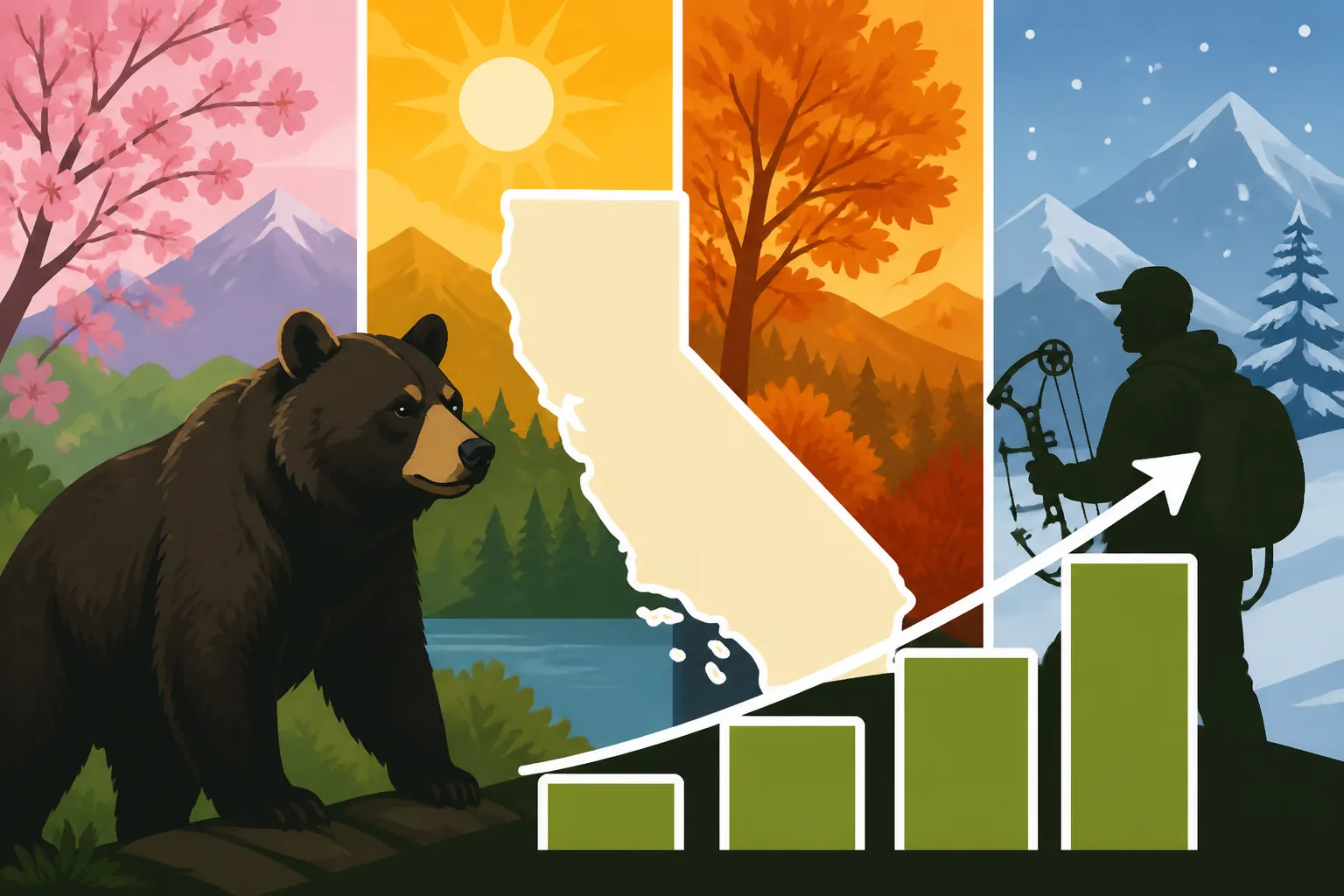
California Bear Harvest Numbers by Season
Understanding California's black bear harvest numbers can feel like trying to solve a puzzle, especially when you're planning your next hunt and trying to gauge your chances or predict potential season closures. It’s frustrating to invest time and money only to find a season has been impacted or closed early. This guide will meticulously break down California's bear hunting seasons and provide a comprehensive look at the annual harvest data, helping you interpret these trends for more informed hunting decisions.
Understanding California's Black Bear Hunting Seasons
California's approach to black bear hunting is unique, with specific season structures and a statewide quota system that heavily influences harvest numbers. It's not just about when you can hunt, but also how many bears are allowed to be taken across the entire state, which adds a layer of complexity for hunters.
The Archery-Only Bear Season Window
Before the general rifle season even begins, dedicated archers have a crucial window to pursue California black bears. This archery-only season typically opens in late August, offering a challenging yet rewarding experience. Hunters must use archery equipment exclusively during this period, which usually means closer encounters and a higher degree of skill required. Historically, this early season can be quite warm, especially in the interior parts of the state, influencing bear activity patterns. Bears might be focused on high-elevation berry patches or other food sources as they build fat reserves for winter, making specific scouting and hunting strategies like Spot-and-Stalk Bear Hunting a Berry Patch particularly effective. The harvest numbers during this specific window, while a smaller portion of the overall annual take, provide an early indication of bear activity and hunter participation for the year.
The General Bear Season Structure
The general bear season in California varies slightly by zone, but typically kicks off in early September, often coinciding with deer seasons in many areas. This season allows for the use of firearms, broadening the accessibility for many hunters. What's vital to remember is that bear season is not a standalone, fixed-date season in the same way deer zones are. Instead, it runs concurrently with specific deer seasons in various zones, or for a set period in areas without an overlapping deer season, until the statewide quota is met. This means you need to be constantly aware of the current harvest total, as the season can shut down abruptly. For instance, California Bear General Season Opening Day might be September 1st in many zones, but it's not guaranteed to run until the scheduled close date if hunters are particularly successful statewide.
The Statewide Quota System
The most critical aspect of California's bear hunting framework is its statewide quota. The state sets an annual quota, currently capped at 1,700 black bears. This isn't a suggestion; it's a hard limit. Once the California Department of Fish and Wildlife (CDFW) determines that 1,700 bears have been harvested by licensed hunters across the entire state, the season closes, regardless of any published end dates. This means that even if you have a bear tag and the general season technically allows hunting until December, it could realistically close much earlier if hunter success rates are high. This dynamic system necessitates vigilance from hunters, often requiring daily checks of the CDFW's website to see the running tally. Understanding Why the Bear Season Can Close Early is paramount for any aspiring bear hunter in California, as it directly impacts your hunting plans and opportunities.
Deciphering the Annual Bear Harvest Data
Looking at raw numbers can be intimidating, but understanding what the annual bear harvest data actually represents can provide invaluable insights into bear populations, hunter success, and future hunting strategies. It's more than just a tally; it's a snapshot of the state's bear management and ecological health.
Key Metrics in Harvest Reports
When the CDFW compiles its annual bear harvest reports, they track several key metrics beyond just the total number of bears taken. These often include:
- Total Harvest: The headline number, indicating how many bears were harvested statewide. This is the figure that triggers the season closure when it reaches the 1,700-bear quota.
- Harvest by Season Type: Breakdown between archery and general season take. This helps illustrate the effectiveness of different hunting methods and the participation levels in each season.
- Harvest by County/Zone: Identifying which geographic areas are yielding the most bears. This is crucial for hunters looking to target high-density areas.
- Harvest by Sex: Often reported as a male-to-female ratio. A healthy population typically sees a higher proportion of males harvested, as excessive female harvest can negatively impact population growth.
- Harvest by Method: While broadly categorized as archery or rifle, sometimes more granular data on specific weapon types or techniques might be inferred.
- Hunter Participation: The number of bear tags sold versus the number of bears harvested gives a success rate, which is a key indicator for individual hunters.
These metrics, when viewed over multiple years, allow wildlife managers to assess the California Black Bear Population Estimate and make informed decisions about future regulations, ensuring sustainable hunting opportunities.
How Harvest Numbers Reflect Bear Populations
It might seem counterintuitive, but consistent, healthy harvest numbers often indicate a thriving bear population. California's black bear population has seen significant growth over recent decades, with current estimates suggesting there are over 30,000 black bears in the state. This substantial population base allows for a managed harvest without detriment to the species. Low harvest numbers, on the other hand, could indicate a population decline, but more often in California's context, they signal factors like poor food years, limited hunter access due to fires, or simply lower hunter effort. Wildlife biologists analyze harvest data in conjunction with other research, such as den surveys and tagging studies, to gain a holistic understanding of how many black bears live in California today and how the population is trending. This ensures the 1,700-bear quota is set at a level that is both sustainable for the bears and provides ample opportunity for hunters.
Regional Differences in Harvest Success
California is a massive state with incredibly diverse habitats, and this diversity is clearly reflected in regional bear harvest numbers. Areas with vast expanses of timber, abundant food sources like acorns and berries, and less human development tend to produce higher harvest numbers. For example, the northern coastal ranges and the Sierra Nevada consistently show higher bear densities and, consequently, higher harvest totals compared to the more arid regions or fragmented habitats further south. Hunters planning their trips often consult these regional breakdowns to focus their efforts. If you're looking for high-success areas, you might find that the Northern California's Coast Range or parts of the Sierra Nevada Backcountry regularly contribute a larger share to the statewide harvest. This isn't just about raw numbers; it's about understanding the localized conditions that make certain areas prime bear country.
Diving Into Seasonal Harvest Trends
Beyond just the overall yearly count, observing the harvest trends within the different seasons—archery and general—and how they fluctuate year-to-year offers a deeper perspective. These trends are influenced by a myriad of factors, from weather to food availability, all of which play a role in hunter success.
Archery Season Harvest Performance
The archery-only season, typically running for about three weeks in late August to early September, usually accounts for a smaller percentage of the overall annual bear harvest. This is largely due to the challenging nature of archery hunting, which demands greater stealth, patience, and proximity to the animal. However, this season often sees a dedicated group of hunters, and success rates, while lower than rifle season, can still be respectable. The early timing means bears are often still active, focused on summer food sources. Hunters targeting this window might find success by scouting for active bear sign around water sources and transition areas as they move between bedding and feeding grounds. The California Bear Archery Season Opening Day marks a period when bears are frequently encountered alone, making it a prime opportunity for a selective hunt.
General Season Peaks and Valleys
The general season, which often runs concurrently with many deer seasons, sees the bulk of the bear harvest. Its opening days, particularly those coinciding with major deer openers, usually experience a significant surge in harvest numbers as more hunters are in the field. This initial rush often represents a peak in the harvest, with a steady decline as the season progresses, or until the quota is approached. However, this trend can be punctuated by "valleys" caused by factors like extreme heat, which can make bears more nocturnal, or by large-scale wildfires that limit access to prime hunting grounds. As the season pushes into late fall, bears are intensely foraging, often referred to as hyperphagia, building up fat for hibernation. This can lead to another surge in activity and harvest in areas with abundant mast crops like acorns, making Hunting Coastal Range Oak Woodlands particularly productive in a good acorn year.
Factors Influencing Year-to-Year Fluctuations
The total annual bear harvest numbers are rarely static; they fluctuate based on several key environmental and human-related factors:
- Food Availability: This is perhaps the most significant environmental driver. Years with abundant acorn crops, berry production, or other natural foods mean bears are healthier, more active, and often more widely dispersed, making them both easier and harder to find, depending on how "spread out" they are. Conversely, poor food years can concentrate bears around scarcer resources, potentially leading to higher localized harvests but also increased competition for food.
- Weather Conditions: Mild winters can lead to better cub survival and earlier emergence from dens. Hot, dry summers can reduce bear activity during daylight hours, while early snows can push bears into hibernation sooner.
- Wildfires: California's increasing wildfire activity has a direct impact. Large fires can displace bears, destroy habitat, and close vast tracts of public land, directly reducing hunting opportunities and subsequently, harvest numbers.
- Hunter Effort: Economic conditions, gas prices, and even the popularity of hunting overall can affect the number of hunters in the field, which directly influences the potential for harvest.
- Regulations: While the 1,700-bear quota remains consistent, other minor regulatory changes or specific area closures can indirectly affect harvest totals.
These variables create a complex interplay that results in the specific California Bear Harvest Numbers by Season reported each year.
Interpreting Harvest Data for Future Hunts
Knowing the historical harvest numbers is one thing, but truly understanding how to interpret that data to inform your future hunting plans is where the real value lies. This insight can help you pinpoint the best times and places to focus your efforts and stay ahead of potential season closures.
Identifying High-Success Zones and Seasons
Analyzing past harvest reports can be incredibly revealing when trying to identify areas with historically high bear populations and hunter success. Look for consistent performers among the California's Eighteen National Forests or specific counties that regularly yield a significant portion of the statewide harvest. For example, counties in the northern part of the state, such as Trinity, Humboldt, or Shasta, often rank high in bear take due to their dense forests and robust bear populations. Similarly, studying the harvest breakdown by season (archery vs. general) can help you decide which window might best suit your hunting style and availability. If the archery harvest is consistently low, but you prefer the challenge, you might find less hunter pressure. Conversely, if the general season consistently sees a high harvest in a particular zone, it might be worth focusing your scouting there, especially during the early weeks.
Using Data to Predict Quota Closures
One of the most practical applications of understanding harvest data is to help predict when the statewide quota might be reached, leading to an early season closure. By tracking the weekly or bi-weekly harvest updates provided by the CDFW during the season, you can compare the current pace against historical data.
Consider this hypothetical scenario:
| Year | Archery Season Harvest | General Season Harvest (by Sept 30) | Total Harvest (by Sept 30) | Final Total Harvest | Closure Date |
|---|---|---|---|---|---|
| 2021 | 150 | 650 | 800 | 1680 | Dec 10 |
| 2022 | 180 | 800 | 980 | 1700 | Nov 20 |
| 2023 | 160 | 700 | 860 | 1650 | Nov 28 |
| 2024 | 190 | 950 | 1140 | ??? | ??? |
If it's mid-September in 2024 and the total harvest is tracking significantly higher than previous years at the same point (e.g., 1140 bears by Sept 30 compared to 800-980 previously), it's a strong indicator that the season could close much earlier. This gives you time to accelerate your hunting plans, perhaps shifting a late-season deer hunt to an earlier bear hunt, or focusing your efforts during the Spot-and-Stalk California Bear Hunting Before the Quota Closes window. Staying informed is your best defense against missing out on a season you've been planning for.
Leveraging Resources like GoHunt for Insights
In today's digital age, hunters have access to incredible tools to help them analyze this data. Platforms like GoHunt are invaluable for delving into harvest statistics, draw odds, and other crucial hunting information. While not specific to California bear, many such platforms offer tools that allow hunters to filter and visualize harvest data by species, unit, and season, often providing a more digestible format than raw government reports. They can help you overlay harvest data with other factors like habitat types, public land access, or even historical weather patterns, giving you a comprehensive scouting advantage. Utilizing these resources can make a significant difference in understanding where to focus your efforts, especially when considering the dynamic nature of California's bear season. While Scouting California Public Land Before Season is always critical, digital tools supplement that effort by providing a macro-level view of bear activity.
The Impact of Regulations and Environmental Factors
Harvest numbers aren't just a reflection of bear populations; they're also deeply intertwined with the regulatory landscape and the ever-changing environmental conditions within California. These factors can significantly influence hunter behavior and, consequently, the annual bear take.
Non-Lead Ammunition and Hunter Behavior
California's statewide non-lead ammunition requirement, which went into full effect in 2019, has had a noticeable impact on all big game hunting, including bears. This law mandates the use of certified non-lead projectiles for hunting any game species anywhere in the state. While the intent is ecological, primarily to protect scavengers like the California condor from lead poisoning, it has presented challenges for hunters. Many traditional ammunition choices are no longer legal, and Choosing Non-Lead Rifle Ammunition in California requires careful consideration of bullet types, availability, and ballistics. Some hunters might have temporarily reduced their participation due to the perceived cost or difficulty in sourcing non-lead ammunition, which could subtly influence overall harvest numbers. However, as the market for non-lead options has matured, this initial impact has likely stabilized, with hunters adapting to the new norm and ensuring compliance for their Rifles and Calibers for California Big Game choices.
Drought, Wildfires, and Food Availability
California's environment is notoriously volatile, and the recurring cycles of drought and massive wildfires are significant forces shaping wildlife behavior and hunting opportunities. Prolonged droughts can severely impact natural food sources, forcing bears to range wider in search of sustenance, potentially bringing them into new areas or closer to human development. Conversely, years with abundant rainfall can lead to bumper crops of acorns and berries, scattering bears across the landscape as they take advantage of widespread food.
Wildfires, on the other hand, can be devastating. They destroy vast tracts of habitat, directly impacting local bear populations and displacing survivors. More immediately for hunters, large fires lead to extensive California Area Closures in Season, blocking access to traditional hunting grounds and often shutting down entire national forests for public safety. This directly reduces hunter effort and success, leading to lower regional and sometimes statewide harvest numbers. However, in the years following a fire, certain areas, especially burn scars, can become productive as new vegetation grows, attracting bears for foraging, making Glassing a Burn Scar for a Feeding Bear a viable hunting tactic. These large-scale environmental events undeniably contribute to the year-to-year fluctuations in California's bear harvest.
Long-Term Management and Conservation Efforts
California's bear harvest numbers are not simply a result of random chance; they are a direct outcome of robust long-term wildlife management and conservation efforts by the CDFW. The agency closely monitors the black bear population through various research methods, including population modeling, den studies, and analysis of hunter harvest data. The existence of the California's 1,700-Bear Statewide Quota is itself a conservation measure, designed to ensure the sustainable harvest of a healthy population.
In fact, Black Bears in California have seen a remarkable comeback from historic lows, with their population growing steadily since the 1980s. This success story is a testament to effective management strategies that balance conservation with regulated hunting. The harvest data provides valuable feedback for these management plans, allowing biologists to confirm population health, identify trends, and adapt regulations as needed. This proactive approach ensures that California's black bear population remains robust, providing ethical hunting opportunities for generations to come, while also preventing overpopulation issues that could lead to increased human-bear conflicts.
Disclaimer
Please note that hunting regulations, season dates, and quotas are subject to change. Always consult the most current California Department of Fish and Wildlife (CDFW) regulations and official publications before planning any hunting activity. This guide is for informational purposes only and does not supersede official state regulations.