Why the Bear Season Can Close Early
It can be incredibly disheartening to plan your entire bear hunting season around specific dates, only to find out that the season has closed early, leaving your hard-earned tag unused. Many California hunters have experienced the frustration of a sudden closure, wondering why the season couldn't just run its course as scheduled. This guide aims to pull back the curtain on why California's bear season is subject to these early closures and how you can stay on top of the regulations, so you're never caught off guard again.
Understanding California's Bear Quota System
California's bear season isn't like many other big game seasons where a set opening and closing date is all you need to remember. Instead, it operates on a quota system, which is a critical piece of the puzzle for understanding why things can change so quickly. This system is designed to ensure the state's black bear population remains healthy and sustainable for future generations, while still providing hunting opportunities.
The Statewide Harvest Limit
At the heart of California's bear hunting regulations is a specific statewide harvest limit, often referred to as the quota. For many years, this quota has been set at 1,700 bears. This number isn't arbitrary; it's the result of extensive research and monitoring by the California Department of Fish and Wildlife (CDFW) biologists, who continuously assess the state's bear population. They look at factors like population estimates, cub survival rates, and habitat conditions to determine a sustainable harvest level. The goal is to allow hunters to take a certain number of bears without negatively impacting the overall population trend. It’s a delicate balance, and that 1,700-bear mark is the cap for the entire season, covering both the archery and general rifle seasons across the state.
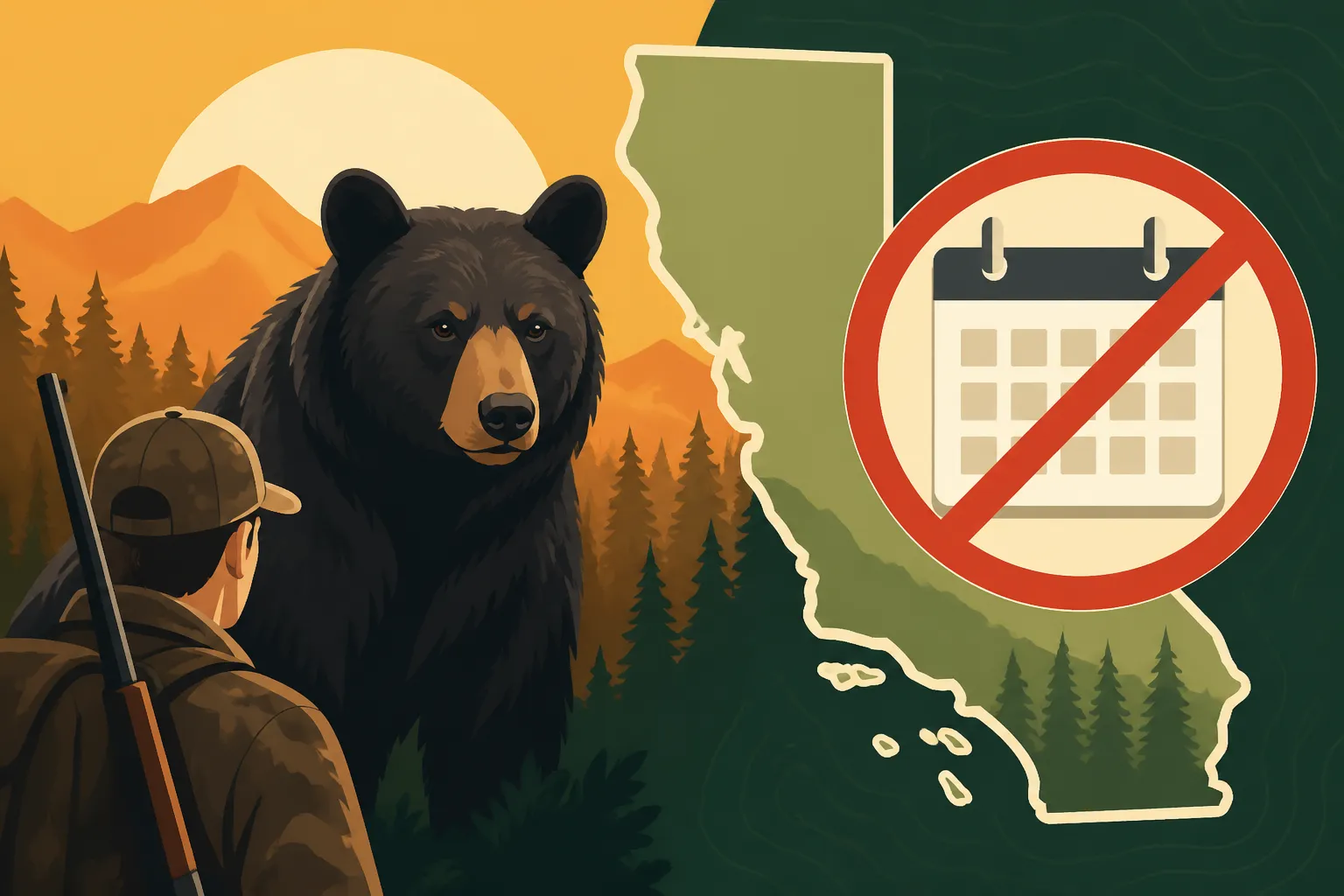
This quota acts as a hard stop. Once 1,700 bears have been reported taken by hunters statewide, the season is immediately closed. It doesn't matter if it's opening day or the last week of the general season; when that number is hit, hunting ceases. This unique aspect means that while there are published season dates, the actual length of your hunting opportunity is directly tied to the collective success of all bear hunters across California. It's a system designed for conservation first, which, while sometimes inconvenient for hunters, is essential for maintaining the robust bear population we enjoy. If you're looking into specific details on the quota, our guide on California's 1,700-Bear Statewide Quota offers more insight.
How CDFW Monitors Bear Harvests
To manage a statewide quota effectively, the CDFW has a robust system in place for monitoring bear harvests in real-time. Every hunter who successfully harvests a bear is legally required to report their kill to the CDFW immediately, or at least within a very short timeframe – often by calling a dedicated phone number or reporting online. This isn't just a suggestion; it's a mandatory step for every hunter and is crucial for the department to track the running tally against the 1,700-bear quota.
The information reported includes the date of harvest, the bear's sex, and the hunting zone where it was taken. This data feeds into a centralized system, allowing CDFW staff to update the statewide count daily, sometimes even multiple times a day during peak hunting periods. This near real-time tracking is what enables them to announce a season closure almost immediately once the quota is reached. Without diligent reporting from hunters, this system wouldn't work, and the CDFW wouldn't be able to fulfill its mission of managing the bear population sustainably. It places a significant responsibility on every hunter to understand and follow these reporting requirements.
Why the Season Can Shut Down Abruptly
The abruptness of a bear season closure is often what catches hunters off guard, leading to wasted time, effort, and sometimes even travel expenses. It’s a frustrating reality for many, especially those who have carved out specific dates from their busy schedules for their hunt. But there are very specific reasons why these closures can happen so quickly, and understanding them can help manage expectations and planning.
Rapid Harvest Rates and Peak Hunting Periods
One of the primary reasons for sudden closures is the rapid harvest rate that can occur, especially during peak hunting periods. Unlike deer hunting, where harvest is spread out over several months in different zones, bear hunting often sees intense activity around specific dates. The opening days of both the archery and general seasons, particularly if they coincide with favorable weather or increased bear activity (like during prime berry foraging in August or acorn drops in the fall), can see a significant number of bears taken.
When hunters hit the woods in large numbers, and bears are active, the harvest count can spike dramatically within a matter of days. For example, the initial rush of the California Bear Archery Season Opening Day in August, or the first week of the general season when most deer hunters are also out, can quickly add hundreds of bears to the statewide tally. If the quota is already close to being met from earlier efforts, a few days of high success rates can push it over the edge, forcing an immediate closure. It’s a testament to the dedication and skill of California's bear hunters, but it also means flexibility in your hunting schedule is key.
Regional Differences in Bear Pressure
Another factor contributing to the unpredictable nature of bear season closures is the regional variation in hunting pressure and bear density. California is a huge state with diverse habitats, and bear populations aren't evenly distributed. Areas with high bear densities, such as parts of the Sierra Nevada, the North Coast, and specific parts of the Central Coast, tend to see higher harvest rates. Hunters often concentrate their efforts in these known hotspots, increasing the likelihood of success there.
For instance, a good acorn crop in the Coastal Range oak woodlands might draw bears into more accessible areas, leading to increased success. Similarly, certain national forests or public land units might simply hold more bears, attracting more hunters. While the quota is statewide, high pressure and success in one or two key regions can accelerate the overall count rapidly. This means that even if your local hunting spot feels quiet, a surge of successful hunts in a distant part of the state could still lead to an early closure, affecting everyone equally. It highlights the interconnectedness of the statewide quota and why hunters need to be aware of the broader picture.
How to Stay Informed About Season Closures
The thought of heading into the woods, investing time and resources, only to discover the bear season has already closed, is a nightmare for any hunter. Thankfully, the CDFW provides tools and resources to help you stay updated in real-time. Being proactive in checking these resources is your best defense against unexpected disappointments.
CDFW's Online Quota Tracker
The most direct and authoritative source for real-time information on the bear harvest quota is the California Department of Fish and Wildlife's (CDFW) online quota tracker. This is a dedicated webpage that is updated frequently, especially during the hunting season. You can usually find it linked prominently on the main CDFW hunting pages, or by doing a quick search for "California bear harvest quota."
This tracker typically displays a running total of reported bear harvests against the 1,700-bear statewide limit. It's an indispensable tool, and experienced bear hunters make it a habit to check it daily, or even multiple times a day, as the quota approaches its limit. The CDFW will also post an official announcement on this page, and often issue a press release, when the season officially closes. Relying on word-of-mouth or social media can be unreliable and lead to misinformation, so always go directly to the source for the most accurate updates. Keeping an eye on this tracker is crucial, as highlighted in our guide on Checking Whether the Bear Quota Has Closed.
Alert Systems and Hunter Resources
Beyond the official CDFW website, several other alert systems and hunter resources can help keep you informed. Many hunting organizations, local sporting goods stores, and dedicated hunting forums will often share updates and news regarding bear season closures as soon as they are announced. However, always cross-reference information with the official CDFW tracker to ensure accuracy.
Some digital tools and platforms, like those offered by GoHunt, provide state-specific alerts and information for big game hunters. These can be incredibly valuable, as they often aggregate official data and send notifications directly to your phone or email, which can be a lifesaver when you're out in the field without reliable internet access to check a webpage. Subscribing to CDFW press releases or email lists, if available, is another smart move. The more channels you have providing official updates, the better your chances of knowing instantly when the season is on the verge of closing, allowing you to make informed decisions about your hunting plans. Our guide on California Hunter Education Requirements emphasizes the importance of staying informed, which includes these types of alerts.
Impact of Early Closures on Hunting Plans
The ripple effect of an early bear season closure can be significant, extending beyond just the immediate hunt. It impacts everything from individual hunter morale to the broader planning process for future seasons. Acknowledging these impacts is important for hunters and for understanding the CDFW's management decisions.
The Frustration of a Shortened Season
Few things are as frustrating for a dedicated hunter as having a season cut short unexpectedly. You've likely spent months, if not a whole year, scouting, preparing your gear, honing your skills, and maybe even taking time off work. You've invested financially in tags, fuel, and supplies. To have all that preparation culminate in a season that ends prematurely, leaving your bear tag unfilled, can be incredibly disheartening.
This frustration is particularly acute for those who hunt specific, later-season windows, perhaps waiting for a cold snap or a prime acorn drop. They might hold off on hunting early, hoping for optimal conditions, only to find the statewide quota has been met by hunters in other regions. This feeling of lost opportunity, of having the rug pulled out from under your carefully laid plans, is a common grievance among California bear hunters. It highlights the constant tension between individual hunting aspirations and the statewide, population-level management goals. It's a tough pill to swallow, but it's part of the unique challenge of hunting under California's quota system.
Planning for the Unexpected
Given the possibility of an early closure, successful bear hunting in California requires a different kind of planning, one that embraces flexibility and adaptability. Instead of rigidly sticking to specific dates, it's often wise to have contingency plans or even consider hunting earlier in the season if your schedule allows, especially if you're targeting areas known for high bear populations.
This might mean being ready to hit the woods on the opening day of the California Bear General Season Dates, rather than waiting until late October. It could also involve being prepared to shift your focus to different zones if you hear reports of high harvest rates in your primary area. For those who hunt with archery equipment, taking advantage of the August Archery Bear Window can sometimes offer a slightly less pressured opportunity before the general rifle season opens. Ultimately, planning for the unexpected involves staying highly informed through the CDFW tracker and other resources, and having the ability to adjust your timeline and locations quickly. It's a dynamic approach that recognizes the fluid nature of the season.
California's Bear Management Philosophy
Understanding the why behind the quota system and early closures requires a look into the core philosophy of California's wildlife management, particularly regarding large predators like black bears. The CDFW operates under a mandate to manage wildlife populations for long-term health and sustainability, ensuring resources for future generations while also providing for current recreational use.
Balancing Conservation with Hunting Opportunity
The statewide bear quota is a direct reflection of CDFW's mission to balance conservation with regulated hunting opportunity. On one hand, there's a strong desire to provide hunters with the chance to pursue black bears, a challenging and rewarding big game animal. Regulated hunting is recognized as a vital tool for wildlife management, helping to control populations, gather important biological data, and generate revenue for conservation through tag sales.
On the other hand, the primary responsibility of the CDFW is to ensure the long-term viability of the black bear population. This means setting conservative harvest limits based on scientific data and being prepared to close the season if those limits are approached or met too quickly. While hunters might feel the pinch of an early closure, it's a mechanism to prevent overharvesting and safeguard the health of the bear population. It's a constant effort to find the sweet spot where hunting can occur without detrimental effects, a balance that is continuously refined based on new research and population trends. This approach is similar to how the state manages other species, as detailed in our guide on Columbia Blacktail and Mule Deer in California.
Historical Context of Bear Management
To truly appreciate the current quota system, it helps to look at the historical context of bear management in California. For many years, black bears in California were often viewed as pests or threats to livestock, and their numbers were much lower. It wasn't until the 1980s that black bears were formally classified as a game animal, leading to more structured management and regulated hunting seasons.
Since then, thanks in part to effective management strategies and habitat conservation, California's black bear population has seen a significant increase. Estimates suggest the population has grown substantially since the 1980s, stabilizing at a healthy level. This success story is precisely why the CDFW employs a conservative quota system – to maintain this healthy population trajectory. The lessons learned from past population declines of other species, and the success seen with bears, underscore the importance of dynamic management tools like the statewide quota. It's a management approach that prioritizes the species' well-being while allowing for a carefully controlled harvest, a stark contrast to older, less regulated periods. You can read more about this in our guide on How California's Bear Population Grew Since the 1980s.
Planning Your California Bear Hunt with an Early Closure in Mind
Navigating California's bear season with its unique quota system can feel like a puzzle, but with the right mindset and tools, you can maximize your chances of a successful and fulfilling hunt, even if the season's duration is uncertain. It’s all about being prepared and proactive.
Gear and Readiness for a Quick Strike
When you know the season could end at any moment, being "hunt-ready" takes on a whole new meaning. This isn't the time to be scrambling for last-minute gear or getting your rifle sighted in the week before you plan to go. Instead, think of it like an emergency response plan for hunting. Your rifle or bow should be sighted in and ready to go well in advance. Your pack should be prepped with essentials like non-lead ammunition – a critical requirement in California – and all your optics, calls, and field dressing tools should be organized.
Consider having your hunting boots and clothing clean and easily accessible. If you get an alert that the quota is getting close, you want to be able to drop what you’re doing (within reason, of course!) and hit the road. For many, this means being comfortable with a spot-and-stalk approach, which allows for greater flexibility than, say, a static bait setup (which isn't legal for bear in California anyway). Our guide on Gear for Spot-and-Stalk Bear Hunting offers great tips on what to pack for such scenarios. The goal is to minimize friction points so that when opportunity knocks, you’re not fumbling for your car keys or trying to find your hunting license.
Scouting and Prioritizing Hunting Zones
Effective scouting becomes even more critical when the season's length is unpredictable. Instead of just scouting one area, consider having a few different zones in mind that you've scouted and feel confident in. This diversification can be beneficial if reports indicate high harvest pressure in one particular region. For example, if you typically hunt the Sierra Nevada and hear that the quota is filling rapidly due to success in the North Coast, having a backup plan for a different zone or region might save your season.
Prioritize your scouting efforts on areas that you know have consistent bear activity, good access, and perhaps less pressure overall. Use mapping tools, check historical harvest data if available, and understand the terrain. For instance, knowing how to interpret areas like national forest burn scars for feeding bears or identifying prime berry patches or oak groves during a good mast year can give you an edge. Having this intelligence on hand allows you to make quick, informed decisions when the quota tracker shows the numbers ticking up. This pre-season groundwork is invaluable for any hunt, especially one with a dynamic closure schedule.
Embracing the Challenge and Adapting Your Mindset
Hunting under a quota system, with the ever-present possibility of an early closure, can be a mental game. It adds a layer of complexity and sometimes stress that isn't present in seasons with fixed dates. However, embracing this challenge and adapting your mindset can actually enhance the hunting experience. Instead of viewing it as a limitation, see it as an extra strategic element. It encourages proactivity, constant learning, and a deeper engagement with the CDFW's management efforts.
This mindset shift means being mentally prepared for both success and potential disappointment. It means celebrating every moment afield, understanding that your opportunity could be fleeting. It also fosters a stronger sense of community among hunters, as everyone is operating under the same conditions and often shares information and tips. Platforms like GoHunt become invaluable here, not just for data but for connecting with other hunters who share similar experiences. Ultimately, it’s about adjusting your expectations, staying vigilant, and appreciating the unique challenge of pursuing black bears in California, knowing that every hunt is a privilege.
Disclaimer
Please remember that hunting regulations, quotas, and season dates are subject to change. Always consult the official California Department of Fish and Wildlife (CDFW) regulations and website for the most current and accurate information before planning or engaging in any hunting activities. This guide is for informational purposes only and does not supersede state law or official CDFW directives.