California Spring Turkey Season Opening Day
The arrival of spring often brings a mix of excitement and a touch of anxiety for California turkey hunters. Pinpointing the exact start of the general season can feel like a game of calendar roulette, especially with varying opinions online and the constant urge to hit the woods as soon as legally possible. This comprehensive guide will walk you through the precise opening day details for California's spring turkey season, ensuring you're fully prepared, licensed, and ready to chase those elusive gobblers from the very first legal light.
Understanding California's Spring Turkey Season Structure
California's spring wild turkey season is a celebrated event for many hunters, offering a chance to engage with one of the state's most challenging and rewarding game birds. Unlike some other big game species, the turkey season operates under a relatively straightforward, statewide framework, but it's crucial to understand the nuances between general, junior, and archery-only periods. Missing these details can quickly turn a hopeful morning into a costly violation.
General Spring Turkey Season Overview
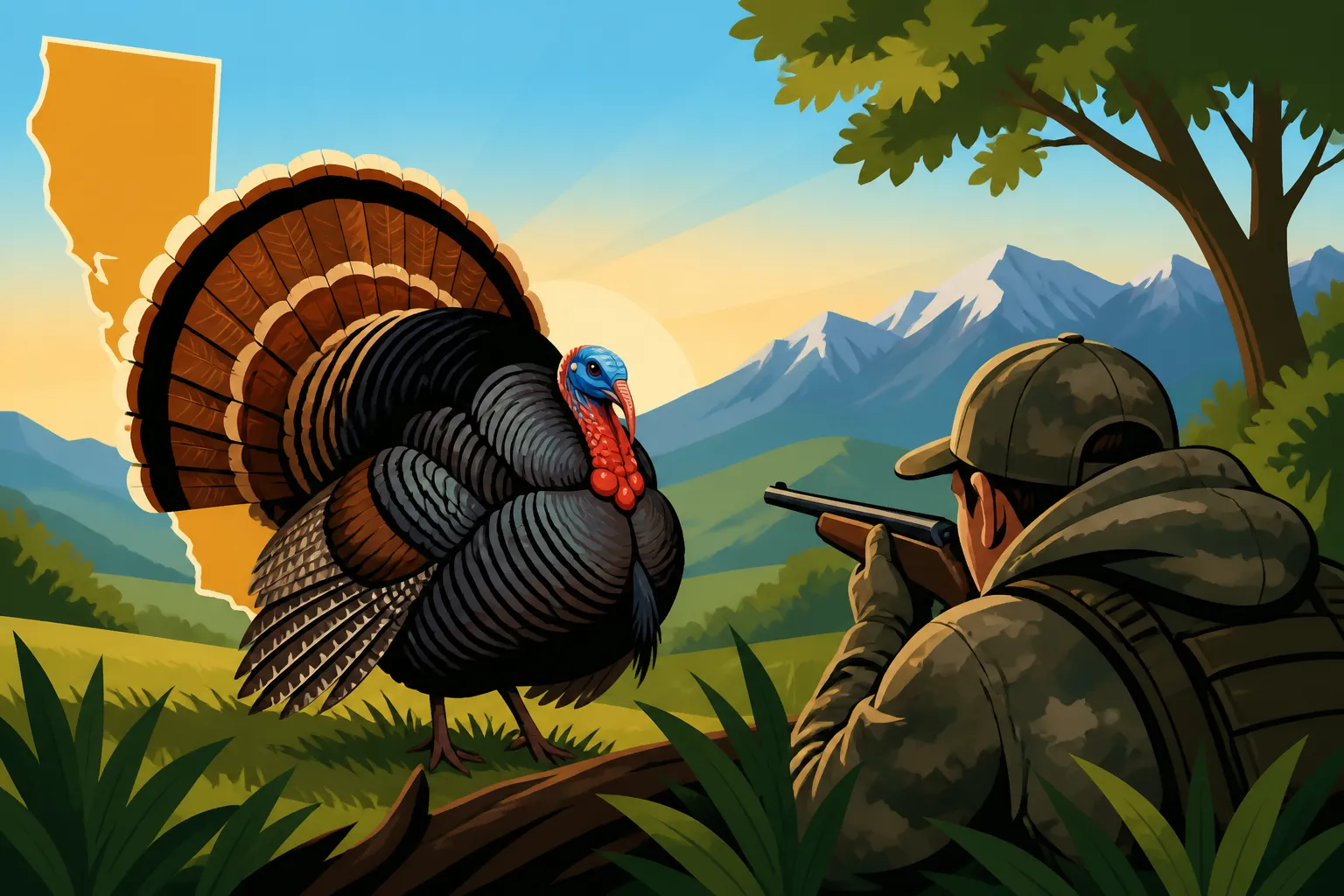
The general spring turkey season is the most widely participated-in period, open to all licensed hunters with a valid upland game bird validation and a turkey tag. This season is designed to align with the peak breeding and strutting activity of gobblers, offering hunters the best chance to call a bird into range. Typically, this season starts in late March and runs through late April or early May, providing several weeks of prime hunting. The rules are generally consistent statewide, meaning you don't have to worry about complex zone breakdowns like you might for deer hunting. However, always double-check the current year's regulations booklet from the California Department of Fish and Wildlife (CDFW) to confirm specific dates, as they can shift slightly from year to year. Getting familiar with the overall California Turkey Season Rules is your first step.
The beauty of the general season lies in its accessibility. Whether you prefer a shotgun, archery equipment, or even a muzzleloader, this is the time to pursue turkeys with your chosen method, provided it meets legal requirements. Hunters often focus on oak woodlands, riparian corridors, and agricultural edges where turkeys thrive. The key is finding areas with good roosting trees, reliable water sources, and ample food, especially in the early spring when new green growth starts to emerge.
Special Archery-Only and Junior Hunt Periods
Before the general season kicks off, and sometimes extending slightly beyond it, California offers dedicated periods for archery-only hunters and junior hunters. These special windows are fantastic opportunities to get out without the pressure of shotgunners or to introduce the next generation to the thrill of turkey hunting. The Hunting the Archery-Only Spring Window often starts a week or two before the general season, giving bowhunters a quieter, less crowded experience. This can be a significant advantage, especially on public lands where hunting pressure can be high once the general season opens.
For junior hunters, there's usually an exclusive youth weekend that falls just before the general season opens. This period is a wonderful initiative to foster youth participation, offering young hunters a unique opportunity to experience the excitement of a turkey hunt with reduced competition. Understanding the specific regulations for California Junior Turkey Hunt Rules is vital if you're mentoring a young hunter. These hunts typically require the junior hunter to have a valid junior hunting license and an upland game bird validation, and they must be accompanied by an adult hunter who also possesses a valid hunting license.
Key Opening Dates to Mark on Your Calendar
Knowing the precise opening day is non-negotiable for spring turkey hunting in California. It's the moment all your scouting, practice, and anticipation culminate. Getting it wrong means missing out or, worse, running afoul of regulations. The good news is, for spring turkey, the dates are fairly standardized across the state, simplifying your planning compared to the complex deer zones.
General Season Opening Day Specifics
For the current year, the general spring turkey season in California typically opens on the last Saturday in March. This date holds steady for most seasons, providing a reliable marker for hunters. For example, if March ends on a Tuesday, the last Saturday would be March 29th. However, if March ends on a Sunday, the last Saturday would be March 28th. It's a subtle but important distinction. Always, always consult the official CDFW regulations for the specific year you plan to hunt to confirm the exact date. Don't rely solely on what you think it is or what it was last year. This date kicks off several weeks of hunting opportunity, usually closing in mid-May.
Many hunters will use online resources like GoHunt, which often updates its calendar with the latest CDFW season dates as soon as they are published. This can be a lifesaver for quickly verifying information and planning your trips. Think about those early mornings, the pre-dawn hike, the cold biting air, and then that first distinct gobble cutting through the quiet. Being there on opening day, when birds are most vocal and active in their breeding cycles, often offers the best chance at success before they become more pressured.
Archery-Only and Junior Season Opening Days
The special archery-only season typically begins a week or two before the general season, providing bowhunters an exclusive window. This period generally opens on the second Saturday in March, giving archers a head start. For instance, if the first Saturday of March is the 3rd, the archery opener would be the 10th. Again, verify this with the current CDFW regulations. This early start allows archers to capitalize on less-pressured birds who haven't yet been called to by numerous hunters with shotguns. It's a unique challenge and a fantastic way to extend your turkey hunting season.
Similarly, the junior hunt typically aligns with the weekend before the general season. This means if the general season opens on the last Saturday of March, the junior hunt would usually be held on the third full weekend of March. This timing offers young hunters a dedicated, often quieter, hunting experience, making it easier for them to learn and engage. Make sure the accompanying adult has their own valid license and is aware of all California Spring Turkey Permit Rules for both themselves and the junior hunter. These special seasons are truly a gift to the hunting community, providing focused opportunities for specific groups.
Here's a quick reference table for typical California Spring Turkey Season opening dates:
| Season Type | Typical Opening Date | Legal Weapons (General) | Notes |
|---|---|---|---|
| Archery-Only Season | Second Saturday in March | Archery Only | Precedes general season, less hunting pressure. |
| Junior Season | Weekend immediately preceding General Season | Shotgun, Archery | Special opportunity for youth, usually less crowded. |
| General Season | Last Saturday in March | Shotgun, Archery, Muzzleloader | Main season, most popular. |
Always consult the official CDFW regulations for the exact dates for the current year.
Permit Requirements and Essential Preparations
Before you even think about setting foot in the turkey woods on opening day, you need to ensure all your ducks (or in this case, turkeys) are in a row regarding licenses and permits. California has specific requirements that, if overlooked, can lead to serious headaches and missed opportunities. It's not just about knowing the season dates; it's about being legally compliant and fully prepared.
Getting Your California Hunting License and Upland Validation
The absolute first step for any hunter, new or seasoned, is to possess a valid California hunting license. This is your fundamental permit to hunt any game species in the state. If you're a resident, you'll need a resident license; if you're from out of state, a nonresident license. You can purchase these through the CDFW's online license sales system, at a licensed agent, or directly from a CDFW office. Beyond the base license, you'll need an Upland Game Bird Validation. This is an additional stamp or endorsement required specifically for hunting upland game birds, which includes wild turkeys. For waterfowl hunters, you also need the California Duck and Federal Duck Stamp. It’s always good to check the current California Hunting Licenses and What They Cost, as prices can vary slightly from year to year.
New hunters, or those who haven't held a California hunting license in the past, will also need to complete an approved California Hunter Education Requirements course. This comprehensive course covers firearm safety, wildlife management, ethics, and regulations, ensuring you're a responsible and knowledgeable hunter. Many platforms, like GoHunt's resources section, offer helpful guides on navigating these requirements, making the process smoother. Don't wait until the last minute to get this done; courses fill up, and processing times can be a factor.
Securing Your Turkey Tag and CWD Compliance
Once you have your license and upland validation, you'll need a specific turkey tag. Unlike deer tags, which are often draw-only for premium zones, turkey tags are generally available over the counter or online. Each tag allows you to harvest one turkey. In the spring, the bag limit is typically one bearded turkey per day, up to a maximum of three bearded turkeys for the entire season. You must immediately tag your bird upon harvest, making sure to fill out all required information before moving the carcass.
California has also implemented CWD (Chronic Wasting Disease) testing zones for deer and elk, and while turkeys aren't directly impacted by CWD, general wildlife disease monitoring is an ongoing effort. It's always a good idea to stay informed about the latest wildlife health advisories from CDFW, especially if you plan to hunt in or transport game from specific regions. While there are no mandatory CWD tests for turkeys, it's part of being a responsible wildlife steward. For hunters of other species, knowing about California's Two CWD Testing Zones is crucial.
Planning Your Opening Day Strategy
Opening day is often chaotic, with many hunters converging on prime spots. To maximize your chances of success and ensure a safe, enjoyable hunt, a solid strategy is essential. This means everything from pre-season scouting to understanding turkey behavior and effective calling techniques.
Pre-Season Scouting and Location Selection
The real work for opening day begins weeks, if not months, beforehand. Pre-season scouting is paramount. Turkeys are creatures of habit, often roosting in the same trees, frequenting the same feeding areas, and using similar travel corridors. Your goal during scouting is to locate these patterns. Look for tracks, droppings, feather piles, and dusting bowls. Listen for gobblers at dawn and dusk. Pay attention to areas with good oak trees, water sources, and open fields where they might strut. Many successful hunters use mapping apps, like those recommended by GoHunt, to mark potential roosts, travel routes, and setup locations. Check out our guide on Scouting California Public Land Before Season for more in-depth tips.
Consider the terrain you'll be hunting. Are you in dense Coastal Range Oak Woodlands, where visibility is limited and close-range calling is key? Or are you in more open foothill country where you might need to cover more ground? Identifying multiple potential spots is critical, especially on public land where another hunter might beat you to your primary location. Having a backup plan (or three) will prevent frustration and keep you hunting. Remember, opening day can see significant pressure, so finding those less-accessed spots is golden.
Effective Calling and Setup Techniques
Turkeys communicate extensively, and mastering various calls is a core skill for spring hunting. Yelp, cluck, purr, and gobble calls all have their place, but knowing when and how to use them is the art. On opening day, gobblers are often eager and vocal, especially at first light from the roost. A soft tree yelp can entice them to fly down in your direction, while more aggressive cutting and cackling might challenge a dominant gobbler to investigate. Our article on Calling a Gobbler in Oak Woodland offers some fantastic insights. Remember, the goal isn't just to make noise, but to sound like a hen ready to breed.
Your setup is just as critical as your calling. Once you hear a gobbler, you need to move quickly and quietly to a position that offers concealment and a clear shot lane. Find a large tree or dense brush to break up your outline. For safety, always ensure your back is against a tree wider than your shoulders, especially on public land. This protects you from accidental shots from other hunters. Consider deploying a decoy or two. A hen decoy can draw a gobbler in, while a jake decoy might enrage a dominant tom to come investigate a perceived rival. Check out our guide on Decoy Placement for Pressured California Birds for optimal strategies. Often, the best opening day success comes from getting into a good position before the gobbler flies down from the roost.
Understanding Turkey Behavior on Opening Day
On opening day, turkeys are often in full breeding mode. Gobblers will be actively seeking hens, and their primary goal is to gather a harem. This makes them highly responsive to hen calls, especially in the early morning. However, as the day progresses, or if they've already bred with hens, they might become less receptive. Understanding the rhythm of their day is key. From the fly-down, through mid-morning strutting and feeding, to late-morning dusting and loafing, their behavior shifts. You might need to change your tactics from aggressive calling to more subtle, patient setups as the day wears on.
Be prepared for different scenarios. Some gobblers will come in silently, others will hang up just out of range. Don't be afraid to move if a bird isn't responding. Sometimes, a slight change in position, or even circling to get ahead of a moving bird, can make all the difference. Patience is a virtue in turkey hunting, especially on opening day when excitement runs high. Knowing When California Gobblers Go Quiet in Late Spring can give you clues about how to adjust your approach earlier in the season as well. Observing their natural behavior, even from a distance, can tell you more than any call ever could.
Disclaimer
Please remember that hunting regulations, season dates, and requirements can change. Always consult the official California Department of Fish and Wildlife (CDFW) regulations for the most current and accurate information before planning any hunt. This article is for informational purposes only and should not be considered legal advice.