California Hunting Licenses and What They Cost
Oh, the joy of planning a California hunting adventure! You’re picturing crisp mornings, breathtaking landscapes, and the thrill of the chase. But then you sit down to figure out what permits you actually need, and suddenly, it feels like you've stumbled into a bureaucratic labyrinth. It's a common frustration, believe me. California's licensing system can be incredibly complex, with a base license, various tags, and endless endorsements, all with different costs and rules. This guide is here to untangle that knot, walking you through every necessary step to ensure you're fully legal and ready for the field without any last-minute surprises.
Understanding California's Licensing System: More Than Just a Card
California is a truly unique state for hunters, offering an incredible diversity of game and habitats, from the coastal mountains to the high Sierra Nevada and the vast deserts. But with that diversity comes a licensing system that can, at times, feel like it was designed to test your patience. It's not just about one simple hunting license; it's a layered approach, and understanding each piece of the puzzle is crucial to staying legal and avoiding costly mistakes. Many new hunters, and even some seasoned folks coming from other states, find themselves scratching their heads, wondering why it has to be so complicated.
Why California's System Feels Complicated
The sheer variety of hunting opportunities in California means the Department of Fish and Wildlife (CDFW) has developed a detailed framework to manage populations and ensure sustainable hunting. This framework often translates into specific tags and endorsements for nearly every game species you pursue. It’s not like some states where a single "big game license" covers deer, bear, and elk. Here, you'll need a base hunting license, and then, depending on what you're targeting, you'll add specific tags or endorsements on top of that. This creates a system that can be confusing at first glance, making it hard to know exactly what you need. One common frustration is the seemingly endless list of options when you try to buy online, often leading to second-guessing whether you’ve selected the right combination for your planned hunt.
The Layered Approach to Hunting Permits
Think of California's hunting permits like building blocks. The first, most fundamental block is your annual Resident Hunting License or Nonresident Hunting License. You absolutely cannot hunt any game animal in California without this primary license in your possession. Once you have that foundation, you start adding layers based on what you intend to hunt. For instance, if you're chasing deer, you'll need a specific California Deer Tag Costs by Residency. If waterfowl is your passion, you'll need a federal duck stamp, a California Duck Validation, and a Harvest Information Program (HIP) validation. Each layer has its own cost, its own season dates, and sometimes its own application process, like the rigorous drawing for certain big game tags. It's a system designed for precision in wildlife management, but for the hunter, it requires careful attention to detail.
Essential Documents You'll Always Need
Beyond just the license and tags, there are other critical documents and pieces of information you must have ready. First and foremost, you need a valid California Hunter Education certificate number. This is a one-time requirement for most new hunters, ensuring everyone heading into the field has a foundational understanding of safety and regulations. You'll also need a GoHunt customer ID, which is your unique identifier within the CDFW's Automated License Data System (ALDS). This number ties all your licenses, tags, applications, and harvest reports together. Always carry physical proof of your current year's hunting license and any applicable tags with you while hunting. Relying solely on a digital copy on your phone can be risky, especially in areas with no cell service or if your battery dies. Being prepared means having all your paperwork in order before you even pack your hunting boots.
The Base Hunting License: Your Foundation for the Field
Every hunter in California starts here. The base hunting license is the bedrock of your legal hunting privileges. Without it, none of the exciting tags or endorsements matter, as you won't be authorized to hunt any species. It's the equivalent of a driver's license for a vehicle – you need it before you can even think about what kind of car you want to drive or where you're going. Understanding this foundational requirement is the first, and arguably most important, step in preparing for your California hunting season.
Who Needs a Base License and Why
Simply put, almost anyone engaging in hunting in California needs a base hunting license. This includes both residents and nonresidents, young hunters, and seasoned veterans. The only real exceptions are those participating in certain limited activities like supervised hunts where a mentor's license covers the apprentice, or those hunting on licensed game bird clubs where specific regulations may apply. The "why" is rooted in conservation. The revenue generated from these license sales directly funds wildlife management programs, habitat restoration, law enforcement, and research conducted by the CDFW. When you buy a license, you're not just buying permission to hunt; you're contributing to the health of California's wildlife populations and the future of hunting in the state. This system helps ensure that game populations remain robust for generations to come, allowing future hunters to enjoy the same opportunities you do today.
Current Costs for Residents and Nonresidents
The cost of a base hunting license is one of the most significant differences between residents and nonresidents, reflecting a common practice across many states. For California residents, the base hunting license is significantly more affordable, typically around $58-$60 for an annual license. This price point makes hunting accessible for many Californians and encourages participation in local wildlife management efforts. However, for nonresidents, the cost jumps considerably. A nonresident base hunting license will typically set you back around $200-$210. This higher fee acknowledges that nonresidents often don't contribute to the state's tax base that also supports conservation, and it helps balance the demand on resources from out-of-state hunters. These figures are subject to annual adjustments by the CDFW, so it's always wise to check the most current fees directly on their website or through a trusted platform like GoHunt before making your purchase.
Validation Period and Annual Renewal
A California base hunting license is valid for a single calendar year, specifically from July 1st through June 30th of the following year. This means that if you purchase your license in, say, September, it will still expire on June 30th of the next year. It’s not valid for a full 365 days from the purchase date, which can sometimes catch new hunters off guard. So, if you're planning a multi-year hunting strategy, you'll need to remember to renew your base license annually. This annual renewal cycle ensures that the CDFW has a consistent funding stream for its ongoing conservation initiatives and allows them to adjust fees as needed to meet evolving management challenges. It also simplifies the process for hunters, as everyone is on the same cycle, making it easier to track season openings and deadlines that are tied to the license year.
Specific Tags and Endorsements: Building Your Hunt, Piece by Piece
Once your base hunting license is secured, the real customization begins. California's system allows you to tailor your hunting privileges to the specific game you intend to pursue. This is where you add the "meat and potatoes" to your hunting experience, selecting the tags and endorsements that align with your hunting goals. Each of these additions serves a specific management purpose, helping the CDFW monitor harvest rates and manage populations effectively. Neglecting even one of these can turn a successful hunt into a frustrating, and potentially illegal, situation.
Big Game Tags: Deer, Bear, and Elk
California offers exciting opportunities for big game hunters, but each species requires its own dedicated tag.
- Deer Tags: These are perhaps the most common big game tags. California uses a complex zone system (A, B, C, D, X zones) for deer hunting, and your tag will be specific to a particular zone or combination of zones. Many deer tags are available over-the-counter (OTC), but some premium zones, particularly the coveted Hunting California's High-Country X-Zones, are quota-based and require participation in The California Big Game Drawing Explained. The cost of a resident deer tag is typically around $30-$40, while nonresidents can expect to pay significantly more, often around $300-$350. Remember, California Deer Reporting Requirements are mandatory for all deer tags, regardless of whether you harvest a deer or not. This data is critical for wildlife management.
- Bear Tags: Black bears are a popular game species in California, and a separate bear tag is required. The state manages its bear population with a statewide quota of 1,700 bears, and the season can close early if this quota is met. Resident California Bear Tag Costs are usually around $45-$50, with nonresidents paying a much higher fee, often in the ballpark of $300-$350. It's imperative to check the CDFW website regularly during bear season to see if the quota is nearing its limit, which you can do by visiting their 'bear harvest update' page.
- Elk Tags: Elk hunting in California is highly coveted and incredibly difficult to draw. There are three species of elk in California (Tule, Roosevelt, and Rocky Mountain), each with limited tags offered through the annual big game drawing. The application fee is usually small, but if drawn, the actual tag cost is substantial. For residents, it can be $450-$500, while nonresidents face a hefty price of $1,400-$1,500 for a tag, plus they are restricted to California's One-Tag-Per-Nonresident Elk Rule. Applying for one of these rare tags is a long-shot endeavor, but for many, the dream is worth the annual application.
Upland Game and Waterfowl Endorsements
If your passion lies with birds, California has you covered, but again, with specific requirements.
- Upland Game Bird Validation: This endorsement, typically around $10-$15, covers most upland game birds like quail, dove, pheasant, and chukar. It’s a mandatory addition if you plan to hunt any of these species. For those focused on Quail Hunting California Foothill Chaparral or Dove Hunting a Cut Grain Field, this validation is non-negotiable.
- California Duck Validation and Federal Duck Stamp: Waterfowl hunters need two crucial items beyond their base license. The California Duck Validation, around $20-$25, is state-specific. Additionally, you'll need a Federal Migratory Bird Hunting and Conservation Stamp, commonly known as a Federal Duck Stamp, which costs $25. This stamp, issued by the U.S. Fish and Wildlife Service, is required for anyone 16 years of age or older to hunt migratory waterfowl. Both contributions go towards waterfowl conservation and habitat preservation. Don't forget the Harvest Information Program (HIP) validation, which is free but mandatory for all migratory bird hunters and helps collect vital harvest data.
Wild Pig Tags and Predator Hunting
Beyond big game and birds, other species offer year-round opportunities.
- Wild Pig Tags: California's Wild Pig Hunting California Year-Round is a huge draw for many hunters. Unlike deer or bear, wild pigs do not have a closed season or a bag limit in most areas (always check local regulations), making them a fantastic option for year-round hunting. Each wild pig harvested requires a specific California Wild Pig Tag Costs, which is typically around $25-$30 for residents and $80-$90 for nonresidents. These tags are valid for the entire license year (July 1st to June 30th). You purchase a tag for each pig you intend to harvest, so if you're planning on taking multiple hogs, you'll need multiple tags.
- Predator Hunting: For animals classified as furbearers or non-game animals, such as coyotes, bobcats (with specific restrictions), and ground squirrels, a separate tag is generally not required beyond your base hunting license. However, always double-check the current regulations for specific species like bobcats, as their hunting has seen various restrictions and closures over the years. Trapping furbearers has its own California Trapping License Requirements. For Coyote Calling California Ranch Land or Predator Calling California's Mojave Desert Country, your base license is usually sufficient, but always confirm the latest rules to ensure compliance.
Residency Matters: Different Costs for Different Folks
One of the most significant factors determining the cost of your California hunting permits is whether you qualify as a resident or a nonresident. This distinction isn't just about where you currently live; it's a legal definition that the CDFW strictly enforces. Misrepresenting your residency status can lead to severe penalties, so it's critical to understand the criteria.
Defining California Residency for Hunting Purposes
For hunting and fishing license purposes, California generally defines a resident as any person who has resided continuously in California for six months immediately prior to the date of applying for a license or permit, has not claimed residency in another state or country for any purpose during that period, and intends to make California their true, fixed, and permanent home. This means you can't just move to California for a month and claim residency; there's a clear time requirement.
What this means in practice:
- Six-Month Rule: You must have physical presence in the state for at least 183 days.
- Intent to Domicile: Beyond just being present, you must intend for California to be your permanent home. This is often evidenced by things like having a California driver's license, registering your vehicles in California, being registered to vote in California, paying California income taxes, and not claiming resident privileges in any other state.
- No Dual Residency: You cannot claim residency in California for hunting purposes while simultaneously claiming it in another state for, say, college tuition, taxes, or another hunting license. The CDFW has ways of cross-referencing this information, and discrepancies can result in fines and loss of privileges. It's a serious matter, and they take it seriously to protect resident hunting opportunities.
Nonresident Challenges and Higher Fees
For those who don't meet California's residency requirements, the hunting experience comes with a higher price tag. As mentioned, the base nonresident hunting license is substantially more expensive, as are most of the individual big game tags. This pricing structure is common across the United States. It's designed to ensure that those who primarily benefit from another state's infrastructure and services contribute more when utilizing California's wildlife resources.
Challenges for nonresidents often include:
- Significantly Higher Costs: This is the most obvious barrier. A full suite of licenses and tags for a nonresident hunter planning a multi-species trip can easily run into the hundreds, if not over a thousand, dollars.
- Limited Tag Availability: While nonresidents can apply for draw tags, their odds are often significantly lower than residents, and for some highly coveted species like elk, there are strict limits on how many nonresidents can draw. This is detailed in the California's One-Tag-Per-Nonresident Elk Rule.
- Logistical Planning: Nonresidents often have to plan their trips far in advance, dealing with travel, lodging, and the intricacies of California Nonresident License Options from afar. This makes tools like GoHunt, which often provides state-specific regulation breakdowns, particularly valuable for out-of-state hunters.
Military Personnel and Special Considerations
California does offer some considerations for active-duty military personnel. If you are an active member of the U.S. Armed Forces, stationed in California, you may be eligible to purchase resident licenses and tags, even if you do not meet the full six-month residency requirement. This is a crucial benefit for service members, allowing them to enjoy hunting opportunities without the burden of nonresident fees.
Key points for military personnel:
- Proof of Stationing: You will typically need to provide official documentation, such as current orders, proving you are permanently stationed in California.
- Dependent Eligibility: In some cases, dependents of active-duty military personnel stationed in California may also be eligible for resident privileges.
- Validation: Always confirm the specific requirements with the CDFW directly, as rules can change, and proper documentation is essential. This benefit is a recognition of service and an encouragement for military families to engage in outdoor recreation.
Special Licenses and Discounts: Youth, Disabled, and Lifetime Options
California also recognizes the importance of fostering new hunters, supporting those with disabilities, and offering long-term investment options for dedicated outdoors enthusiasts. These special licenses and discounts play a vital role in ensuring that hunting remains accessible and sustainable for a diverse group of participants.
Apprentice and Junior Hunter Opportunities
Encouraging the next generation of hunters is paramount, and California has programs designed to make it easier for youth to get involved.
- Junior Hunting Licenses: California offers discounted junior hunting licenses for individuals under the age of 18. The cost is significantly lower than an adult resident license, typically around $15-$20. This reduced fee makes it more affordable for parents to introduce their children to hunting.
- Apprentice Hunter Program: The state also has an apprentice hunter license program, which allows individuals who have not yet completed California Hunter Education Requirements to hunt under the direct supervision of a licensed adult. This allows new hunters to experience the field before committing to a full hunter education course. The apprentice license is typically a one-time purchase and has its own set of rules, such as California Apprentice Hunter License Rules. This program is designed to provide a mentored introduction, fostering a safe and educational experience.
- Junior-Only Hunts: Additionally, the CDFW often offers special junior-only hunting opportunities for various species, like Hunting the Junior-Only Turkey Weekend, providing less pressured environments for young hunters to learn and succeed.
Disabled Hunter Permits and Accommodations
California is committed to making hunting accessible for individuals with permanent physical disabilities.
- Disabled Hunter Permits: The CDFW issues special disabled hunter permits that can allow for certain accommodations, such as hunting from a vehicle for those with mobility impairments. These permits require certification from a medical doctor.
- Reduced Fees: In some cases, disabled hunters may also be eligible for reduced license fees, though this depends on the specific nature and severity of the disability.
- Application Process: Applying for a disabled hunter permit typically involves a detailed application form and medical verification, which ensures the accommodations are genuinely needed and safely implemented. These provisions help ensure that hunting remains a lifelong pursuit for those who face physical challenges.
Considering a California Lifetime License
For those truly dedicated to hunting in California for the long haul, a lifetime hunting license can be a compelling investment. This option allows you to purchase a hunting license once, and it remains valid for the rest of your life, eliminating the need for annual renewals of the base license.
- Cost and Investment: The cost of a California Lifetime License Options varies significantly based on your age at the time of purchase. For a young individual, it can be several thousand dollars, but for older individuals, the cost is lower. While it's a substantial upfront investment, it can save money in the long run, especially with annual fee increases.
- What it Covers: A lifetime license covers your base hunting license fee for life. However, it's crucial to understand that it does not cover specific tags or validations (like deer tags, bear tags, or federal duck stamps) which still need to be purchased annually.
- Benefits Beyond Cost: Beyond potential cost savings, a lifetime license simplifies the renewal process and provides peace of mind that your basic hunting privileges are secured indefinitely. It's a statement of lifelong commitment to California's hunting heritage and conservation. It also ensures you always have the foundational license, regardless of future policy changes or financial situations.
| License/Tag Type | Resident Cost (Approx.) | Nonresident Cost (Approx.) | What it Covers | Annual/Draw/OTC |
|---|---|---|---|---|
| Base Hunting License | $58 – $60 | $200 – $210 | Mandatory for all hunting activities | Annual |
| Deer Tag (OTC) | $30 – $40 | $300 – $350 | One deer of specific sex/zone | Annual/OTC |
| Deer Tag (Draw) | $30 – $40 | $300 – $350 | One deer of specific sex/zone (requires application fee) | Annual/Draw |
| Bear Tag | $45 – $50 | $300 – $350 | One black bear (statewide quota) | Annual/OTC |
| Elk Tag (Draw) | $450 – $500 | $1400 – $1500 | One elk of specific species/sex (highly limited) | Annual/Draw |
| Wild Pig Tag | $25 – $30 | $80 – $90 | One wild pig (no bag limit/season in most areas) | Annual/OTC |
| Upland Game Bird Val. | $10 – $15 | $10 – $15 | Most upland game birds (quail, dove, pheasant, etc.) | Annual |
| CA Duck Validation | $20 – $25 | $20 – $25 | State migratory waterfowl | Annual |
| Federal Duck Stamp | $25 | $25 | Federal migratory waterfowl (required for ages 16+) | Annual |
| Junior Hunting License | $15 – $20 | $15 – $20 | Base license for hunters under 18 | Annual |
Note: All costs are approximate and subject to annual change by the California Department of Fish and Wildlife (CDFW). Always check the current fees before purchasing.
Navigating the Purchase Process: Online, In-Person, and Deadlines
Once you know what you need, the next hurdle is figuring out how and when to get it. California offers multiple avenues for purchasing licenses and tags, each with its own advantages. However, understanding the various deadlines is absolutely paramount, especially for draw tags or popular over-the-counter tags that can sell out. Missing a deadline can mean missing an entire season, a frustrating reality for many eager hunters.
Buying Your Permits Through the CDFW ALDS System
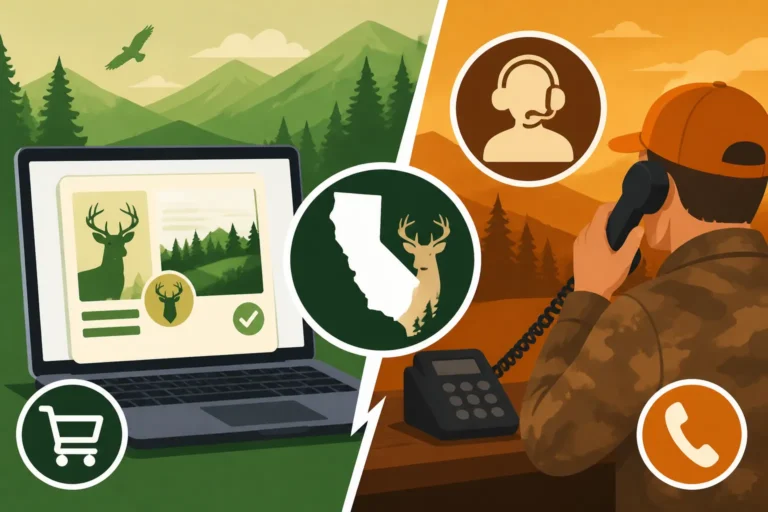
The California Department of Fish and Wildlife's Automated License Data System (ALDS) is your primary online portal for all things licensing. This is where most hunters now purchase their licenses, apply for drawings, and report their harvests.
- Account Creation: If you're a new hunter, your first step will be to create a GoHunt customer profile and obtain your unique GoHunt customer ID. This ID will be your key identifier for all future interactions with the CDFW.
- Online Convenience: The ALDS system allows you to purchase your base hunting license, various validations (like upland game or duck), and most over-the-counter tags from the comfort of your home, 24/7. It's incredibly convenient, especially if you live far from a physical license agent. You can print temporary tags at home and often receive physical tags in the mail.
- Draw Applications: The ALDS portal is also where you'll submit applications for big game drawings, such as deer X-zones or elk tags. This system helps manage the California Big Game Drawing Application Window and tracks your preference points. This is particularly useful as it streamlines a process that used to be far more paper-intensive.
Finding a Local License Agent Near You
While online purchasing is convenient, sometimes you need to speak to a person, especially if you have complex questions or prefer a physical transaction. California has a network of licensed vendors throughout the state.
- Sporting Goods Stores: Many larger sporting goods retailers, like Bass Pro Shops or Sportsman's Warehouse, are authorized license agents. They often have dedicated counters or staff familiar with the licensing system.
- Local Bait and Tackle Shops: Smaller, independent shops, particularly in rural hunting communities, often serve as license agents. These local experts can be invaluable sources of information about local conditions, regulations, and even where to find local Hunting a Funnel Between Two Oak Ridges.
- CDFW Offices: You can also purchase licenses directly from CDFW regional offices, though their hours may be more limited.
- Why Use an Agent?: Agents can help you navigate the system, ensure you get all the correct permits, and provide instant physical tags (for OTC tags), which is great for last-minute purchases. They can also troubleshoot issues with your GoHunt customer profile or the ALDS system more effectively than you might on your own.
Critical Deadlines and Application Windows
Missing a deadline is arguably the most common and frustrating mistake hunters make. California has a strict calendar for many of its permits.
- Big Game Drawing Deadline: This is perhaps the most critical deadline for many hunters. The application period for the California Big Game Drawing, which includes deer X-zones, elk, and pronghorn, typically runs from mid-April to early June. Missing this window means you cannot apply for these coveted tags for the year. This is a non-negotiable deadline that you must put on your calendar.
- Preference Point System: California utilizes a preference point system for its big game drawing, where unsuccessful applicants accrue points that increase their odds in future drawings. Missing an application also means missing out on accumulating a point for that year, setting you back in the long game of drawing a premium tag.
- Over-the-Counter (OTC) Tag Availability: While many OTC deer tags are readily available, some popular D-zones, especially those with generous bag limits or early openers, can sell out. The same applies to specific bear zones. It's always best to purchase these tags well in advance of the season opener to avoid disappointment. The CDFW typically announces when specific zones are approaching sell-out status, but it's a risk to wait until the last minute.
Common Pitfalls and How to Avoid Them: Don't Get Caught Off Guard
Even with the best intentions, the complexity of California's hunting regulations can lead to honest mistakes. But in the eyes of the law, ignorance is no excuse. Avoiding these common pitfalls means not only staying legal but also ensuring a smooth and enjoyable hunting experience. It's about being proactive and understanding the nuances that can trip up even experienced hunters.
Forgetting Hunter Education Requirements
This is one of the most fundamental requirements, yet it often catches new or returning hunters by surprise.
- Who Needs It?: Generally, anyone who hasn't previously held a California hunting license, or an equivalent license from another state, needs to complete a Hunter Education course. This applies regardless of age, though Minimum Age for Unsupervised California Hunting rules still apply.
- What It Entails: The course covers firearm safety, wildlife identification, hunting ethics, conservation principles, and specific California regulations. You can take Taking California Hunter Education Online followed by a required in-person field day, or a traditional in-person course.
- The Penalty: Without a valid Hunter Education certificate, you cannot purchase a full hunting license. Trying to circumvent this or falsifying information can lead to significant legal trouble. Many hunters from other states mistakenly believe their experience or out-of-state education automatically transfers without verification, but California requires proof that meets its standards. Always confirm your certification status before you plan to buy your first license.
Misunderstanding Non-Lead Ammunition Rules
California is unique in its statewide California's Non-Lead Ammunition Requirement for all hunting. This rule is designed to protect wildlife, particularly the California condor, from lead poisoning. However, it's a frequent source of confusion.
- Statewide Ban: As of July 1, 2019, the use of any lead projectile for hunting any animal anywhere in California is prohibited. This applies to rifles, shotguns (slugs and shot), and handguns.
- What's Approved?: You must use non-lead ammunition, typically copper or copper alloy bullets for rifles and handguns, and steel, bismuth, or tungsten for shotguns. The CDFW maintains a list of Which Non-Lead Bullets California Approves, though manufacturers continue to innovate.
- Impact on Gear: This ban affects not only your bullet choice but can also impact your rifle's performance. Zeroing a Rifle for Non-Lead Loads is crucial, as copper bullets often behave differently than their lead counterparts in terms of ballistic performance and point of impact. Many hunters neglect to re-zero their rifles after switching to non-lead, leading to missed shots or wounded game. This is not a trivial detail; it's a fundamental change to how you prepare for hunting in California.
The Importance of Reporting Your Harvests
Reporting your harvest isn't just a suggestion; it's a legal obligation for certain species and crucial for wildlife management.
- Mandatory for Big Game: California Deer Reporting Requirements are strict. You must report your deer harvest (or lack thereof) online through the ALDS system or the CDFW mobile app by January 31st after the license year ends. The same applies to bear and elk.
- Data Collection: This data is vital for the CDFW to accurately assess harvest rates, monitor population trends, and make informed decisions about future seasons and tag allocations. Without accurate data, wildlife managers are flying blind.
- Penalties for Non-Reporting: Failing to report a big game harvest can result in a fine and, for deer, a penalty that prevents you from applying for a deer tag in the following season. It's a penalty designed to encourage compliance, as the data is that important. Many hunters, especially if they have an unsuccessful season, forget this step, only to find themselves unable to get a tag the next year. It's a simple step, but one with significant consequences if overlooked.
Planning Your Budget: A Realistic Look at Annual Hunting Costs
Hunting in California isn't just about the thrill of the chase; it's also a financial commitment. Beyond the licenses and tags, there are numerous other expenses that can quickly add up. Understanding these costs upfront helps you plan realistically, manage your expectations, and budget wisely for your hunting adventures. It's a hobby that demands investment, but with careful planning, it can be an affordable passion.
Breaking Down the Typical Hunter's Expenses
When you factor in everything, the cost of a hunting season can be surprising to new hunters.
- Licenses and Tags: As we've extensively covered, these are your foundational costs. A resident hunter pursuing deer and upland birds might spend $100-$150 annually on permits. A nonresident targeting multiple big game species could spend well over $1,000.
- Gear and Equipment: This is a vast category. Think about your rifle or bow, optics (Optics for California's Open-Country Deer Hunting), ammunition, Choosing Non-Lead Rifle Ammunition in California, appropriate Boots and Clothing for California's Varied Terrain, a good pack, game processing supplies, and camping gear if you're hitting the backcountry. While many items are one-time purchases, ammunition, broadheads, and wear-and-tear replacements are recurring costs. A quality pair of binoculars alone can be hundreds of dollars, let alone a rifle and scope.
- Travel and Lodging: Fuel costs can be substantial, especially when accessing remote Public Hunting Land in California like Hunting California's Sierra Nevada Backcountry or the Hunting California's BLM Desert Land. If you're staying in motels or renting cabins, those costs add up quickly. Even dispersed camping requires an investment in proper gear.
- Food and Supplies: Hunting days are long and often physically demanding. You'll need to account for food, water, and other consumables.
- Processing and Taxidermy: After a successful harvest, there's the cost of professional meat processing (if you don't do it yourself) and potential taxidermy fees. A European mount for a nice buck can be a couple hundred dollars, and a full shoulder mount several thousand.
Comparing Costs Across Different Game Species
The species you pursue will heavily influence your overall budget.
- Deer Hunting: For many, deer hunting is a relatively affordable entry point. A resident with existing gear might only pay $100-$150 for their license and tag, plus fuel and basic supplies. However, if you're pursuing a draw-only X-zone tag and investing in high-end glass for Glassing Mule Deer in Open California Country, the costs can quickly escalate.
- Waterfowl Hunting: This can be a very gear-intensive sport. Decoys, a shotgun, specialized non-lead shotshells, waders, a layout blind, and potential access fees to private land or duck clubs mean significant upfront and recurring investments. Decoying Ducks in California's Central Valley Flooded Rice requires a substantial spread, and those decoys aren't cheap.
- Elk Hunting: This is almost universally the most expensive big game pursuit in California. The tag itself is costly if drawn, but the preparation, specialized Packs and Gear for a Backcountry Elk Hunt, high-power optics, and potential guide fees make it a premium endeavor. The application fee for Applying for a California Tule Elk Tag in the Big Game Drawing is small, but the investment if you draw is massive.
- Wild Pig Hunting: Pigs offer a flexible option. Since you buy tags per animal and they're available year-round, you can hunt them more opportunistically. If you have existing deer hunting gear, the additional cost for a pig hunt is primarily just the tag and whatever travel is involved.
Strategies for Smart Hunting Budgeting
Don't let the costs discourage you! There are ways to manage your budget and still enjoy fantastic hunting in California.
- Prioritize and Plan: Decide what species is most important to you and allocate your budget accordingly. Focus on one or two hunts a year initially.
- DIY Where Possible: Field dressing, butchering, and even doing simple European mounts yourself can save hundreds of dollars. Many hunters find these skills rewarding to learn.
- Buy Used Gear: The secondary market for hunting gear is robust. You can often find quality used rifles, optics, and clothing at a fraction of the new price. Just be sure to inspect items thoroughly.
- Share Costs: If hunting with friends or family, share fuel, camping, and food costs. Consider group purchases for expensive items like a game cart or a sturdy cooler.
- Hunt Public Land: While private land access can offer prime opportunities, hunting California's vast public lands, like a Hunting a National Forest Burn Scar, is often free beyond your license and tag. This eliminates expensive lease fees or trespass fees, making it a budget-friendly option.
- Take Advantage of Sales: Plan your gear purchases during off-season sales or holiday events to save money. Ammunition can often be bought in bulk when sales hit, as well.
- Lifetime License Consideration: As discussed, for young, committed hunters, a California Lifetime License Options can be a strategic long-term financial move, though it requires significant upfront capital.
Hunting in California is an incredible experience, but it comes with a responsibility to understand and adhere to its detailed licensing and regulatory framework. By taking the time to educate yourself on the costs, processes, and potential pitfalls, you can ensure a legal, enjoyable, and successful season afield.
Disclaimer
The information provided in this guide is for general informational purposes only and does not constitute legal advice. Hunting regulations, license costs, and season dates in California are subject to change by the California Department of Fish and Wildlife (CDFW). It is the hunter's sole responsibility to consult the most current official CDFW regulations and laws before engaging in any hunting activities. Always verify all information with the official CDFW website or by contacting them directly.