Minimum Age for Unsupervised California Hunting
One of the biggest dreams for any young hunter is that moment they can finally head afield on their own, making their own decisions, stalking their own game, and truly embracing the independence that comes with a hunting license. But for parents and guardians, knowing exactly when that transition from supervised youth to independent hunter happens in California can be a confusing maze of regulations. This guide is here to untangle the rules, making it clear what age marks the minimum for unsupervised hunting in our beautiful state, and what steps lead to that cherished independence.
The Core Rule: Hunter Education is Paramount
Before anyone, young or old, can truly hunt independently in California, there's one non-negotiable step: completing an approved hunter education course. This isn't just a hurdle to jump; it's the foundation of responsible and ethical hunting, ensuring that every participant in the field understands the critical aspects of safety, wildlife conservation, and legal compliance.
Understanding California's Hunter Education Requirements
California's Department of Fish and Wildlife (CDFW) mandates hunter education for almost everyone seeking their first hunting license in the state. This requirement isn't just about preventing accidents, though that's a huge part of it. It's about fostering a community of informed and responsible conservationists. The course is comprehensive, delving into crucial topics like firearm safety, ethical hunting practices, wildlife identification, basic first aid in the field, and even the proper care and handling of harvested game. You'll learn about different types of hunting equipment, how to navigate public lands, and the importance of respecting both wildlife and other outdoor users. Think of it as earning your stripes, not just a piece of paper. You're learning the skills and mindset that will keep you, your hunting partners, and the wildlife safe.
Upon successful completion, you receive a Hunter Education Certificate. This certificate is your golden ticket, proving you've met the state's educational requirements. Without it, your journey to becoming a licensed hunter in California can't proceed. You can find more details on California Hunter Education Requirements through the CDFW website.
Who Needs to Take Hunter Ed and Who Doesn't
The general rule is straightforward: if you've never held a hunting license issued by California or another state, or if you can't provide proof of a past license or hunter education certificate, you need to take the course. This applies to new hunters of all ages, from aspiring youngsters to adults picking up the sport later in life. There's no "grandfathering in" unless you have documented proof of prior licensure.
However, there are a couple of specific scenarios to consider. If you're an experienced hunter moving to California and you can prove you've held a valid hunting license from another state or province (or a hunter education certificate from an approved course), you might be exempt from taking the full California course. You’ll still need to buy a California hunting license, of course, but the hunter education requirement might be satisfied. It’s always best to check directly with the CDFW for your specific situation.
Then there's the unique "Apprentice Hunter" pathway, which is particularly relevant for those just starting out, especially youth. This program allows an individual, regardless of age, to hunt for one license year without first completing hunter education, provided they are accompanied and directly supervised by a fully licensed hunter who is at least 18 years old and has held a California hunting license for at least three years, or has a valid hunter education certificate. This apprentice license is a fantastic way to "try before you buy" into the full commitment of hunter education, offering a mentored experience in the field. You can read more about California Apprentice Hunter License Rules for specifics on how this works.
Age Requirements for Unsupervised Hunting
This is often where the rubber meets the road for many families. That moment when a young hunter can shoulder their pack, grab their gear, and head out the door alone or with peers their age. California has clear, common-sense regulations designed to ensure safety while still encouraging the next generation of outdoors enthusiasts.
The "Under 16" Rule: When a Mentor is Always Required
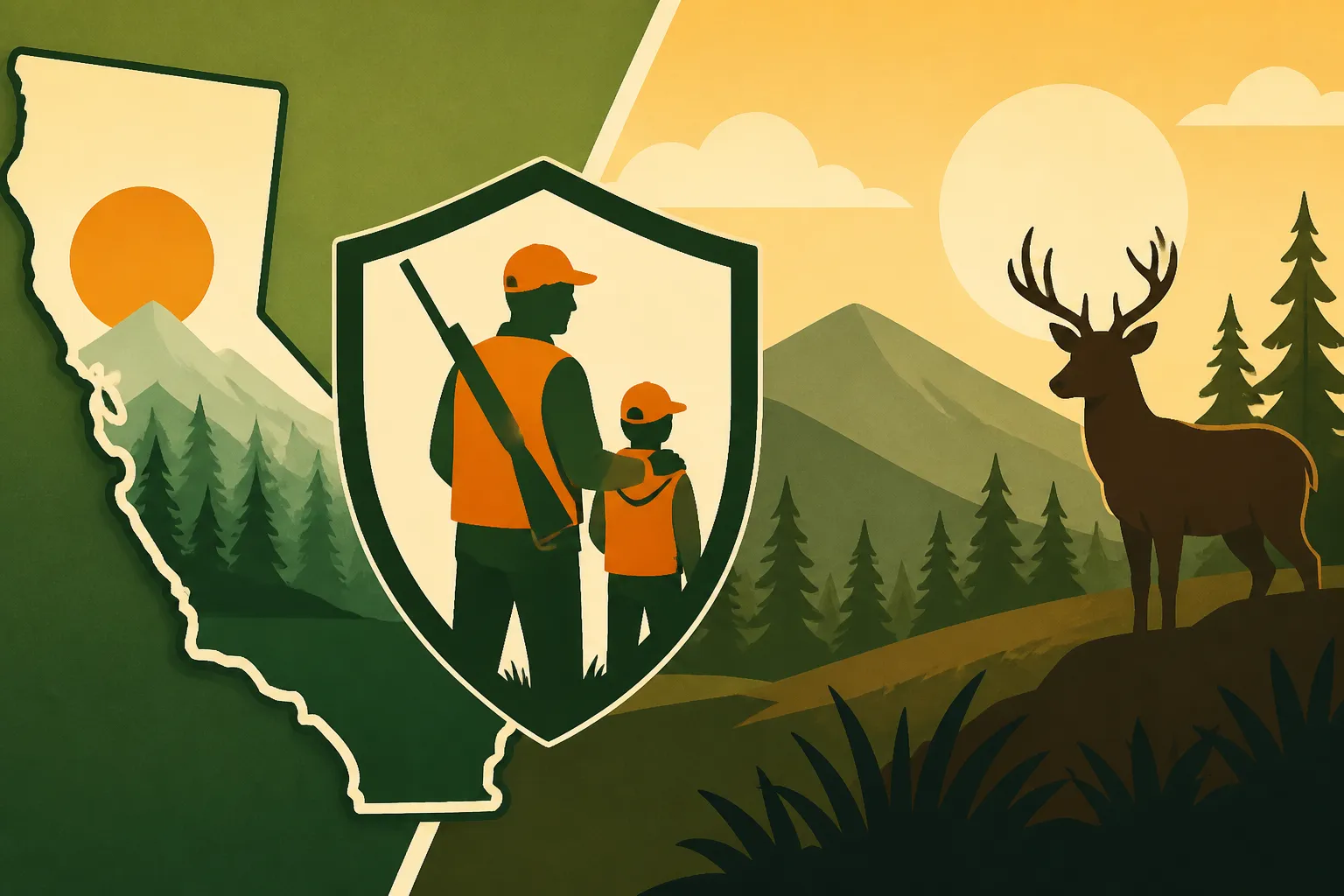
In California, if you are under 16 years of age, you are legally considered a "junior hunter." This means that you are always required to be accompanied and directly supervised by a licensed adult hunter while engaged in any hunting activity. This isn't a suggestion; it's a firm legal mandate put in place for safety and responsibility.
What does "direct supervision" truly entail? The CDFW is quite specific: the supervising adult must be in direct physical control of the junior hunter, close enough to take immediate control of the firearm or archery equipment. This means walking right alongside them, observing their actions, and being able to intervene instantly if a dangerous situation arises or an unethical shot presents itself. It's not enough for the adult to be merely "in the general area" or back at camp. They need to be actively engaged in the hunt with the junior, offering guidance, ensuring safety, and teaching proper field etiquette every step of the way. This close supervision is a critical component of California Mentored Youth Hunting Rules, designed to provide a safe and educational experience.
This rule is designed with several intentions. Firstly, safety is paramount. Young hunters, regardless of their hunter education completion, often lack the real-world experience to react appropriately to all situations in the field. A supervising adult provides that critical layer of judgment and expertise. Secondly, it reinforces ethical behavior. Hunting involves serious decisions, and a mentor helps a junior hunter understand shot placement, game identification, and the importance of fair chase. Finally, it's about skill development. A mentor can teach everything from reading sign to field dressing, passing on invaluable knowledge that simply can't be gained from a book or a classroom.
The 16-Year-Old Threshold: Earning Independence
The significant turning point for unsupervised hunting in California comes when a hunter turns 16 years old. Once you reach your 16th birthday, and provided you have successfully completed your mandatory hunter education course (which is almost always a requirement by this point, unless you've only been hunting under an apprentice license previously), the direct supervision requirement is generally lifted.
This means that a 16-year-old who possesses a valid California hunting license and a hunter education certificate is legally allowed to hunt on their own, or with other licensed hunters who are also 16 or older, without the direct, immediate presence of an adult mentor. This is a huge milestone, representing a recognized level of maturity, knowledge, and skill by the state. It allows young hunters to scout independently, plan their own hunts, and experience the solitude and self-reliance that many adult hunters cherish.
However, this independence doesn't come without caveats or continued responsibilities. While you might be legally free to hunt alone, remember that obtaining a hunting license still often requires parental consent for minors, even those aged 16 or 17. Additionally, other regulations, such as vehicle operation laws or specific area restrictions, still apply based on age. For instance, a 16-year-old might be able to hunt alone, but they still need to be able to legally drive to their hunting spot, or be dropped off.
It’s also important to distinguish between legal independence and practical wisdom. Even after turning 16, continuing to hunt with more experienced individuals or taking advantage of opportunities like California Special Youth Hunt Windows can significantly enhance skills and safety. The goal isn't just to be legally compliant, but to be a truly safe, ethical, and effective hunter.
Navigating Licenses and Junior Opportunities
The pathway to hunting in California involves understanding the specific licenses and opportunities available, especially for younger participants. The state provides different options that cater to various stages of a hunter's journey.
Junior Hunting License Specifics
For those under 18, California offers a specialized junior hunting license. This license is not only tailored to young hunters but often comes with significant benefits, particularly in terms of cost. For example, a resident junior hunting license is substantially less expensive than an adult resident hunting license, making it more accessible for families. This financial break is a fantastic incentive to get young people involved in the outdoors.
To obtain a junior hunting license, you'll need to meet the hunter education requirement (unless you're using the apprentice program) and typically provide parental or guardian consent. Once obtained, this license opens up a world of possibilities, including access to various game seasons and the ability to apply for specific tags. Many special opportunities are designed exclusively for junior hunters, such as dedicated youth waterfowl days, junior pheasant hunts, and the previously mentioned California Junior Turkey Season Start Date. These events are priceless, often held on prime public or private lands, offering less crowded and more success-oriented experiences that are perfect for building confidence and skill in younger hunters. The CDFW also makes it quite easy to buy your permits online through their Automated License Data System (ALDS) portal, which is a convenient way to keep track of your certifications and purchases. You can find more details on California Junior License Discount Program and other rules for young hunters.
The Apprentice Hunter Program: A Stepping Stone
We touched on this earlier, but it bears repeating because it's such a valuable tool for introducing new hunters, particularly youth, to the sport without the immediate commitment of a full hunter education course. The apprentice hunter program allows an individual, regardless of age, to buy an apprentice hunting license. This license permits them to hunt for one license year under the direct, immediate supervision of a fully licensed adult hunter.
The beauty of this program is that it provides a supervised "trial run." A young person interested in hunting can go afield with a mentor, experience the excitement and challenges of a real hunt, and decide if it's truly for them before investing the time and effort into the full hunter education course. If they enjoy it and want to continue, they then proceed with completing their hunter education to become fully licensed themselves. The supervision requirements for an apprentice hunter are stringent: the adult must be 18 years or older, have a valid California hunting license, and have held one for the previous three consecutive years or possess a valid hunter education certificate. This ensures that the mentor is experienced and capable. The program essentially acts as a structured way for a young person to ease into the hunting community under the wing of an experienced guide, making it less intimidating and more educational.
Responsible Hunting Practices for All
While the legal age for unsupervised hunting is a significant benchmark, true responsibility in the field extends far beyond simply meeting minimum age requirements. It's a continuous journey of learning, ethical decision-making, and prioritizing safety, regardless of how many seasons you've been hunting.
The Importance of Continued Mentorship and Safety
Even when a hunter is legally old enough to hunt unsupervised, the value of continued mentorship cannot be overstated. Hunting with seasoned veterans offers invaluable learning opportunities – from subtle techniques like reading wind and thermals, to advanced glassing strategies for deer in open country, to tracking game after a shot. There's a wealth of knowledge passed down through generations of hunters that can't be learned from a book alone. Think about a tough hunt in the Sierra Nevada high country; having an experienced partner who knows Wind and Thermals in Steep Sierra Country can be the difference between success and frustration.
Moreover, safety should always be the top priority. While hunter education provides the foundational knowledge, real-world experience reinforces safe firearm handling, proper tree stand safety, and effective communication in the field. Even an "independent" 16-year-old hunter should always prioritize hunting with a buddy, especially in remote or challenging terrain. The buddy system isn't just for kids; it's a smart practice for all hunters. It ensures that if an accident or emergency occurs, there's someone there to assist or seek help. This ethos of safety and shared experience is a hallmark of the hunting community.
Planning and Communication for Solo or Group Hunts
For any hunt, whether you're legally unsupervised or hunting with a group, thorough planning and clear communication are non-negotiable. This means leaving a detailed hunt plan with someone reliable who isn't accompanying you. Your plan should include your exact hunting location, your expected return time, the route you plan to take, and contact information for everyone in your party. In remote areas of California, where cell service is spotty at best, carrying a satellite communicator or a personal locator beacon (PLB) is a wise investment for safety. Tools like GoHunt can be incredibly useful for planning your routes, understanding land ownership boundaries, and identifying potential access points, whether you're scouting Public Hunting Land in California or trying to gain access on private ground. These resources allow you to overlay public and private land boundaries, check weather patterns, and even mark potential game sightings or hazards.
Before every hunt, it's crucial to check weather forecasts, understand the specific regulations for the area you'll be hunting (including any fire restrictions or temporary closures), and ensure all your gear is in working order. This includes your firearm or bow, ammunition, first-aid kit, and navigation tools. Being prepared for the unexpected is a hallmark of responsible hunting. Communicating effectively with your hunting partners about shot zones, travel routes, and safety protocols is equally vital. Whether you're heading out to the remote BLM lands of the Mojave Desert or navigating the dense oak woodlands, proper planning and communication can make all the difference for a safe and successful hunt.
| Age Group | Hunter Education Required? | Supervision Required? | License Type(s) | Special Opportunities? |
|---|---|---|---|---|
| Under 12 | No | Yes (Apprentice only) | Apprentice Hunting License | Youth Hunts (with mentor) |
| 12-15 | Yes (or Apprentice) | Yes | Junior Hunting License, Apprentice Hunting License | Youth Hunts (with mentor), Special Draw Hunts |
| 16+ (First-time Hunter) | Yes (or Apprentice) | Apprentice: Yes, Fully Licensed: No | Resident/Nonresident Hunting License, Apprentice Hunting License | Limited Special Youth Hunts (if 16-17) |
| 16+ (Experienced Hunter) | Yes (completed) | No | Resident/Nonresident Hunting License | Standard Game Seasons |
Note: All hunters, regardless of age, must have a valid hunting license and any required tags/stamps for the species they are pursuing. Specific regulations can vary by hunt zone and species, so always consult the current CDFW regulations.
Disclaimer
The information provided in this guide is for general informational purposes only and does not constitute legal advice. Hunting regulations in California are complex and subject to change. Always consult the most current California Department of Fish and Wildlife (CDFW) hunting regulations booklet or website before engaging in any hunting activity. Failure to comply with all applicable laws and regulations can result in significant penalties.