How Close a California Mentor Must Stay
One of the most common questions new hunters and their mentors grapple with in California is just how close they actually need to be in the field. It’s not always as simple as "right next to each other," and misunderstanding the rules can lead to safety risks or even legal trouble. This comprehensive guide will walk you through California's direct supervision requirements, helping both mentors and apprentice hunters understand their responsibilities to ensure a safe, legal, and educational hunting experience.
Understanding California's Apprentice Hunter Program
California's apprentice hunter program is a fantastic pathway for newcomers, especially younger generations, to get into hunting under the watchful eye of an experienced hunter. It’s designed to pass down knowledge, skills, and ethical practices, ensuring that new hunters are well-prepared before they venture out on their own.
The Philosophy Behind Mentored Hunting
At its heart, mentored hunting isn't just about bagging game; it's about instilling a deep respect for wildlife, understanding conservation principles, and mastering safe firearm or archery handling. The state's regulations, particularly those concerning mentor proximity, are built on the foundational belief that safety is paramount. A mentor isn't just a chaperone; they're a guide, an instructor, and a first line of defense against potential hazards, whether it's identifying a safe shot angle or navigating challenging terrain. It’s about more than just avoiding legal penalties; it's about fostering a responsible and ethical hunting community. This program is critical for ensuring the longevity and good reputation of hunting in California.
Who Qualifies as an Apprentice Hunter and Mentor
Before diving into proximity rules, it’s crucial to know who qualifies under the program. An apprentice hunter in California is generally someone who has not yet completed a hunter education course. This is often, but not exclusively, a younger individual, although adults new to hunting can also participate. They must carry a valid apprentice hunting license.
On the flip side, a mentor must be at least 18 years old, possess a valid California hunting license, and have successfully completed an approved hunter education course. Importantly, a mentor cannot act as a mentor if their hunting privileges have been revoked or suspended. The mentor isn't just someone to walk alongside; they are legally responsible for the apprentice's actions, safety, and adherence to all hunting laws. It's a serious role, demanding knowledge, patience, and a commitment to safe practices. Anyone looking to participate should be familiar with the broader requirements covered in articles like California Hunter Education Requirements.
The "Direct Supervision" Rule and Proximity Requirements
California law is quite specific, yet also somewhat open to interpretation, regarding the proximity of a mentor to an apprentice. The core concept is "direct supervision." This isn't just a suggestion; it's a legal mandate designed to ensure the immediate safety and guidance of the apprentice.
Defining "Direct Supervision" in the Field
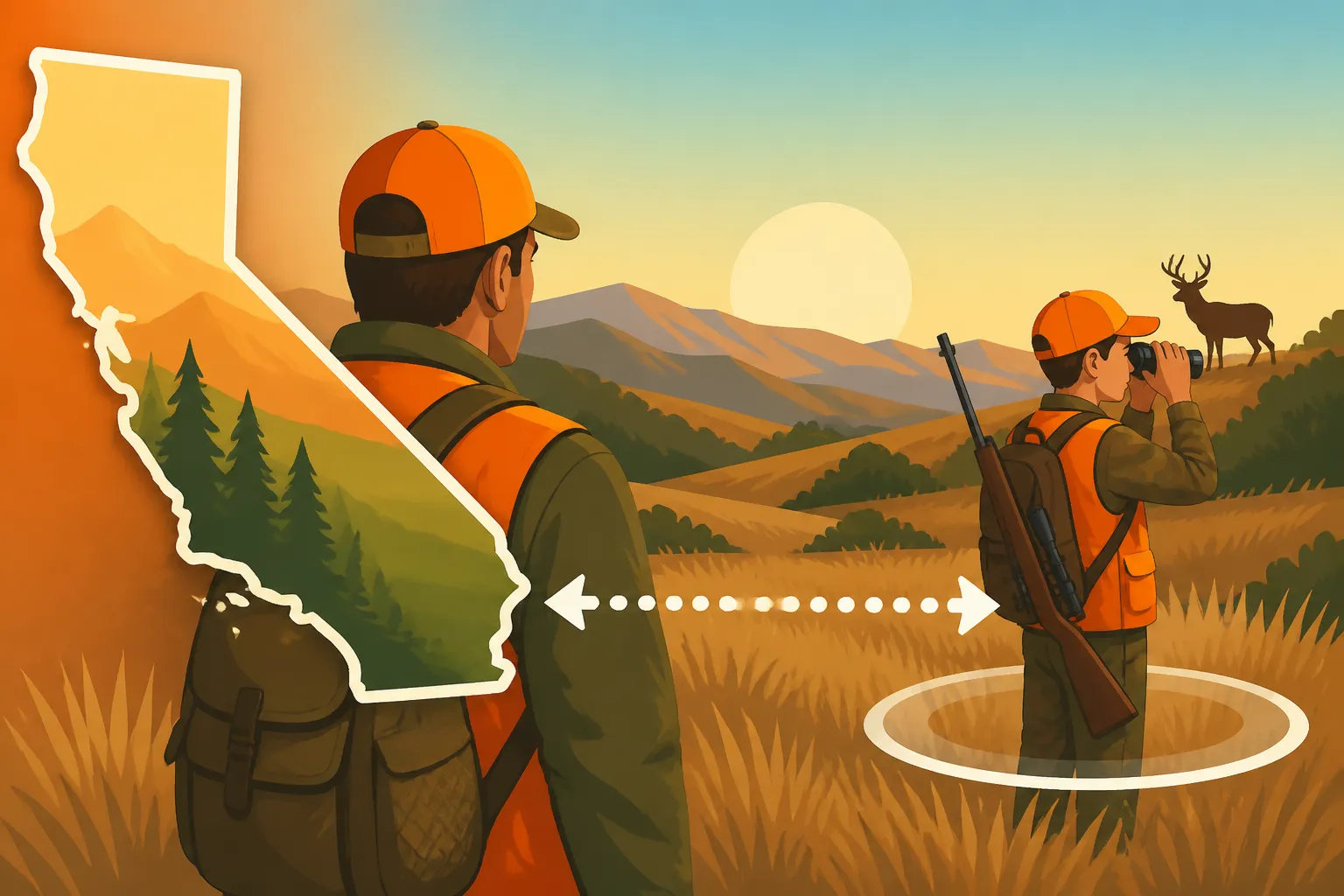
The California Department of Fish and Wildlife (CDFW) defines "direct supervision" as meaning the mentor must be close enough to the apprentice to provide immediate assistance and instruction. This generally translates to being within "arm's length" for younger or less experienced apprentices, or at least within immediate visual and verbal contact at all times. This means if you're hunting with a junior hunter, they should never be out of your sight or earshot. If they make a mistake, or if a dangerous situation arises, you need to be able to intervene instantaneously.
For instance, if you're walking through dense chaparral in the Coastal Range, where visibility can be limited to just a few yards, "direct supervision" means staying much closer than if you were glassing a wide-open sagebrush flat in the desert. The terrain, vegetation, and type of hunting all play a role in how that "immediate contact" is maintained. It’s less about a strict yardage and more about the ability to actively guide and protect.
Scenarios: Different Hunting Styles and Terrain
The practical application of "direct supervision" varies significantly depending on the hunting method and environment. It's not a one-size-fits-all rule, and understanding these nuances is key to a safe and legal hunt.
-
Still-Hunting in Timber: If you're still-hunting through thick pine or oak timber in the Sierra Nevada, where visibility is often limited to 20-30 yards, being "within immediate visual and verbal contact" means you might need to be literally within touching distance or a few steps away from your apprentice. Sound carries differently, and a quick hand signal might be necessary to halt movement or point out game. Moving as a cohesive unit is paramount here. Hunters should refer to specific tactics like Still-Hunting California's Sierra Nevada Timber for techniques that naturally keep mentors and apprentices close.
-
Sitting a Ground Blind or Treestand: When hunting from a fixed position, like a ground blind overlooking a water hole or a food plot, the concept of "direct supervision" is usually easier to manage. The mentor and apprentice would typically share the same blind. This allows for constant, low-voice instruction on shot placement, target identification, and reading game behavior. Even if you're in two separate blinds, they would need to be close enough for immediate communication and visual checks, which might be challenging if they are out of sight. Remember, safety always comes first, so sharing a blind or being adjacent in two blinds with direct line of sight is often the best approach.
-
Waterfowl Hunting: In a duck blind in California's Central Valley flooded rice fields, an apprentice hunter should be right alongside the mentor. This is particularly important for managing firearms, understanding decoy spreads, identifying birds, and ensuring safe shooting lanes. The mentor can assist with calling, reloading, and ensuring the apprentice understands bag limits and species identification. Similarly, when pass-shooting geese, the apprentice needs to be immediately next to the mentor, with clear communication about when and where to shoot to avoid unsafe arcs of fire. The unique dynamics of Decoying Ducks in California's Central Valley Flooded Rice demand tight supervision.
-
Spot-and-Stalk in Open Country: Glassing for deer in open BLM desert land or high-country X-zones allows for greater physical separation while maintaining visual contact. However, "immediate verbal contact" means a whisper or a quick call must still reach the apprentice. If you spot a buck and need to communicate a stalk plan or point out specific features of the terrain or animal, the apprentice must be able to hear and understand you instantly. This might involve hand signals, but the ability to verbally correct or instruct is crucial. Remember to use mapping tools like GoHunt to understand terrain features and plan movements that keep you within reasonable communication range.
Practical Implications for Mentors and Apprentices
Beyond the legal definitions, there are crucial practical considerations for any mentored hunt in California. It's about setting up both the mentor and the apprentice for success, not just compliance.
Safety First: More Than Just Legal Compliance
While the "direct supervision" rule is a legal requirement, it's primarily a safety measure. The mentor's role is to ensure that the apprentice handles their firearm or archery equipment safely, identifies their target correctly, and understands the backdrop before taking a shot. This responsibility extends to teaching awareness of other hunters, understanding game behavior, and navigating potentially dangerous terrain. A mentor should be actively teaching situational awareness, from recognizing poison oak in the oak woodlands to understanding wind thermals in steep Sierra country.
Think about it: in the heat of the moment, an excited apprentice might forget to check their surroundings. Your immediate presence allows you to correct these mistakes before they become dangerous. This goes beyond just being within shouting distance; it's about being actively engaged and anticipating potential issues. Even something as simple as proper use of California Blaze Orange Requirements should be constantly reinforced.
Equipment and Communication for Staying Connected
Modern technology can be a great asset in maintaining supervision, even if it doesn't replace physical proximity. Two-way radios are invaluable for instant communication, especially in dense cover or across slightly larger distances in open terrain, though they should supplement, not replace, visual contact. GPS-enabled mapping apps, like those found on GoHunt, are excellent for teaching navigation, showing land boundaries, and tracking movements. They allow both mentor and apprentice to see each other's location on a digital map, enhancing safety and awareness. These tools become incredibly useful when Scouting California Public Land Before Season or understanding Using an App for California BLM Land Status.
Beyond gadgets, simply having a pre-hunt plan and discussing communication methods are vital. Establish clear hand signals, agree on what constitutes being "too far," and ensure the apprentice understands how to respond to commands. Always carry a first-aid kit and know how to use it.
Teaching Beyond the Shot: Ethics and Conservation
The mentor's role extends far beyond merely ensuring a legal shot. It’s an opportunity to pass on the deep traditions and ethics of hunting. This means teaching the importance of fair chase, minimizing suffering, and respecting the animal and the land. Discussions about California's Two CWD Testing Zones or proper Field Dressing a Deer in Hot Weather are just as vital as trigger discipline.
A good mentor teaches the apprentice how to Reading Aerial Photos for Sierra Deer, identify different game signs, understand wildlife habitat, and appreciate the outdoor experience. This holistic approach ensures that the apprentice develops into a responsible, ethical hunter who understands their role in conservation. The shared experience, perhaps even participating in California Deer Camp Traditions, solidifies the bond and the lessons learned.
Legal Ramifications and Best Practices
Ignoring California's direct supervision rules can lead to serious consequences, not just for the apprentice but especially for the mentor. Understanding these potential pitfalls and adhering to best practices is crucial.
Consequences of Non-Compliance
If a California Fish and Wildlife Warden observes an apprentice hunter hunting without the required direct supervision, both the apprentice and the mentor can face significant penalties. These can range from fines and citations to the confiscation of hunting equipment and even the revocation of hunting privileges. The mentor, being the responsible adult, often bears the brunt of the legal repercussions.
Furthermore, if an apprentice causes an accident due to lack of supervision, the mentor could face civil liabilities. The goal of the apprentice hunter program is to provide a safe learning environment, and deviation from the direct supervision rule undermines that fundamental principle, potentially leading to tragic outcomes. Familiarize yourself with California Wildlife Violation Penalties to understand the gravity of non-compliance.
Developing a Mentoring Plan
To ensure a successful and compliant mentored hunt, developing a solid plan beforehand is highly recommended. This plan should cover everything from the pre-hunt preparation to the post-hunt reporting.
Here's a breakdown of what to include:
| Aspect | Mentor Responsibilities | Apprentice Responsibilities |
|---|---|---|
| Pre-Hunt Prep | Review regulations, plan route, check weather, confirm gear, discuss safety. | Study regulations, confirm gear, understand safety rules. |
| Communication | Establish clear verbal/non-verbal signals, ensure radios are charged. | Understand and practice signals, keep communication clear. |
| Proximity | Maintain immediate visual & verbal contact based on terrain. | Stay within sight/earshot of mentor, do not stray. |
| Instruction | Teach safe firearm handling, target ID, shot placement, ethics. | Ask questions, listen attentively, practice skills. |
| Safety Gear | Ensure both wear blaze orange (if required), carry first aid. | Wear required safety gear, know first-aid kit location. |
| Legal Compliance | Monitor all hunting activities, ensure tag validity. | Follow all laws, report California Deer Reporting Requirements. |
| Post-Hunt | Discuss hunt, reinforce lessons, process game. | Assist with game care, reflect on experience. |
This plan should include reviewing the specific rules for the season and zone you'll be hunting, such as California Zone A General Season Dates or California D-Zone Season Dates, and ensuring you both have the proper California Hunting Licenses and What They Cost. Walk through different scenarios, like what to do if game appears unexpectedly or if you get separated (even if briefly, which should be avoided). The more you plan and communicate upfront, the smoother and safer your mentored hunting experience will be, creating lasting memories and a strong foundation for future hunting endeavors.
Disclaimer
Please note: This article provides general information based on current California hunting regulations. Hunting laws and regulations are subject to change. It is the responsibility of every hunter to consult the most current California Department of Fish and Wildlife (CDFW) regulations before participating in any hunting activity. Always prioritize safety and ethical hunting practices.