California D-Zone Season Dates
If you're a deer hunter in California, navigating the D-zones' season dates can feel like cracking a secret code. It's a frustrating maze of regulations and subunits that often leaves even experienced hunters scratching their heads. This comprehensive guide cuts through the confusion, clearly outlining California's D-Zone season dates so you can plan your hunt with confidence and clarity.
Understanding California's D-Zone System
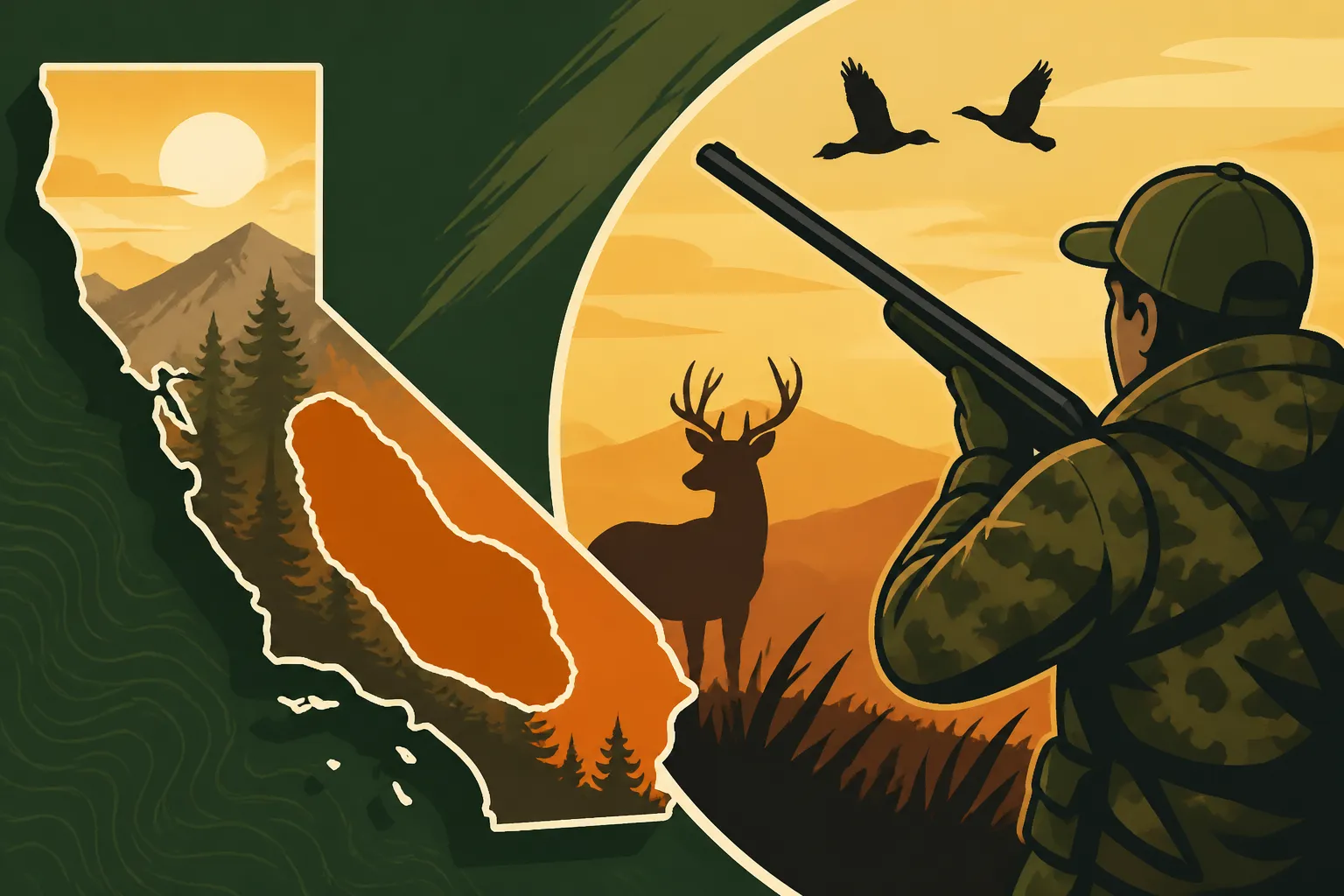
California's vast and incredibly diverse landscapes mean that deer populations, their behavior, available habitat, and hunting pressure vary dramatically from one region to another. The D-zone system was meticulously created by the California Department of Fish and Wildlife (CDFW) to manage these populations more effectively. It allows for specific regulations tailored to localized conditions across the state. Instead of a one-size-fits-all statewide season, the D-zones acknowledge the unique ecological factors at play, from the dense coastal oak woodlands to the rugged Sierra foothills and the expansive high desert. This targeted approach is a crucial attempt to provide management flexibility, aiming to prevent over-harvesting in one area while ensuring the resource isn't under-utilized in another. It's a foundational element of California's Multi-Zone Deer Season System, reflecting a deep commitment to sustainable hunting across such a large and varied state.
This fragmentation, while undoubtedly complex for us hunters to navigate, serves an important purpose: it allows the CDFW to address granular issues like habitat loss, the integrity of migration corridors, and localized population trends. For example, deer residing in the lower elevation D-zones often experience their rut earlier than their counterparts in higher elevations, or they might face different environmental stressors such as prolonged drought conditions or the aftermath of wildfires. By creating and maintaining these distinct zones, the state can dynamically adjust season lengths, modify bag limits, and even specify legal weapon types to precisely match what the deer herds in that particular area can truly sustain. It represents a significant administrative and scientific undertaking, rooted deeply in the principles of modern wildlife management, all designed to protect and perpetuate California's invaluable deer resource for generations to come.
Why the D-Zones Exist
The very existence of D-zones speaks to California's geographical and ecological complexity. Imagine trying to set a single hunting season for an area that spans from near sea level brush to mountainous terrain reaching several thousand feet – it simply wouldn't work for sound wildlife management. The D-zone system allows the CDFW to respond to specific challenges and opportunities. In areas prone to heavy snow, for instance, a later season might coincide with deer migrating down to lower, more accessible elevations. Conversely, in warmer, lower elevation zones, an earlier season might be necessary to avoid excessive heat that could impact both hunters and meat quality.
This localized management helps maintain healthy deer populations by preventing localized over-harvest. It also allows the CDFW to collect more specific data on deer movements, population health, and hunter success within smaller, more defined regions. For us hunters, it means that while the statewide regulations provide a framework, the real details of our hunt are found within the specifics of our chosen D-zone. It's a system designed to be responsive, even if it requires a bit more homework on our part to understand its nuances.
Key Characteristics of D-Zone Hunting
The D-zones are often considered the "general deer hunting zones" for a good reason: they cover a vast portion of California and historically account for the majority of deer tags issued. Unlike the more coveted, draw-only X-zones, many D-zones offer over-the-counter tags (though this is subject to change) or significantly higher draw odds, making them much more accessible to a wider range of hunters. However, this accessibility often translates directly into increased hunting pressure, especially on public lands. Hunters in these zones absolutely need to be prepared to share the woods, and often, you'll find yourself working harder and venturing deeper to locate less pressured deer. Understanding the specific characteristics of your chosen D-zone, from its unique topography to its dominant vegetation types, is paramount to achieving success.
Hunting in the D-zones means you'll be adapting to an incredibly diverse set of conditions, sometimes even within the same zone. You could realistically be still-hunting California's Sierra Nevada Timber in one D-zone subunit during the general season, or in another, you might be Glassing Mule Deer in Open California Country in a completely different ecological setting. The elevations range dramatically, from low coastal foothills to moderate mountain slopes, and the weather can swing wildly from scorching August heat to freezing November rain or even snow. This wide-ranging diversity demands a flexible approach to your gear, your hunting strategy, and even your physical conditioning. It's not just about knowing the season dates; it's about deeply understanding the specific challenges and opportunities each D-zone presents, often demanding a blend of stealth, unwavering patience, and sheer persistence. For many, these zones represent the quintessential California deer hunting experience, offering plenty of public land opportunities if you're truly willing to put in the work.
Deconstructing the General Season D-Zone Dates
The general rifle seasons for California's D-zones are as varied as the landscapes they cover. They kick off in mid-August in some of the warmer, lower elevation areas and can extend all the way into early December in others. This staggered opening and closing schedule is designed to optimize hunting opportunities based on local deer behavior, environmental conditions, and to help manage hunter distribution. Understanding these nuances is crucial for any successful hunt. If you're planning on Rifle Hunting California's General Deer Season in any D-zone, paying close attention to these specific dates is your first step.
Early Opening D-Zones (August)
Some of the D-zones, particularly those in the lower elevations or more southern parts of the state, kick off their general rifle seasons as early as mid-August. We're talking about zones like D10, D11, D16, and D19. Hunting a D-Zone That Opens in August can be a real test of stamina and strategy because you're often hunting in intense heat, with temperatures regularly soaring into the 90s or even triple digits in certain areas. During this time, deer are typically still on their summer patterns, frequently found concentrated around reliable water sources or bedded down in deeply shaded canyons. The primary challenge here isn't just locating a buck, but doing so efficiently while simultaneously preventing overheating yourself and, crucially, avoiding meat spoilage in the high temperatures. For hunters drawn to the adrenaline of this early rush, rigorous scouting during the scorching summer months becomes even more critical, with a specific focus on identifying deer patterns around water, persistent shade, and evening feeding areas.
When you're planning for these early August D-zone hunts, prioritizing hydration and immediate meat care isn't just a convenience; it's an absolute necessity. Carrying a large, well-insulated cooler filled with plenty of ice, ready to receive quartered game back at the truck, is non-negotiable. Deer activity during the peak daytime heat is usually minimal, making early morning and late evening hours your most productive hunting windows. Consider strategically sitting near a water hole, especially if hot conditions persist, or focusing your efforts on areas with exceptionally dense, cool cover where deer might spend their entire day bedded. While the rut is still months away, bucks might still be found in bachelor groups during this period, making glassing expansive areas a viable tactic before these groups eventually disperse. This early season window offers a unique opportunity to potentially avoid some of the heavier crowds of later seasons, but it undeniably demands a different kind of preparation, physical conditioning, and a very specific hunting mindset.
Mid-Season D-Zones (September/October)
The vast majority of California's D-zones open their general seasons in late September and continue through October. This period is often considered the "sweet spot" for many deer hunters, as ambient temperatures typically begin to cool down, and deer activity, in general, noticeably picks up. The transition from summer to fall signals a change in deer behavior: bucks begin to rub their antlers more frequently, become increasingly territorial, and generally increase their overall movement as they prepare for the eagerly anticipated rut. Zones like D3, D4, D5, D6, D7, D8, and D9 commonly fall within this advantageous timeframe. This mid-season period witnesses a broader distribution of deer across their ranges as fall food sources, particularly acorns, become more readily available and highly sought after. Hunting a D-zone that opens in this window allows for a more traditional and often more comfortable deer hunting experience, with less extreme weather to contend with compared to the challenging August openers.
During the prime September and October seasons, hunters can capitalize on significantly more predictable deer movement patterns. Bucks are no longer solely focused on summer feeding but are beginning to shift their attention towards breeding-related activities. Techniques like Glassing a Canyon for a Bedded Buck or carefully still-hunting through diverse timber and open country become much more productive. Abundant food sources, such as fallen acorns in Coastal Range Oak Woodlands, transform into prime attractants, and deer are often observed traveling between their bedding and feeding areas with greater regularity and during longer periods of the day. This is also when you might start to consistently find early scraping activity, indicating bucks are laying down scent markers. While the peak of the rut is still several weeks away, these mid-season dates offer a fantastic opportunity to intercept bucks as they transition into their definitive fall patterns, ideally before hunting pressure truly hits its stride and pushes them into more secluded, hard-to-reach areas.
Late Season D-Zones (November)
A smaller, yet significant, number of D-zones extend their hunting seasons into November, or in some cases, even open exclusively in November. These late-season hunts, such as those found in specific portions of D12, D13, D14, or D15, often coincide with colder weather, the potential for early snow at higher elevations, and, most excitingly for many, the beginning or even the peak of the rut in certain areas. Hunting in November presents its own unique set of challenges and equally compelling rewards. The colder temperatures mean that deer are intensely focused on feeding to build crucial fat reserves for winter, and the increasing hormonal drives in bucks can make them significantly more active throughout the day as the rut intensifies. Hunters who are adequately prepared for the chill and potential winter conditions can find themselves in a prime position to encounter an active, less wary buck. If you're seeking a late-season challenge and the thrilling prospect of a rutting buck, checking out Hunting a D-Zone That Opens in November might be exactly what you're looking for.
The primary and most compelling advantage of late-season D-zone hunting is, without a doubt, the rut. While the exact timing and intensity vary somewhat by elevation and the specific zone, November consistently brings about a period of heightened buck movement as they actively search for receptive does. This means that tactics like rattling and grunting California Blacktail Bucks can be incredibly effective, often drawing in curious, aggressive, or territorial deer from surprising distances. Hunters should pay extremely close attention to recent weather patterns; fresh snow, for instance, can be an invaluable tool, making tracking much easier and vividly highlighting recent deer movement and travel corridors. Focus your efforts on areas with late-season food sources for California Deer, such as persistent browse in sheltered canyons or agricultural fields still offering palatable forage. While overall success rates might be lower due to fewer deer being available after earlier season pressure, the exhilarating chance of encountering a mature buck during this period of heightened activity is what keeps many dedicated hunters returning year after year. Always be thoroughly prepared for cold, potentially wet, and even snowy conditions, ensuring all your gear, from waterproof clothing layers to insulated boots, is absolutely up to the task.
| D-Zone | General Season Opening Date | General Season Closing Date | Typical Terrain/Notes |
|---|---|---|---|
| D10 | Mid-August | Mid-September | Southern Coast Ranges, warmer climate |
| D11 | Mid-August | Mid-September | Central Coast, often brushy |
| D3 | Late September | Late October | Northern Sierra Foothills, mixed timber |
| D5 | Late September | Late October | Central Sierra Foothills, prominent oak woodlands |
| D6 | Late September | Late October | Southern Sierra Foothills, highly varied terrain |
| D12 | Early November | Early December | Inner Coast Ranges, lower elevation rut often peaks |
| D14 | Mid-October | Mid-November | Southern Sierra Nevada, typically rugged and remote |
| D16 | Mid-August | Mid-September | South Central region, desert fringe habitat |
Archery-Only D-Zone Opportunities
For bowhunters, the D-zones offer some exciting, albeit challenging, archery-only opportunities that often precede or overlap with the general firearm seasons. This dedicated time for archery provides a unique experience to pursue deer with a bow and arrow, testing skills and patience in a more intimate hunting environment.
Pre-Season Archery Windows
Before the general rifle seasons for most D-zones even begin, many units offer a dedicated archery-only season. This special pre-season window is a fantastic opportunity for bowhunters to get into the field when deer are typically less pressured and often still adhering to their more predictable summer patterns. These archery seasons typically open a week or two, sometimes even longer, before the general firearm opener, providing a relatively quiet and uniquely challenging experience without the constant sound of rifle shots echoing through the canyons. This early access often means warmer weather, much like the early general seasons, so the same critical considerations for personal hydration and immediate meat care apply with full force. For a significant portion of the bowhunting community, this pre-season window is the most anticipated time of year to truly test and hone their skills with a traditional or compound bow. It's an excellent opportunity to experience something akin to Hunting California's Zone A July Archery Opener in different parts of the state.
The profound beauty of the pre-season archery window lies in the relative calm and tranquility of the woods. Deer, especially mature bucks, haven't yet been pushed into hyper-vigilant states by the typical influx of general season hunters. This can make them slightly more pattern-able, though their summer patterns still largely revolve around consistent access to water, dense shade for bedding, and predictable evening feeding areas. As an archer, you'll need to cultivate an extra layer of stealth, meticulously understanding the nuances of Wind and Thermals in Steep Sierra Country, as your goal is to close the distance and get within ethical bow range. This period is also vitally important for fine-tuning your entire archery setup, rigorously ensuring that your broadheads and arrows for California Archery Season are flying precisely true and consistently impacting your intended target. While inherently challenging and demanding, the immense rewards of successfully harvesting a D-zone buck with a bow during this exclusive, quiet window are profound, offering a truly primitive, deeply personal, and intimate hunting experience that many cherish above all else.
Archery and General Season Overlap
Once the general firearm season officially opens in a given D-zone, archery hunters typically have the option to continue hunting, often for the entire duration of the general season, as long as they hold a valid D-zone tag. This means that if you possess the appropriate D-zone tag, you retain the flexibility to hunt with a bow even during the busiest parts of the rifle season. However, this also inherently means you will be sharing the woods with a much larger number of firearm hunters, which dramatically and irrevocably changes the entire dynamic of the hunt. Deer become significantly more skittish, constantly pushed by the increased human presence and the frequent sound of gunshots. While you absolutely retain your archery opportunity, adapting your core strategy to account for this heightened pressure is not just advisable, but absolutely crucial for any chance of success. This overlap period can become a real test of unwavering patience, profound woodsmanship, and sheer mental fortitude, as deer will often retreat into the densest, most inaccessible cover or, in many cases, become almost entirely nocturnal in their movements.
For those dedicated hunters who choose to bowhunt during the general season overlap, stealth, and relentless patience are your greatest and most essential allies. Deer will instinctively be seeking sanctuary, so focusing your efforts on dense, hard-to-access pockets of cover that rifle hunters might easily overlook can often prove to be surprisingly productive. Consider targeting areas that offer natural barriers such as steep canyons, thick thorny brush, or rugged terrain that inherently discourages easy human access. You might also find increased success by carefully hunting close to private land boundaries (always ensuring you are legally hunting on the public side), as pressured deer frequently seek immediate refuge on properties where hunting is either strictly limited or completely prohibited. While the initial peace and tranquility of the archery-only season are undeniably gone, the overlap period still offers a tangible chance to fill your tag, albeit with a significantly higher degree of challenge and strategic thinking. Being highly adaptable and possessing the willingness to hunt in areas where others simply won't venture is often the absolute key to success during this demanding phase.
Navigating the Drawing and Tag Process for D-Zones
Securing a D-zone tag in California isn't always as simple as walking into a store. The process can range from over-the-counter purchases to participating in the state's annual big game drawing, each with its own set of rules and considerations.
Over-the-Counter Versus Draw-Only D-Zones
One of the most significant distinctions within the D-zone system revolves around how tags for a particular zone are acquired: whether they are available over-the-counter (OTC) or if they necessitate participation in the highly competitive California Big Game Drawing. Historically, many D-zones, especially those covering vast geographical areas or boasting higher deer populations, have offered OTC tags. This meant that you could simply purchase your tag at any licensed vendor or conveniently online through the CDFW portal, often right up until the season's opening day. This unparalleled accessibility is a massive draw for countless hunters, particularly those new to the state or those who understandably prefer a less competitive and less complex tag acquisition process. However, it's crucial to note that recent regulatory changes and dynamic deer population shifts can, and sometimes do, move zones from OTC status to draw-only, or cap the total number of available OTC tags. It is absolutely vital to consult and verify the most current regulations each and every year to avoid disappointment.
Conversely, a subset of D-zones, or specific subunits contained within them, are strictly draw-only. These units typically feature lower tag quotas, often a direct result of smaller, more sensitive deer populations, delicate habitats, or a deliberate management strategy to spread out hunting pressure more evenly. Applying for these draw-only tags mandates participation in the annual big game drawing, which is traditionally held in the spring. While the draw odds for D-zones are generally much more favorable than for the highly coveted premium X-zones, they still require diligent planning and a thorough understanding of California's preference point system. Invaluable resources like GoHunt can be incredibly beneficial here, providing comprehensive historical draw odds data, expert application strategies, and up-to-date tag quota information that can significantly help you decide which D-zone to strategically apply for. Whether you are confidently considering Hunting an Unrestricted D-Zone Deer Tag, which often has higher availability, or setting your sights on a more limited, draw-only unit, knowing the precise availability status is your absolute first and most critical step. Remember, even historically OTC tags can sell out quickly, so proactive action is key – don't delay your purchase or application!
Understanding Your D-Zone Tag
Once you have successfully secured a D-zone tag, it is absolutely crucial to fully understand exactly what specific privileges and limitations it entails. Most D-zone tags are designated as "A-zone equivalent" tags, meaning they authorize the harvest of one antlered deer. California's official definition of an "antlered deer" is critically important: it typically specifies a buck with at least one antler that measures two inches or more in length, measured from the top of the skull. This particular regulation differs significantly from a "forked-horn or better" rule that is commonly found in some other states or even certain premium zones within California. You must always double-check the precise, current regulations for your specific D-zone, as there can occasionally be nuanced variations. Your physical tag will clearly state the specific zone it is valid for, and the season dates printed directly on it will serve as your definitive, authoritative guide. Never rely solely on general knowledge or hearsay; diligently read the fine print on your actual tag and thoroughly review the most current year's official hunting regulations booklet.
Furthermore, it is a strict rule that your D-zone tag is generally valid only within the specific D-zone explicitly printed on it. For example, you absolutely cannot use a D5 tag to hunt in D6. While there are some very rare exceptions for specific overlaps or special archery tags, the overarching rule is strict adherence to your officially assigned zone boundaries. Understanding the precise geographical boundaries of your chosen D-zone is paramount, especially when you are hunting near the often-complex interfaces with other zones or private land. Utilizing modern mapping applications such as the CDFW Hunting App or detailed onX layers for California Land Status can assist immensely in accurately verifying your precise location relative to these critical boundaries. Finally, once you are successful in harvesting a deer, the California Deer Reporting Requirements mandate that you report your take. This crucial step can often be conveniently completed online through the Automated License Data System (ALDS) within a specific timeframe, ensuring that the CDFW collects vital data for ongoing deer population management.
Strategic Planning for Your D-Zone Hunt
Successful D-zone hunting in California requires more than just knowing the season dates; it demands strategic planning and meticulous preparation. From researching specific subunits to tailoring your scouting efforts, every step counts toward increasing your odds of success.
Researching Specific D-Zone Subunits
While we often discuss D-zones as monolithic entities, the reality is that many of them are incredibly vast and encompass diverse subunits or areas, each possessing distinct geographical and ecological characteristics. For instance, a D3 tag might grant you access to both dense Sierra timber at higher elevations and more open, rolling foothill country at lower elevations. Therefore, truly effective hunt planning necessitates delving much deeper than merely recognizing the overarching D-zone number. You must actively identify specific, promising areas within your chosen zone, meticulously considering crucial factors such as elevation, dominant vegetation types, reliable water sources, and historical deer movement patterns. Websites, hunter forums, and even comprehensive resources like GoHunt often provide detailed breakdowns of specific areas within D-zones, highlighting historical success rates, intricate terrain features, and common access points. This granular level of research is absolutely crucial for narrowing down your focus from a massive, potentially overwhelming zone to manageable, practical, and highly huntable areas.
Beyond general topographical and habitat information, it is imperative to thoroughly research public land access within your chosen D-zone. Are there expansive tracts of National Forest land, Bureau of Land Management (BLM) property, or specific California Wildlife Areas that are officially open to hunting? Understanding the types of public land available, along with the specific rules and regulations that govern each (e.g., vehicle access restrictions, camping regulations, legal weapon types), will profoundly dictate your overall hunting approach. For example, Hunting a Staggered D-Zone Subunit might inherently demand different tactics compared to a more unrestricted zone with wider access. Identifying potential entry points, such as through a Sierra Foothill Meadow, leveraging technologies like Scouting California Public Land Before Season with the CDFW Hunting App, and skillfully utilizing topographical maps to pinpoint natural bottlenecks or prime bedding areas are all integral components of this detailed pre-season research. The more specific and comprehensive you can make your initial planning, the less time you'll spend wandering aimlessly or inefficiently once the season officially opens.
Scouting Based on Season Dates
The specific D-zone season dates you have secured for your tag should directly and strategically influence your year-round scouting efforts. If you are preparing for an early August opener, your pre-season scouting should primarily concentrate on accurately locating deer in their summer patterns: seeking out shaded north-facing slopes, identifying consistent proximity to reliable water sources, and observing evening feeding areas. During this hot period, deer will largely be predictable but often found in dense, cool cover during the intense heat of the day. As you transition closer to a late September or October opening, your scouting focus should shift to finding early fall sign, such as fresh rubs on saplings, new scrape lines on the ground, and actively used areas where acorns are beginning to drop and become a primary food source. Bucks will naturally start to travel more extensively, and their patterns will increasingly revolve around fall food sources and the initial stages of pre-rut behavior.
For those dedicated hunters pursuing the late November D-zones, scouting needs to be sharply focused on identifying undeniable rutting activity. Look intently for heavy buck sign, evidenced by large rubs on trees and highly active scrape lines along a Forest Service Road or natural travel corridors. Pay very close attention to traditional doe bedding and feeding areas, as bucks will be consistently cruising these locations in search of receptive females. Furthermore, evolving weather patterns become a major and influential factor in late-season scouting; for instance, fresh snowfall can be an invaluable asset, revealing precisely where deer are moving, bedding, and feeding. No matter your specific season dates, scouting should never be considered a one-time event; it is an ongoing, adaptive process. Utilize comprehensive platforms like GoHunt to gather intel on historical deer movements, harvest data, and even detailed weather trends for specific D-zone subunits. Deploy trail cameras on California Public Land to consistently monitor movement, and always be prepared to adapt your scouting locations and strategies as deer patterns inevitably change with the shifting weather and escalating hunting pressure. The more current, accurate, and comprehensive your intel, the significantly better your chances of achieving success.
Important Regulations Beyond Season Dates
Beyond simply knowing when you can hunt, California's hunting landscape is defined by a few critical regulations that all D-zone hunters must understand and adhere to. Compliance with these laws is not just about avoiding penalties; it's about ethical hunting and contributing to conservation.
Non-Lead Ammunition Requirements
Beyond just knowing when you can hunt, it's absolutely critical to understand how you can hunt legally and ethically in California, and that fundamentally includes the statewide non-lead ammunition requirement. Since its full implementation on July 1, 2019, all ammunition used for the taking of any wildlife anywhere in California, including deer in all the D-zones, must be entirely non-lead. This comprehensive law applies universally to rifles, shotguns, and handguns. This critical regulation was primarily enacted to protect California condors and other scavenging wildlife species from the severe dangers of lead poisoning, which can occur when they consume gut piles or animal carcasses containing lead fragments. For hunters, this means you must exclusively use certified non-lead bullets, which are typically manufactured from copper or various copper alloys. Failing to strictly comply with this regulation can result in substantial fines, the confiscation of game, and potentially the loss of your hunting privileges, so this is undeniably not a regulation to take lightly or disregard.
Choosing Non-Lead Rifle Ammunition in California requires some dedicated research and practical experience. It's important to recognize that not all non-lead bullets perform identically to their traditional lead counterparts, and you might find it necessary to re-zero your rifle after transitioning to a different type or brand of ammunition. Reputable brands such as Barnes, Hornady, Federal, and Winchester all offer excellent non-lead options, including popular choices like Barnes TSX (Triple-Shock X) or Hornady GMX (Gilding Metal eXpanding), but availability can sometimes become an issue, especially closer to opening day. It is highly recommended to purchase and thoroughly test your non-lead ammunition well in advance of the hunting season. Familiarize yourself with Which Non-Lead Bullets California Approves by checking the CDFW's official list, and always carry your ammunition in its original packaging if possible, as game wardens may conduct field checks for compliance. This non-lead requirement is a permanent and essential fixture of California hunting, so embrace it proactively and ensure you are consistently using ethical, legal, and environmentally responsible ammunition.
Deer Reporting Obligations
Once you've successfully harvested a deer in a D-zone, your responsibilities as a diligent and ethical hunter don't end there. California mandates a mandatory deer reporting requirement for all tag holders, irrespective of whether you were successful in taking a deer or not. This collected information is absolutely vital for the California Department of Fish and Wildlife (CDFW) to accurately monitor deer populations across the state, assess annual harvest rates, and subsequently make informed, science-based management decisions for future hunting seasons. Failing to properly report your deer harvest can lead to significant penalties, which may include substantial fines and, critically, the potential loss of your privilege to apply for future big game tags in subsequent years. The standard deadline for reporting your deer harvest is typically January 31st of the calendar year immediately following your hunt, even if you harvested your deer in the earlier months of November or December.
The reporting process itself is designed to be straightforward and can usually be completed conveniently online through your personal CDFW Automated License Data System (ALDS) account. You will need to provide specific information including your tag number, the precise date and D-zone of the kill, the sex of the deer, and whether it was antlered or antlerless. Even if you were not successful in harvesting a deer, you are still legally required to report that you hunted but were ultimately unsuccessful. This comprehensive data helps the CDFW paint a complete and accurate picture of overall hunting effort and success rates across all D-zones and other regions. Think of it as your civic duty and an essential contribution as a responsible hunter – actively contributing to the data that directly aids in the management and conservation of the very wildlife resource you enjoy pursuing. Always keep your physical deer tag readily accessible, and ensure you fully understand the California Deer Reporting Deadline to avoid any last-minute stress, potential penalties, or future complications with your hunting privileges.
Disclaimer
Please remember that hunting regulations in California can change. Always consult the official California Department of Fish and Wildlife (CDFW) regulations booklet and website for the most current and accurate information before planning any hunt.