California Big Game Drawing Application Window
It can feel like navigating a dense thicket when you're trying to figure out the exact window to apply for California's coveted big game tags. The excitement of hunting season often comes with the headache of deadlines, specific forms, and the worry of missing out on your shot at a trophy or even just a general season deer tag. This guide is here to untangle that process, giving you a clear roadmap to understanding and successfully navigating the California Big Game Drawing application window, so you don't miss your chance.
Understanding the California Big Game Drawing System
California's big game drawing system is a bit of a beast, but it's essential for anyone hoping to pursue deer, elk, antelope, or bighorn sheep in our beautiful state. It's designed to allocate a limited number of tags fairly among a growing pool of hunters, ensuring sustainable populations for future generations. While it can be complex and sometimes frustrating, understanding its mechanics is your first step toward success.
Why the Drawing Matters and Why It's Frustrating
Let's be honest, trying to draw a premium tag in California can feel like winning the lottery, and sometimes, the odds aren't much better. The sheer number of hunters who want to experience the Sierra high country or the coastal oak woodlands means that many of our most sought-after zones and species require entry into a drawing. This is particularly true for the "X-zones," which are known for their quality deer and often have incredibly low draw odds, as well as all elk and bighorn sheep tags. The frustration often stems from the years of applying, accumulating points, and still coming up empty-handed. It's a test of patience, persistence, and a healthy dose of optimism, but for those who do draw, the reward is often a hunt of a lifetime.
Key Species Covered by the Drawing
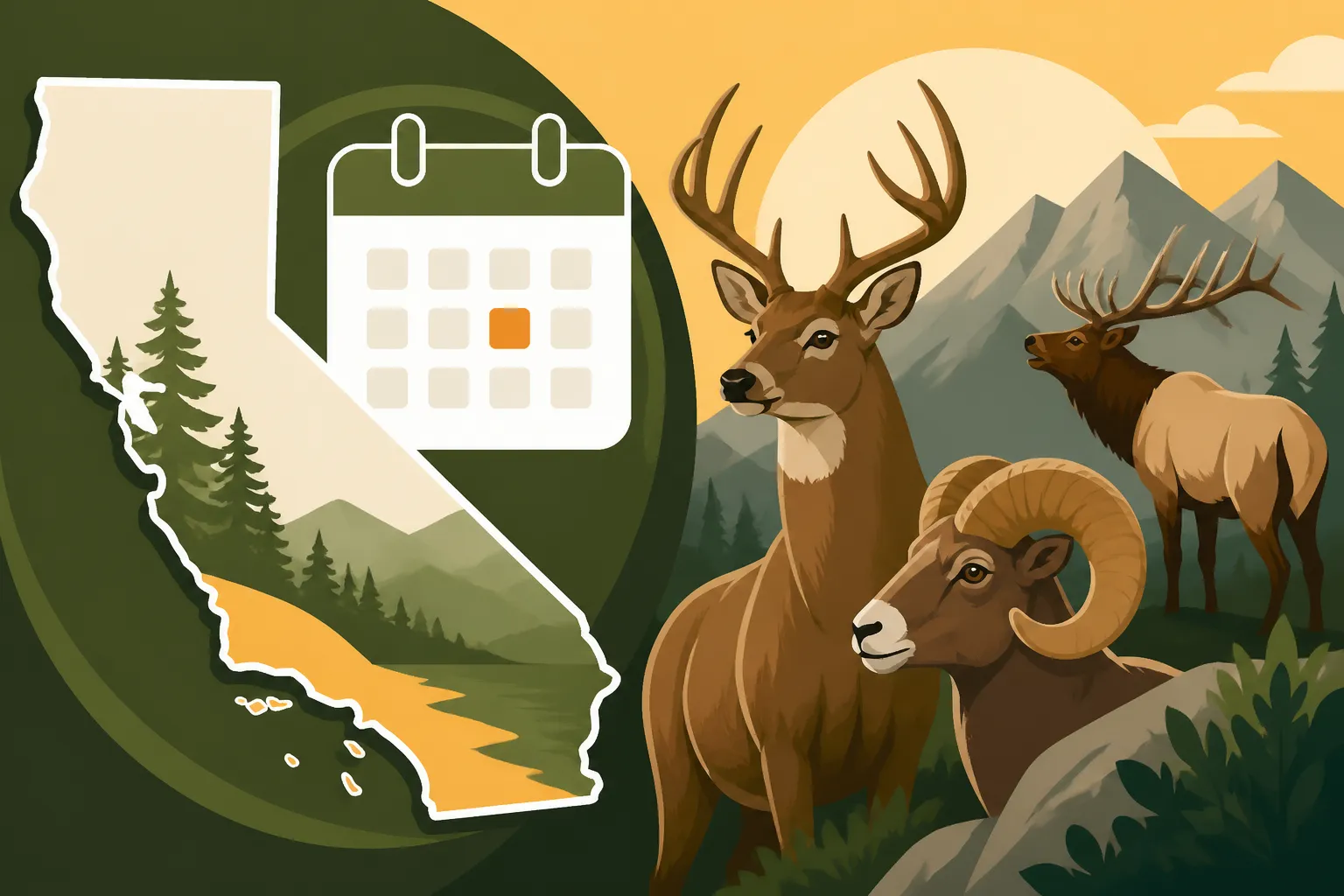
The California Big Game Drawing isn't just for one animal; it's the gateway to pursuing several of our magnificent game species. While general deer tags for some D-zones might be available over-the-counter later in the year, the drawing is where you'll apply for the premium tags.
- Deer: This is arguably the most popular species in the drawing. Tags for X-zones, which cover much of California's high country, are exclusively distributed through this system. Some limited-entry D-zones also require an application. These are the hunts that hunters often dream about, offering opportunities for mature Columbia blacktail and mule deer.
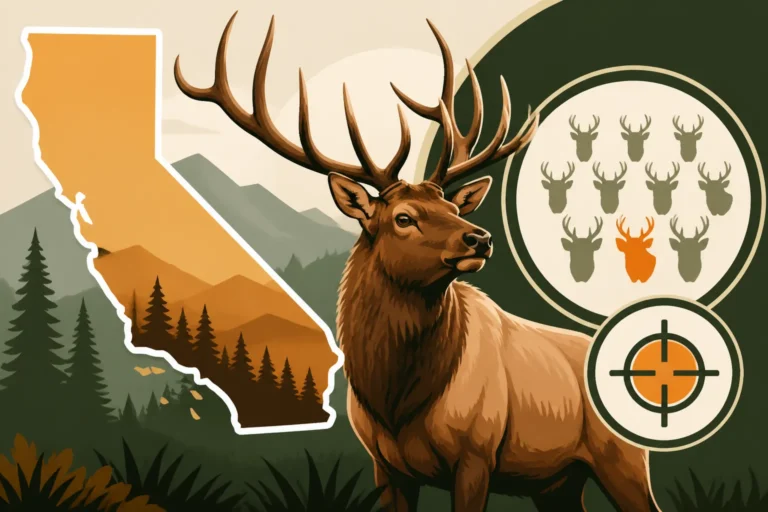
- Elk: California is home to three distinct elk species: Tule, Roosevelt, and Rocky Mountain. All elk tags, whether it's for the majestic Tule elk in the Central Valley, the impressive Roosevelt elk in the redwood country of Northwest California, or the Rocky Mountain elk near Oregon, are allocated via the drawing. These are truly once-in-a-lifetime opportunities for many, with some of the toughest draw odds in the state. If you're hoping to learn more about Applying for a California Tule Elk Tag in the Big Game Drawing, you'll definitely be looking at this application window.
- Bighorn Sheep: These tags are exceedingly rare and carry extremely low draw odds, often less than 1%. They are considered the pinnacle of sheep hunting in North America, and California's desert bighorns are no exception.
- Antelope: Pronghorn antelope tags, found in specific regions of northeastern California, are also part of the drawing system. Known for their incredible speed and keen eyesight, these hunts offer a unique challenge.
How Preference and Bonus Points Work
California employs a point system to give loyal applicants a better chance over time, though it varies slightly by species. Understanding these points is crucial for your long-term drawing strategy.
- Deer (Preference Points): For deer, California uses a preference point system. Each year you apply for a deer tag and are unsuccessful, you earn a preference point. When it's your turn to draw a tag, the system attempts to give you one of your top choices. The more points you have, the higher your chances compared to someone with fewer points. These points are specific to deer and accumulate annually. You can even choose to apply for "points only" if you know you can't hunt that year but want to keep building your equity. You can dive deeper into how this works by reading our guide on the California Preference Point System Explained.
- Elk, Antelope, Bighorn Sheep (Bonus Points): For these highly sought-after species, California uses a bonus point system. When you apply and are unsuccessful, you earn a bonus point. Your bonus points are then squared, effectively giving you more "entries" into the drawing each year. This means someone with 5 bonus points would have 25 entries (5×5), significantly increasing their mathematical chance of drawing. This system rewards consistent application over many years. Learn more about the California Bonus Point System Explained to refine your strategy for these premium tags.
Navigating the Application Window: Dates and Deadlines
This is where the rubber meets the road. Knowing when to apply is just as important as knowing how. Missing the application window means missing your entire season for these drawn tags, no matter how many points you've accumulated.
The Critical Application Period
For deer, elk, antelope, and bighorn sheep, California's big game drawing typically opens in mid-April and closes in early June. While specific dates can shift slightly year to year, the window for 2024, for example, often wraps up around June 2nd. It's a roughly seven-week period, which sounds like plenty of time, but life happens! Before you know it, that deadline is looming. I've heard countless stories (and admit to having a close call or two myself!) of hunters scrambling in the final hours because they put it off. Mark your calendars, set reminders, and apply well before the eleventh hour.
CDFW's ALDS System: Your Portal to Opportunity
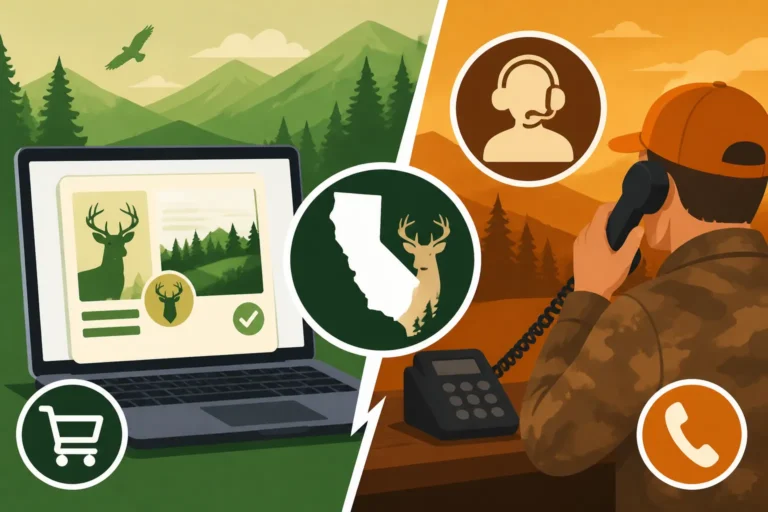
All applications for the California Big Game Drawing are submitted through the California Department of Fish and Wildlife's (CDFW) Automated License Data System, or ALDS. This online portal is where you'll purchase your hunting license, apply for drawing tags, report harvests, and manage your point totals.
To apply:
- Access the ALDS: You'll need to visit the CDFW website and navigate to the ALDS portal. If you haven't used it before, you'll need to create an account. This involves providing personal details and answering some security questions.
- Purchase Your License: Before you can apply for any big game drawing tags, you must purchase an annual California hunting license. This is non-negotiable. You can't even accrue points without a valid license. For a breakdown of costs, check out California Hunting Licenses and What They Cost.
- Select Your Application: Once you have your license, you'll find options to apply for the various big game drawings. You'll choose your desired species (deer, elk, etc.) and then proceed to select your hunt choices.
- Submit Payment: There's an application fee associated with each drawing entry, and the cost of the tag itself (which is only charged if you're successful). Your credit card information will be required.
The ALDS system is generally user-friendly, but it's not without its quirks. Give yourself ample time to navigate it, especially if it's your first time or if you're trying to figure out group applications.
Preparing Your Application: What You'll Need
Successfully submitting your application requires a few things beyond just remembering the dates. Being prepared can save you a lot of headaches.
- A Valid Hunting License: As mentioned, this is the first and most critical step. Make sure it's current for the license year you're applying for.
- Species Tags (Applied For): You'll select the specific tags you wish to apply for, which includes identifying the zone or hunt code. For example, if you're applying for deer, you'll pick your first, second, and third choice X-zones or D-zones. For elk, you'll choose your preferred unit and species. Remember, you'll only be charged for the tag if you actually draw it.
- Payment Information: Have your credit card ready. The application fees are relatively small, but they add up, especially if you apply for multiple species. The full tag fee will be charged if you are successful in the drawing.
- Group Applications (Optional): If you plan to hunt with a buddy, California allows group applications for deer. Both hunters need to apply together under a single group number. If one person draws, the other does too. However, the group will only draw if the applicant with the lowest number of preference points draws. This means if you have 10 points and your buddy has 2, your group essentially applies with 2 points. This is a crucial consideration and often a point of debate among hunting partners!
- Your Hunt Choices: This is where your research comes in. You need to know which zones or units you want to apply for, and in what order of preference. Don't just pick randomly; this should be a well-thought-out strategy based on your scouting, desired species, and point totals. The California Big Game Drawing Application Window is a great opportunity to plan your entire year.
Strategies for a Successful Application
Simply applying isn't enough; applying smart is key. While luck plays a significant role, a well-informed strategy can significantly improve your chances over the long haul.
Researching Zones and Hunt Choices
This is where the real work happens, long before the application window even opens. Don't just blindly pick zones based on a friend's recommendation or an old article. California's hunting landscape is diverse, and what works one year might not be ideal the next.
- CDFW Harvest Reports: These are invaluable resources. They show historical draw odds, success rates, and harvest numbers for each zone and unit. You can see how many applicants there were, how many tags were issued, and what the hunter success rate was. This data is gold for gauging realistic expectations.
- Draw Odds Analysis: Tools like
GoHunt(and similar services) specialize in analyzing draw odds and providing in-depth unit profiles. They can help you understand your chances based on your accumulated points, and suggest zones that might align with your point total. Using platforms likeGoHuntcan really help you dig into the numbers and see where your points might actually get you a tag. - Scouting: Nothing beats boots on the ground, even if it's just virtual scouting with mapping apps. Understanding the terrain, access points, and potential game habitat in your desired zone is critical. Is it public land? How much pressure does it see? What's the feed like? If you're looking at Hunting California's Sierra Nevada High Country, knowing what that terrain entails is essential.
- Species-Specific Research: Each species has unique considerations. For elk, understanding California Elk Application Deadline dates and specific unit nuances is crucial. For deer, knowing if you're targeting Blacktail or Mule Deer, and their specific habitats, will guide your zone choices.
Understanding Draw Odds and Point Accumulation
It’s easy to get discouraged by the low odds for some of California's premium tags. When you see draw odds "under one percent" for a specific hunt, it means thousands of people are applying for just a handful of tags. While it might seem hopeless, a strategic approach to point accumulation is your best bet.
- The Long Game: For those highly coveted X-zones or elk tags, drawing often requires playing the long game. This means applying for "points only" for several years, building up a significant bank of preference or bonus points. The goal is to reach a point total where your odds dramatically increase, moving from a longshot to a genuine contender.
- Point Creep: Be aware of "point creep." This is when the average number of points required to draw a particular tag slowly increases each year as more hunters accumulate points. A zone that took 8 points to draw five years ago might now require 10 or 12. Keep an eye on the trends in the CDFW harvest reports and
GoHuntdata to adjust your strategy. - Realistic Expectations: It's important to set realistic expectations. You might not draw that dream X-zone tag in your first few years. However, by consistently applying and accumulating points, you significantly increase your chances over time. It's about patience and persistence.
Common Mistakes to Avoid
The last thing you want is to put in all that research and effort, only to make a rookie mistake on the application.
- Missing the Deadline: This is the absolute biggest mistake. Once the application window closes, it's closed. No exceptions. Set multiple reminders!
- Incorrect Hunt Codes: Double-check your hunt codes. Entering the wrong code means you're applying for a hunt you don't want, or worse, for a unit that doesn't exist. The CDFW hunting regulations booklet and online resources will list the correct codes.
- Forgetting to Apply for Points Only: If you know you can't hunt a specific year, but you want to keep your point accumulation streak going, make sure you select the "points only" option. Otherwise, if you don't apply at all, you won't earn a point for that year.
- No Valid Hunting License: Trying to apply without a valid California hunting license is a non-starter. The system simply won't let you proceed. This is often the cause of errors and frustration for new hunters or those who haven't hunted in a few years.
- Group Application Mishaps: If applying as a group, ensure everyone has purchased their license and is properly linked. A common error is one member forgetting to complete their part, invalidating the entire group's application. We cover What Happens If Your Deer Draw Application Fails in more detail if you're curious about common pitfalls.
After the Application: What Comes Next
You've submitted your application, meticulously reviewed your choices, and paid your fees. Now what? The waiting game begins, but there are still things to know about what happens after the application window closes.
Checking Draw Results
The anticipation after applying can be maddening! Typically, draw results for deer, elk, antelope, and bighorn sheep are released by CDFW in mid-June or early July. This date can vary, so keep an eye on the CDFW website or their social media channels for official announcements.
To check your results:
- Log back into the ALDS system.
- Navigate to your "Drawing Results" section.
- The system will clearly indicate whether you were successful for each species you applied for. If you drew a tag, it will typically show which choice you drew and the tag will be mailed to you or made available for printing.
What to Do If You Draw (or Don't)
Drawing a tag in California is a huge accomplishment, especially for premium hunts. But whether you draw or not, the journey doesn't end there.
- If You Draw: Congratulations! The real work (and fun) begins.
- Review Regulations: Immediately familiarize yourself with the specific regulations for your drawn zone or unit. Check season dates, legal weapons (especially California's non-lead ammunition requirement), and any special conditions.
- Scouting & Preparation: If you haven't already, start detailed scouting. Plan your hunting strategy, gear, and logistics. Consider if your drawn tag is for a specific season, like Hunting California's Zone A July Archery Opener or a rifle hunt later in the year.
- Physical Conditioning: California's diverse terrain, especially in high-country X-zones or elk units, can be physically demanding. Start getting in shape well in advance.
- If You Don't Draw: Don't despair! It happens to most of us, most years.
- Accumulate Points: If you didn't apply for points only, you'll automatically accrue a preference or bonus point for next year. This is a good thing – you're one step closer!
- Over-the-Counter (OTC) Opportunities: While the drawing is for premium tags, California still offers fantastic OTC opportunities. Many D-zones have tags available without a drawing (though they can sell out), and species like wild pigs and small game often have year-round or very liberal seasons. You might consider pursuing Hunting an Unrestricted D-Zone Deer Tag if you didn't draw an X-zone.
- Explore Other Hunts: Consider other species. California offers incredible opportunities for Wild Pig Hunting California Year-Round or diverse Small Game and Predator Hunting in California. These hunts can provide a great experience and keep your skills sharp while you wait for that coveted draw tag.
Leveraging Resources Beyond the Drawing
The drawing is just one part of the California hunting experience. There are many other avenues to explore, and resources to help you along the way. Stay engaged with the hunting community, whether through online forums, local clubs, or conservation organizations. Platforms like GoHunt offer ongoing information and insights, not just for the drawing, but for scouting, gear, and general hunting strategy throughout the year. Keep learning, keep scouting, and keep applying. Your time will come!
California Big Game Drawing Key Dates Table
| Species | Typical Application Window (approx.) | Typical Draw Results Release (approx.) | Point System | Special Notes |
|---|---|---|---|---|
| Deer (X-zones, some D-zones) | Mid-April to Early June (e.g., June 2nd) | Mid-June to Early July | Preference | Group applications allowed. |
| Elk (Tule, Roosevelt, Rocky Mtn) | Mid-April to Early June (e.g., June 2nd) | Mid-June to Early July | Bonus | Very low odds, highly coveted tags. |
| Antelope (Pronghorn) | Mid-April to Early June (e.g., June 2nd) | Mid-June to Early July | Bonus | Limited to specific regions. |
| Bighorn Sheep | Mid-April to Early June (e.g., June 2nd) | Mid-June to Early July | Bonus | Extremely low odds, pinnacle of sheep hunting. |
Disclaimer
The information provided in this guide is for general informational purposes only and is not intended as legal advice. Hunting regulations in California are subject to change by the California Department of Fish and Wildlife (CDFW). It is the hunter's sole responsibility to consult the most current official CDFW hunting regulations booklet and relevant laws before engaging in any hunting activities. Always prioritize safety, ethical hunting practices, and compliance with all local, state, and federal regulations.