California Bear Archery Season Dates
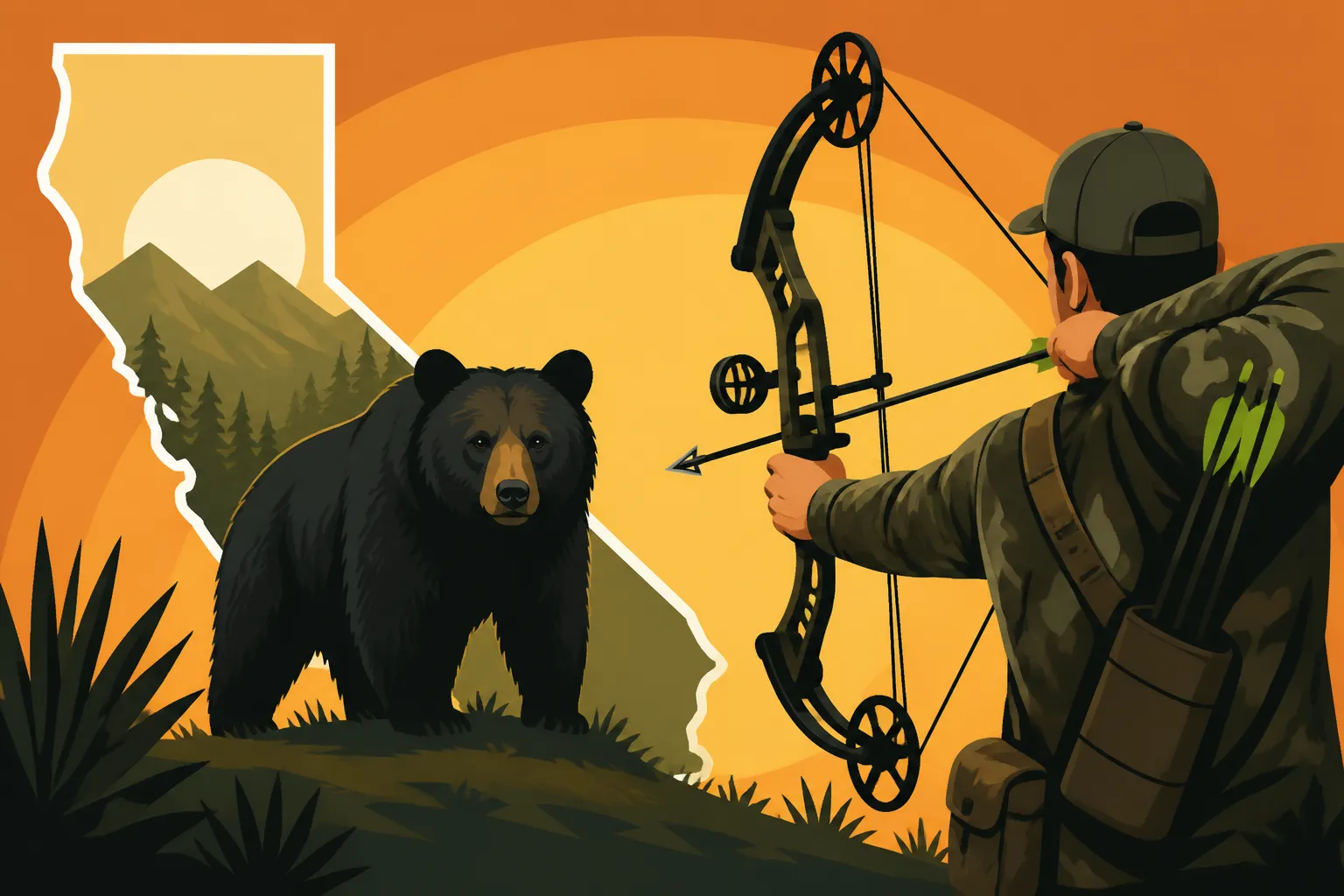
The thrill of chasing a black bear with a bow in hand through California's diverse landscapes is a unique experience, but the regulations around when and where you can actually draw your bow can feel like a tangled thicket. Many hunters find themselves scratching their heads over the exact opening and closing dates for archery bear season, especially with the added layer of a statewide quota always looming. This guide aims to untangle those complexities, giving you a clear roadmap to understanding California's bear archery season dates and how to prepare for your hunt.
Understanding California's Bear Archery Season Framework
California's approach to black bear hunting is often seen as one of the more tightly regulated in the West, and for good reason. The state manages its bear population carefully, using a combination of season dates and a hard quota to ensure sustainability. For archery hunters, this means not just knowing when your local deer zone opens for bowhunting, but also understanding the specific rules that apply only to bears. It's a system designed to spread hunting pressure and keep the bear population healthy, which ultimately benefits all of us who cherish these animals.
The Statewide Quota System for Black Bears
Perhaps the most critical piece of information for any California bear hunter, especially those considering archery, is the statewide quota. California sets an annual quota for the number of bears that can be harvested across the entire state, which is currently set at 1,700 bears. This number isn't just a suggestion; it's a hard cap. Once the California Department of Fish and Wildlife (CDFW) determines that 1,700 bears have been reported, or if the number of female bears harvested reaches 300, the season for all bear hunting—archery and general—will immediately close. This means your season can end early, sometimes much earlier than the published closing dates, if hunters are particularly successful. It adds a layer of urgency and requires hunters to stay constantly informed, which can be a real headache if you're not prepared.
Many hunters have experienced the frustration of planning a late-season bear hunt, only to find out the quota has already been met. This is why understanding California's 1,700-Bear Statewide Quota isn't just a recommendation; it's a necessity. It makes checking the current harvest numbers a critical part of your pre-hunt routine. Imagine you've spent months scouting a prime area in the Sierra Nevada, bought your bear tag, and finally have a weekend off, only to discover the season closed last Tuesday. It’s happened to more hunters than you might think, and it's a tough pill to swallow.
Key Archery-Specific Dates and Areas
While bear hunting can technically begin with the earliest deer archery seasons, there's a dedicated archery-only season for bears. This special season typically opens on the last Saturday in August, regardless of what deer zone you're in. This gives bowhunters an exclusive window before the general rifle seasons kick in, often when bears are still actively feeding on berries and acorns, making for some excellent spot-and-stalk opportunities. However, it's crucial to remember that this archery-only period is still subject to the statewide quota.
For example, the California Bear Archery Season Opening Day usually falls around the third or fourth week of August. This can be a fantastic time to be in the woods, as bears are often focused on prime food sources before the intense fall feeding frenzy truly begins. You'll find yourself sharing the woods with other archery deer hunters, adding to the camaraderie, but also potentially increasing localized pressure. This archery season generally runs concurrently with certain deer archery seasons in various zones, but it always has its own specific closing date, usually extending into mid-September, unless that statewide quota is met. Always consult the official CDFW regulations for the precise dates, as they can shift slightly year to year. Remember, for the majority of areas, you can hunt bears during any deer season, with the legal weapon for that season, after the dedicated bear archery season opens and before the quota is met.
Navigating the Complexities of Bear Season Regulations
California's hunting regulations are renowned for their intricacies, and bear season is certainly no exception. It's not just about knowing the dates; it's about understanding the "why" behind those dates and the additional rules that impact your hunt. Many hunters, especially those new to the state or those coming from other regions, find the layers of restrictions challenging to navigate. You might be an experienced archer, but California adds specific conditions that make success here truly feel earned.
Why Archery Dates Differ from General Season
The distinction between archery-only season dates and the general bear season dates is primarily designed to provide bowhunters with a dedicated opportunity. This special archery window, which often opens before the general rifle season, acknowledges the increased challenge and lower success rates typically associated with archery hunting. It gives bowhunters a "head start," allowing them to pursue bears in conditions where the animals might be less wary due to reduced human presence and noise compared to the general rifle opener. Think of it as a strategic management tool to balance opportunity with conservation.
The general bear season, on the other hand, usually aligns with or follows the general rifle deer seasons in specific zones. For example, while the archery bear season might open in late August, the California Bear General Season Dates could extend well into December in some areas, or even into January in certain zones, provided the statewide quota isn't reached. This extended general season allows a much broader range of hunters to participate, using firearms appropriate for big game. The different opening dates create distinct hunting experiences: the early archery season is often hot and dry, requiring stealth and patience, while the later general season might involve colder weather, rain, or even snow, pushing bears into different feeding or denning patterns.
Mandatory Non-Lead Ammunition Requirements
One of the most significant regulations impacting all big game hunters in California, including bear hunters, is the statewide requirement for non-lead ammunition. This isn't just a suggestion; it's a legal mandate that has been fully phased in. Regardless of where you're hunting in California, you must use non-lead projectiles for any big game, including black bears. This law was implemented to protect scavenging wildlife, particularly the California condor, from lead poisoning. For many, this has meant adjusting their choice of bullet, re-zeroing their rifles, and often paying a bit more for ammunition.
This regulation can be particularly frustrating for hunters who have a tried-and-true lead-core load that performs perfectly in their rifle. However, there's no way around it. You need to ensure your arrows are also fully lead-free. While the focus is often on rifle bullets, it's important to remember that broadheads, if they contain lead, are also prohibited. Ensure your broadheads are constructed entirely of steel, copper, or other non-lead materials. Understanding California's Non-Lead Ammunition Requirement and making the switch well before your hunt is critical, not just for compliance but for ethical hunting. Many manufacturers like Barnes, Hornady, and Federal offer excellent non-lead options that perform incredibly well. It's not just about finding any non-lead ammo, but finding the right non-lead ammo for your specific setup.
Preparing for Your California Archery Bear Hunt
Success in archery bear hunting in California isn't just about knowing the dates; it's about meticulous preparation, from the gear you carry to the strategies you employ. Bears are intelligent and adaptable animals, and hunting them with a bow requires a deep understanding of their habits and a commitment to stealth and precision. You can't just show up and expect to get lucky; you need a solid plan.
Essential Gear and Bow Setup Considerations
Your gear is your lifeline in the field, and for an archery bear hunt, every piece needs to be reliable and perfectly suited to the task. First and foremost, your bow setup needs to be dialed in. Ensure your bow has enough kinetic energy to deliver a lethal blow to a bear, which are notoriously tough animals. This means selecting the right arrow weight and broadhead combination. For California Blacktail, a lighter arrow might suffice, but for bears, you want something robust. Consider a solid fixed-blade broadhead designed for deep penetration, and practice extensively with your chosen setup to ensure consistent accuracy. Checking the regulations for Legal Weapons During California Archery Season is also vital, as there are minimum draw weight and arrow length requirements.
Beyond the bow, think about the rest of your kit. A good pair of lightweight yet durable boots is essential for navigating California's varied terrain, from steep chaparral-covered hillsides to dense timber. Layered clothing is crucial, as early archery season days can start chilly and become scorching hot by midday. Investing in quality optics, like binoculars and a rangefinder, is incredibly important for locating bears and accurately judging distances in Spot-and-Stalk Bear Hunting a Berry Patch scenarios. Don't forget a reliable pack capable of carrying not only your day's essentials but also a good portion of bear meat if you're successful. Many seasoned hunters utilize digital mapping tools like GoHunt to scout and mark potential bear feeding areas, water sources, and travel corridors, which can be an invaluable asset.
Scouting and Strategy for Early Season Bears
Early season bear hunting, particularly during the archery-only window, hinges heavily on effective scouting and understanding bear behavior. Bears in late summer and early fall are primarily driven by food. They are calorie-loading for hibernation, so identifying their preferred food sources is paramount. This often means focusing on areas with abundant berry crops like manzanita, elderberry, or huckleberry, or where acorns are just starting to drop. Look for fresh scat, torn-up logs from grub hunting, or disturbed vegetation indicating recent feeding activity. Using tools like GoHunt can help you overlay historical data with current forage conditions, guiding your scouting efforts more efficiently.
Your strategy will likely involve extensive glassing at dawn and dusk from elevated positions, followed by careful spot-and-stalk approaches. Bears have incredible senses of smell and hearing, so wind direction is your absolute best friend and worst enemy. Always approach from downwind, move slowly and deliberately, and be prepared to wait. Bears can be active throughout the day, especially in dense cover or during cooler periods, but they are often most vulnerable during the early morning and late evening as they feed. Knowing where bears like to bed after a morning feed, often in thick brush or north-facing slopes, can also lead to opportunities. Remember, patience is the ultimate virtue in archery hunting, particularly for bears.
How to Stay Informed and Compliant
Hunting in California, especially for a quota-managed species like bears, demands active engagement with the regulations and real-time updates. It's not a set-it-and-forget-it kind of hunt. The responsibility falls squarely on the hunter to know the rules and to follow the current status of the season. Ignoring these critical steps can lead to the disappointing realization that your hunt is over before it even begins, or worse, legal trouble.
Checking the Bear Quota Status
This cannot be stressed enough: always check the bear quota status before heading out on your hunt, and ideally, daily if you're in the field for an extended period. Because the California bear season closes statewide once 1,700 bears are harvested, or 300 females are taken, the season can end abruptly. CDFW provides a dedicated hotline and website where they update the harvest numbers regularly. It's your responsibility to know the current tally. I've heard countless stories of hunters driving hours to their favorite spots, only to pull up the CDFW website on their phone (if they even have service) and see "Season Closed."
To avoid this crushing disappointment, make it a habit to check before you leave home, and again while you're packing up for the next day. The CDFW usually updates the numbers every few days, but during peak hunting periods, it can change quickly. Tools and platforms like GoHunt often integrate these real-time updates, making it easier for you to track the quota alongside your scouting data. It’s better to be overly cautious than to accidentally take a bear after the season has closed. Ignorance of the closure is not a valid defense.
Reporting Your Harvest Accurately
If you are fortunate enough to harvest a bear, congratulations! But your responsibility doesn't end there. California has strict requirements for reporting your bear harvest, and failing to do so correctly and within the specified timeframe can lead to fines and loss of hunting privileges. All successful bear hunters are required to report their harvest to the CDFW immediately. This is how the department tracks the quota and determines when to close the season.
When you purchase your bear tag, it will include instructions on how to report. Typically, this involves calling a specific CDFW phone number or using their online harvest reporting system. You'll need to provide details such as the date and location of the kill, the bear's sex, and your tag number. Additionally, within 10 days of harvesting your bear, you must present the skull to a CDFW office for inspection, where a tooth will be extracted for aging purposes. This crucial biological data helps the department manage the population effectively. Make sure you understand all the requirements for Checking Whether the Bear Quota Has Closed and subsequent reporting, as it’s a vital part of ethical hunting in California.
Beyond the Dates: Applying for Tags and Licenses
While understanding the bear archery season dates is fundamental, it's just one piece of the larger puzzle of legal and ethical hunting in California. Before you even think about setting foot in the woods, you need to ensure you have all the necessary permits and documentation. This process can sometimes feel overwhelming, but it's a critical step that cannot be skipped.
Securing Your California Hunting License and Bear Tag
To hunt bears in California, you first need a valid California hunting license. This is your foundational permit that allows you to hunt any legal game species in the state. If you're a resident, you'll pay one fee; if you're a nonresident, it's a different, typically higher, cost. You can purchase your California Hunting Licenses and What They Cost through the CDFW's online licensing portal, at a licensed agent (like a sporting goods store), or a CDFW license sales office. Don't wait until the last minute, especially if you're new to the system, as there can sometimes be unexpected hurdles or questions.
Once you have your base hunting license, you'll need to purchase a specific bear tag. This is an additional tag that is required for bear hunting. The California Bear Tag Costs also vary by residency. Unlike some other big game species in California, bear tags are generally available over the counter, meaning you don't typically have to apply through a draw system like you would for premium deer or elk tags. However, you can only purchase one bear tag per license year. Make sure your license and tag are valid for the current hunting year, and carry them with you at all times while hunting, along with a valid form of identification.
Understanding the Big Game Drawing for Other Species
While bear tags are over-the-counter, it's worth noting that California has a robust and often competitive big game drawing system for other highly coveted species. If you're passionate about hunting in California, you'll likely encounter the drawing system when pursuing species like Tule elk, Roosevelt elk, Rocky Mountain elk, or some of the premium X-zone deer tags. For example, applying for a California Tule Elk Tag in the Big Game Drawing involves a separate application process and a points system that can take years to build up.
Even if your primary focus is bear archery, understanding how the California Big Game Drawing Explained works can be beneficial. It helps you grasp the overall management philosophy for big game in the state and might inspire you to apply for other opportunities in the future. Many hunters use tools like GoHunt to research draw odds and unit breakdowns for these more complex applications, which can be incredibly helpful in developing a long-term hunting strategy in California. Knowing these systems exist, even if you're not participating in them this year, provides a fuller picture of California's hunting landscape.
Essential Bear Archery Season Information
To help simplify some of the key details we've discussed, here's a table summarizing critical information for California bear archery hunters. Always cross-reference with the official CDFW regulations before your hunt, as specific dates or quota numbers can change.
| Aspect | Detail | Importance |
|---|---|---|
| Archery Opener | Last Saturday in August (e.g., August 24, 2024, or August 30, 2025) | Marks the start of the dedicated archery-only bear season. |
| Archery Closer | Mid-September (e.g., September 15th), OR when statewide quota is met, whichever comes first. | Final date for archery-only hunting; always check quota. |
| Statewide Quota | 1,700 total bears harvested OR 300 female bears harvested | CRITICAL: Season closes IMMEDIATELY once this limit is reached. |
| Non-Lead Ammo | 100% required for ALL big game hunting, including bear (arrows, broadheads, bullets). | Legal mandate; carries penalties for non-compliance. |
| Reporting Harvest | Mandatory immediate phone or online report; skull inspection at CDFW office within 10 days. | Essential for quota tracking and biological data collection. |
| Required Permits | Valid California Hunting License + California Bear Tag | Foundation for legal hunting; must be carried afield. |
| Recommended Tool | CDFW Bear Harvest Hotline/Website, GoHunt (for scouting, quota tracking) | Keeps you informed on real-time quota status and enhances strategy. |
Disclaimer
Please remember that hunting regulations, season dates, and quotas can change. While every effort has been made to provide accurate and up-to-date information, it is the hunter's sole responsibility to consult the current California Department of Fish and Wildlife (CDFW) regulations and proclamations before engaging in any hunting activity. This guide is for informational purposes only and does not supersede official state regulations.