California Zone C General Season Dates
Navigating California's deer hunting zones can feel like trying to solve a puzzle with half the pieces missing, especially when you're just trying to figure out when and where you can actually hunt. For many, understanding the nuances of zones like Zone C and its specific general season dates is a major hurdle. This comprehensive guide is here to untangle that complexity, providing you with all the essential details about the California Zone C general deer season, what to expect, and how to prepare for a successful hunt.
Understanding California's Deer Zone System
California’s deer hunting system, with its myriad of zones, can be incredibly intimidating for both new and seasoned hunters alike. It’s not just a simple statewide opener; instead, the California Department of Fish and Wildlife (CDFW) has divided the state into various zones, each with its own set of rules, season dates, and even deer management objectives. This complexity is born from the state's vast and diverse geography, ranging from high Sierra peaks to arid deserts and dense coastal chaparral, all home to different deer subspecies and populations. You might be wondering, "Why California's Zones Open on Different Dates?" and the answer lies in managing these distinct ecosystems and deer herds effectively.
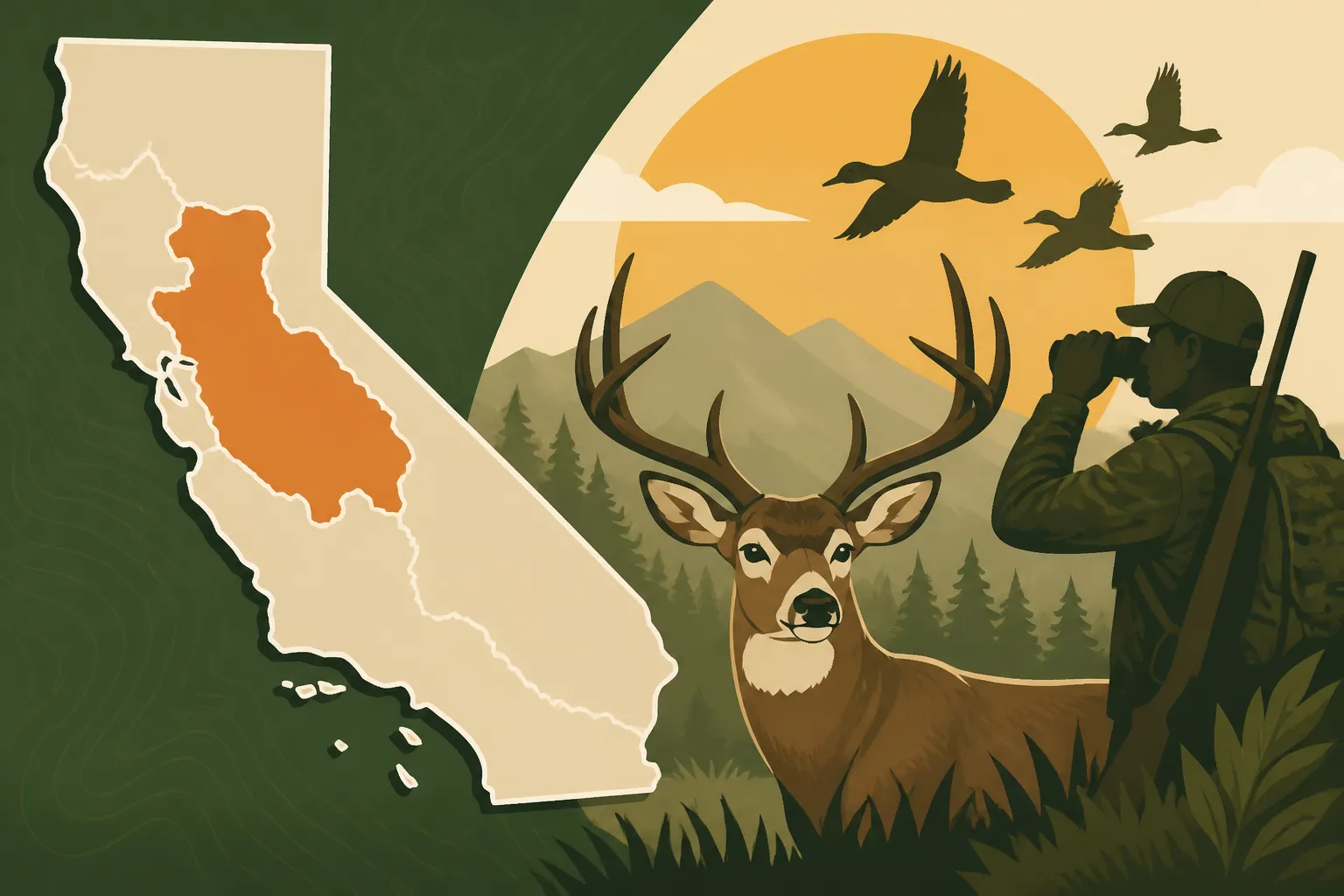
The primary frustration for hunters often stems from trying to keep all these moving parts straight. One zone might open in August, another in September, and yet another in October. It's enough to make your head spin! This multi-zone approach, outlined in publications like California's Multi-Zone Deer Season System, aims to distribute hunting pressure, account for varying rut timings, and respond to local habitat conditions. Zone C is a significant part of this system, encompassing a large swath of central and northern California. Knowing Which Zone Covers Your California County is the first step in unlocking your hunting opportunities.
Diving Deep into California Zone C General Season Dates
For many California deer hunters, Zone C represents a fantastic opportunity, often offering accessible public lands and a solid deer population. The general season in Zone C is specifically for rifle hunters, though archery season often precedes it. It’s absolutely critical to confirm the exact dates each year, as they can sometimes shift slightly based on CDFW regulations, but generally, you can anticipate the Zone C general season to kick off in mid-September and run through mid-October.
For instance, looking at recent regulations, the 2024 general season for Zone C is scheduled from September 14th to October 27th. This timeframe means hunters have several weeks to pursue deer during a period when the bucks are typically out of velvet and actively feeding, although the rut is still some weeks away. These dates are meticulously chosen by the CDFW, considering factors like historical deer behavior, hunter success rates, and the need to manage populations sustainably. The season is timed to coincide with cooler weather following the late summer heat, making for more comfortable hunting conditions and more active deer. This is the prime window for Hunting the Zone C Rifle Season in October, which many hunters eagerly anticipate.
During this general season, most of the legal take will be for antlered deer, typically "forked-horn or better," although it's always wise to double-check the specific antler point restrictions for your tag. Understanding these nuances and securing your California Deer Tag Costs by Residency is part of the essential planning process.
Key Considerations for Zone C Deer Hunters
Hunting in California's Zone C during the general season requires more than just knowing the dates; it demands thorough preparation, understanding regulations, and adapting your tactics to the specific environment.
Tagging and Application Process
Obtaining a deer tag for Zone C is generally a straightforward process, though it's linked to the annual big game drawing. Zone C tags are considered "general" tags and are typically available over-the-counter once the California Big Game Drawing results are released, assuming there are any left. This means that if you don't draw a premium tag (like an X-zone tag), you still have a good chance to purchase a Zone C tag.
However, demand for these tags can be high, and while they aren't as difficult to acquire as some of the premium draw-only zones, it's still best practice to apply for your license and tag as soon as possible. The initial application period for California Hunting Licenses and What They Cost usually opens in April, with the draw results typically announced in June. If you miss the draw or don't participate, you can often pick up Zone C tags directly from CDFW license agents or online. Always confirm the exact process and availability well in advance, and check the CDFW website for the most current information. Tools like GoHunt can be invaluable for researching tag quotas, draw odds, and finding detailed unit information, helping you make informed decisions before and after the draw. After a successful hunt, remember your California Deer Reporting Requirements, which are mandatory for all harvested deer.
Gear and Tactics for Zone C
Zone C encompasses a diverse landscape, from dense oak woodlands and chaparral in the foothills to more open timbered areas in higher elevations. This means your gear and tactics need to be versatile.
For boots, you'll want something sturdy and supportive for navigating varied terrain. Lightweight, breathable boots are often preferred for the warmer early-season days, transitioning to more waterproof options if the weather turns. Layering your clothing is crucial; mornings can be chilly, but midday hikes can quickly warm you up, especially in the oak country. Camo patterns that blend with greens and browns, like those found in coastal range oak woodlands, will serve you well. Optics are non-negotiable for success. A good pair of binoculars, like an 8x or 10x, is essential for glassing distant hillsides or peering into shaded draws, particularly if you're hunting more open areas. A quality rangefinder is also vital for making ethical shots on uneven ground.
When it comes to your rifle, remember California's Non-Lead Ammunition Requirement is statewide. Ensure your chosen caliber and bullet are effective for deer. Many hunters opt for popular calibers like .270, .308, or 6.5 Creedmoor, all of which have excellent non-lead options available. As for tactics, still-hunting California's Sierra Nevada Timber or patiently waiting near water sources or well-used game trails are common and effective methods. Early season often finds bucks still in their summer patterns, focusing on food and water, so scouting for these resources beforehand is critical. Glassing Mule Deer in Open California Country can also be productive in certain areas of Zone C.
Public vs. Private Land Access
One of the great advantages of Zone C is the relatively abundant public land available, particularly within National Forests and BLM lands. However, "public land" doesn't always mean easy access. You'll need to research specific areas, understand regulations regarding vehicle access, and be prepared to walk in to find undisturbed hunting grounds. Websites like GoHunt or dedicated mapping apps with public land overlays (like onX Hunt) are indispensable for identifying huntable parcels and understanding property boundaries.
Even on public land, hunting pressure can be significant, especially during opening weekend. Many successful hunters find solitude by venturing further from trailheads and roads, often combining elements of still-hunting and careful glassing. For those interested in private land, securing Getting Private Land Permission in California can open up additional opportunities, though this often requires networking with landowners well in advance of the season. Remember, whether on public or private ground, always verify local regulations, especially concerning camping, fire restrictions, and any seasonal area closures due to wildfires or other issues. Don't forget to put in the time Scouting California Public Land Before Season to find those less pressured honey holes.
Here's a quick overview of Zone C's key dates and considerations:
| Season Type | Dates (Approx. 2024) | Tag Type | Weapon Type | Key Considerations |
|---|---|---|---|---|
| Archery Season | Aug 17 – Sept 8 | General Deer Tag | Archery | Precedes general season; often warmer, less pressure |
| General Season | Sept 14 – Oct 27 | General Deer Tag | Rifle | Primary rifle season; non-lead ammo required |
| Late Season (A-C-D-X) | Nov 9 – Nov 24 | Specific Draw Tag | Rifle | Very limited, high-country, premium draw opportunity |
Please note: Dates are approximate and subject to change annually by CDFW. Always confirm current regulations.
Staying Informed and Planning Your Hunt
The world of California hunting regulations is constantly evolving, with everything from season dates to CWD testing requirements and ammunition laws subject to change. This is why staying informed is paramount. Always, and I mean always, refer to the official California Department of Fish and Wildlife (CDFW) website and their current hunting regulations booklet. These are the definitive sources for all legal information.
Beyond the official channels, resources like GoHunt offer a wealth of information, from tag draw odds and unit breakdowns to mapping tools and community forums where hunters share insights (always verify information with CDFW, of course!). Subscribing to CDFW newsletters or alerts can also keep you updated on critical changes, such as unexpected area closures due to wildfires, which can severely impact your hunt plans.
Remember, California's Non-Lead Ammunition Requirement is a statewide mandate for big game and will significantly impact your gear choices if you're a rifle hunter. Additionally, be aware of California's Two CWD Testing Zones, which have mandatory sampling requirements for deer harvested within them. Being prepared means not just knowing the dates but understanding all the regulations that govern your hunt. A well-planned hunt is a safer, more ethical, and ultimately, more successful hunt.
Disclaimer
The information provided in this article is for general guidance and informational purposes only and does not constitute legal advice. Hunting regulations in California are subject to change and vary by zone, species, and year. It is the hunter's sole responsibility to consult the most current official California Department of Fish and Wildlife (CDFW) regulations and any local ordinances before engaging in any hunting activities. Always ensure you possess the correct licenses, tags, and understand all applicable laws.