Applying for a California Tule Elk Tag in the Big Game Drawing
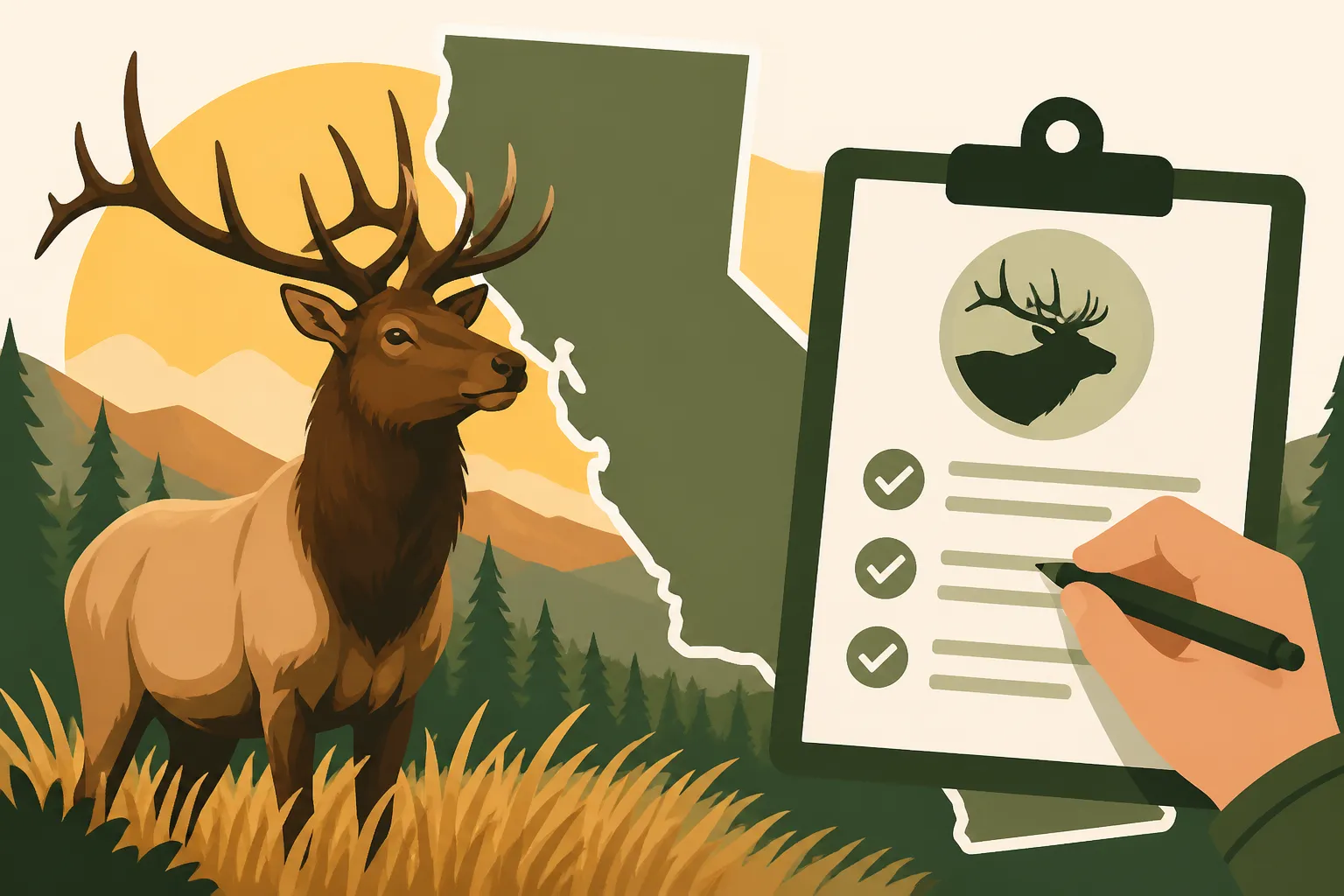
Trying to draw a California Tule Elk tag can feel like you're playing a high-stakes lottery, where the odds are often stacked against you, and the application process itself can be a maze of dates, fees, and unit choices. It's a truly unique opportunity to hunt a species brought back from the brink, but getting that golden ticket requires strategy, patience, and a deep understanding of the California Department of Fish and Wildlife (CDFW) system. This guide will walk you through the ins and outs of applying for a Tule Elk tag through the California Big Game Drawing, helping you understand the process, improve your chances, and explore your options if the drawing doesn't go your way.
Understanding the Tule Elk Tag System in California
Let's be honest, hunting Tule Elk in California is a dream for many, and for good reason. These magnificent animals, found exclusively in California, are a testament to incredible conservation efforts. But with that exclusivity comes extreme demand, making Tule Elk tags some of the most sought-after permits in the state. Understanding why these tags are so rare and how the hunt units are structured is your first step.
The Rarity of a Tule Elk Tag
The truth is, Tule Elk tags are incredibly difficult to draw. Their population, while a remarkable recovery story, is still carefully managed to ensure sustainability. This means very few tags are issued each year compared to the number of eager applicants. Many hunters go a lifetime without drawing one, and it's not uncommon to hear stories of folks with decades of preference points still waiting for their turn. This scarcity creates a system where every application is a gamble, but one many of us are willing to take for the chance at such an iconic animal.
The limited number of tags is a direct reflection of the Tule Elk population recovery from near-extinction. At one point, there were fewer than ten Tule Elk remaining in California. Thanks to dedicated efforts, their numbers have rebounded to several thousand today, but each herd is managed meticulously. This careful stewardship, while fantastic for the animals, means a tight leash on hunting opportunities, resulting in very low California Tule Elk draw odds. It’s a bitter pill to swallow when you're dreaming of a hunt, but it’s essential for the species' long-term health.
Tule Elk Hunt Zones and Unit Selection
California’s elk tags, including those for Tule Elk, are allocated to specific hunt zones or units, each with its own unique characteristics, tag quotas, and often, varying draw odds. These zones are typically named after the geographic areas they encompass, like Grizzly Island, La Panza, or Owens Valley. When you apply, you're not just applying for "a Tule Elk tag"; you're applying for a tag within a specific unit for a specific hunt period (archery, rifle, either-sex, bull-only, etc.).
Choosing which unit to apply for is a critical decision, and it’s where many hunters spend countless hours poring over past hunt statistics. Some units are known for larger bulls, others for higher success rates, and some simply have slightly better draw odds due to a higher tag quota or fewer applicants. Researching these units thoroughly, understanding their terrain, and knowing what kind of hunt they offer is paramount before submitting your application. Tools like GoHunt's Insider service can provide invaluable data and analytics to help you make these informed decisions.
California's Preference Point System
California uses a preference point system for its big game drawings, and for Tule Elk, these points are your most valuable currency. For every year you apply for an elk tag (or bear, or deer, depending on the species) and are unsuccessful in drawing your first choice, you accumulate one preference point. These points don't guarantee you a tag, but they improve your chances in subsequent drawings, especially for highly coveted tags like Tule Elk.
The system is designed to reward loyalty and persistence. When the draw is conducted, tags are allocated in rounds. Applicants with the highest number of preference points are considered first. If there are more applicants with the maximum points than available tags, a random drawing occurs among those top-point holders. Once that tier is exhausted, the next highest point group is considered, and so on. Understanding this system is key to a long-term strategy for drawing a premium tag; it means if you want a Tule Elk tag, you're in it for the long haul. You also need to pay attention to the application window for acquiring a point, as even if you can't afford a full tag application one year, you can often buy a point only for a lower fee to keep your streak alive.
Navigating the California Big Game Drawing
Applying for a Tule Elk tag isn't just about wishing on a lucky star; it's a procedural journey with specific steps, critical deadlines, and a few nuances you need to be aware of. The CDFW's online application portal is your primary tool, but knowing how to use it effectively is crucial.
The Application Process Step-by-Step
The application process usually begins in the spring, typically in April or May, and closes in early June. First things first, you need a valid California hunting license for the current season. You can purchase this through the CDFW's online portal or at a licensed vendor. Once you have your license, you'll log into your CDFW account, navigate to the "Big Game Drawing" section, and select the elk drawing. This is where you'll make your choices for Tule, Roosevelt, or Rocky Mountain Elk.
You'll be prompted to select your first, second, third, and fourth hunt choices for elk. It's incredibly important to research these choices beforehand, considering unit boundaries, hunt dates, and the specific type of tag (e.g., bull archery, either-sex general). You'll also declare whether you want to participate as an individual or part of a party. Double-check every entry before submitting, as errors can invalidate your application or significantly reduce your chances. The final step is payment of the California Elk Application Fee, which covers the cost of the tag itself and a small processing fee. If you're unsuccessful, the tag fee is usually refunded, but the processing fee is not.
Key Deadlines and Fees
Missing a deadline in the California Big Game Drawing is one of the most disheartening mistakes a hunter can make, effectively shutting down your chances for that season. The California Elk Application Deadline typically falls in early June, usually the first Tuesday. This isn't a hard and fast rule, so always check the current year's CDFW Big Game Hunting Regulations booklet or their website for precise dates. I've known friends who missed it by a day, thinking it was the second Tuesday, and had to wait another year. Don't let that be you!
| Application Component | Typical Deadline | Cost (Resident, approximate) | Notes |
|---|---|---|---|
| Hunting License | Prior to application | $60.00 | Required to apply for any big game tag |
| Elk Application Submission | Early June | $8.13 | Non-refundable processing fee per application type (elk, deer, bear) |
| Tule Elk Tag Fee | Due upon application | $490.00 | Refunded if unsuccessful in drawing; held during the draw |
| Preference Point Only | Early June | $8.13 | If you don't want to risk the full tag fee, but want to earn a point |
Note: Costs are approximate for 2024 and subject to change. Always verify current fees with CDFW.
The fees, especially the cost of the actual Tule Elk tag, are held by CDFW during the drawing period and only processed if you are successful. If you don't draw, that money is returned to you, minus the non-refundable application fee. This setup can sometimes strain the wallet for a few months, especially if you apply for multiple species, but it’s a necessary part of the process.
Understanding Tag Types and Hunter Choice
Within the Tule Elk units, you'll find different tag types. Some are "bull-only" tags, meaning you can only harvest a male elk. Others are "either-sex" tags, allowing you to take a bull or a cow. There are also specific "archery-only" hunt periods and general weapon seasons. Your choice of tag type within a unit significantly impacts your draw odds and the kind of hunt you'll have. For example, either-sex tags are often the most difficult to draw due to their flexibility, while some specific archery-only periods might offer slightly better odds but require a different skill set.
Carefully consider your hunting preferences and capabilities when selecting tag types. Are you primarily an archer? Then a dedicated archery hunt might be a great option, even if the odds are still tough. Do you prefer rifle hunting and the opportunity to fill your freezer with an either-sex tag? Be prepared for even stiffer competition. The California's Multi-Zone Deer Season System article provides a good overview of how various tag types and weapon restrictions impact hunt planning, which can be applied conceptually to elk as well. Each choice you make on your application has strategic implications for your potential success and the experience you'll eventually have afield.
Maximizing Your Odds: Strategies for Tule Elk Applications
Given the steep competition for Tule Elk tags, simply applying isn't enough; you need a strategy. This involves understanding how to build your preference points, conducting thorough research, and even considering how party applications play into the game.
Building Preference Points Strategically
Since California's drawing system heavily favors those with more preference points, your primary long-term strategy for a Tule Elk tag is to consistently apply every single year, accumulating points. Even if you know your current point total won't draw you a tag this year, paying the small application fee just to earn a point is a smart move. Think of it as investing in your future hunt opportunities. Many hunters choose to only apply for a "preference point only" for several years, saving the larger tag fee until they have enough points to be in contention for their desired unit.
Another facet of this strategy involves understanding your desired unit's point creep. Point creep refers to the gradual increase in the number of points required to draw a tag in a popular unit each year. This means that if a unit took 15 points to draw last year, it might take 16 or 17 points this year. You need to stay informed about these trends. Websites and applications like GoHunt provide incredibly detailed draw odds and point data, allowing you to track these trends and apply more intelligently. They often break down California Tule Elk draw odds by unit and tag type, showing you exactly what it took to draw in previous years.
Researching Hunt Success Rates and Population Trends
Beyond just draw odds, it's vital to research the actual hunt success rates for the units you're interested in. A unit might have slightly better draw odds, but if the success rate is incredibly low, is it truly a better choice? CDFW publishes harvest statistics annually, which detail how many hunters were successful in each unit. This data, combined with information on herd health and population trends, paints a clearer picture of what to expect if you do draw.
Consider factors like terrain, public land access, and typical weather conditions during the hunt. Some Tule Elk units are on private land with limited access, while others are on expansive public lands. Knowing the landscape can inform your decision. For example, the Hunting California's Sierra Nevada High Country article, while about deer, offers insights into the challenges and strategies for hunting rugged public terrain that might apply to some elk units. A unit with a high success rate might indicate more accessible terrain, a healthy elk population, or better overall hunting conditions. Conversely, a unit with a low success rate could mean very challenging hunting, even if you manage to draw a tag.
Considering Party Applications and Group Dynamics
California allows hunters to apply as a party, typically up to four individuals. This can be a double-edged sword. When applying as a party, the system uses the average preference points of all applicants in the group, rounded down. This means if you have high points and apply with a friend who has zero, your combined average will be much lower, potentially hurting your chances.
However, party applications can be beneficial if everyone in the group has a similar, high number of preference points. It essentially pools your collective odds. For instance, if four hunters each have 20 points, their party application will be considered at the 20-point level (average rounded down is still 20). If only one of them needs to draw a tag, it theoretically increases the chance that someone in the group will get one, assuming you're all applying for the same hunt choice. It's a strategic decision that needs careful thought and honest conversations about everyone's point totals and expectations.
Post-Drawing Steps: What Happens Next
Congratulations, you drew a Tule Elk tag! Now what? The process doesn't end with the drawing results. There are crucial steps to take to secure your tag and prepare for the hunt of a lifetime.
Checking Your Drawing Results
The CDFW typically releases big game drawing results in late June or early July. You’ll receive an email notification if you provided one, but many hunters, myself included, anxiously log into their CDFW account on the results day. The results will clearly state whether you were successful in drawing your first, second, third, or fourth choice, or if you were unsuccessful. If you drew, your tag status will be updated, and your payment will be processed.
It's a moment of truth that can bring immense excitement or a familiar sigh of disappointment. If you were successful, take a screenshot or print out your drawing results for your records. This confirmation is vital for the next steps in acquiring your physical tag. If you didn't draw, it's time to evaluate your strategy for next year, potentially adjust your unit choices, and confirm that you earned another preference point for your efforts.
Tag Acquisition and Validation
Once you've confirmed you drew a Tule Elk tag, CDFW will mail the physical tag to the address on your hunting license. This can take a few weeks, so patience is key. When it arrives, carefully review all the information on the tag to ensure it matches your drawn unit, hunt period, and personal details. The tag will come with specific instructions for validation, reporting, and proper attachment to your harvested animal.
Before you head into the field, you must validate your tag according to CDFW regulations. This usually involves signing it and carrying it with your hunting license. Remember that California has a non-lead ammunition requirement for all hunting, so ensure you have compliant bullets for your Tule Elk hunt. The article on Choosing Non-Lead Rifle Ammunition in California offers excellent guidance on selecting the right rounds for your caliber and ethical hunting practices. Proper tag validation and adherence to all regulations are non-negotiable to ensure a legal and ethical hunt.
Pre-Hunt Scouting and Preparation
Drawing a Tule Elk tag is just the beginning; the real work starts now. Effective pre-hunt scouting is paramount to success. This means studying maps, satellite imagery, and potentially making several trips to your chosen unit before the season opens. Look for water sources, bedding areas, travel corridors, and potential feeding grounds. Elk are creatures of habit, and understanding their movements in your unit will be invaluable. Resources like Scouting California Public Land Before Season can provide a great starting point for your research, offering tactics that translate well to elk country.
Your physical and mental preparation should also kick into high gear. Tule Elk often inhabit diverse and challenging terrain, from marshlands to rugged hills. Ensure your gear is in top condition – boots broken in, rifle sighted in with your non-lead ammunition, and pack loaded for success. Practice your shooting at various distances and angles, as elk can present fleeting opportunities. Having the right optics, like quality binoculars and a spotting scope, can be a game-changer for glassing these often elusive animals. A solid plan, good gear, and physical readiness will significantly increase your chances of a successful hunt.
Beyond the Drawing: Other Tule Elk Opportunities
Drawing a Tule Elk tag is tough, and many hunters will go years, if not decades, without success. But don't despair! There are other avenues to pursue a Tule Elk hunt in California, even if the general drawing hasn't favored you.
Landowner Tags
One of the most accessible alternative routes to hunting Tule Elk in California is through landowner tags. CDFW allocates a limited number of elk tags to private landowners who have substantial elk populations on their property. These tags are then typically sold by the landowners, often through hunting guides or outfitters, to hunters directly. While significantly more expensive than a drawn tag, they offer a guaranteed opportunity to hunt without waiting years in the preference point system. The article on Buying a Tule Elk Landowner Tag delves into the details and costs associated with this option.
Landowner tags can be a fantastic option for hunters who have the financial means and want to experience a Tule Elk hunt without the uncertainty of the draw. It’s also often a more guided experience, which can be invaluable for hunters new to elk hunting or those seeking a higher success rate. Just be sure to do your due diligence when researching outfitters and ensure they are reputable and operate legally within California's hunting regulations.
Drawing for Other Elk Species
While Tule Elk are unique to California, the state is also home to two other magnificent elk species: Roosevelt Elk and Rocky Mountain Elk. These species also have their own draw odds and hunt units, and while still competitive, they might offer a different set of challenges and opportunities.
If your primary goal is simply to hunt any species of elk in California, expanding your application choices to include Roosevelt or Rocky Mountain Elk can broaden your chances. Roosevelt Elk are found in the dense, wet forests of Northern California, offering a completely different hunting experience than the open country Tule Elk often inhabit. Rocky Mountain Elk are found in the northeastern part of the state, often in more mountainous, timbered terrain. The process for Applying for a Roosevelt Elk Tag in the Northwest or a Rocky Mountain Elk tag follows the same general rules as Tule Elk, involving the big game drawing and preference points. Diversifying your elk applications can keep your dreams alive even if the Tule Elk tag remains elusive.
Conservation and Fundraising Tags
Another, albeit very limited, opportunity to obtain a Tule Elk tag is through conservation and fundraising auctions. Organizations dedicated to wildlife conservation, often in partnership with CDFW, auction off highly coveted tags each year to raise funds for habitat improvement and wildlife management projects. These tags typically command very high prices, often tens of thousands of dollars, making them inaccessible to most hunters.
However, if you have the resources and a strong desire to contribute significantly to conservation while securing a guaranteed tag for a prime unit, these auctions are an option. It's a way to directly support the species you love to hunt, while fulfilling a hunting dream. Keep an eye on the websites of organizations like the California Deer Association or the Rocky Mountain Elk Foundation, as they are often involved in these types of fundraising efforts.
Final Thoughts on Your Tule Elk Journey
Applying for a California Tule Elk tag is truly a marathon, not a sprint. It demands patience, meticulous planning, and a deep respect for the animal and the conservation efforts that have brought it back. Whether you're just starting your journey, accumulating preference points year after year, or exploring alternative tag opportunities, the pursuit of a Tule Elk is an experience in itself. Stay persistent, stay informed, and enjoy every step of the process.
Disclaimer
The information provided in this guide is for general informational purposes only and does not constitute legal advice. Hunting regulations in California are complex and subject to change. Always consult the official California Department of Fish and Wildlife (CDFW) regulations booklet and website for the most current and accurate rules, seasons, and licensing requirements before engaging in any hunting activities.