Hunting an Unrestricted D-Zone Deer Tag
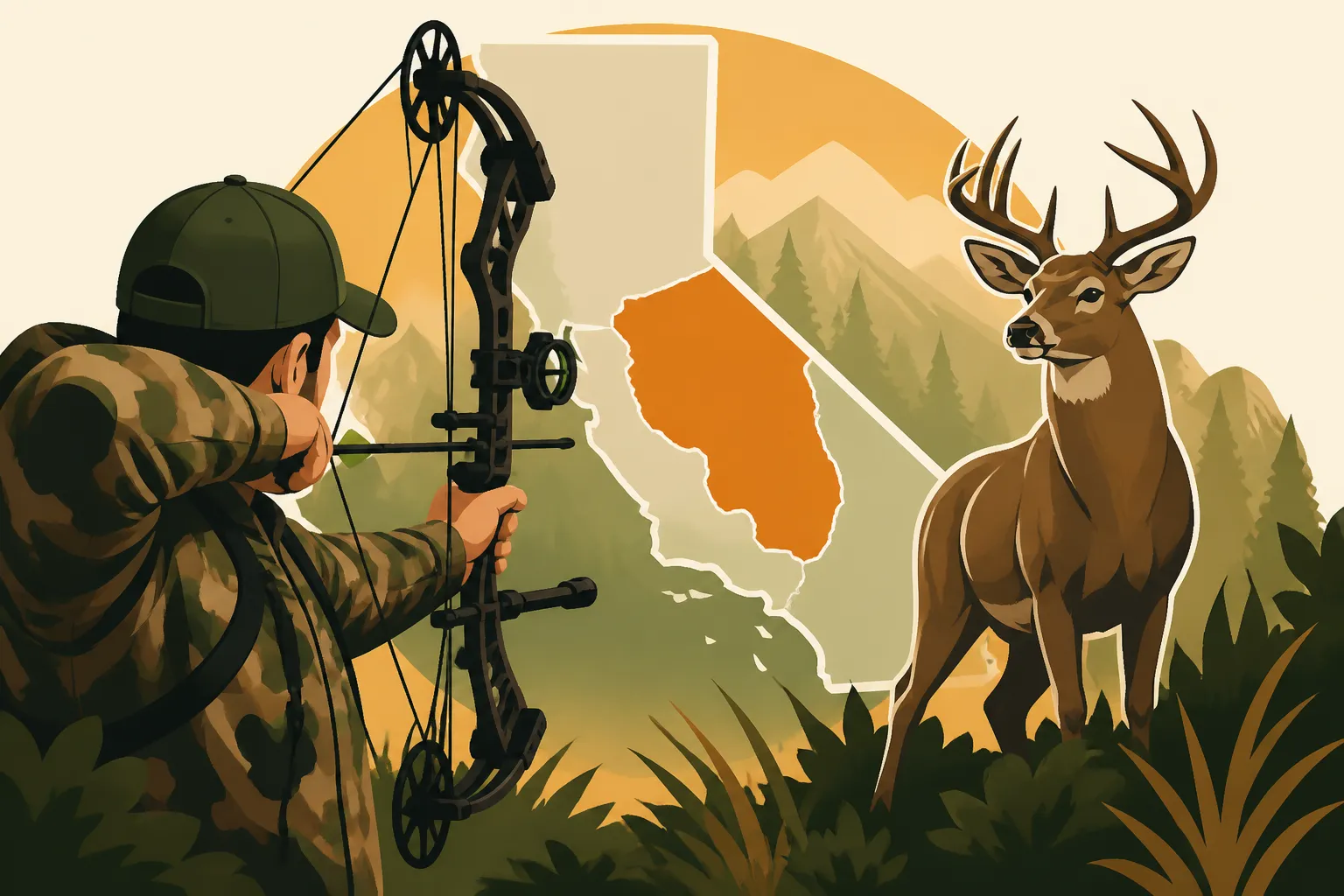
Hunting California's vast D-zones with an unrestricted tag can feel like a daunting task, especially when you're faced with endless maps and stories of crowded public land. It's a common frustration for many hunters, trying to figure out where to even begin in such expansive and diverse terrain. This comprehensive guide is designed to cut through that confusion, giving you the practical strategies and detailed insights you need to confidently pursue deer with your unrestricted D-zone tag, whether you're navigating steep Sierra foothills or brushing through coastal chaparral.
Understanding California's D-Zones and Unrestricted Tags
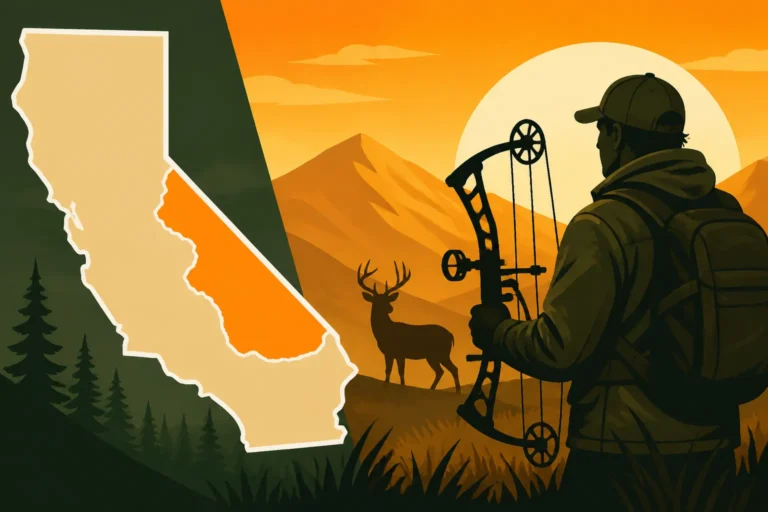
California's deer hunting landscape is broken into numerous zones, and the "D-zones" encompass a huge swath of the state, primarily covering the Sierra Nevada foothills, the inner Coast Ranges, and parts of Southern California. These zones are incredibly popular, and for good reason: they offer some of the most accessible hunting opportunities for residents and non-residents alike. But "accessible" doesn't mean "easy," especially when you're holding an unrestricted tag.
What "Unrestricted" Really Means in a D-Zone
When you get an "unrestricted" D-zone deer tag, it generally means you didn't have to go through the competitive drawing process like you would for a coveted X-zone tag. These tags are typically available over-the-counter or are easier to draw, making them a popular choice for many hunters. This accessibility is a double-edged sword, however. While it means more hunters can participate, it also translates to significantly higher hunting pressure, particularly on public lands close to road access.
The unrestricted nature allows you to hunt within the specified D-zone's general season dates, which can vary widely depending on the specific D-zone subunit. Some D-zones, like D6 and D7, cover significant portions of the Sierra foothills, while others extend into the central and southern coast ranges. Knowing Which Zone Covers Your California County is the first crucial step. The biggest challenge then becomes finding deer that haven't already been pushed into thicker cover by other hunters, or locating those less-pressured pockets where a buck might feel safe enough to move during daylight hours. It truly forces you to get creative and often, to work harder than you might in a more limited, draw-only zone.
General D-Zone Characteristics and Terrain
California's D-zones are incredibly diverse, stretching across a variety of ecological regions. You'll find everything from the classic oak woodlands and chaparral of the Sierra Nevada foothills to mixed conifer forests at higher elevations, and even some scrubland bordering the desert in the south. This varied terrain means your hunting approach needs to be flexible and adaptable.
Typically, in the lower elevations of the Sierra foothills, you'll encounter extensive stands of live oak, blue oak, and black oak, interspersed with thick manzanita and ceanothus chaparral. These areas provide excellent cover and food sources (especially acorns in good years) for blacktail deer, which are the primary species in most D-zones. As you move higher into the mountains, you'll transition into more mixed conifer forests of ponderosa pine, Douglas fir, and incense cedar, often with steep, rugged canyons and thick timber. Deer here might be a mix of blacktail and mule deer, particularly in transition zones Where Deer Hybridize in the Sierra Foothills. Understanding these transitions is key to anticipating where deer will be, whether they're seeking shade, food, or escape cover. The sheer scale and variability mean that one D-zone hunt might feel completely different from another, even within the same general region.
Pre-Season Scouting and Planning for D-Zones
Success in D-zones, especially with the added pressure, often boils down to thorough pre-season preparation. You can't just show up on opening day and expect to find unpressured deer. The deer in these areas are smart, and they've learned to avoid easy access points and human disturbance. Getting ahead of the game with diligent scouting and planning is paramount.
Leveraging Digital Tools for Public Land Access
In today's hunting world, digital mapping tools are absolutely indispensable, especially when tackling vast public lands in D-zones. Apps like GoHunt are a game-changer for identifying property boundaries, distinguishing between public and private land, locating water sources, and even pinpointing historical burn scars or specific vegetation types. Before you even set foot in the field, you can spend hours e-scouting, zooming in on potential bedding areas, travel corridors, and feeding grounds.
Look for less obvious access points that might require a longer hike, or areas that are geographically difficult to reach, as these often hold less pressured deer. Pay close attention to subtle terrain features like saddles, ridges, and creek bottoms – these are natural funnels where deer tend to travel. GoHunt can also overlay historical fire data, which is incredibly useful. Burn scars often provide new, nutritious forage in the years following a fire, attracting deer to areas that might have been less productive before. Learning how to read Reading Aerial Photos for Sierra Deer can save you countless hours of unproductive walking. By identifying key features and potential deer sign from the comfort of your home, you're building a solid strategy before you even pack your boots.
Identifying Key Deer Habitat and Movement Patterns
Once you've narrowed down some promising areas using your digital maps, it's time to understand what deer are actually looking for in that specific habitat. Deer, especially pressured ones, are always balancing their need for food, water, and cover. In D-zones, these elements can be scattered, making it crucial to identify where deer will find all three.
During the early parts of the season, which often fall in August or September for many D-zones, water sources are absolutely critical. Look for springs, seeps, and shaded creek bottoms that retain water. Deer will often bed close to water or travel to it during the cooler parts of the day. As the season progresses into fall, food sources become more important. If it's a good acorn year, deer will be focused heavily on oak stands, and finding Hunting After a Poor Acorn Year might require a shift in strategy. Thick chaparral and brushy draws provide excellent bedding and escape cover. Deer will use these dense areas to hide from predators, including hunters. Pay attention to how deer might move between these bedding areas and feeding grounds, always considering wind direction and thermals, especially in steep country. Understanding these patterns, even hypothetical ones based on scouting, allows you to anticipate where deer might be.
Hunting Strategies for Unrestricted D-Zone Tags
With the homework done, it's time to put boots on the ground. Hunting D-zones requires adaptability and often a willingness to abandon a plan if the deer aren't where you expect them. Pressure is a constant factor, so your tactics need to account for it.
Still-Hunting and Spot-and-Stalk in Varied Terrain
Given the diverse landscape of California's D-zones, you'll likely employ both still-hunting and spot-and-stalk techniques. Still-hunting, which is essentially hunting slowly and deliberately, pausing frequently to observe your surroundings, is incredibly effective in dense oak woodlands or thick chaparral. The key here is patience, taking one or two steps, then stopping for several minutes to glass thoroughly. Deer often blend seamlessly into their surroundings, so look for horizontal lines, flicking ears, or patches of contrasting color. Remember to always hunt into the wind, letting it carry your scent away from where you expect deer to be. In areas with steep canyons, mastering Wind and Thermals in Steep Sierra Country is critical, as air currents will shift throughout the day.
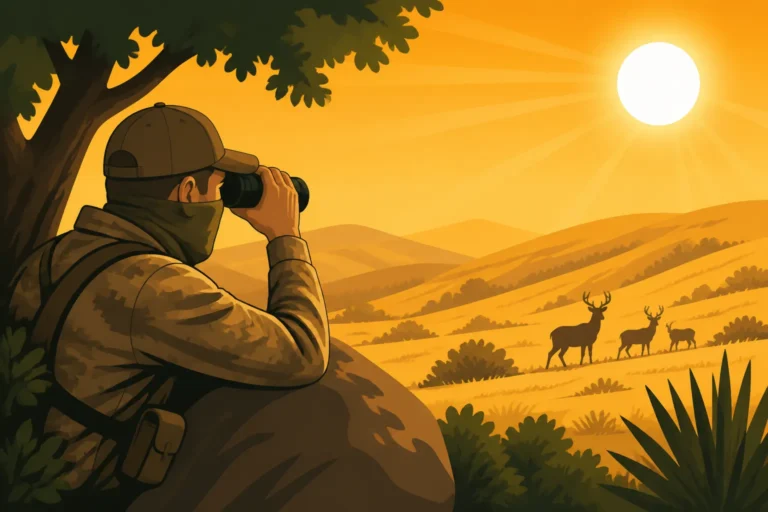
For more open, broken country, such as a large burn scar or rolling hills with scattered trees, spot-and-stalk becomes the primary method. This involves finding a good vantage point, often at first light, and using binoculars or a spotting scope to systematically glass distant hillsides and canyon bottoms. Pay close attention to shaded areas where a buck might be bedded during the day. Once you spot a deer, the stalk begins. This is where your knowledge of topography, wind, and deer behavior comes into play. You need to use every piece of cover available to close the distance undetected. This is a skill honed over many hours, and it’s why quality optics are so important for Glassing Mule Deer in Open California Country.
Exploiting Deer Movement During Peak Activity
Deer in D-zones, especially those that have been pressured, become primarily crepuscular, meaning they are most active during the twilight hours of dawn and dusk. This makes early morning and late evening some of your most productive hunting times. Get into your chosen hunting area well before first light, allowing time to get settled and for the woods to calm down after your approach. Position yourself to observe likely travel routes between bedding and feeding areas. A ridge-top saddle or a shaded creek bottom can be an excellent ambush point.
During the hotter periods of the early season, water sources become prime locations. Deer have to drink, and they will often move from thick cover to water in the early morning or late evening. Sitting near a water hole, especially one in a secluded draw, can be a highly effective Hot-Weather Sitting Strategy in August. As the season progresses and temperatures drop, focus shifts more to feeding areas. If acorns are plentiful, position yourself overlooking a mature oak stand. If not, look for other browse, like ceanothus or bitterbrush, in areas where deer have been observed feeding. Remember that heavily pressured deer will often move only under the cover of darkness, or just barely at first light and last light, so being in position and ready is paramount.
Gear and Logistics for a Successful D-Zone Hunt
Effective gear isn't just about comfort; it's about extending your time in the field, staying safe, and ultimately, increasing your chances of success. D-zones present unique challenges with their varied terrain and sometimes extreme weather conditions, making careful gear selection critical.
Essential Gear for D-Zone Conditions
First and foremost, your footwear is paramount. You'll be covering many miles over uneven, steep, and often brushy terrain. Good quality, broken-in hiking boots with excellent ankle support are non-negotiable. Look for waterproof options, as morning dew or unexpected rain can quickly turn a good day into a miserable one. Layering your clothing is also key. D-zone temperatures can swing wildly, from freezing mornings to scorching afternoons, even in the fall. Start with a moisture-wicking base layer, add an insulating mid-layer, and finish with a quiet, durable outer layer that offers protection from brush and wind.
Optics are your eyes in the field. A good pair of 10x binoculars is essential for scanning hillsides and identifying deer at a distance. A rangefinder is also crucial for ethical shot placement, especially in broken terrain where distances can be deceiving. Don't forget navigation tools: a reliable GPS unit or a smartphone with a downloaded mapping app (like GoHunt, which can function offline) is vital for staying oriented, marking locations, and avoiding private land. Also, carry enough water or a reliable water filter, as dehydration can be a serious threat, especially during Hunting a D-Zone That Opens in August in hotter climates. A well-stocked first aid kit and an emergency shelter are also wise additions, especially if you plan to get deep into the backcountry.
Field Care and Recovery in Remote Areas
The shot is made, and your buck is down. Now the real work begins. Proper field care is critical, especially in D-zones where temperatures can be high. You'll want to get the deer field dressed as quickly as possible to start the cooling process. Carry sharp knives, disposable gloves, and a robust game bag system. High-quality game bags are essential for protecting the meat from dirt, insects, and flies, and allowing air circulation to aid in cooling.
If you're in a remote, steep canyon, the thought of packing out an entire deer can be overwhelming. Quartering the animal is often the most practical approach. This involves breaking the deer down into its primal cuts – the two front shoulders, two hindquarters, backstraps, and tenderloins. A good quality backpack frame or game cart (if the terrain allows) can make the heavy lift much more manageable. Remember that California has specific California Deer Reporting Requirements that must be followed within the specified timeframe. Always ensure you have a plan for how you'll get the meat out of the field, especially if hunting solo, and consider the legality of Blood Trailing After Dark in California if the situation calls for it.
| D-Zone Scenario | Key Strategy | Essential Gear | Common Challenge |
|---|---|---|---|
| Early Season (Hot) | Water source focus, Dawn/Dusk | Light layers, Water filter, Game bags | Heat, Insect pressure |
| Mid-Season (Acorns) | Oak stand ambush, Still-hunt | Quiet camo, Binoculars, Rangefinder | Variable food sources |
| Steep Backcountry | Spot-and-stalk, Quartering | Durable boots, Backpack frame, GPS/GoHunt | Rugged terrain, Heavy pack |
| High Pressure Areas | Deep penetration, Patience | Offline maps (GoHunt), Hiking boots, Patience | Other hunters, Spooked deer |
Overcoming Common D-Zone Challenges
Hunting D-zones is rarely a walk in the park. They come with their own set of unique frustrations, from crowded trailheads to unpredictable weather. A successful hunter anticipates these challenges and has a plan to overcome them.
Navigating Hunting Pressure and Finding Secluded Spots
The biggest and most often lamented challenge in unrestricted D-zones is hunting pressure. On opening weekends, popular public land access points can look like small towns. The deer know this too, and they'll quickly move away from roads and trails, seeking refuge in the thickest, steepest, and most inaccessible cover. To combat this, you need to be willing to work harder than the average hunter.
This means hiking further, often several miles beyond where most hunters venture. Look for entry routes that are less obvious, perhaps starting from a lesser-used fire road or a faint game trail. Using digital maps like GoHunt to scout for areas with limited road access, or those surrounded by private land but with public corridors, can reveal hidden gems. Focus on Finding Ground Others Walk Past – areas that look daunting on a map or from a distance, such as a steep canyon with thick brush, or a dense timber block. These "tough-to-hunt" spots are often exactly where pressured bucks will retreat to. The effort required can be intense, but the reward of finding an unpressured buck is often worth every step.
Adapting to Weather and Terrain Variability
California's D-zones span a vast range of elevations and climates, meaning weather conditions can change dramatically, sometimes within a single day. You might start a hunt in the cool, damp marine layer of the coastal range and finish it under a blistering sun in a chaparral-covered canyon. Being prepared for anything is essential. Carry extra layers, even if the forecast looks mild, and always have rain gear packed.
The terrain itself is another constant challenge. Steep slopes are common, whether you're in the Sierra foothills or the coastal ranges. This demands not only physical fitness but also cautious movement. Thick chaparral can be incredibly difficult to navigate, making still-hunting slow and noisy. Consider bringing gaiters to protect your lower legs from thorns and burrs. During dry periods, the woods can be incredibly noisy, with every step crunching dry leaves and twigs. Adapt your pace, move even slower, and use any available damp areas (like creek bottoms) for quieter travel. The ability to observe and adapt to these ever-changing conditions is what separates successful D-zone hunters from those who get frustrated and give up.
Post-Harvest Responsibilities and Lessons Learned
Congratulations, you've punched your D-zone tag! But the hunt isn't truly over until you've completed all your post-harvest responsibilities and taken the time to learn from your experience. This is how you ensure future success and maintain good stewardship of our wildlife resources.
Proper Reporting and Carcass Management
Once you've field dressed and packed out your deer, remember that California requires hunters to report their deer harvest. This can typically be done online through the California Department of Fish and Wildlife's Automated License Data System (ALDS). The California Deer Reporting Deadline is usually within 30 days of harvest, so don't put it off! This data is vital for wildlife management, helping CDFW track population trends and set future season structures.
Additionally, be aware of California's growing concern with Chronic Wasting Disease (CWD). While still relatively rare in California, CWD has been detected in other states. If you're hunting in certain D-zones, particularly those near where cases have been found, there might be California's Two CWD Testing Zones or mandatory CWD testing requirements. Always check the latest regulations to ensure you're compliant. Beyond legal requirements, proper carcass management is also ethical. Dispose of any unused carcass parts responsibly and away from public view, preferably by burying them deep or transporting them to an approved disposal site. This prevents the spread of disease and maintains a positive image for hunters.
Reflecting on Your Hunt and Planning for Next Season
Every hunt, successful or not, is a learning experience. Take the time to sit down after your D-zone hunt and really reflect on what worked and what didn't. Did you find deer in the areas you scouted? Did your strategy for Hunting a Funnel Between Two Oak Ridges pay off? Were the deer where you expected them, or were they pushed into completely different areas by pressure? Keep a detailed hunting journal with notes on weather conditions, wind direction, specific locations, deer sightings, and your chosen tactics.
These notes will become invaluable for planning your next season. You might discover that a particular type of cover consistently holds deer, or that a specific entry point is always too crowded. You might even find that some areas are more productive for Scouting California Public Land Before Season than others. Use digital tools again, like GoHunt, to mark successful spots, note observations, and even record potential areas for future exploration. Continuous learning and adaptation are the hallmarks of a truly effective hunter, and this reflective practice ensures that each D-zone experience contributes to your growing expertise.
Disclaimer
Please remember that hunting regulations, seasons, and access can change. Always consult the official California Department of Fish and Wildlife (CDFW) regulations before planning any hunt. This guide is for informational purposes only and does not supersede state or federal laws. Be safe, ethical, and respectful of wildlife and the land.