Reporting a Pig Harvest Through ALDS
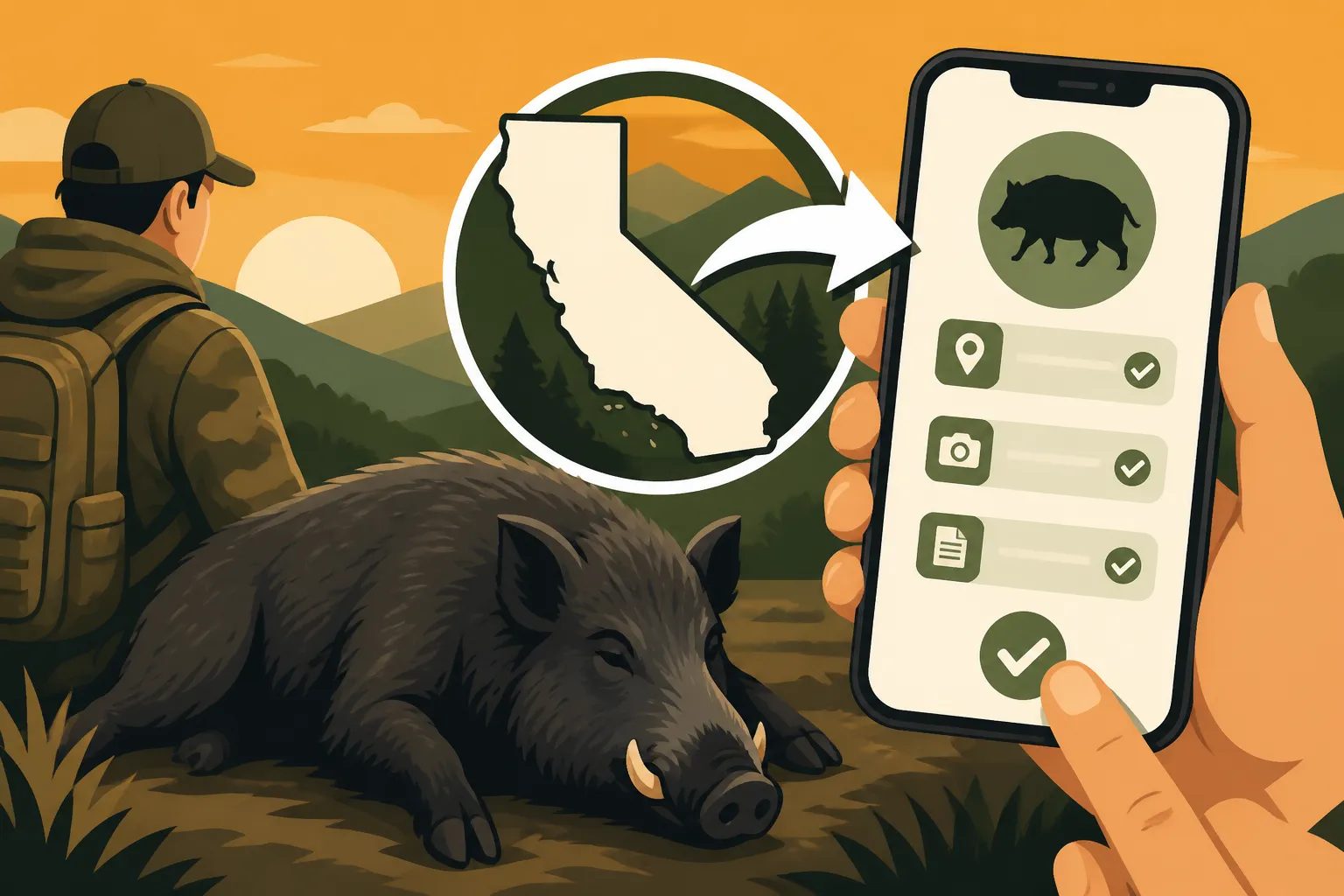
You've just wrapped up a successful wild pig hunt in California. Maybe you stalked a sizable boar through the oaks of Monterey County, or perhaps you ambushed a sounder in a remote patch of private land in the Central Coast. The hard work of the hunt itself—the scouting, the planning, the shot, and the pack-out—is truly rewarding. But then you remember that final, often overlooked, step: reporting your harvest. It can feel like just another piece of bureaucratic paperwork, a minor hurdle before you can fully celebrate your success, but it's a non-negotiable part of ethical hunting in the Golden State. This guide is here to demystify the process of reporting your wild pig harvest through California's Automated License Data System (ALDS), ensuring you complete this crucial task correctly and confidently.
Understanding ALDS: The Cornerstone of California Pig Management
First off, let's talk about what ALDS actually is and why it's such a big deal for hunters in California, especially when it comes to wild pigs. ALDS stands for Automated License Data System. It's the digital backbone that the California Department of Fish and Wildlife (CDFW) uses to issue hunting licenses, tags, and permits, and crucially, to collect harvest data. For years, hunters might have been used to paper tags, manual validations, and mailing in reports. While some aspects of that still exist for certain species, ALDS has largely streamlined the process, making it (in theory, at least!) more efficient and user-friendly.
The mandate to report your wild pig harvest isn't just a petty rule; it's fundamental to sound wildlife management. Unlike deer or bear, wild pigs in California don't have a specific bag limit, and the season is open year-round. This unique management approach means that accurate harvest data is absolutely critical. Without knowing how many pigs are being taken, where, and when, the CDFW can't effectively monitor population trends, assess localized impacts, or make informed decisions about future management strategies. Your single report might seem insignificant, but when thousands of hunters contribute their data, it paints a vital picture for biologists.
Think of it this way: every time you successfully hunt a wild pig and report it, you're contributing to a larger dataset that informs conservation efforts. This data helps the CDFW understand the actual impact of hunting pressure on specific herds, identify areas where populations might be increasing or decreasing, and even recognize potential disease outbreaks earlier. It's a direct way that you, as a hunter, become a citizen scientist, playing an active role in the health and sustainability of California's wildlife. Ignoring this step not only puts you at risk of fines but also creates gaps in critical information needed to manage one of California's most prolific game animals. When you're planning your next adventure, remember that platforms like GoHunt can help you scout and understand local pig populations, which indirectly supports the reporting process by helping you successfully harvest.
Your Step-by-Step Guide to Reporting a Wild Pig Harvest
Reporting your wild pig harvest through ALDS isn't as complicated as it might first appear, especially once you've done it a couple of times. The key is to have all your information ready and to follow the steps methodically. You’ve put in the time and effort to take that hog, so don’t let the reporting process overshadow your success by procrastinating.
First, before you even log into ALDS, make sure you have your physical pig tag. When you bought your tag, you received a series of numbers and a validation process. Immediately after killing your pig, you're required to "tag" it by validating your pig tag. This involves writing down the date of the kill and the county where it occurred directly on the tag itself. Some hunters like to carry a small pencil or permanent marker for this very purpose. This step is not something you can do later; it must be done immediately, before moving the animal from the point of kill. Failure to do so can result in serious legal trouble.
Once the tag is properly validated on the animal, you'll want to get to a computer or mobile device with internet access within the mandated reporting window. The CDFW requires that you report your pig harvest within 30 days of the date of kill. Don't let this slip! It's easy to get caught up in butchering, celebrating, and getting back to daily life, but that 30-day clock starts ticking the moment you pull the trigger or release an arrow.
Here’s the breakdown of the online reporting process:
- Access the ALDS Portal: Head to the CDFW's official ALDS portal. You can usually find a direct link on the CDFW's main hunting page. Avoid unofficial sites to ensure you're entering your sensitive information correctly and securely.
- Log In: You'll need your Go ID and password. Your Go ID is a unique identifying number provided by the CDFW when you first purchased a license through ALDS. If you've forgotten your password, there are usually "forgot password" links to help you reset it. Keep your Go ID handy, perhaps even saved in your phone or a secure password manager.
- Navigate to Harvest Reporting: Once logged in, look for a section related to "Harvest Reporting" or "Report Your Game." The exact wording might vary slightly, but it should be clearly labeled.
- Select "Wild Pig Tag": The system will likely list various tags you hold or have held. Choose the specific wild pig tag you just used for your harvest. This is important, especially if you bought multiple tags over the years.
- Enter Harvest Information: This is where you’ll input the details from your physical tag and other specifics of your hunt. Be prepared to provide:
- Date of Kill: The exact date you harvested the pig.
- County of Kill: The county where the pig was taken. You recorded this on your physical tag.
- Location Type: Was it public land (e.g., National Forest, BLM) or private land? This is important data for CDFW to understand hunting pressure and success rates across different land types.
- Weapon Used: Indicate whether you used a rifle, shotgun, muzzleloader, archery equipment, or another legal method. This detail helps track weapon efficacy and hunter preferences.
- Sex of the Pig: Was it a boar (male) or a sow (female)? This information is crucial for population models, especially for understanding reproductive success and herd growth. You can often tell by examining external anatomy, or if it was field-dressed, internal anatomy.
- Weight (Estimate): While not always mandatory, an estimated weight can be helpful data. Don’t stress too much about getting an exact weight; a reasonable estimate is fine.
- Time of Kill: Morning, mid-day, or evening.
- Tag Number: The specific tag number from your physical pig tag. This helps cross-reference your report with the tag you purchased.
- Review and Submit: Double-check all the information you’ve entered. A simple typo in the date or county can skew data. Once you’re satisfied everything is accurate, submit your report. You should receive a confirmation number or email. Keep this for your records!
Here’s a quick reference table for the information you'll need:
| Information Required | Details / Why It's Needed |
|---|---|
| Go ID & Password | Your unique hunter identification for the ALDS system. |
| Wild Pig Tag Number | Specific number from the physical tag used for the harvest. |
| Date of Kill | Exact date of harvest. Crucial for timeline and season data. |
| County of Kill | County where the pig was taken. Helps pinpoint geographical data. |
| Location Type | Public or private land. Aids in understanding access and pressure. |
| Weapon Used | Rifle, Archery, Muzzleloader, etc. Tracks hunting methods. |
| Sex of Pig | Boar (male) or Sow (female). Vital for population dynamics. |
| Estimated Weight | Approximate weight of the animal. (Optional, but helpful for data.) |
| Confirmation Number | Proof of submission. Keep for your records. |
Completing this process promptly is not only a legal obligation but also a critical contribution to the management of California's fantastic wild pig resource. Remember, understanding resources like California's Year-Round Wild Pig Tag and Why Wild Pigs Have No Bag Limit further highlights the importance of accurate reporting.
Troubleshooting Common Reporting Issues and Ensuring Accuracy
Even with the best intentions, you might run into a snag or two when reporting your pig harvest. It's frustrating when you've done the hard work in the field, and a technical glitch or a forgotten detail holds you up. Let's tackle some common issues and how to navigate them.
One of the most frequent problems hunters encounter is forgetting their ALDS Go ID or password. The CDFW portal does have a "forgot Go ID" and "forgot password" function, but it relies on you having access to the email address or phone number associated with your account. If you've changed emails or phone numbers recently and haven't updated your ALDS profile, this can become a real headache. To avoid this, make it a habit to log into your ALDS account at least once a year, even if just to check your information and ensure it's up to date. You can also contact CDFW directly if you're completely locked out, but be prepared for potential hold times, especially during peak hunting seasons.
Another common pitfall relates to the information you’re asked to provide about the harvest itself. Sometimes, in the excitement of the moment, hunters might forget to properly record all the details on their physical tag. For instance, you might forget the exact county or accidentally write the wrong date. This is why it’s so important to have a clear process in the field immediately after a harvest. Double-check your tag before you leave the kill site. If you're unsure about the precise county boundary, consult a mapping app like those often integrated into platforms like GoHunt, which can show you exactly where you are. Having a backup system, like snapping a photo of the validated tag, can also be a lifesaver.
Accuracy is paramount. Submitting incorrect information, even accidentally, can distort CDFW's data. For example, if you mistakenly report a sow as a boar, it impacts population growth models. Take your time when filling out the online form. If you realize you've made a mistake after submitting, contact CDFW as soon as possible. They can sometimes correct errors, but it's always better to get it right the first time. Don't just shrug it off; every piece of data counts toward effective wildlife management.
Finally, internet connectivity can be an issue, especially if you're reporting from a remote area or immediately after returning from a multi-day backcountry hunt. Make sure you have a stable internet connection before you start the reporting process. Nothing is more irritating than having entered all the details only for the connection to drop before you hit submit. If you're on a mobile device, check your signal strength or wait until you're back home with reliable Wi-Fi. Having your physical tag and the necessary details written down ensures you can easily restart the process if needed. Considering the year-round nature of pig hunting, as discussed in Wild Pig Hunting California Year-Round, you might be hunting in conditions where cell service is spotty. Plan ahead for your reporting when you’re back in civilization.
Beyond the Report: How Your Data Fuels Sustainable Hunting
It's easy to view harvest reporting as just another bureaucratic hoop to jump through, a task to be completed and quickly forgotten. But truly understanding the "why" behind it can transform it from a chore into a meaningful contribution. Your pig harvest report, along with thousands of others, forms the basis of scientific data that directly impacts the future of hunting in California. Without this data, the CDFW would essentially be flying blind, making decisions based on guesswork rather than facts.
Consider the ongoing challenge of managing a species like the wild pig. California Wild Pig Population Estimate shows us they are abundant, but local populations can fluctuate dramatically due to environmental factors, hunting pressure, and disease. When you report the county, the date, and the sex of the pig, you're helping biologists identify trends. For example, if many hunters are reporting sows from a particular county, it might indicate a breeding population that needs closer monitoring. Conversely, if reports from a certain area drop significantly, it could signal a localized decline, prompting further investigation. This information directly influences decisions about access, depredation permits, and even public land management.
Your data also helps the CDFW track How Many Wild Pigs Roam California and understand the efficacy of different hunting methods. Knowing whether most pigs are harvested with archery equipment, rifles, or other means helps gauge the overall impact of various hunting strategies. This level of detail ensures that regulations remain fair, effective, and responsive to the realities on the ground. It contributes to a comprehensive picture that allows wildlife managers to sustain healthy pig populations while mitigating the very real agricultural damage these animals can cause, as highlighted in topics like California Wild Pig Damage to Vineyards.
Ultimately, every time you take a moment to accurately report your wild pig harvest through ALDS, you're investing in the future of hunting. You're ensuring that future generations will have the same, if not better, opportunities to pursue this challenging and rewarding game animal. It's a small act with a big impact, solidifying your role not just as a hunter, but as a steward of California's incredible natural resources. Whether you’re learning how to hunt on private land by Hunting Pigs on Central Coast Oak Ranges or exploring the nuances of Trapping and Baiting Rules for California Wild Pigs, your reporting is the final, essential step in a responsible hunt.
Disclaimer
Please remember that hunting regulations in California can change. While this guide aims to provide accurate and up-to-date information, it is your responsibility as a hunter to consult the latest regulations published by the California Department of Fish and Wildlife (CDFW) before engaging in any hunting activities. Always refer to the official CDFW website or current hunting digest for the most current rules and requirements.