Hunting a D-Zone That Opens in November
Many California hunters find themselves scratching their heads when November rolls around, wondering why some D-zones are still wide open while others have long since closed. This late-season window presents unique challenges and opportunities, from changing deer behavior to unpredictable weather. This guide will walk you through the nuances of targeting deer in a D-zone that opens in November, helping you adapt your strategy for success and make the most of those final weeks afield.
Understanding California's Late-Opening D-Zones
Hunting in California's D-zones can feel like navigating a maze, especially with the staggered season openers. While many D-zones kick off in early August or September, a select few remain closed until November, offering a unique, often colder, and sometimes more challenging hunt. Understanding why these zones open later and what that means for deer behavior is your first step toward success.
The D-Zone System and November Openers
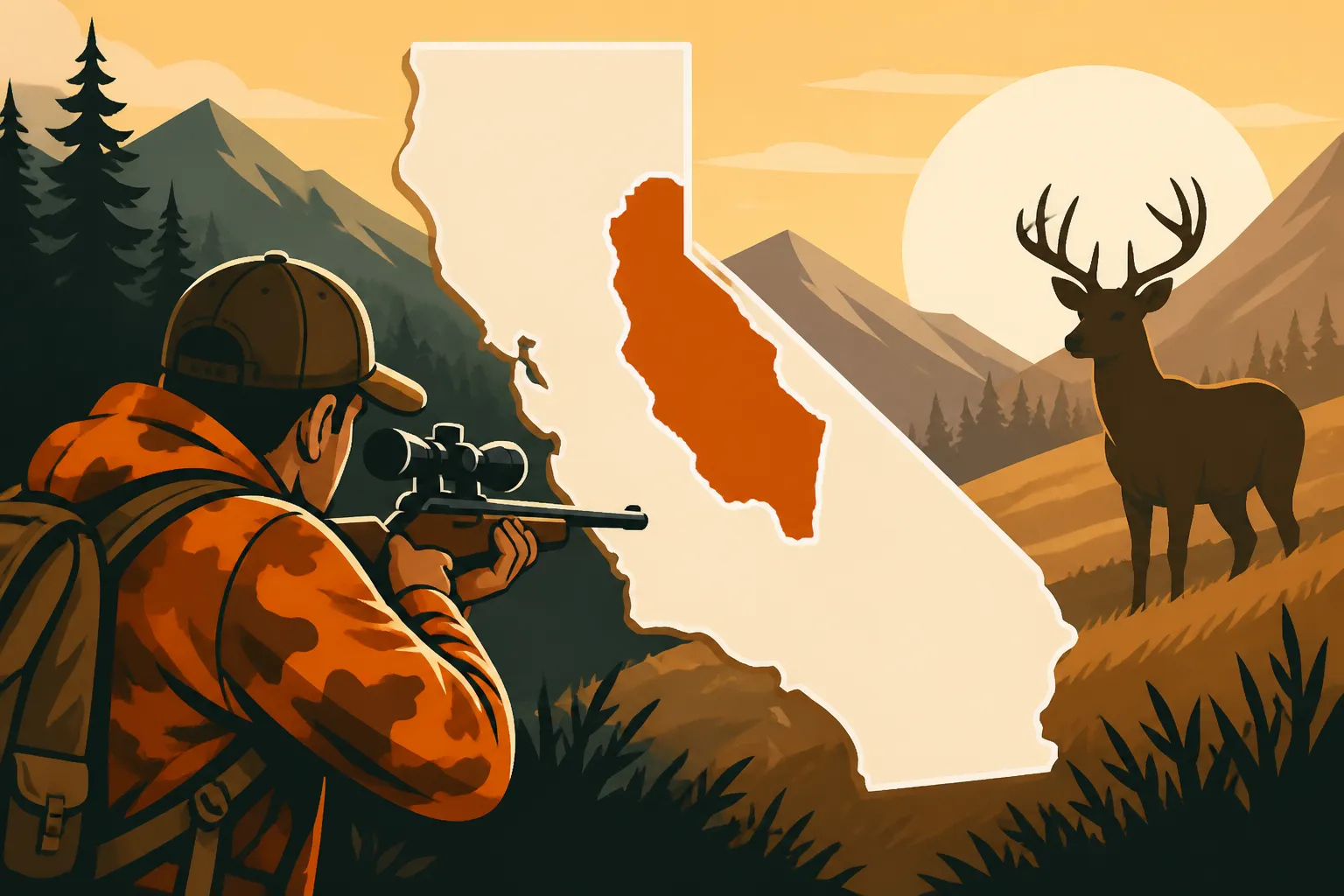
California's deer hunting zones are primarily designed to manage specific deer populations and provide hunting opportunities across diverse habitats, from coastal chaparral to high Sierra country. The "D-zones" themselves are broad general season areas, mostly covering the central and southern Sierra Nevada, the coast range south of Zone A, and the eastern desert fringes. While you might be familiar with the early openers like those covered in "Hunting a D-Zone That Opens in August", some D-zones, like specific portions of D16, are specifically structured to open later in the year, often pushing into November.
The rationale behind these late openers usually revolves around deer migration patterns and herd management. In areas with significant elevation changes, deer migrate from high-elevation summer ranges to lower-elevation winter ranges as snow begins to fall. A November opener might be timed to coincide with these migrations, allowing hunters to intercept deer moving through transition zones or concentrating on their wintering grounds. This isn't just a random date on the calendar; it's often a calculated move by the California Department of Fish and Wildlife (CDFW) to provide hunting opportunities when deer are more accessible or concentrated, though not necessarily easier to hunt. These zones primarily target Columbia blacktail and mule deer, depending on the specific location within the D-zone complex, with some areas seeing a hybridization of the two species.
For hunters, this means a completely different hunt compared to the scorching days of an August archery opener. You're no longer battling extreme heat and scattered deer, but potentially snow, freezing temperatures, and deer that are either concentrated due to migration or highly pressured from previous seasons. It truly tests your adaptability and knowledge of late-season deer habits.
Key Regulatory Considerations for November Hunts
Just like any other deer hunt in California, a November D-zone hunt comes with its own set of rules and requirements, some of which are especially critical during the late season. First and foremost, you absolutely must be in compliance with "California's Non-Lead Ammunition Requirement". This isn't just for certain areas anymore; it's statewide for all hunting with firearms. If you're planning on using a rifle, you need to ensure your bullets are certified non-lead, such as solid copper projectiles. This can affect your ballistics and point of impact, so sighting in your rifle with your chosen non-lead load is non-negotiable before heading afield.
Beyond ammunition, remember the basics: you need a valid hunting license and the correct D-zone tag for your specific area. Always double-check the CDFW regulations booklet for the precise opening and closing dates and any specific area restrictions, as D-zones can have complex boundaries and differing rules. For instance, some D-zones might have areas within them designated as wilderness or private property with specific access rules.
It's also crucial to remember your deer reporting requirements. Even if you don't harvest a deer, you're generally required to report the outcome of your tag, especially for drawing tags. Failing to do so can result in penalties or affect your ability to apply for future big game draws. These late-season hunts can also sometimes overlap with specific small game seasons, so be aware of concurrent hunting activity and ensure you're safely and legally pursuing your quarry.
Deer Behavior Shifts in Late Fall
November hunting in California's D-zones means you're stepping into a completely different deer world. The lazy summer patterns of feeding in shaded areas are long gone, replaced by a dynamic period influenced by the rut, dwindling food sources, and increasingly harsh weather. Understanding these shifts is paramount to locating and ultimately harvesting a buck.
The Influence of the Rut and Post-Rut
For many deer hunters, November is synonymous with the rut. While the peak of the rut for blacktail and mule deer in California can vary widely by zone and elevation, many D-zones experience significant rut activity, or at least the tail end of it, during November. This means bucks are often more focused on finding does than on avoiding hunters, making them potentially more visible and less cautious than earlier in the season.
However, it's not a universal free-for-all. The exact timing of the rut depends on local factors like latitude, elevation, and even the health of the herd. In some areas, early November might catch the tail end of the primary breeding activity, with bucks still cruising widely, laying down scrape lines, and grunting. In others, particularly later in the month, you might be looking at the post-rut period. During the post-rut, bucks are often exhausted and have lost significant body weight. They'll shift their focus back to feeding heavily to recover, sometimes moving to denser cover to rest and regain strength. They're still callable and can be caught off guard, but their movements might be less predictable than during the peak of the rut. You might even observe a "second rut" in some areas, where any does that weren't bred during the primary rut come into estrus again later in the month. Knowing the local conditions and consulting resources on "When the California Rut Peaks by Zone" can give you a significant advantage.
Critical Late-Season Food and Cover Sources
As fall progresses and temperatures drop, the availability and quality of food sources change dramatically. Lush green browse from spring and summer dries up, and deer become much more reliant on specific, high-energy foods that can sustain them through the colder months. Acorns are a prime example. If it's been a good acorn year, oak woodlands can be absolute magnets for deer, particularly in the coastal range and Sierra foothill D-zones. Deer will actively seek out these calorie-dense nuts, making areas with abundant oak mast crucial scouting points. Conversely, "Hunting After a Poor Acorn Year" means deer will quickly shift to alternative browse, so knowing what other woody plants and forbs are available is key.
Beyond acorns, deer will target remaining soft mast like manzanita berries, wild grapes, or even agricultural crops if available and accessible. They'll also browse on specific woody plants that retain their palatability, like bitterbrush, ceanothus, or certain types of sage. Identifying these late-season food sources is critical because deer will concentrate where the food is.
Coupled with food, cover becomes increasingly important. With leaves falling from deciduous trees and brush dying back, thermal cover and security cover are at a premium. Deer will seek out dense thickets of chaparral, conifer stands, or deep canyons that offer protection from wind and cold, as well as a sense of security from predators (including hunters). Look for north-facing slopes with dense timber that provide thermal refuge, or thick, thorny brush patches where they can bed down undetected. These bedding areas will often be close to reliable food sources, creating a distinct pattern you can exploit.
Adapting to Cold Fronts and Changing Weather
November weather in California can be a mixed bag, but it's often characterized by colder temperatures, increased precipitation, and sometimes even the first significant snowfalls in higher elevations. These weather changes directly impact deer movement and behavior. "Hunting Deer After a Cold Front" often presents excellent opportunities, as deer tend to feed actively before a major storm, stocking up on calories, and then might move extensively after the front passes, especially if a warming trend follows.
Rain can make tracking easier, as soft ground holds fresh prints, but it also makes conditions miserable for hunters if not properly equipped. Heavy wind can make deer nervous and move them into thicker cover, but it can also mask hunter noise, allowing for closer approaches. Snow, especially fresh snow, is a game-changer. It not only concentrates deer into lower elevations or specific drainages but also makes tracking incredibly effective. A fresh blanket of snow reveals every deer movement, from feeding to bedding, giving you a clear roadmap to a buck.
However, these weather conditions also demand serious preparedness. Frosty mornings can give way to warm, sunny afternoons, so layering your clothing is essential. Being caught unprepared for a sudden rainstorm or a quick temperature drop can make for a miserable, and potentially dangerous, hunt. Always check the local forecast, but be ready for anything, packing extra layers, quality rain gear, and even traction devices for icy conditions if hunting in the mountains.
Strategic Hunting Methods for November D-Zones
Hunting D-zones in November demands a blend of careful planning, keen observation, and the right approach. With changing deer behavior and weather conditions, relying on a single tactic just won't cut it. You need a versatile strategy that takes into account both the deer and the terrain.
Advanced Scouting and E-Scouting for Late Season
Before you even step foot in the woods, the real hunt begins at home with advanced scouting, especially for late-season D-zones. This is where modern tools really shine. Utilizing mapping applications like onX Hunt or desktop platforms like GoHunt can give you an incredible edge. These tools allow you to pore over aerial photos, topographical maps, and public/private land boundaries from the comfort of your home.
When e-scouting for a November D-zone, focus on identifying critical features:
- Transition Zones: Look for areas where summer range meets winter range. These could be saddles, ridge lines, or canyon bottoms that funnel deer as they migrate.
- Food Source Concentration: Pinpoint oak stands, riparian areas with specific browse, or agricultural fringes that hold late-season forage. Overlaying recent satellite imagery can sometimes reveal areas of recent timber harvest or burns that could offer fresh browse.
- Security Cover: Identify dense stands of timber, thick chaparral, or north-facing slopes that offer protection from wind and cold. Deer will often bed in these areas, especially if they are close to food.
- Water Sources: Even in colder weather, deer need water. Ponds, springs, and perennial creeks can be magnets, especially if other sources are frozen or scarce.
- Access Points and Pressure: Use your mapping app to find remote areas that are harder for other hunters to access. Look for logging roads, old trails, or natural barriers that might deter casual hunters. The less pressure, the more natural the deer behavior. For example, "Reading Aerial Photos for Sierra Deer" will show you how to identify potential travel corridors and bedding areas that are often overlooked. GoHunt’s filtering capabilities allow you to quickly identify public land in specific D-zones, helping you narrow down areas that are open to hunting. Don't forget to use features like "onX Layers for California Land Status" to ensure you're always on legal ground.
Once you have a few promising spots identified, physically scout them if possible before the season opens, looking for fresh sign like tracks, droppings, rubs, and scrapes. Even if you can't scout, your e-scouting provides a solid starting point for your actual hunt.
Still-Hunting and Tracking in Varied Terrain
Still-hunting is perhaps the most effective method for November D-zones, especially when deer are focused on feeding or are slowly migrating. This technique involves moving through the woods very slowly and deliberately, stopping frequently to scan, listen, and glass. Think of it less as walking and more as stalking, taking a few steps, then pausing for several minutes to observe. This allows you to pick apart the cover, detect subtle movements, or hear a deer before it hears you.
In thick timber or dense chaparral, still-hunting demands extreme patience and quiet movement. Focus on areas between bedding and feeding sites, or along ridges that serve as natural travel corridors. Pay close attention to wind direction; always try to hunt into the wind or with a crosswind to keep your scent from spooking deer.
When snow or rain hits, tracking becomes a powerful tool. Fresh tracks in mud or snow can tell you a story: how recently a deer passed, its direction of travel, and even its size. "Tracking a Deer in Fresh Sierra Snow" can be incredibly productive, as a clear trail simplifies the puzzle of finding your buck. Follow the tracks cautiously, anticipating where the deer might be headed—perhaps to a dense bedding area after feeding, or to a water source. Be prepared to slow down significantly when the tracks enter thick cover, as the deer could be bedded just ahead. A key frustration is often losing the track in rocky or hard ground; however, with patience and by constantly circling ahead, you can often pick it back up.
Glassing Vast Landscapes for Wintering Bucks
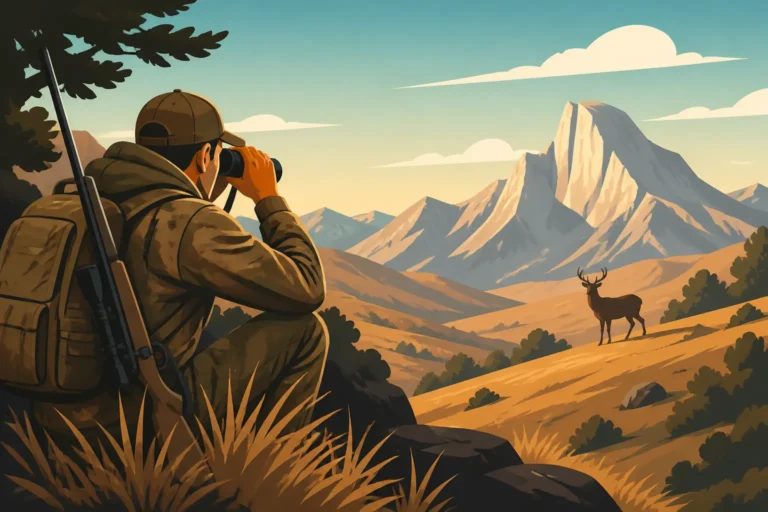
In more open D-zones, particularly those with large canyons, rolling hills, or burn scars, glassing is your absolute best friend. This technique involves finding a vantage point, setting up your optics (binoculars and a spotting scope on a tripod), and patiently scanning the landscape for deer. Given that California's D-zones can include high-country areas, "Optics for California's Open-Country Deer Hunting" is essential knowledge.
The key to successful glassing is thoroughness. Don't just glance; methodically pick apart the terrain. Look for antlers, the horizontal line of a deer's back against vertical trees, or subtle movements. Pay extra attention to shaded areas, brush lines, and pockets of timber where deer might be bedded for the day. Early mornings and late evenings are prime times, as deer are often most active during these periods, moving between feeding and bedding areas. As the season progresses, deer might be out feeding longer into the day to pack on calories, especially if the weather is mild. A good spotting scope, like those from Vortex Optics or Kowa, can help you pick out a bedded buck at extreme distances, allowing you to plan a careful stalk. This also ties into how GoHunt’s mapping features can aid in identifying potential glassing knobs or vantage points, letting you visualize the terrain and anticipate deer movement.
Utilizing Natural Funnels and Pressure Points
Deer, especially in late season, are creatures of efficiency and security. They'll use the path of least resistance while also seeking out areas that offer safety. This creates natural funnels and pressure points that hunters can exploit.
- Funnels: These are geographical features that concentrate deer movement. Think narrow saddles between two ridges, creek bottoms in otherwise open country, or a pinch point where a dense timber stand meets a clear-cut. Deer will naturally use these constricted areas when traveling between bedding and feeding, or when migrating. A well-placed stand or ambush point near a funnel can be incredibly effective. Understanding "Hunting a Funnel Between Two Oak Ridges" can provide specific insights into these tactics.
- Pressure Points: As the season wears on, hunting pressure, even light pressure, will push deer into security cover. They might abandon open areas they used early in the season and seek refuge in the thickest, nastiest brush, steep canyons, or areas with difficult access. These "pressure points" become sanctuaries, and deer will often only move out of them under the cover of darkness or during the height of the rut when their guard is down. Finding these less-pressured pockets, often far from roads or easy trails, is where you'll find those elusive late-season bucks. This aligns with the wisdom of "Finding Ground Others Walk Past," which is essential in heavily hunted D-zones. By using scouting apps to identify public land that requires a significant hike or navigating challenging terrain, you can increase your odds of encountering unpressured deer.
Essential Gear and Preparedness for November D-Zones
Hunting in November often means facing some of the most challenging weather conditions of the year. Your gear choices, from the clothes on your back to the tools in your pack, become critical for both success and safety. Being prepared for anything Mother Nature throws at you is not just about comfort, but survival.
Dressing for Success in Cold, Wet Conditions
Forget those lightweight camo shirts and breezy pants you wore in August. November demands a serious upgrade in your clothing system. The core principle for cold, wet weather is layering. A good layering system allows you to add or remove clothing as activity levels or temperatures change, preventing you from getting too hot and sweaty (which leads to being cold later) or too cold.
Start with a moisture-wicking base layer – synthetics or merino wool are excellent choices that pull sweat away from your skin. Next, add insulating mid-layers, such as fleece or puffy jackets, to trap warmth. For your outer layer, you need something that is both windproof and waterproof. A quality rain jacket and pants, perhaps in a quiet softshell material, are non-negotiable. Look for brands known for durability and performance in harsh conditions. Even if the forecast doesn't call for rain, conditions can change rapidly, especially in mountainous D-zones. "Layering for a Cold Sierra Morning" means thinking about warmth when stationary versus when moving.
Don't forget your extremities. A warm beanie or stocking cap is crucial, as a significant amount of body heat is lost through the head. Quality, waterproof gloves that still allow for dexterity are essential for handling your rifle, binoculars, or trekking poles. For your feet, invest in waterproof, insulated boots that offer good ankle support, especially if you're navigating rocky or uneven terrain. Paired with merino wool socks, they'll keep your feet warm and dry, even if you're slogging through mud or shallow snow. Brands like Kenetrek or Schnee's offer boots built for these conditions.
Optics and Ammunition Choices for November
November's shorter days mean more hunting in low-light conditions – dawn, dusk, and overcast days. This is where high-quality optics truly shine. Your binoculars and scope should have excellent light gathering capabilities, typically indicated by larger objective lenses (e.g., 8×42, 10×42, or even 10×50 for binoculars). The difference between a cheap pair and premium glass in low light can be the difference between identifying a legal buck and not seeing anything at all. A good rangefinder is also invaluable, especially in varied terrain or when shooting across canyons where distances can be deceiving.
As for ammunition, your choice of "Choosing Non-Lead Rifle Ammunition in California" is critical. Since lead is prohibited, you'll be using non-lead alternatives like solid copper bullets (e.g., Barnes TSX, Hornady GMX, Federal Trophy Copper). These bullets perform differently than traditional lead-core rounds, often retaining more weight and expanding reliably. It's imperative that you zero your rifle with your chosen non-lead load well before the season. Test your bullet's performance at various distances you expect to shoot in the field. Cold weather can also slightly affect powder burn rates and muzzle velocity, so confirm your zero in similar conditions if possible. For late-season deer, a good all-around caliber like a .270, .308, or 30-06 loaded with a 150-180 grain copper bullet will be more than adequate.
Safety and Emergency Preparedness
Remote D-zones in November can be unforgiving. Safety and preparedness are paramount. Always let someone know exactly where you're going and when you expect to return. Share your route and any backup plans. Cell service is often spotty or nonexistent in remote California public lands, so a satellite communicator (like a Garmin InReach or Zoleo) is a smart investment. It allows you to send and receive text messages and, most importantly, provides an SOS button in case of an emergency.
Your pack should always contain a well-stocked first-aid kit, suitable for backcountry emergencies. Include items for cuts, blisters, sprains, and any personal medications. Carry enough water for the day, and consider packing a water filter or purification tablets for extended trips. High-energy snacks are essential for maintaining energy in cold weather. A reliable headlamp with extra batteries is crucial for pre-dawn hikes and post-sunset pack-outs.
Navigation is key. Beyond your phone app, carry a physical map and compass and know how to use them. Electronics can fail due to cold or battery drain. Being able to navigate old-school can literally save your life. Finally, carry a quality knife for field dressing and a fire-starting kit (waterproof matches, lighter, fire starter) in case you need to build an emergency fire for warmth or signaling. These tools, while hopefully never needed, provide peace of mind and are responsible additions to any hunter's kit, especially when hunting into a "Late-November Zone Close."
Disclaimer
Always check the most current California Department of Fish and Wildlife (CDFW) regulations before hunting, as laws and season dates can change. This guide is for informational purposes only and does not supersede official CDFW regulations.