Blood Trailing After Dark in California
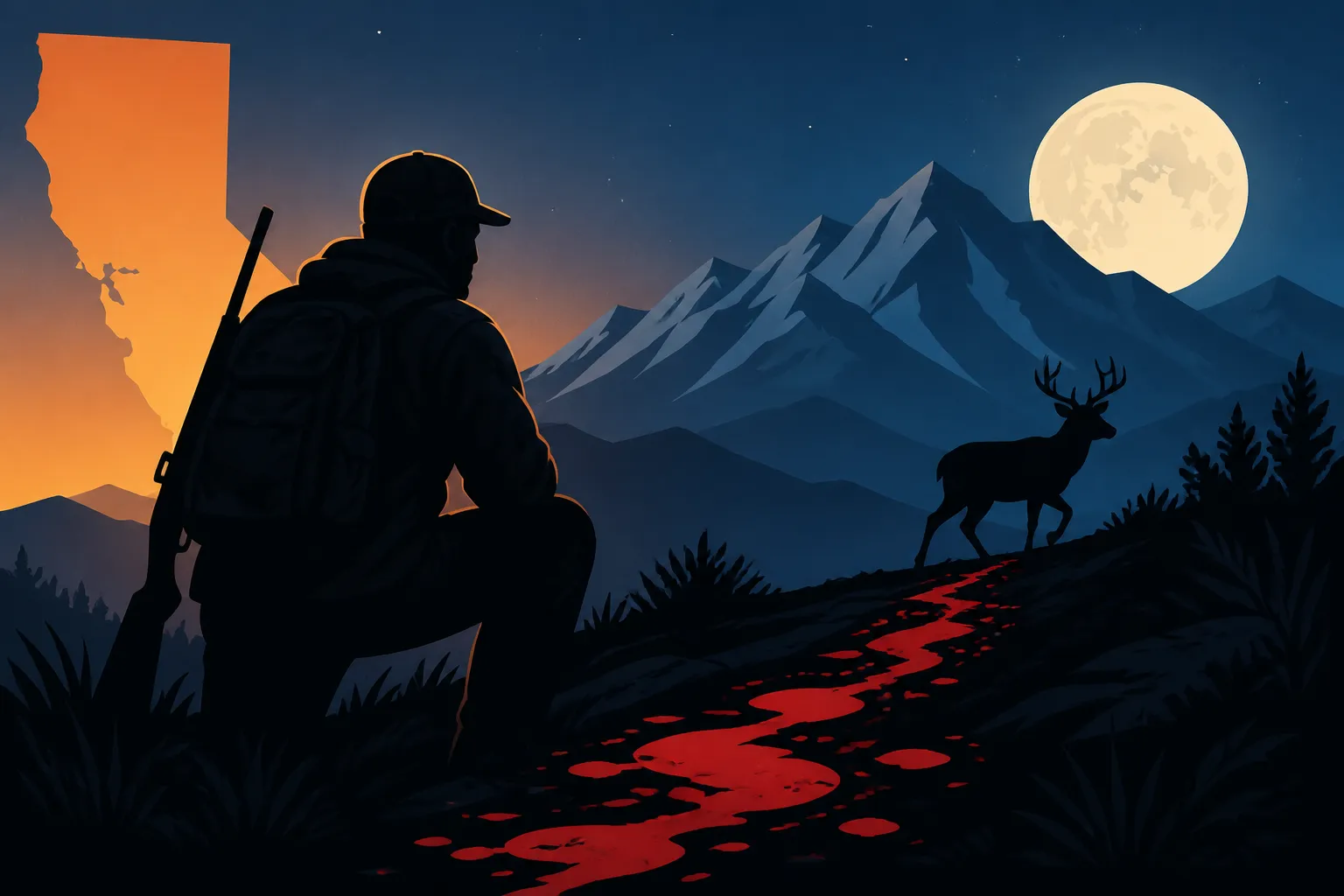
There’s almost no worse feeling for a hunter than making a shot as dusk descends, only to find the blood trail quickly fading into the growing shadows. The anxiety, the fading light, the pressure to find your animal before scavengers do, or before the trail is completely erased by dew or critters – it’s a situation every California hunter hopes to avoid, yet one many of us eventually face. This guide is dedicated to helping you navigate the challenging, often frustrating, world of blood trailing after dark in the Golden State, equipping you with the knowledge, tools, and strategies to bring your animal home.
The Heartbreak of a Lost Blood Trail at Dusk
We’ve all been there, or at least imagined it in a cold sweat: you make what feels like a good shot, the animal bolts, and you give it some time, only to return to a diminished or completely vanished blood trail as the last rays of sunlight dip below the horizon. It's a gut-wrenching moment that tests your patience, skill, and resolve.
Why Darkness Is the Ultimate Tracker's Nemesis
Darkness doesn't just reduce visibility; it compounds every other challenge of blood trailing. What might be an obvious speck of blood in daylight becomes invisible in the gloom. The subtle scuff of a hoof in soft dirt, a broken twig, or a bent blade of grass that screams "deer here!" during the day, disappears as your headlamp beam struggles to cut through the oppressive black. Add to that the psychological toll – the fear of losing your animal, the rising frustration, and the physical exhaustion – and you've got a recipe for potential mistakes.
Furthermore, environmental factors shift dramatically after dark. Dew can quickly wash away or dilute faint blood sign. Wind picks up, spreading scents and making it harder to hear. Nocturnal scavengers like coyotes and bears become active, posing a threat to your downed game and even creating hazards for you. If you’re hunting in areas known for Black Bears in California, the urgency to recover your animal quickly only intensifies. The longer the wait, the more likely you’re competing with wildlife for your hard-earned harvest.
Navigating California's Specific Rules on Night Recovery
It's crucial to understand that while hunting after legal shooting hours is strictly prohibited and carries severe penalties, recovering a legally shot animal after dark is generally permitted in California. However, this isn't a blanket rule, and it comes with important caveats.
First and foremost, your deer tag must be immediately validated and attached to the animal as soon as it's recovered. This isn't just a suggestion; it's a legal requirement. If you find your deer at 10 PM, that tag needs to be punched and affixed then and there. Failing to do so can lead to legal complications.
Secondly, while you can retrieve your animal, you generally cannot carry a loaded firearm while actively trailing after legal shooting hours unless you possess a valid depredation permit or are specifically permitted to do so by the California Department of Fish and Wildlife (CDFW). This means if you're using a rifle for Rifle Hunting California's General Deer Season, once legal shooting hours conclude, your rifle needs to be unloaded and cased. If you come across your downed animal and it's still alive, the legal and ethical dilemma becomes immediate and complex. This is why a well-placed, ethical shot is paramount. Always check the most current CDFW regulations or contact your local game warden if you have any doubts about a specific situation or location. Understanding rules like California Hunter Education Requirements and California Legal Firearms for Deer Hunting is foundational to responsible hunting, especially in challenging situations.
Equipping Yourself for a Successful Night Trailing Operation
Trying to blood trail after dark with just the small light on your phone is a recipe for failure and frustration. A successful night recovery hinges on having the right gear and making smart preparations. Think of it as preparing for a different kind of hunt – one where your eyes are augmented by technology and your navigation skills are put to the ultimate test.
The Right Lighting Makes All the Difference
This might seem obvious, but not all lights are created equal for blood trailing. You need powerful, reliable, and varied lighting options.
- High-Lumen Headlamps: Your hands need to be free, so a good headlamp is non-negotiable. Look for one with a high lumen output (300+ lumens is a good starting point) and a long battery life, preferably with a red light setting to preserve night vision when you're not actively trailing. Brands like Black Diamond or Petzl offer excellent options.
- Powerful Handheld Flashlights: A separate, powerful handheld flashlight is critical for sweeping wider areas and cutting through brush. Streamlight or Fenix produce incredibly bright, durable lights that can easily throw a beam 100 yards or more. Having a "hot spot" beam for focused searching and a wider flood setting is ideal. Consider bringing at least two, fully charged, and plenty of spare batteries.
- UV Lights: Many hunters swear by UV (ultraviolet) or black lights for blood trailing. While blood doesn't glow under UV light, certain components in blood, like porphyrin, can fluoresce, making it stand out against other foliage. It's not a magic bullet, as some vegetation and even certain minerals in the soil can also fluoresce, but it can be a valuable tool, especially on faint or old trails. Test it at home with a drop of your own blood on various surfaces to see how it performs.
- Lanterns/Area Lights: If you're pausing to assess, or setting up a small base of operations, a small LED lantern can provide welcome ambient light, reducing eye strain and allowing you to see your immediate surroundings more clearly.
Here’s a quick comparison of light sources for night trailing:
| Light Type | Pros | Cons | Best Use Case |
|---|---|---|---|
| High-Lumen Headlamp | Hands-free, essential for close-up work, preserves night vision (with red light option). | Limited beam range, can create tunnel vision. | Close-up trail examination, walking, general navigation. |
| Powerful Handheld Light | Excellent beam distance, intense brightness, cuts through brush. | Occupies one hand, can be heavy. | Sweeping large areas, finding initial sign, checking distant objects. |
| UV (Black) Light | Can make dried blood visible by fluorescence. | False positives (other glowing materials), less effective on fresh blood. | Confirming faint dried blood, distinguishing from water/dew. |
| LED Lantern/Area Light | Provides diffuse, ambient light for a larger area. | Not suitable for active trailing, extra bulk. | Camp/base area lighting, taking a break, processing. |
Essential Tools for Marking and Navigation
Losing a blood trail during the day is bad enough; losing your way or failing to mark your last known blood in the dark is a nightmare.
- Flagging Tape/Reflective Tacks: Brightly colored flagging tape (biodegradable is always a good idea) is crucial. Every speck of blood, every disturbed patch of ground, should be marked. You can also use reflective tacks or thumbtacks pushed into trees. These will reflect your headlamp beam, creating a clear, easy-to-follow path back to your last known sign. Carry a lot – you'll use more than you think.
- GPS Device or Mapping App: A robust mapping application like GoHunt, or a dedicated GPS device, can be an absolute lifesaver. Before you even start a hunt, using a tool like GoHunt to mark potential travel corridors or key terrain features can give you a significant advantage. During a recovery, use it to mark the initial shot location, the last known blood, and any significant finds. This creates a virtual breadcrumb trail that allows you to backtrack or return to a specific point with precision. Apps like onX Hunt and GoHunt are particularly good for Using an App for California BLM Land Status and provide invaluable detailed topographical maps.
- Spare Batteries/Power Bank: This cannot be stressed enough. Lights, phones, and GPS devices all run on batteries. Cold weather drains them faster. Always carry spare batteries for all your electronic devices, or a fully charged power bank.
- Writing Utensils and Small Notebook: Sometimes, sketching out the immediate area or noting specific details about the blood sign (e.g., "frothy, bright red, on oak leaf 10 yards east of large rock") can be invaluable when you're tired and confused.
Safety First: Gear for You and Your Team
Night trailing isn't just about finding the animal; it's about staying safe in the process. You're often deep in unfamiliar territory, possibly agitated, and dealing with potentially dangerous conditions or wildlife.
- Proper Clothing: Even if it was warm during the day, nights in California, especially in the mountains or desert, can get surprisingly cold. Layers are your friend. Dress warmly, account for dew and potential rain, and wear sturdy boots suitable for varied terrain. Refer to guides like Boots and Clothing for California's Varied Terrain for more specifics.
- First-Aid Kit: A basic first-aid kit is essential. Cuts, scrapes, twisted ankles – these are all more likely when moving through rough terrain in the dark.
- Communication Device: Cell service can be spotty in many hunting areas. A satellite communicator (like a Garmin InReach or Spot device) is ideal for remote areas, allowing you to call for help if needed. At a minimum, ensure your phone is fully charged.
- Water and Snacks: Dehydration and low blood sugar can lead to poor decision-making. Keep hydrated and fueled, especially during a stressful situation.
- Bear Spray (if in bear country): If you’re blood trailing in bear country, especially where Black Bear Hunting California's Spot-and-Stalk Season occurs, bear spray is a wise precaution. A wounded deer is a prime target for bears, and you don't want to surprise one on your way in.
Strategic Approaches to Locating Your Deer in the Dark
Once you've got your gear, the real work begins. Night trailing requires a systematic approach, patience, and the ability to think clearly under pressure.
When to Give the Animal Time and Space
This is perhaps the most crucial decision. If you have a questionable hit – a gut shot, a leg shot, or a hit you're just not sure about – the best strategy is often to back out. Immediately. Pushing a wounded animal, especially a deer, can make it run for miles, making recovery nearly impossible.
- Wait it out: For a suspected gut shot, give the animal at least 6-8 hours, preferably overnight. For a leg or muscle hit, 3-4 hours might be sufficient, but overnight is safer. The idea is to let the animal bed down and expire naturally, or at least stiffen up, making it easier to track and less likely to run again.
- Mark and Return: Mark your last known blood or the point of impact with flagging tape, record its location on your GoHunt app, and quietly exit the area. Return at first light, refreshed and with improved visibility. This strategy often yields much higher success rates than a frantic, ill-equipped night search. Remember to check local regulations regarding Hunting Pressure on California Public Land if you are planning on leaving and returning.
Meticulous Grid Searching and Systematic Tracking
If you have a clear indication of a lethal hit (e.g., bright red, frothy blood indicating a lung hit), or if you decided to push on after a sufficient wait, a systematic search is essential.
- The Initial Search: Start at the point of impact. Look for blood, hair, bone fragments, or disturbed earth. Mark everything with flagging tape. Pay close attention to the direction of travel and any obstacles the animal may have encountered.
- Slow and Low: Blood trailing is a slow process, especially at night. Get on your hands and knees if necessary. Move methodically, often on all fours, scanning every inch of ground with your headlamp. Keep the beam low to the ground to avoid glare and highlight subtle changes in texture.
- The "Line Abreast" Method: If you have multiple people, form a line and sweep the area. One person follows the last known blood, while others fan out 5-10 yards on either side, walking slowly and systematically, looking for signs. This expands your search area significantly.
- Grid Search if Lost: If you completely lose the trail, don't panic. Return to the last known blood sign. From that point, begin a circular or grid search pattern. Walk in increasingly wider circles, or set up a grid on your mapping app, marking off sections as you search. This ensures you cover the ground thoroughly. This method is especially effective when you're Tracking a Deer in Fresh Sierra Snow where sign can be subtle.
The Role of Tracking Dogs in California (When Permitted)
California law does allow the use of trained dogs to track wounded game to retrieve carcasses. This is a huge asset for hunters.
- Legal Clarity: The key here is "trained dogs" and "to retrieve carcasses." You cannot use dogs to hunt deer or elk. However, a dog specifically trained for blood trailing can be invaluable, especially for cold trails or in dense cover where visual sign is minimal. They can follow scent that humans simply cannot detect.
- Finding a Certified Tracker: There are professional tracking dog services available in California. If you find yourself with a lost animal and a fading trail, don't hesitate to contact one. They often work on short notice and have a remarkable success rate. Organizations like Deer Search California can connect you with certified teams. Their specialized skills can be the difference between a lost animal and a recovered one.
- When to Call: Consider calling a tracking dog handler as soon as you realize the trail is difficult or lost, especially if it's getting dark or bad weather is expected. The fresher the trail, the higher the dog's chances of success.
Deciphering Subtle Clues Beyond the Blood
Sometimes, the blood trail simply vanishes. This is where you need to become a detective and look for other indicators of a wounded animal's passage.
- Tracks: Look for scuff marks, uneven strides, or tracks that indicate dragging or favoring a leg. Pay attention to the depth of the track – a heavily wounded animal might place less weight on a particular hoof.
- Broken Vegetation: A wounded animal often moves through brush less gracefully than a healthy one. Look for broken twigs at unusual heights, bent-over grasses, or rubbed bark.
- Hair: At the point of impact, you might find hair from the animal. If it's short, stiff guard hair, it indicates a superficial hit. Long, soft undercoat hair could mean a deeper penetration. Different colors of hair can also give clues about the part of the body hit.
- Gut Pile/Droppings: If the animal was gut shot, you might find stomach contents or very loose, dark droppings. This confirms a gut shot and reinforces the need to back out and wait.
- Listening: Stop frequently and listen intently. A wounded animal might groan, cough, or make other sounds. In dense cover, you might hear it moving or breathing heavily.
- Wind and Thermals: Consider the wind direction. Wounded animals often travel with the wind to catch the scent of predators. In steep country, understanding Wind and Thermals in Steep Sierra Country can help predict an animal's movement patterns.
Bringing Your Recovery Mission to a Responsible Close
Successfully locating your animal after dark is a triumph, but the mission isn't over yet. Responsible field care and proper reporting are the final, crucial steps.
Field Care and Extraction Challenges After Dark
Once you've found your animal, the challenge shifts to field dressing and extraction, often under even more challenging conditions than the trailing itself.
- Immediate Field Dressing: Even in the dark, you need to field dress your animal as quickly as possible to begin the cooling process. This is especially vital if you're in a warmer climate or dealing with Hot-Weather Sitting Strategy in August. Carry a sharp knife and a headlamp that can illuminate your work clearly. Having gloves is also a good idea. For detailed steps, consider reviewing guides like Field Dressing a Deer in Hot Weather.
- Cooling and Protection: If you can't immediately transport the animal, prop open the chest cavity with a stick to allow air circulation. Cover the carcass with game bags to protect it from insects and scavengers. If the temperatures are going to be warm overnight, consider placing ice packs in the cavity if feasible, or dragging it to a cooler, shaded spot.
- Extraction: Getting an animal out of the backcountry, especially after dark and from steep terrain, is physically demanding. Consider how you'll move it. Do you have a game cart? Do you need to quarter it? If you're Recovering a Deer From a Steep Canyon, this often means quartering the animal and making multiple trips, which is even harder in the dark. A good pack frame designed for meat hauling will be invaluable here.
The Importance of Post-Recovery Reporting and Reflection
The moment of recovery isn't just about the relief of finding your animal; it's also a critical time for compliance and learning.
- Reporting Your Harvest: California requires you to report your deer harvest. This can often be done online through the CDFW's Automated License Data System (ALDS). Ensure you understand and meet The California Deer Reporting Deadline. This data is vital for wildlife management.
- Reflect and Learn: Every trailing experience, successful or not, is a learning opportunity. Take time to reflect on what happened.
- What went well?
- What could have been done differently, from the shot placement to the trailing strategy?
- Was your gear adequate? Did your GoHunt app help with navigation?
- Did you give the animal enough time?
- Could better scouting, perhaps using insights from Scouting California Public Land Before Season, have helped predict the escape route?
By honestly assessing your actions, you can refine your skills, improve your preparation, and become a more ethical and effective hunter. No one wants to lose an animal, and by mastering the art of blood trailing after dark, you significantly increase your chances of a successful and responsible harvest.
Disclaimer
The information provided in this guide is for general informational purposes only and does not constitute legal advice. Hunting regulations, including those concerning night recovery and the use of tracking dogs, are subject to change and vary by specific location within California. Always consult the most current California Department of Fish and Wildlife (CDFW) regulations, or contact a local game warden, before engaging in any hunting or recovery activities. The author and publisher are not responsible for any actions taken based on the information in this guide.