Deer Drives With Three or Four Hunters
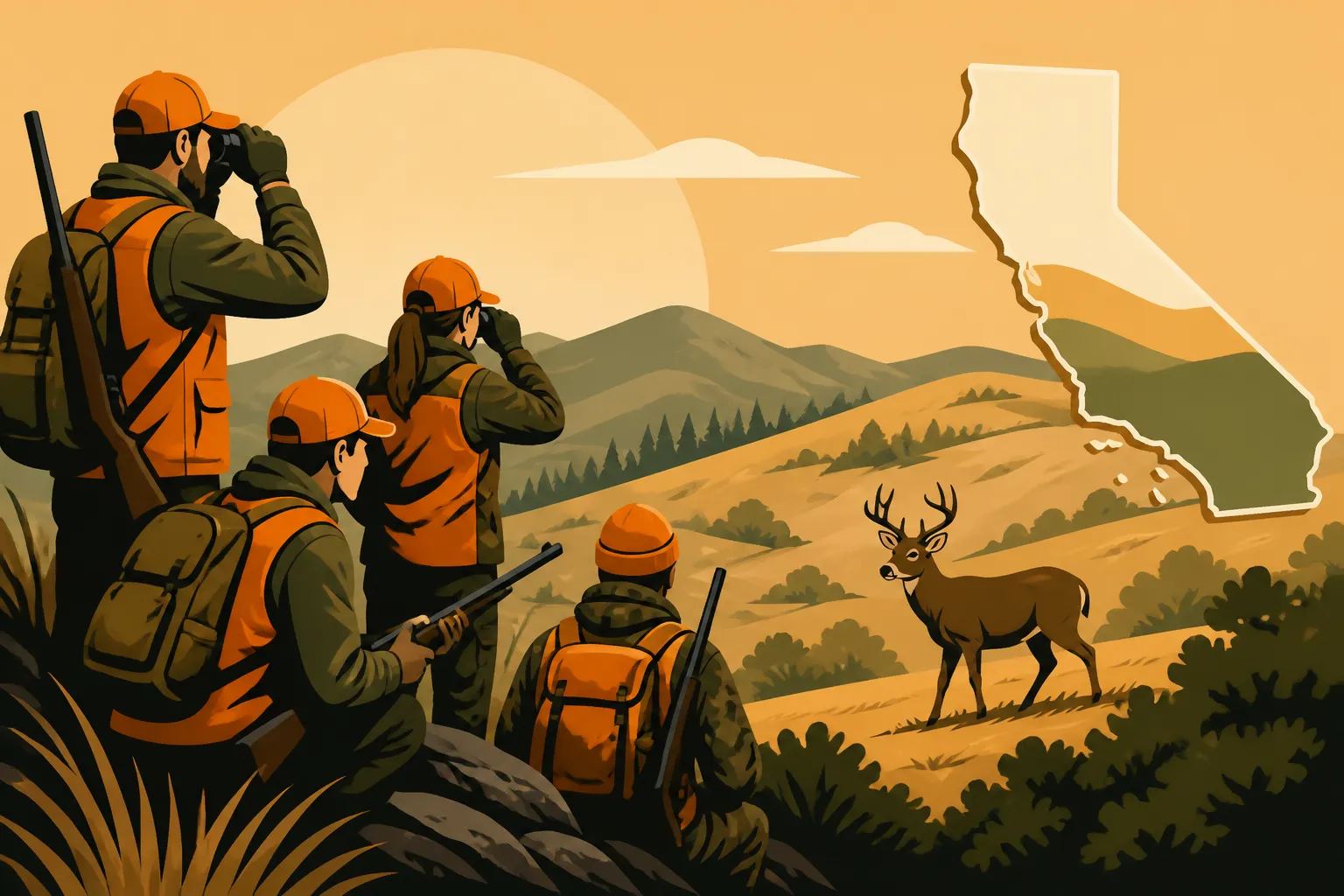
Hunting deer in California, especially on heavily pressured public lands, can often feel like you're playing a perpetual game of hide-and-seek with animals that are far better at it than you are. Those big, wary bucks seem to vanish into thin air the moment they sense a solo hunter’s approach, leaving you wondering if you're doing something wrong. But what if you could leverage the presence of a few trusted friends to ethically and effectively move those deer, creating shot opportunities that might otherwise never materialize? This guide is all about mastering the art of the small-group deer drive for three or four hunters, a tactic that can turn a frustrating day afield into a memorable one, even in California’s challenging environments.
The Strategy Behind Small-Group Deer Drives in California
Many hunters, particularly those used to larger groups in other states, might think a deer drive requires a small army. But in California's often dense, broken terrain and on public lands where you can't control massive areas, a smaller, more nuanced approach with just three or four hunters can be incredibly effective. It's not about running deer aimlessly; it's about smart, controlled movement.
Why Consider a Deer Drive with Limited Hunters?
On many public hunting grounds in California, especially during the general seasons, you'll encounter deer that are incredibly "spooky." They've seen hunters, heard shots, and know exactly how to melt into the landscape. Still-hunting, while a valid and often successful method, can sometimes feel like trying to catch smoke with bare hands when deer are constantly on alert. They'll often just slip away before you even know they're there.
This is where a small, well-planned deer drive comes into its own. Instead of pushing deer into a panic, the goal is to gently nudge them out of their bedding areas and through natural funnels or escape routes where your standers are strategically positioned. Think of it as a chess match, not a brawl. You’re using a handful of players to influence the deer's natural escape instincts. This strategy can be particularly potent in pockets of dense cover that might otherwise be impossible to hunt effectively alone. We're talking about those gnarly chaparral thickets in the coastal range, or the dense timber patches in the Sierra foothills where deer love to bed down during the day. It’s an ethical way to encourage movement without causing undue stress or danger, provided everyone involved understands their role and sticks to the plan.
Scouting and Terrain Selection for a Successful Drive
A successful small-group drive begins long before opening day – it starts with meticulous scouting. You can't just pick a random patch of woods and expect deer to cooperate. You need to understand the terrain, the deer's habits, and their most likely escape routes. This is where tools like GoHunt maps become invaluable. You can zoom in on topo maps and satellite imagery to identify key features.
Look for natural funnels: saddles between ridges, narrow draws, creek bottoms, pinch points where a thicket meets a clearcut, or even dense brush lines bordering open fields. Deer, when pushed, will almost always take the path of least resistance or the path that offers the most cover. Identify their likely bedding areas – often the densest cover on north-facing slopes for cool daytime beds, or thick brush near food sources. You’ll want to map out multiple entry and exit points, not just for the deer but for your hunting party too. Pay attention to how deer move through different areas by looking for fresh tracks, rub lines, and scat. For instance, in Hunting Coastal Range Oak Woodlands, understanding how deer use the cover for bedding and travel is key. Are there specific game trails that consistently show heavy use? Are there areas where deer cross a particular ridge or drop into a certain canyon when disturbed? These are your target areas. Even small, seemingly insignificant pockets of cover, like a stand of riparian growth along a dry creek bed or a patch of manzanita on a hillside, can hold deer and become ideal spots for a mini-drive.
Executing a Safe and Effective Three-to-Four-Person Drive
Once your scouting is done and you have a good idea of where you want to set up your drive, the real tactical planning begins. Safety is paramount, and clear communication is the bedrock of any successful small-group drive.
Roles and Communication for Drivers and Standers
With three or four hunters, you'll typically have one or two "drivers" and two or three "standers." The exact split depends on the terrain and the size of the area you're pushing.
Before anyone steps into the woods, everyone must be thoroughly briefed. This isn't a casual chat; it's a detailed mission plan. Pull out your GoHunt maps and physically point out the drive boundaries, the stander positions, and the anticipated direction of deer movement. Establish clear communication protocols: two-way radios are ideal, but if cell service is available, a group text or call can work. If not, agreed-upon hand signals or even whistles (used sparingly and with distinct patterns) can be lifesaving. The most critical aspect of the briefing is defining the "safety zones" and "no-shoot zones." This includes lines of fire, elevation considerations, and what is beyond the target. Standers must understand their shooting lanes implicitly, knowing exactly where the drivers are and where other standers are positioned. For drivers, it’s about understanding their route, speed, and how to effectively, yet subtly, push deer toward the standers. A slow, steady pace is generally more effective than a fast, noisy one, as it encourages deer to sneak rather than bolt. You want deer to feel just enough pressure to move, but not so much that they bust out in an unpredictable direction. This methodical approach is often more akin to Still-Hunting California's Sierra Nevada Timber for the drivers, just with a collective goal.
| Role | Number of Hunters (3-4 Total) | Primary Responsibility | Key Considerations |
|---|---|---|---|
| Driver | 1-2 | Move slowly and deliberately through a designated cover patch, pushing deer towards standers. Stay within communicated boundaries. | Maintain consistent speed, use wind/thermals to your advantage, make enough noise to encourage movement but not panic. Keep track of other hunters' positions. |
| Stander | 2-3 | Position silently and concealed along known escape routes, funnels, or pinch points. Be ready for a shot when deer move through. | Choose a position with clear shooting lanes away from drivers and other standers. Remain absolutely still and quiet. Be aware of the background beyond your target. |
Positioning Standers and Drivers for Maximum Efficiency
For the standers, choosing the right spot is everything. This isn't about sitting where you want to sit, but where the deer are most likely to go when pushed. Identify those funnels we talked about, game trails that skirt dense cover, or even openings in a fence line if you’re on private land with permission. Standers should be concealed, either by natural cover or a well-brushed-in ground blind, and positioned downwind or crosswind from the anticipated deer movement. They need a clear line of sight, but more importantly, a clear and safe shooting lane.
Drivers, on the other hand, need to work with the terrain and the wind. If possible, drivers should move into the wind or with a crosswind, so their scent isn't immediately blown ahead, causing deer to circle back. The pace should be slow and controlled, with drivers taking frequent pauses to listen. Sometimes, a subtle noise like a tapping trekking pole or a soft grunt can be more effective than crashing through the brush. The goal is to make the deer feel uncomfortable in their bedding area and guide them gently along their preferred escape routes, right into your standers' lanes. This requires precise knowledge of the area, something you’d gain by Scouting California Public Land Before Season using detailed mapping tools. Remember, even a small drive can be complex, so having a good plan for entry routes through a Sierra foothill meadow or other specific locations is key.
Adapting Drives to California's Diverse Deer Habitats and Seasons
California's landscape is incredibly varied, from dense coastal chaparral to high-alpine timber, and what works in one area might be entirely ineffective in another. A successful deer drive is one that's tailored to its environment.
Drives in Coastal Oak Woodlands and Chaparral
The coastal oak woodlands and chaparral can be some of the toughest places to hunt solo in California. The brush is incredibly thick, visibility is often limited to mere yards, and deer are masters of disappearing into it. For drives here, think short, controlled pushes in specific, dense pockets. Instead of trying to cover a huge area, focus on isolated islands of cover – a small canyon choked with brush, a dense draw on a hillside, or a particular ridge with heavy canopy.
Drivers will need to move even more slowly and methodically here, often relying on sound and wind direction rather than sight. Standers should position themselves on game trails entering or exiting these pockets, or on the downwind side of a saddle that deer might cross. The key is patience for both roles. Don't push too hard, too fast, or you'll likely blow the deer out the back or sides, out of your zone. Understanding Wind and Thermals in Steep Sierra Country is critical here, as coastal hills can have unpredictable air currents. Furthermore, if you're hunting during the hotter early seasons (like the Hunting California's Zone A July Archery Opener), consider how the heat affects deer movement and how quickly you'll need to handle your harvest. This can influence the length and intensity of your drives, as discussed in detail in Field Dressing a Deer in Hot Weather.
Utilizing Terrain in Sierra Nevada Foothills and Timber
Moving into the Sierra Nevada foothills and timber, the terrain changes, and so should your tactics. Here, you'll encounter steeper slopes, more prominent ridge lines, and different types of timber. Drives can be excellent for getting deer out of dense conifer stands or deep canyons where they often bed down.
When hunting the Sierra, drivers might work a specific ridge-top saddle at first light, pushing deer down into a predetermined canyon or across a prominent saddle where standers are waiting. Conversely, drivers could start low in a drainage and slowly work their way up, pushing deer over a ridge line into another waiting hunter. Thermals are a massive factor in this steep country; in the mornings, thermals generally rise, and in the evenings, they fall. Drivers and standers need to use this to their advantage to control scent and anticipate deer movement. Consider connecting your drive to Hunting a Funnel Between Two Oak Ridges or other natural travel corridors you've identified through scouting. Always remember that California requires Choosing Non-Lead Rifle Ammunition in California, so ensure everyone in your party is equipped with approved projectiles and has sighted in their rifles accordingly. Whether you're hunting a D-zone that opens in August or a late-opening high-country zone, adapting your drive to the specific season and conditions will greatly increase your chances of success.
Disclaimer
Please remember that hunting regulations and local conditions can change. Always consult the latest California Department of Fish and Wildlife (CDFW) regulations before planning any hunting trip. Ensure all members of your hunting party understand and adhere to safety protocols, land access rules, and ethical hunting practices. This guide is for informational purposes only and does not supersede official regulations or responsible hunting judgment.