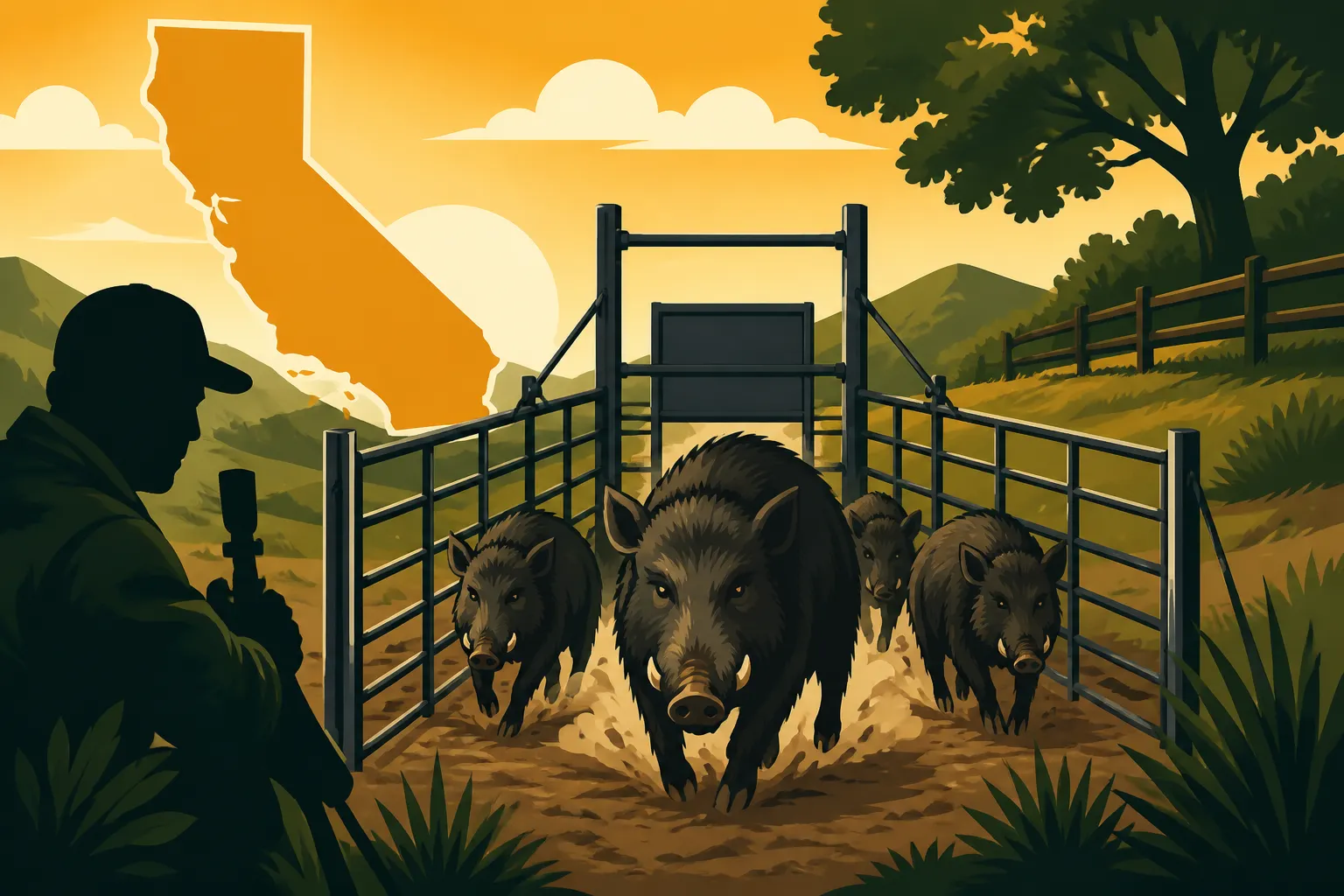
Trapping a Sounder on Private Land
Trapping wild pigs on private land in California can feel like an overwhelming challenge, especially when you're dealing with a wily sounder that's learned to avoid hunters. The damage these animals cause to crops, pastures, and natural habitats is immense, leaving landowners frustrated and looking for effective solutions beyond traditional hunting methods. This guide will walk you through the essential steps, legal considerations, and practical strategies for successfully trapping an entire sounder of wild pigs on your private property, offering a realistic path to mitigating their impact.
Understanding California's Wild Pig Trapping Regulations
Before you even think about setting up a trap, it’s absolutely critical to understand the legal framework surrounding wild pig management on private land in California. The rules are designed to balance landowner rights with wildlife conservation, and getting it wrong can lead to hefty fines or legal trouble. It's not as simple as just putting a box out; there are specific guidelines that must be followed.
The Legalities of Private Land Trapping
On private property, landowners or persons with written permission can take wild pigs throughout the year. This year-round approach is a key aspect of California's approach to wild pigs, acknowledging their destructive nature. Unlike deer or bear seasons, which are highly regulated by specific dates and zones, the wild pig season is continuous. However, even with this flexibility, the method of take, including trapping, must adhere to certain state laws. For instance, any device used for trapping must be checked at least once daily. It's also important to remember that while wild pigs have no bag or possession limit on private land, you're still expected to adhere to ethical take practices. You can learn more about the broader context of Wild Pig Hunting California Year-Round.
Beyond simply having permission, you need to ensure your trapping activities don't inadvertently impact non-target species. This means carefully considering trap design and bait choices. The California Department of Fish and Wildlife (CDFW) strongly encourages responsible trapping practices to minimize harm to other wildlife. If you’re a landowner, make sure you know your property lines clearly, especially if adjacent to public land, as rules can differ significantly. Tools like the land status layers on a GoHunt app can be invaluable for identifying precise boundaries and understanding land ownership, helping you avoid accidental trespass or regulation violations.
Baiting and Night Hunting Nuances for Trapping
Baiting is an integral part of any successful trapping operation, and thankfully, in California, you are permitted to use bait to attract wild pigs on private land. This is a huge advantage compared to big game like deer, where baiting is largely prohibited. The key here is consistency and knowing what works best for pigs. We'll dive deeper into bait selection later, but for now, understand that legal baiting forms the foundation of drawing pigs into your trap. For a more comprehensive look at what's permissible, refer to our guide on Baiting Hogs Legally in California.
Another powerful tool often used in conjunction with trapping, or for follow-up if a sounder gets wary, is night hunting. On private land, under specific conditions, night hunting for wild pigs is legal in California. This means that if a trap doesn't quite catch the entire sounder, or if some pigs become trap-shy, you have additional options. However, night hunting comes with its own set of rules regarding artificial lights and firearm restrictions, which are distinct from trapping regulations. It's crucial to understand Night Hunting Rules for California Hogs if you plan to employ this tactic as part of your overall pig management strategy. The combination of trapping and selective night hunting can be incredibly effective for clearing out persistent sounders causing significant damage.
Harvest Reporting and Tagging Requirements
Even though wild pigs are considered an invasive species and pose significant challenges to agricultural interests and native ecosystems, they are still classified as game animals in California, and proper harvest reporting is mandatory. Every wild pig harvested, whether by trapping, shooting, or any other legal means, must be reported to the CDFW. This is done through the Automated License Data System (ALDS). When you purchase your California's Year-Round Wild Pig Tag, you'll receive detailed instructions on how to report.
The process is typically straightforward: you'll need to provide information such as the date of take, location (county and closest landmark), and method of take. This data helps the CDFW monitor wild pig populations and assess their impact across the state. While there's no physical tag to attach to a trapped pig like there is for deer or bear, retaining proof of your valid wild pig tag and reporting your harvests are critical legal requirements. Failing to report a harvested pig is a violation, so make it a habit immediately after dispatch. This detailed reporting also contributes to the broader understanding of the California Wild Pig Population Estimate.
Here's a quick reference for California Wild Pig Regulations on Private Land:
| Aspect | Legal Status on Private Land | Key Considerations |
|---|---|---|
| Season | Year-round | No closed season or bag limits |
| Trapping | Legal | Traps must be checked at least once every 24 hours |
| Baiting | Legal | Encouraged for attracting pigs to traps |
| Night Hunting | Legal (with restrictions) | Specific rules apply to artificial lights & firearms |
| Tag Required | Yes | Must possess a valid CA Wild Pig Tag |
| Harvest Reporting | Mandatory | Report via ALDS for every pig taken |
| Non-Lead Ammo | Not required for pigs | Recommended for environmental reasons |
Designing and Setting Up Your Pig Trap
Successful pig trapping isn't just about throwing out some bait; it's about engineering a system that's robust, reliable, and specifically designed to capture an entire sounder without allowing them an escape route. Many a frustrated landowner has tried a flimsy trap only to have pigs destroy it or escape, reinforcing their wariness.
Selecting the Right Trap Type
When it comes to trapping sounders, the goal is often to catch multiple pigs at once, not just a single animal. This immediately points you away from smaller, single-catch traps and towards larger, more robust enclosure systems. The most common and effective design for sounders is a large, sturdy panel trap. These are typically constructed from heavy-gauge hog panels or cattle panels, forming a circular or rectangular enclosure. The panels are connected securely, often with heavy-duty zip ties, wire, or hog rings, to prevent pigs from pushing through or lifting them.
You’ll want your trap to be tall enough – at least 5 feet – to prevent pigs from jumping out, especially larger boars. The diameter or footprint of the trap should be generous, allowing enough space for a full sounder to enter comfortably. Many successful trappers build traps 10 to 20 feet in diameter. Consider the number and size of pigs you've observed in the sounder. If you've been seeing an unusually large California Wild Pig Population Estimate in your area, you might need an even bigger setup. Smaller, individual cage traps might work for solitary boars, but they are generally ineffective for sounders, as pigs are intelligent and quickly learn to avoid traps where others have been caught.
Choosing and Positioning the Trigger
The trigger mechanism is the heart of your trap, determining when the gate closes. There are several popular and effective options, each with its own advantages.
- Rooter Trigger (Push-Pull): This is a classic. A trip wire is attached to a bait station inside the trap, and when pigs root and jostle the bait, they pull the wire, releasing the gate. This works well because pigs are natural rooters and are often focused entirely on the food.
- Remote Trigger: For those who want more control and a live view, remote triggers are invaluable. These systems typically use a cellular trail camera or a separate transmitter to send a signal to a solenoid or motor that drops the gate. This allows you to watch the pigs enter, identify the full sounder, and close the gate at precisely the right moment, often from the comfort of your home. This eliminates prematurely springing the trap on a few smaller pigs while the matriarch sow and larger boars are still outside. GoHunt's mapping features can sometimes help scout locations for cell service to ensure your remote camera setup works flawlessly.
- Tripwire/Snare Trigger: A simple trip wire stretched across the entrance, often disguised or camouflaged, can work, but it’s less selective. It might spring on the first few pigs, potentially alerting the rest before the full sounder is inside.
Positioning the trigger is critical. It needs to be placed where the maximum number of pigs will interact with it. For rooter triggers, place the bait directly under or around the trip point. For remote triggers, ensure your camera has a clear view of the entire trap entrance and interior. Always test your trigger mechanism multiple times before committing to a live set.
Strategic Placement for Maximum Catch Rates
The location of your trap is just as important as its design. You can have the best trap in the world, but if it's in the wrong place, it won't catch anything. Pigs are creatures of habit, often using the same travel corridors and feeding areas.
- Scouting is Key: Spend time scouting your property. Look for fresh Reading California Mud for Fresh Deer Movement (and pig tracks!), wallows, rooting signs, and trails leading to and from bedding areas or water sources. Areas near natural springs, oak woodlands (where acorns might drop), or agricultural fields that pigs are damaging (like corn or alfalfa fields) are prime locations. For instance, Hunting Pigs on Central Coast Oak Ranges highlights how pigs rely on these food sources.
- Traffic Funnels: Place your trap in a natural funnel or pinch point that pigs are already using. This could be a narrow section of a wash, a fence line opening, or a saddle between two hills. Pigs prefer to move along paths of least resistance, and exploiting these natural routes increases your chances significantly.
- Concealment: While pigs aren't usually trap-shy initially if you've pre-baited correctly, making the trap appear less obtrusive can help. You don't necessarily need full camouflage, but avoid placing it in a wide-open, exposed area if possible. Brush or natural cover around the trap can make it feel more secure to incoming pigs.
- Accessibility: Consider how you will access the trap after a catch. You'll need to dispatch and remove the pigs, which can be a significant undertaking. Choose a location that's accessible by vehicle if possible, or where you can get a game cart in. Remember, a single adult wild pig can weigh well over 200 pounds, so moving multiple animals is no small feat.
Mastering the Art of Pre-Baiting and Attractants
This is arguably the most critical phase of successful sounder trapping. Patience and consistency in pre-baiting will be the difference between catching one or two wary pigs and taking out an entire destructive sounder. Skimping on this step is the most common reason for trapping failure.
The Critical Role of Consistent Pre-Baiting
Pre-baiting is a non-negotiable step. It involves providing a consistent, appealing food source inside your open trap for an extended period, allowing the pigs to grow accustomed to entering and feeding without fear. Think of it as building trust. Pigs are intelligent and can be cautious, especially larger, older sows that lead sounders. If they perceive the trap as a threat, they will avoid it.
The process often takes days, sometimes weeks, depending on the sounder's wariness and the amount of local hunting pressure. Start by placing bait outside the open trap entrance, gradually moving it inside. Once pigs are regularly entering the open trap and feeding confidently, you're ready to move to the next step. Resist the urge to set the trap too early. A prematurely sprung trap on only a few individuals can spook the entire sounder, making them trap-shy for months, if not permanently. This long-term commitment is essential for comprehensive pig management on your property, especially when facing California Wild Pig Damage to Vineyards or other agricultural losses.
Effective Bait Selection and Deployment
Wild pigs are omnivores with a keen sense of smell, making a wide variety of baits effective. However, some baits are definitely more attractive than others, and consistency is key.
- Corn: Yellow corn is the undisputed king of pig baits. It's affordable, widely available, and pigs absolutely love it. Fermented or soured corn is even more potent due to the strong smell, which attracts pigs from a distance.
- Commercial Attractants: Many companies offer commercial pig attractants, often highly scented and designed to pull pigs in. These can be used in conjunction with corn to boost appeal. Brands like Wildgame Innovations or Hog Heaven often have potent formulas.
- Pastries/Sweets: Stale donuts, old bread, or other sugary treats are surprisingly effective. Pigs have a sweet tooth!
- Molasses/Syrup: Drizzling molasses over corn or other baits can increase its stickiness and aromatic appeal.
- Deployment: Spread the bait liberally inside the trap, especially around the trigger mechanism. You want to encourage multiple pigs to enter and spend time feeding. Some trappers dig a shallow trench or create a "bait pile" to encourage rooting behavior, which can be particularly effective for rooter-style triggers. Consider using a feeder system that drips or dispenses bait slowly, creating a more consistent presence without requiring daily visits.
Remember, the goal is to establish a routine. Pigs should associate your trap with an easy, abundant food source.
Monitoring, Timing, and When to Commit
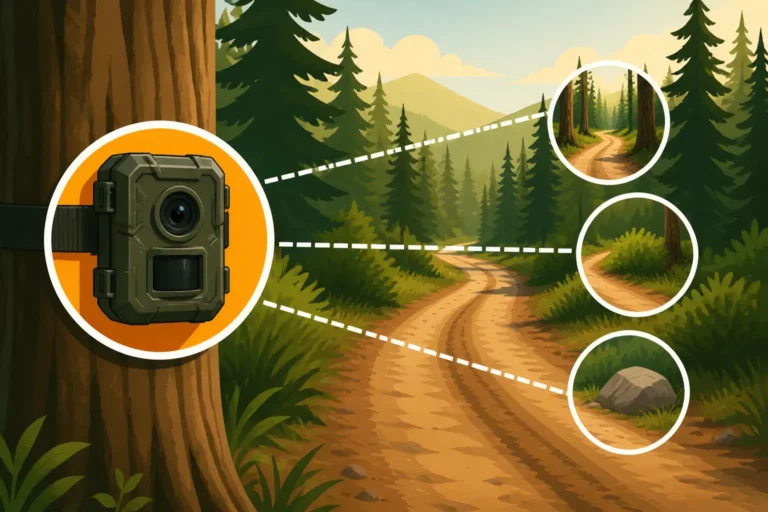
During the pre-baiting phase, regular monitoring is crucial. This is where a good trail camera shines. Deploy a few Choosing a Trail Camera for California Terrain around and inside your open trap. You want to confirm that pigs are consistently visiting, entering, and feeding freely. Pay attention to the timing of their visits – are they mostly nocturnal, or do they show up during the day?
Look for the entire sounder to be present. Often, a few smaller pigs or curious individuals will enter first. You're waiting for the dominant sow (the matriarch of the sounder) and any accompanying larger boars to become comfortable. Once you have photographic or video evidence that the entire sounder is routinely inside the trap, feeding confidently for several consecutive nights (or days, depending on their pattern), that's your window. This is the moment to transition from pre-baiting to setting the trap. This commitment to observation minimizes the risk of educating pigs and maximizing your chances of a full sounder capture.
Executing the Trapping Operation and Ethical Harvest
The day you decide to set the trap is often filled with anticipation. This phase requires careful planning, a commitment to ethical practices, and readiness for the work ahead. It's not just about closing a gate; it's about responsible wildlife management.
The Moment of Truth: Setting and Checking the Trap
Once you've confirmed that the sounder is consistently using the trap, it's time to set the trigger. If you're using a remote trigger, this simply means activating the system and waiting for the right moment to drop the gate when the maximum number of pigs are inside. If you're using a manual rooter or tripwire trigger, you'll need to visit the trap, set the mechanism, and then retreat quickly and quietly.
After the trap is set, you must check it daily, as mandated by California law. This isn't just a legal requirement; it's an ethical one. Pigs can become stressed and injure themselves in a trap, and leaving them for extended periods is inhumane. Check the trap early in the morning to confirm a catch. If you arrive and the trap is sprung but empty, or only partially successful, you'll need to assess why. Was the trigger too sensitive? Did a few escape? This immediate feedback loop is crucial for adapting your strategy for the next attempt. For more general advice on pig hunting, you can check out Wild Pig Hunting California Year-Round.
Responsible Dispatch and Game Handling
Upon confirming a capture, the next critical step is the humane and efficient dispatch of the trapped pigs. This is not a task to take lightly. The goal is to minimize stress and ensure a quick, clean kill.
- Safety First: Always approach a trap with caution. Trapped pigs, especially large boars, can be dangerous. Maintain a safe distance and be aware of your surroundings.
- Caliber and Shot Placement: Use an appropriate firearm and ammunition that will dispatch the animal quickly and humanely. A head or neck shot is generally recommended for immediate incapacitation. Be sure to use a caliber you are proficient with.
- Multiple Animals: When dealing with a sounder, you will likely have multiple animals in the trap. Dispatch them calmly and methodically. It's often best to dispatch the largest, most dominant animals first, as this can reduce panic among the others.
- Game Care: Once dispatched, begin processing the animals immediately. Wild pig meat is excellent, but proper field care is essential, especially in warmer California climates. Rapid cooling is crucial to preserve the quality of the meat. If it's warm out, learning how to handle Field Dressing a Deer in Hot Weather can be applied, with similar principles for pigs. Have a cooler with ice ready, or be prepared to quarter the animals for easier transport and cooling.
Dealing with Non-Target Animals and Challenges
One of the challenges of trapping is the possibility of catching non-target animals, such as deer, raccoons, or even domestic livestock if your property is near a ranch.
- Prevention: To minimize non-target catches, avoid extremely appealing baits for other species (e.g., strong fruit smells might attract bears, though rare in pig traps). Trap design can also help; for example, a raised tripwire might allow smaller animals to pass underneath while triggering for pigs.
- Release: If you do catch a non-target animal, you must release it unharmed. Approach cautiously, and if necessary, use a "catch pole" or other humane method to manage the animal while you open the trap. Always prioritize the safety of both yourself and the animal.
- Trap-Shy Pigs: Even with the best pre-baiting, some pigs, especially survivors of previous trapping attempts, can become incredibly trap-shy. If a sounder avoids your trap after an initial capture, you may need to move the trap to a new location, change your bait, or switch tactics entirely, perhaps focusing on Coyote Calling California Ranch Land to remove other predators that might be in the area, or revert to traditional hunting methods like Spot-and-Stalk California Bear Hunting Before the Quota Closes (adapted for pigs) for those wary individuals. The use of a quality mapping app like GoHunt can help you identify alternative locations with good pig sign, away from the previously "hot" but now compromised spot. Persistent, educated pigs require a more dynamic approach.
Remember, trapping a sounder is an ongoing process. It’s not a one-and-done solution, but a vital tool in responsible private land management for combating the persistent challenge of California’s wild pig populations.
Disclaimer
Always consult the most current California Department of Fish and Wildlife (CDFW) regulations before engaging in any hunting or trapping activities. Regulations can change, and it is the individual's responsibility to ensure compliance with all state and federal laws.