Grunt Calls in Coastal Oak Timber
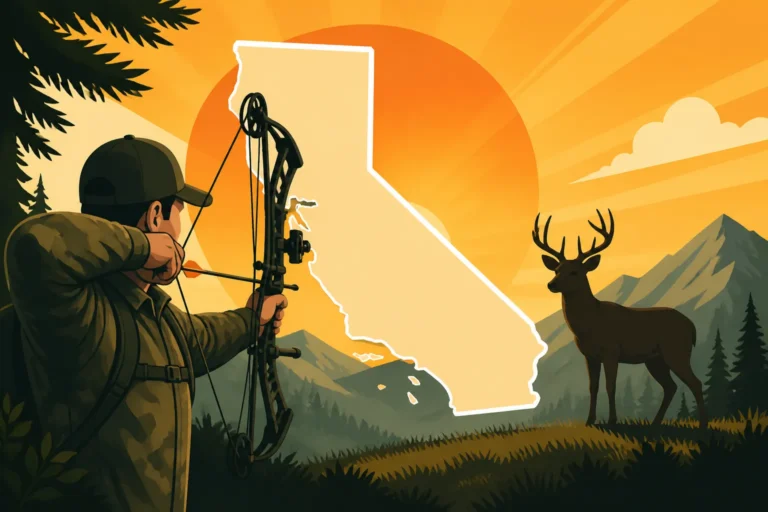
Coastal blacktails are notoriously shy, often seeming to vanish into the thick oak woodlands just when you think you've found them. This elusiveness can be incredibly frustrating for even seasoned hunters, turning what should be an exciting pursuit into a game of hide-and-seek where the deer always seem to win. But what if you could speak their language, drawing them out of the dense cover? This guide will dive deep into how judiciously employing grunt calls can be a secret weapon in your arsenal, helping you effectively hunt blacktail bucks in California's coastal oak timber.
Understanding Blacktail Behavior in Coastal Oak Timber
Hunting blacktail deer in California's coastal oak woodlands presents a unique set of challenges compared to pursuing other deer species in more open terrain. These deer are incredibly adapted to their dense, often steep environment, making them particularly difficult to locate and approach.
The Elusive Nature of Coastal Blacktails
Blacktails, especially in the thick coastal oak and chaparral, are not your wide-open country mule deer. They are masters of cover, often using dense brush and oak thickets as their personal fortress. Their home ranges can be surprisingly small, but within that small area, they can disappear with uncanny ability. This makes traditional spot-and-stalk difficult in many areas, as simply seeing a deer is half the battle. They move like ghosts through the undergrowth, seemingly appearing and disappearing at will.
Their survival depends heavily on their ability to stay hidden. Unlike their eastern cousins that might come to a food plot in the open, a California blacktail buck in the Coast Range often prefers to stay just inside the timber edge, or even deep within the brush, only stepping out briefly at dawn or dusk. They are incredibly sensitive to human presence, movement, and scent, making every step you take a potential bust. This wariness is ingrained, passed down through generations of avoiding predators and hunters.
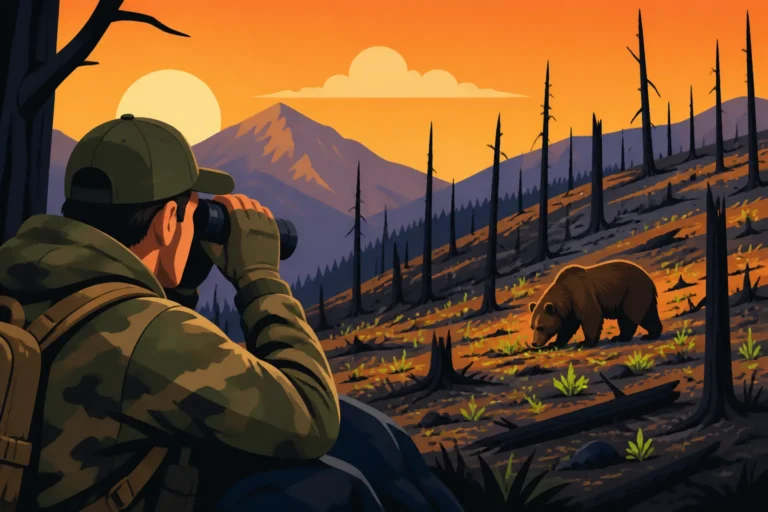
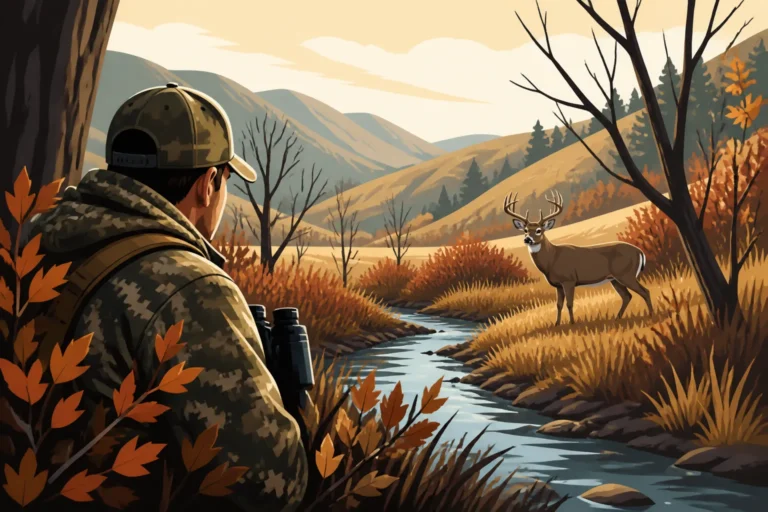
This also means that when you do see a buck, it's often a fleeting glimpse – a flicker of antler, a dark body melting back into the shadows before you even have a chance to raise your binoculars. This is where vocalizations can bridge the gap, making them curious enough to step out for a closer look when you're well-hidden. Knowing where to look for them, like prime bedding areas and secure escape routes, is crucial before you even think about calling. Understanding where California Blacktail Bucks Bed can give you a significant advantage.
Reading the Habitat and Timing Your Hunt
Coastal oak woodlands offer a rich, diverse ecosystem that blacktails thrive in. Think about the variety of forage—acorns dropping in the fall, various shrubs providing year-round browse, and tender green shoots emerging after winter rains. This abundance means deer don't always have to travel far for food, further contributing to their "stickiness" within their preferred cover. They don't need to expose themselves in large open fields as often as deer in other habitats.
Understanding the specific terrain is vital. Look for saddles, ridge lines, and creek bottoms that act as natural travel corridors between feeding and bedding areas. Deer often use these topographical features to move efficiently while staying as concealed as possible. A mapping tool like GoHunt can be invaluable here, helping you identify potential pinch points or funnels where a buck might pass as he moves through the dense canopy. Remember, these bucks use their environment to their advantage, often navigating terrain that seems impossible to a human, clinging to the steepest, brushiest slopes. For more on this, check out how to identify Hunting a Funnel Between Two Oak Ridges.
Timing your hunt around the rut is another critical factor for grunt call success. While blacktails can be grunted in outside the rut, peak breeding activity makes bucks far more receptive to challenging or curious vocalizations. They are driven by an instinct to find does and ward off rivals, making them momentarily less cautious. The timing of the rut can vary by zone, but typically peaks in late October through November in many coastal areas. Understanding When the California Rut Peaks by Zone will greatly enhance your calling efforts, as bucks are far more likely to respond to a grunt call when their hormones are raging.
The Art of the Grunt Call: When and How to Use It
Mastering the grunt call for blacktails isn't about volume or aggression; it's about subtlety, timing, and understanding the nuances of deer communication in their natural environment.
Choosing the Right Grunt Call
Not all grunt calls are created equal, and some work better for blacktails than others. You'll want a call that can produce a range of sounds, from a soft, subtle doe bleat to a deep, guttural buck grunt. Adjustable calls are fantastic because they allow you to fine-tune the tone and pitch, mimicking different deer types or emotional states. Brands like Primos and Flextone offer versatile grunt tubes that are widely available and effective, providing the flexibility you need for various situations.
The key isn't necessarily the brand, but the sound it produces. Blacktails typically respond best to softer, more subtle grunts. Avoid overly aggressive or loud grunts, especially when starting, as these can easily spook a wary coastal buck. Think about what a natural deer sound would be in their environment – not a booming sound that travels for miles across open fields, but something heard through the dense undergrowth, designed to pique curiosity or challenge without causing alarm.
Practice with your call before you hit the woods. Learn to control the air pressure and position of your hand over the end of the tube to modify the pitch and volume. Can you make it sound like a young buck? A mature buck? A doe? Having this versatility will significantly increase your success rate, allowing you to adapt your call to the specific scenario you encounter. Getting comfortable with the various tones is essential, so it becomes second nature when a deer is in sight.
Situational Grunting: Decoding Deer Responses
When should you grunt? The best times are often when you've just spotted a buck moving away, or when you suspect a buck is nearby but hidden in thick cover. A single, soft grunt can often stop a deer in its tracks, giving you a precious second to get a shot opportunity. If you don't see anything but the conditions are right (e.g., during the rut, in a known bedding area with good sign), blind grunting can also be effective to draw out a curious buck.
How you grunt depends entirely on the deer's reaction. If a buck stops and looks in your direction after your first grunt, hold absolutely still and be ready. If he continues moving away, try a slightly louder series of grunts, perhaps two or three, but don't overdo it. If he turns and starts coming in, go silent. Let his curiosity bring him the rest of the way. Over-calling is a common mistake that will quickly educate even a curious buck and make him suspicious rather than intrigued.
Consider the wind and thermals meticulously, as they are non-negotiable elements of successful calling. Grunt calls are auditory, but deer rely heavily on their nose as their primary defense. Always position yourself downwind of where you expect the deer to approach. In steep coastal country, thermals can be tricky, often rising in the morning as the sun warms the earth and falling in the evening as it cools. Understanding Wind and Thermals in Steep Sierra Country (many principles apply to coastal hills too) is paramount. If a buck catches your scent, no amount of grunting will bring him in, and he'll be gone before you even know he was there.
Advanced Grunting Strategies and Common Mistakes
Moving beyond the basics of using a grunt call means incorporating it into a broader hunting strategy and learning to avoid common pitfalls that can ruin an otherwise promising setup.
Pairing Grunts with Other Calls and Visuals
While a standalone grunt call can be effective, pairing it with other sounds can create a more realistic scenario that's harder for a wary buck to ignore. A subtle doe bleat followed by a buck grunt, for example, can sound like a buck trailing a doe in heat, which can pique the interest of a dominant buck looking for a breeding opportunity. Likewise, combining soft grunts with light Rattling and Grunting California Blacktail Bucks can mimic two bucks sparring or challenging each other, especially during the pre-rut and peak rut. This can often draw in a dominant buck eager to assert his territory or a curious younger buck.
Sometimes, a visual element can be the final piece of the puzzle. While decoys are often challenging to deploy effectively in dense coastal timber due to visibility issues and logistical hurdles, if you're hunting an open edge, a subtle decoy can draw a buck’s attention away from your exact location and make him commit to coming into range. However, in thick cover, the sound itself is usually enough, and a decoy can be cumbersome or even counterproductive if the buck sees it in an unnatural setting.
Think about the whole scene you're creating. Is it a lone buck looking for companionship? Is it two bucks in a dominance display? Your calling sequence should tell a story that makes sense to a blacktail in his world. This requires you to put yourself in their hooves and understand what motivations drive them at that particular time of year. A realistic scenario will always be more convincing than just random grunts.
Avoiding Common Grunting Pitfalls
One of the biggest mistakes hunters make when using grunt calls is calling too often or too loudly. Blacktails are already on edge, and an unnatural-sounding, repetitive, or overly aggressive call will send them deeper into the brush, not out of it. Start soft and subtle, just barely audible, and only increase volume or frequency if the deer seems unresponsive or is actively moving away from you. Think of it as a whispered invitation, not a shouted challenge.
Another critical pitfall is poor setup. If you're grunting, you need to be absolutely still, perfectly concealed, and ready for a shot the moment the buck appears. Deer will often circle downwind or approach from an unexpected angle, trying to confirm what they're hearing. Make sure you have clear lanes of fire in multiple directions from your ambush point. For effective concealment, research Hunting Coastal Range Oak Woodlands and consider the natural cover available – often, these overlooked spots offer better cover and less pressure from other hunters.
Don't give up too quickly. Sometimes a buck needs time to make up his mind, especially if he's a mature, wary animal. After a calling sequence, remain silent and still for 15-20 minutes, intently scanning the entire area. A buck might be slowly circling, trying to get a read on the situation or get your wind before he commits to stepping into view. Patience is a virtue, especially when hunting the wary coastal blacktail; rushing this part can easily blow your opportunity. It’s also important to use mapping apps, like the ones available through GoHunt, to help you visualize terrain and anticipate animal movement when setting up your calling ambush, ensuring you're covering all likely approach routes.
Integrating Grunts with Your Overall Hunting Strategy
A grunt call is a powerful tool, but it's most effective when seamlessly integrated into a comprehensive hunting strategy that prioritizes scouting, location, and combining various techniques.
Scouting and Location are Key
A grunt call is a tool, not a magic wand. Its effectiveness is multiplied exponentially by good scouting. Before you ever think about blowing a call, you need to know where the deer are. Look for fresh tracks, rub lines on saplings, and active scrape lines along travel corridors. These signs tell you bucks are in the area and, more importantly, are actively communicating and looking for does or other bucks. Understanding Scrape Lines Along a Forest Service Road can provide crucial insights into where to set up, as these are often prime spots for bucks to check for does.
Focus on areas where bucks are likely to feel secure but also have a reason to respond. Ridge tops with good cover, dense brush edges, and creek bottoms are prime locations where deer travel and feel safe. Use your GoHunt maps to identify remote areas with less human pressure. These are often the places where older, more dominant bucks reside and might be more inclined to investigate a grunt, having faced less negative interaction with hunters. Reading Finding Sign in a Coastal Oak Woodland will help you pinpoint these promising locations.
During the rut, concentrate your efforts near known doe bedding and feeding areas. Bucks will be cruising these locations, frantically searching for does. A well-timed grunt here can simulate a rival moving in on their territory or a doe that’s ready to be bred, triggering a strong response. The more you know about the local deer movement patterns, the better your chances of success, as you'll be calling where bucks are already active and susceptible.
Combining Grunting with Still-Hunting and Stand Hunting
Grunt calls can be integrated effectively into both still-hunting and stand hunting strategies, offering versatility depending on your preferred method and the specific terrain. When still-hunting through thick coastal oak, move slowly and deliberately, pausing frequently to listen and scan your surroundings. Every 50-100 yards, especially in promising cover, try a soft grunt or two. This can often stop a deer that's just out of sight, or even draw out one that's bedded nearby, wondering what's making the noise. This method is particularly effective when you're moving through potential bedding cover, as you're taking the call to them.
For stand hunting, choose a spot overlooking a natural funnel, a well-used game trail, or an active scrape line. Set up well before daylight, allowing the woods to settle down and any disturbance from your entry to dissipate. Once settled, begin with soft, subtle grunts intermittently, especially during peak rutting hours in the morning and evening. You're trying to convince a buck that another deer is moving through his area, without making him suspicious. A well-placed ground blind, brushed into a field edge or along a travel corridor, can provide excellent concealment for calling, allowing you to move and operate your call undetected.
Patience is paramount, regardless of your hunting style. Don't rush your calls, and don't rush your movements. Blacktails in these environments are incredibly sensitive to any perceived threat. A strategic series of soft grunts, combined with unwavering patience and a solid understanding of the deer's habitat, will significantly increase your odds of luring in a wary buck. Remember, the goal isn't to blast out calls, but to subtly engage a buck's curiosity or territorial instincts, drawing him into your kill zone.
Here's a quick reference for common grunt call scenarios:
| Scenario | Call Type | Volume | Frequency | Notes |
|---|---|---|---|---|
| Buck moving away | Soft grunt, tending grunt | Low | 1-2 grunts | Aims to stop or turn him. Be ready for a shot. |
| Blind calling (rut) | Buck grunt, doe bleat | Low-Med | 1-3 grunts every 15 mins | Mimics deer activity; for curious bucks. |
| Buck approaching cautiously | None | Silent | Silent | Let curiosity bring him in. Do not overcall. |
| Buck looking in your direction | Soft grunt | Very Low | 1 grunt | Confirms presence, might draw him closer. Stay hidden. |
| Buck trailing a doe | Tending grunt | Med | 2-3 grunts | Challenges his dominance, or makes him think it's another buck. |
| Deer out of sight, but nearby | Soft grunt | Low | 1 grunt | Gauges response, might make him step into view. |
This table provides a basic framework, but remember to adapt to the specific situation and the deer's reaction. Every buck is an individual, and every hunting scenario is unique.
Disclaimer
Hunting in California comes with specific regulations and requirements. Always consult the current California Department of Fish and Wildlife (CDFW) regulations before heading afield. Ensure you have the proper licenses, tags, and understand all rules regarding hunting seasons, bag limits, and legal methods of take. This guide is for informational purposes only and does not supersede official CDFW regulations.