Hunting Into a Late-November Zone Close
That late November crunch, when the deer season is winding down, can feel both exhilarating and incredibly frustrating. The deer are pressured, the weather can be brutal, and time is running out to fill that tag. It's a make-or-break period where every decision counts. This guide will walk you through the specific challenges and proven strategies for successfully hunting into a late-November zone close in California, helping you make the most of those final, precious days and hopefully punching that tag before the clock runs out.
Understanding Late-Season Deer Behavior in November
Hunting during the last weeks of November, especially as a zone is about to close, presents a unique set of challenges and opportunities. Deer behavior shifts dramatically from the earlier, often warmer months. They've been pressured, natural food sources are dwindling, and the chill of winter is setting in. To consistently find success, we really need to get inside their heads and understand these changes.
Food Sources and Changing Patterns
By late November, the lush browse and abundant acorns that sustained deer in earlier fall are often long gone or significantly diminished. This forces deer to change their feeding patterns drastically. Instead of scattered feeding, they'll concentrate on the most calorie-dense, accessible food sources remaining. This might mean browsing on evergreens, seeking out late-season forbs, or even hitting agricultural fields if available and accessible. Areas that were hot earlier in the season due to acorn drops, like certain oak woodlands, might now be barren, pushing deer to seek out different parts of their range. Knowing what constitutes "Late-Season Food Sources for California Deer" is critical. You might find them focusing on creek bottoms or south-facing slopes where some vegetation can still cling on, warmed by the low winter sun.
Deer are constantly weighing the energy gained from food against the energy expended and the risk of exposure. They'll travel further for a good meal if it means less human interaction, or they'll hunker down in thicker cover closer to a less desirable food source if pressure is high. This also means their patterns become more predictable, but only if you've done your homework. Using mapping tools to identify potential late-season food patches and then scouting for fresh sign around them is key.
The Tail End of the Rut and Post-Rut Movements
While the primary rut in many California zones peaks in October or early November, you might still catch the tail end of it, or a "second rut" with some does coming into estrus later. However, for the most part, bucks are entering the post-rut phase. They've lost a significant amount of weight, are exhausted, and their priority shifts from breeding to recuperating. This means they'll be looking for dense cover to bed down and conserve energy, often only moving during low light to feed. They are far less tolerant of disturbance and will quickly abandon areas if they sense danger.
This post-rut behavior can make bucks incredibly elusive. They're not chasing does heedlessly across open country anymore. Instead, they become ghosts, moving like shadows through the thickest brush or timber. You'll often find them utilizing north-facing slopes with dense cover where they can escape the sun and wind, or tucked into deep canyons. This is where patience truly becomes a virtue, as still-hunting these areas slowly and methodically is often the most effective way to intercept a weary buck.
Adapting to Increased Pressure and Weather
The closer you get to season's end, the more concentrated hunting pressure often becomes. Many hunters, desperate to fill a tag, will hit accessible public lands hard, pushing deer into even more remote and secure areas. Deer learn quickly. They'll know which roads are busy, which trails are frequently walked, and they'll adjust their movements accordingly, often becoming almost entirely nocturnal in heavily hunted spots.
Combine this pressure with the unpredictable late-November weather—anything from freezing rain and wind to even early snow in higher elevations—and you have a recipe for truly challenging hunting conditions. Deer will seek thermal cover: dense conifer stands, protected ravines, or south-facing slopes that catch what little warmth the sun offers. They'll be looking to minimize energy expenditure while maximizing safety. Your strategy needs to account for both these factors. If you're hunting in a D-Zone that opens in November, you'll need to recognize that these deer have likely been pressured for weeks, if not months, by hunters in earlier zones. Staying flexible and ready to move to find unpressured pockets of deer is crucial.
Strategic Approaches for a Late-November Close
With deer being highly pressured and focused on survival, your hunting strategy for a late-November close needs to be surgical and adaptable. Gone are the days of leisurely walks or long waits over open fields. Success now hinges on understanding how deer utilize terrain for security and thermal regulation, and moving through their world with minimal disturbance.
Focusing on Cover and Security Areas
By late November, deer are almost entirely dedicated to seeking out the thickest, most difficult-to-access cover they can find. This includes dense brush fields, heavy timber, deep canyons, and remote pockets of public land that few other hunters are willing to penetrate. Think about areas that offer a combination of thermal protection from the elements and visual security from predators, including us hunters. Deer will often bed in these areas during daylight hours, only venturing out briefly at dawn or dusk, sometimes even after legal shooting light, to feed.
Your focus should shift from traditional feeding areas to these bedding sanctuaries and the immediate travel corridors connecting them to remaining food sources. This might mean hunting a north-facing slope with thick stands of timber or a south-facing slope with dense chaparral. A great tactic is to identify these security areas using mapping tools like GoHunt, then scout their perimeters for fresh sign of deer moving in and out. Understanding "Where California Blacktail Bucks Bed" in particular types of terrain will be immensely helpful. These often aren't the most comfortable places to hunt, but that's precisely why deer choose them.
Mastering Still-Hunting and Patience
In these late-season conditions, still-hunting becomes an art form. This isn't about covering ground quickly; it's about covering ground effectively. You're moving at a snail's pace, often taking only a few steps every minute, stopping frequently to glass and listen. Your eyes should be scanning for horizontal lines in a vertical world—the back of a bedded deer, the flick of an ear, a patch of hide through the brush. Focus on subtle movements, not just entire animals. This method is particularly effective when Still-Hunting California's Sierra Nevada Timber or pushing through dense coastal chaparral.
Patience is your absolute best friend. Deer often bed just inside the edge of thick cover, waiting until the last possible second to move. If you push too fast, you'll jump them before you even know they're there. Take the time to really dissect the terrain with your optics. Spend 10-15 minutes thoroughly glassing a promising thicket before moving on. The cold weather and shorter days mean deer are conserving energy, making them less likely to move and more likely to hold tight. Your slow, deliberate approach mimics a non-threatening presence, sometimes allowing you to spot a bedded buck before he detects you.
Utilizing Topography and Wind
Understanding how deer use topography and how wind and thermals affect their movement is always important, but never more so than in late November. Deer will use terrain features like ridges, saddles, and creek bottoms as travel corridors and for defensive positioning. A ridge-top saddle, for example, can serve as a natural funnel, especially when deer are moving between bedding and feeding areas, making it an ideal ambush point. Learning to hunt a ridge-top saddle at first light can be highly effective.
Furthermore, wind and thermals dictate deer movement, especially when they're wary. In the colder, late-season air, thermals can be particularly strong, pulling scents uphill in the morning and downhill in the evening. You must always position yourself downwind or crosswind of where you expect deer to be. Deer will almost always bed with the wind at their back, allowing them to smell danger behind them, while visually scanning the terrain in front. This means you need to approach from a direction that keeps your scent out of their nose. Using a mapping application like GoHunt can help you predict wind direction relative to terrain, allowing you to plan your approach and escape routes effectively.
Essential Gear and Scouting for Success
Late-season hunting is often synonymous with adverse conditions. Being prepared with the right gear and having thoroughly scouted your hunting area can make all the difference between a miserable trip and a successful one. Don't let a lack of preparation shorten your hunt or compromise your safety.
Optics and Apparel for Cold Weather
The later days of November often bring crisp, cold mornings and short, dim evenings. Quality optics are paramount. Binoculars with excellent low-light performance will give you a critical edge when glassing those dark timber edges or deep canyon shadows for a bedded buck. A good pair of 10×42 or 12×50 binoculars, paired with a solid tripod, will allow you to pick apart distant cover and spot subtle movement that naked eyes would miss. When you're "Glassing a Canyon for a Bedded Buck," you'll appreciate every bit of light-gathering capability your optics provide.
Layering your clothing is non-negotiable for late-season hunts. Temperatures can swing wildly from freezing pre-dawn lows to comfortable midday highs, then plummet again after sunset. Start with a good moisture-wicking base layer, add insulating mid-layers like fleece or down, and top it with a windproof and waterproof outer shell. Don't forget a warm hat, gloves, and quality insulated boots. Sitting still for long periods in the cold can quickly chill you to the bone, so having the right apparel ensures you can stay out longer and remain focused. Consider bringing an extra pair of socks or a hand warmer for those really frigid mornings.
Pre-Season Scouting and Real-Time Intel
While the season is winding down, your scouting efforts shouldn't. In fact, they should intensify. Pre-season scouting (meaning scouting before the late-November window, not necessarily before the entire deer season) is crucial for identifying potential late-season hotspots. Look for areas with dense cover, south-facing slopes, and any remaining food sources. However, conditions change. What was a good food source in September might be completely picked over by late November.
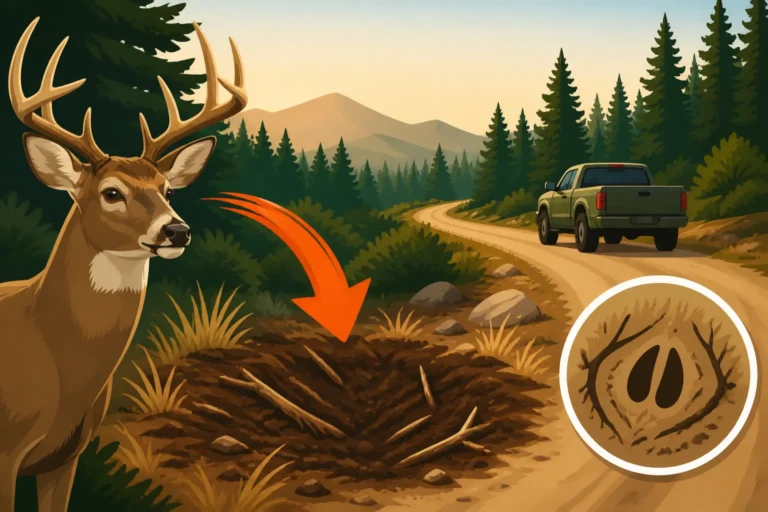
That's why real-time intel is so important. If possible, scout a few days before your hunt. Look for fresh tracks in the mud or any lingering snow. Pay attention to rub lines and scrape lines—while the peak rut is over, some bucks will still make or refresh scrapes, especially if a late-cycling doe is in the area. Apps like GoHunt or onX Hunt are invaluable for identifying property boundaries, recent burns, water sources, and potential bedding areas. You can also use them to mark sign you find, helping you build a picture of current deer movement. This kind of detailed "Scouting California Public Land Before Season" gives you a significant advantage.
Packing Out in Tough Conditions
Successfully filling your tag in late November is only half the battle; getting your animal out can be the toughest part, especially if you're deep in the backcountry or dealing with snow or rain. Always carry sufficient game bags, a sharp knife, and a lightweight bone saw. Quartering your deer in the field is almost always the most efficient way to get it out, especially in steep terrain.
Consider bringing a sturdy backpack frame or a game cart if the terrain allows. If you're hunting steep, rugged areas, a quality internal or external frame pack is a lifesaver. Ensure you have plenty of water, a headlamp with extra batteries, and a first-aid kit. It's always a good idea to let someone know your hunting plans and expected return time, especially when heading into remote areas. Recovery can often take longer than the hunt itself, so plan for it. You might be tracking a deer in fresh Sierra snow, which can be both challenging and rewarding.
| Feature | Early Season (Sept-Oct) | Late November Close |
|---|---|---|
| Deer Activity | More visible, less nocturnal, driven by food/rut excitement | Highly nocturnal, focused on survival, wary, conserving energy |
| Food Sources | Acorns, lush browse, varied forage, abundant | Limited browse, specific evergreen patches, agricultural remnants |
| Cover Preference | Utilizes varied cover, sometimes more open areas | Dense, thick thermal cover, remote security areas, deep canyons |
| Hunting Pressure | Varies, can be high on openers | Concentrated, pushing deer into remote/inaccessible areas |
| Weather | Often warm to mild, potential for sudden storms | Cold, freezing temperatures, wind, rain, potential snow |
| Movement Patterns | Can be erratic with rut; consistent feeding patterns | Minimal daylight movement, direct routes between bed/feed |
| Optimal Tactics | Ambush near food, rattling/grunting (rut), glassing open areas | Still-hunting, slow methodical movement, targeting bedding |
Final Thoughts for Your Late-Season Success
Hunting into a late-November zone close in California is a testament to perseverance and adaptability. It demands a different mindset than early-season hunts, pushing you to really hone your skills and embrace the challenge. Remember, success often comes to those who are willing to put in the extra effort when others have packed up and gone home.
Whether you're after a majestic Columbia Blacktail, or any other California deer, the principles remain the same. Respect the animal, respect the land, and always prioritize safety. Check the current regulations for your specific zone, as rules can sometimes change. And don't forget that California's non-lead ammunition requirement applies statewide, so ensure your rifle is loaded with appropriate rounds. Sometimes, even after the season closes, opportunities for "Shed Hunting on California Public Land" arise, offering another way to connect with the landscape.
Remember to utilize all the resources at your disposal, from detailed topographical maps on platforms like GoHunt to consulting local CDFW reports. The more you understand about deer behavior, their habitat, and how they react to pressure and weather, the better equipped you'll be to make those final days count.
Disclaimer
Hunting is an inherently dangerous activity. This guide provides general information and strategies, but local conditions, regulations, and individual circumstances can vary greatly. Always consult the official California Department of Fish and Wildlife (CDFW) regulations before hunting. Prioritize safety, ethical hunting practices, and personal responsibility at all times. The author and publisher are not responsible for any accidents, injuries, or legal infractions that may occur.