California Quail Season Dates
For many California upland hunters, the rapid flush of a quail covey is the ultimate thrill, a sound that signals the true arrival of fall. But if you've ever tried to nail down the exact dates for quail season, you know it can feel like deciphering ancient texts. With different species, diverse habitats, and regional variations, figuring out when and where you can chase these speedy birds can be genuinely confusing. This guide will cut through that complexity, providing a clear breakdown of California's quail season dates and the essential details you need to plan a successful hunt.
Understanding California's Quail Species and Their Seasons
California is blessed with a remarkable variety of upland game, and quail are certainly at the top of that list. We have three main species of quail that hunters pursue: the iconic Valley Quail, the elusive Mountain Quail, and the desert-dwelling Gambel's Quail. Each has its own preferred habitat, distribution, and, often, slightly nuanced season dates or bag limits designed to manage populations effectively.
The Ubiquitous Valley Quail
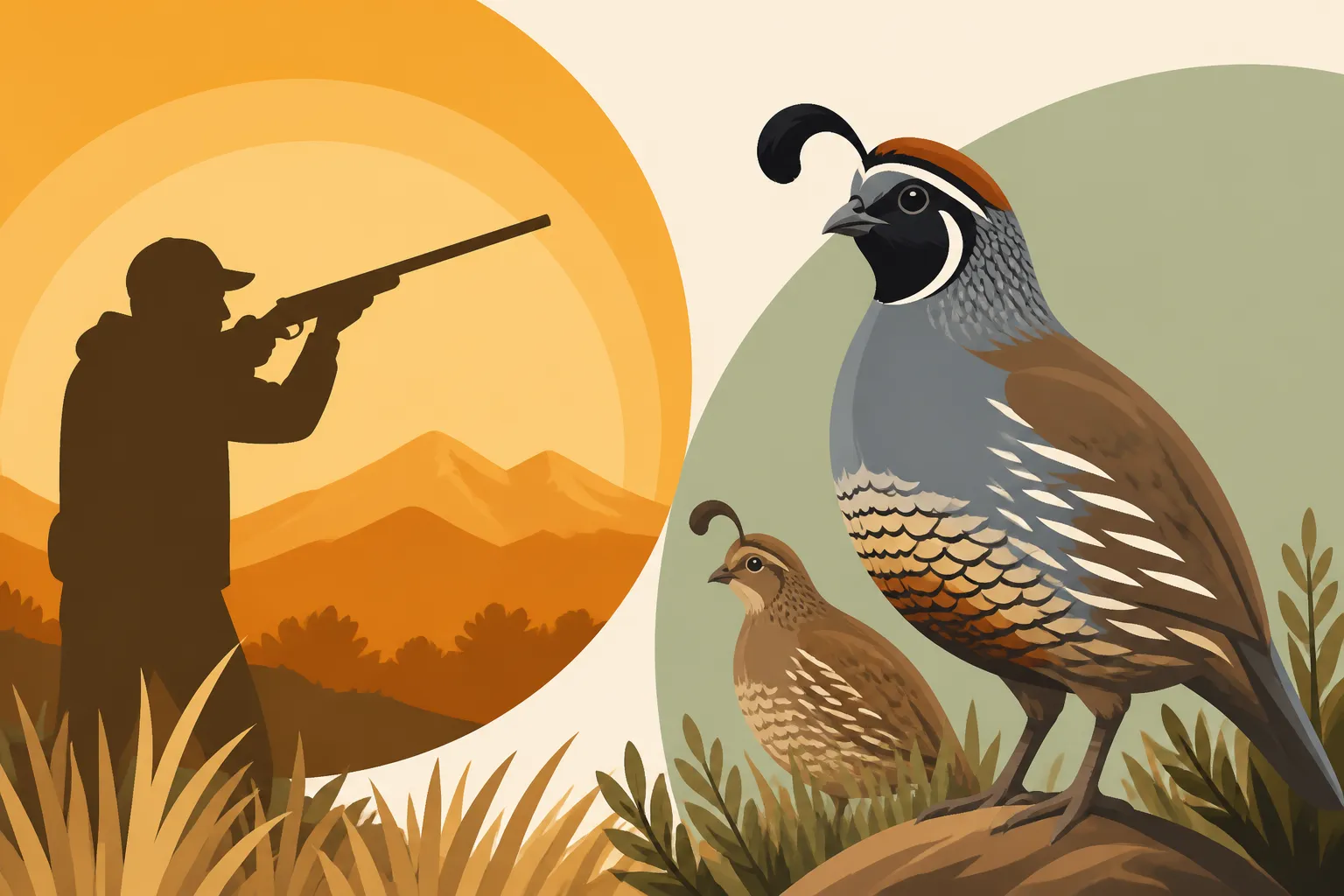
The California Valley Quail, often simply called "Valley Quail," is arguably the most recognizable and widespread quail species in the Golden State. You'll find these charming birds throughout the state, from the coastal scrub and oak woodlands to the vast Central Valley and the foothills of the Sierra Nevada. They're characterized by their distinctive plume that bobs as they run and their unmistakable "Chi-ca-go!" call that echoes across the canyons and fields. Their broad distribution means they are often included in the general statewide upland game season.
Hunting these birds often involves covering a lot of ground in areas like the mixed chaparral and grasslands found in Southern California, or working the brushy edges of agricultural fields in the Central Valley. Because they thrive in so many different environments, understanding their general season is crucial for the majority of California quail hunters. You'll want to focus your scouting on areas with good cover, water sources, and plenty of seed-producing plants. For a deeper dive into hunting these birds, explore strategies like those detailed in Quail Hunting California Foothill Chaparral.
The Elusive Mountain Quail
Mountain Quail are the largest of California's quail species, and they live up to their name by preferring higher elevations and denser, often more remote, timbered habitats. You'll find them primarily in the Sierra Nevada, Cascade Range, and the North Coast Range. Their deep-woods habitat makes them a tougher quarry than their Valley Quail cousins, often requiring more strenuous hiking and a keen eye for subtle signs. They don't typically form the large coveys that Valley Quail are known for, often being found in smaller groups.
Their season dates often align with or slightly extend beyond the general upland season in their higher-elevation ranges. Because of the challenging terrain and their wary nature, successful Mountain Quail hunting demands patience and endurance. Many hunters report encountering them while deer hunting or during other high-country pursuits, making them a bonus rather than a primary target. Understanding their specific habitat is key, and resources like those covering Hunting California's Sierra Nevada High Country can offer insights into these rugged territories.
The Desert-Dwelling Gambel's Quail
Venturing into California's southeastern deserts, you'll encounter the Gambel's Quail. These striking birds, with their distinctive topknot similar to Valley Quail but with a much more defined black plume and chestnut sides, are perfectly adapted to arid environments. Their range in California is limited to the desert regions, particularly the Mojave and Colorado Deserts, where they congregate around water sources like washes, springs, and agricultural fringes.
The season for Gambel's Quail often differs significantly from the general statewide upland season, typically opening later in the fall and extending further into the winter. This is largely due to the unique climate and habitat of the desert, where cooler temperatures bring out the birds and make hunting more feasible. Finding these birds usually means focusing on riparian areas, mesquite thickets, and cactus patches near essential water, often in expansive public lands managed by the Bureau of Land Management (BLM). Understanding their specific season is paramount if you plan a desert upland adventure.
Navigating General Season Dates and Regional Nuances
California's Department of Fish and Wildlife (CDFW) sets the hunting seasons annually, and while there's a "general" upland game bird season, it's critical to understand that regional variations and species-specific rules exist. Ignoring these nuances can lead to frustrating mistakes, or worse, legal trouble.
Statewide General Quail Season Overview
For the vast majority of hunters targeting Valley and Mountain Quail, the general season typically opens in mid-October and runs through late January. This gives hunters a substantial window, allowing for early season hunts when birds might be less pressured and later season hunts when cooler weather and dwindling food sources can concentrate coveys. The exact dates can shift slightly year to year, so always check the most current CDFW regulations.
This general season structure provides ample opportunity across various landscapes. From the brushy foothills where you might be Hunting Coastal Range Oak Woodlands to the oak-dotted valleys, this extended season accommodates different hunting styles and schedules. Many hunters enjoy combining quail hunting with other upland pursuits, as the seasons for species like pheasants and chukar often overlap, offering a mixed-bag experience.
Special Area Seasons and Late Desert Opportunities
While the general statewide season covers most areas, California also implements special season dates for certain regions or for specific species, particularly the Gambel's Quail. These special seasons are crucial to be aware of, as they provide unique opportunities but require careful planning. For instance, the desert regions supporting Gambel's Quail often have a later opening, sometimes in late October or November, and can extend into February. This later season capitalizes on cooler desert temperatures, which are more hospitable for both birds and hunters.
Checking the CDFW regulations for specific hunting zones and areas is non-negotiable. For example, some wildlife areas or national forest lands might have slightly modified seasons or additional rules. Using digital tools like the GoHunt app can be incredibly helpful for pinpointing these localized regulations. This kind of detailed planning is especially important if you're venturing into unfamiliar territory, perhaps on a trip to Hunting California's BLM Desert Land.
To give you a clearer picture, here's a general overview of typical quail season dates and limits in California. Remember, these are typical and subject to annual changes, so always consult the latest CDFW Upland Game Bird Regulations before heading afield.
| Quail Species | Typical Season Dates (General) | Typical Daily Bag Limit | Typical Possession Limit | Primary Habitat Region |
|---|---|---|---|---|
| Valley Quail | Mid-October to Late January (Statewide) | 10 | 30 | Foothills, oak woodlands, coastal scrub |
| Mountain Quail | Mid-October to Late January (Statewide) | 10 | 30 | High elevation forests, dense brush |
| Gambel's Quail | Late October/November to February (Desert) | 10 | 30 | Mojave/Colorado Deserts, riparian areas |
Note: Specific opening and closing dates, as well as bag and possession limits, are subject to change annually. Always refer to the official California Department of Fish and Wildlife (CDFW) Upland Game Bird Regulations for the current season.
Essential Licenses, Tags, and Bag Limits
Before you even think about loading your shotgun and heading out, you need to ensure you're properly licensed and understand the harvest regulations. California has specific requirements that apply to all upland game bird hunting, and quail are no exception.
California Hunting License and Upland Game Bird Validation
The first and most fundamental requirement for hunting quail in California is a valid California hunting license. This is your base permit that allows you to legally participate in hunting activities in the state. If you're new to hunting in California or need a refresher on the costs, you can find detailed information on California Hunting Licenses and What They Cost. Additionally, if you've never held a hunting license before, you will need to complete the California Hunter Education Requirements.
Beyond the general hunting license, all upland game bird hunters are required to purchase an Upland Game Bird Validation. This validation is an endorsement added to your hunting license that specifically authorizes you to hunt non-migratory upland birds, which includes all three species of quail found in California. Think of it as your special ticket to the quail fields. Without both a valid hunting license and the Upland Game Bird Validation, your hunt is not legal. The CDFW system makes it relatively straightforward to purchase these online or at authorized license agents.
Daily and Possession Limits for Quail
California implements strict daily bag limits and possession limits to ensure sustainable populations of game birds. For all three quail species (Valley, Mountain, and Gambel's), the typical daily bag limit is 10 birds. This means you can legally harvest no more than 10 quail of any combination of species within a single day. These limits are in place to prevent overharvesting and help manage California Valley Quail Population Trends.
The possession limit, which refers to the maximum number of birds you can have in your possession at any given time (including those stored at home), is typically three times the daily bag limit, making it 30 quail. This possession limit is especially important for hunters who might be on multi-day trips or those who harvest birds over several weekends. It's designed to prevent commercialization and ensure fair chase. Always remember that proper field dressing and tagging requirements also apply to ensure law enforcement can verify your harvest.
How to Stay Current with Regulations and Plan Your Hunt
The dynamic nature of hunting seasons and regulations can be a bit of a moving target. Water conditions, habitat changes, and biological assessments can all influence season dates and limits. Therefore, relying on old information is a recipe for disappointment. Proactive research is your best friend when planning a quail hunt.
CDFW Resources and Online Tools
The absolute best source for the most current and accurate California quail season dates and regulations is the California Department of Fish and Wildlife (CDFW) itself. They publish an annual Upland Game Bird Regulations booklet, which is available both online on their website and in print at license vendors. This booklet is your bible for all things upland game, detailing season dates by species and region, bag limits, shooting hours, and any special area restrictions. Don't just skim it; read it thoroughly, especially the sections pertaining to the areas you plan to hunt.
In addition to the official regulations, various online hunting resources can assist in your planning. Platforms like GoHunt are fantastic tools that aggregate this information, often presenting it in a more user-friendly, interactive format, complete with maps and season date overlays. While GoHunt and similar apps are incredibly useful for planning and scouting, always cross-reference their data with the official CDFW regulations. The CDFW also offers a mobile app which can sometimes provide quick access to regulations and even allow for license purchases, making it a handy companion afield. Tools like these can help you identify specific areas, such as California Wildlife Areas and Ecological Reserves, where public access is available.
Strategic Scouting and Season Planning
Once you have the season dates locked down, your next step is strategic scouting. Quail populations, especially Valley Quail, can fluctuate based on rainfall, habitat conditions, and acorn crops. A good California Quail Habitat Restoration Efforts initiative in one area could mean a boom in bird numbers. Pre-season scouting, whether in person or using digital mapping tools, is essential. Look for areas with dense cover, food sources (like wild grains and seeds), and water. Accessing public lands within California's Eighteen National Forests can provide vast opportunities, but knowing specific entry routes and potential hunting pressure is vital.
Consider the time of year you plan to hunt. Early season hunts, especially for Valley Quail, often mean birds are spread out and still in large coveys, offering fast action. As the season progresses and temperatures drop, birds may concentrate around remaining food and water sources. Later in the season, after some hunting pressure, birds can become very wary. If you plan to use a dog, ensure your canine companion is ready; Running Pointing Dogs on California Valley Quail takes practice and conditioning. Planning your hunt around the specific characteristics of your chosen species and terrain, using tools like GoHunt to visualize land ownership and terrain features, will greatly increase your chances of success.
Disclaimer
Please remember that hunting regulations in California are subject to change. This guide provides general information based on typical seasons. Always consult the most current official California Department of Fish and Wildlife (CDFW) Upland Game Bird Regulations before planning and undertaking any hunting activity. It is the hunter's responsibility to know and follow all applicable laws and regulations.