California Nonlead Ammo List Update Schedule
For California hunters, navigating the non-lead ammunition mandate can feel like trying to hit a moving target. Just when you think you've got a handle on what's legal and available, new products emerge, old ones disappear, and the regulations, while generally stable, still require diligent attention. This guide aims to demystify the California Department of Fish and Wildlife's (CDFW) non-lead ammunition list update schedule and provide clear, actionable advice on how to stay compliant and informed for your next hunting adventure.
Understanding California's Non-Lead Ammunition Mandate
California has led the charge in wildlife conservation, and one of the most significant changes for hunters in recent decades has been the statewide ban on lead ammunition for all hunting. This isn't just about big game anymore; it encompasses everything from doves to deer. The transition has been a journey, and understanding its roots helps illuminate why the ammunition list is so critical.
The Phased Approach to a Full Ban
The push to eliminate lead ammunition wasn't an overnight decision. It began with specific areas, particularly those inhabited by the critically endangered California Condor. Scavengers like condors, feeding on gut piles or unrecovered game shot with lead bullets, were ingesting lead fragments, leading to lead poisoning. This heartbreaking reality spurred legislative action.
Initially, restrictions focused on designated "condor zones," but the writing was on the wall for a broader application. The state eventually passed Assembly Bill 711 in 2013, mandating a complete statewide ban on lead ammunition for all hunting by July 1, 2019. This phased implementation gave manufacturers, retailers, and hunters time to adapt, though it certainly wasn't without its challenges. Hunters had to learn about new bullet types and how they performed, often having to re-zero their rifles and adjust their hunting strategies.
The Role of the California Department of Fish and Wildlife
The CDFW is the agency tasked with implementing and overseeing this mandate. They don't just enforce the law; they also maintain the official list of certified non-lead ammunition products. This list is essentially the bible for California hunters looking to purchase and use compliant ammunition. It’s crucial because, unlike some regulations that might have a simple "if it's not lead, it's fine" approach, California requires certification. This means a manufacturer must submit their product for review, ensuring it meets the specific criteria for "non-lead" as defined by the state. This strict requirement is why understanding California's Non-Lead Ammunition Requirement is so essential. It’s not enough to think your ammo is lead-free; it must be certified.
How the CDFW Non-Lead List is Managed and Updated
This is where the "update schedule" comes into play, though it's less of a fixed calendar and more of an ongoing process driven by both regulatory review and industry innovation. The CDFW works diligently to keep the list current, but it's important for hunters to understand the mechanics behind it.
The Certification Process for Ammunition Manufacturers
Before any ammunition can be added to the CDFW's approved non-lead list, the manufacturer must submit it for review and certification. This isn't a simple handshake agreement; it involves a detailed application process where the manufacturer provides specifications and data demonstrating that their product contains no lead in the bullet or projectile portion. They must verify the bullet's composition, ensuring it meets the strict non-lead definition.
Once submitted, the CDFW reviews these applications. This is an administrative process, and while the department aims for efficiency, the speed of updates can depend on the volume of submissions, the completeness of the manufacturers' data, and the department's internal resources. It's not uncommon for a new product to be available on store shelves before it officially appears on the CDFW list, which can be a real source of confusion for hunters eager to try new options. This lag time highlights why it’s so important to check the official list before buying or heading afield.
Frequency and Nature of List Updates
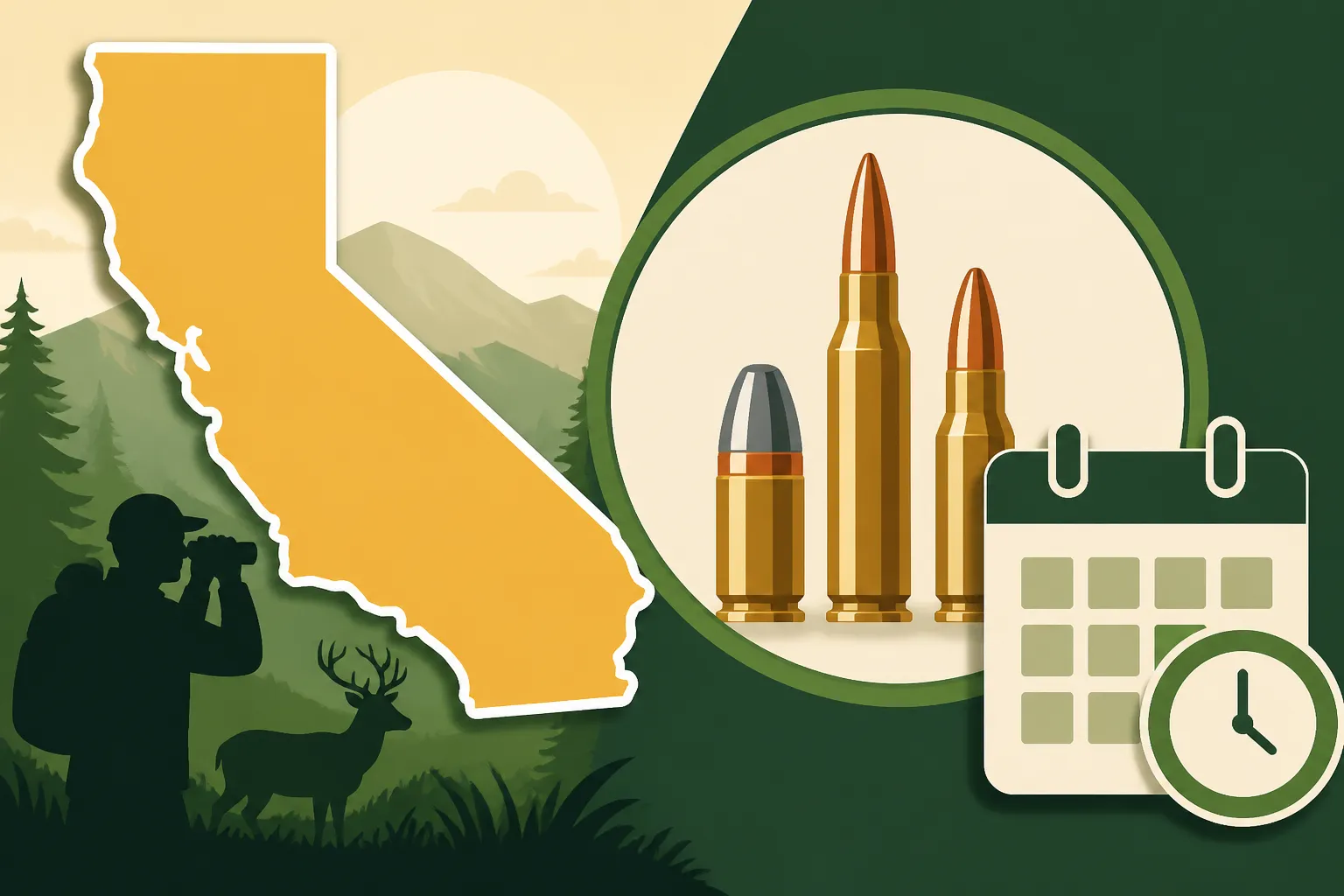
The CDFW non-lead ammunition list isn't updated on a rigid, predictable schedule like a quarterly report. Instead, it's a dynamic document that sees updates as new products are certified or, occasionally, if a previously certified product is found to no longer meet the requirements or is discontinued by the manufacturer. You won't find a "California Nonlead Ammo List Update Schedule" published with specific dates like "first Monday of every month."
Generally, the CDFW aims to add newly certified ammunition to the list as soon as their review process is complete. This means updates can happen at various times throughout the year. For instance, a burst of new submissions might lead to several additions over a few weeks, followed by a quieter period. Hunters often check the list before major hunting seasons, like the general deer opener or the fall waterfowl season, because that's when they're actively buying and preparing their gear. While the law itself, such as California's Condor-Driven Ammunition Law, is stable, the specific products that comply can change.
It's wise to think of it as an ongoing compilation rather than a scheduled publication. The most reliable way to know if your preferred ammunition, or a new option you're considering, is approved is to directly consult the most current version of the list on the CDFW website. They typically provide the date of the last revision, which is helpful for hunters to gauge its recency.
Staying Current with the Non-Lead Ammunition List
Given the dynamic nature of the non-lead ammunition list, it falls on individual hunters to stay informed. It can feel like a chore, but missing an update could put you in a non-compliance situation, which is the last thing any responsible hunter wants.
How to Access the Official CDFW List
The most authoritative source for the non-lead ammunition list is the California Department of Fish and Wildlife's official website. They host a dedicated page, often found under their hunting or wildlife programs sections, that provides the most up-to-date document. This list is usually presented as a searchable database or a downloadable PDF, making it relatively easy to check for specific calibers, manufacturers, or bullet types.
When you access the list, pay close attention to the date it was last updated. This gives you an immediate sense of how current the information is. Remember, a list that's several months old might not include the newest certified products. bookmarking this page on your computer or mobile device is a great habit, allowing for quick checks before you make a purchase or head out to the field.
Utilizing Resources and Tools for Hunters
Beyond the official CDFW website, several other resources can help hunters stay current:
- Hunting Forums and Communities: Local California hunting forums and online communities are excellent places to hear about new ammunition releases or discussions around certification. Experienced hunters often share news and insights, though always cross-reference information with the official CDFW list.
- Retailer Information: Reputable hunting retailers in California are usually well-versed in the non-lead requirements and can often confirm if a product is certified. However, even they rely on the CDFW list, so it's best to perform your own verification.
- Hunting Apps and Platforms: Digital tools like GoHunt often integrate regulatory information or provide links to official sources. While GoHunt is primarily known for its extensive data and tools for drawing big game tags and scouting Western states, they understand the importance of staying current with regulations. Using such platforms for research can be incredibly helpful for managing all aspects of your hunting preparation, including ensuring you're using legal ammunition. Checking their resources or community forums can sometimes give you a heads-up on changes, but always verify with CDFW.
- Manufacturer Websites: Ammunition manufacturers who produce non-lead options for the California market often explicitly state on their websites which of their products are California-compliant. This can be a useful starting point when researching Which Non-Lead Bullets California Approves for your specific needs.
What to Do If Your Ammunition Isn't on the List
If you find that a non-lead ammunition product you're interested in isn't on the official CDFW list, here's what that generally means:
- It's Not Certified (Yet): The manufacturer might not have submitted it for certification, or it could be in the review process. Without certification, it's not legal for hunting in California.
- It's Not Truly Non-Lead: Some ammunition marketed as "environmentally friendly" might still contain trace amounts of lead that don't meet California's strict criteria. Remember, How Much Lead a Non-Lead Bullet Can Contain is essentially zero for the projectile itself under California law.
- It's Discontinued: The product might no longer be produced, and thus, its certification is irrelevant.
Your best bet is to choose a product that is unequivocally listed on the CDFW website. Don't assume. When in doubt, go with a certified option. This also applies when you're looking for Non-Lead Options for Muzzleloaders or even Non-Lead Handgun Ammunition Options for specific game or scenarios.
Navigating Non-Lead Ammunition Choices
The non-lead mandate has prompted a lot of innovation in ammunition technology. While the transition had its bumps, today's non-lead options are highly effective and offer excellent terminal performance for ethical hunting.
Common Non-Lead Projectile Materials
When you're looking at non-lead options, you'll primarily encounter bullets made from solid copper or copper alloys. These materials perform differently than traditional lead-core bullets, and understanding those differences is key to success in the field.
- Solid Copper: These are often precision-machined projectiles designed to retain nearly 100% of their weight upon impact, providing deep penetration and reliable expansion. Brands like Barnes (with their TSX and TTSX lines) are well-known for these. They tend to create less fragmentation, which is a key reason for the non-lead mandate.
- Copper Alloys: Some manufacturers use copper alloys that might include other metals, still adhering to the non-lead standard. These can also offer excellent performance and varying expansion characteristics.
- Frangible Materials: Less common for big game, but sometimes seen in specialty applications or for varmints, frangible non-lead bullets are designed to break apart into tiny pieces upon impact, minimizing ricochets and lead residue.
Each material has its own characteristics regarding expansion, penetration, and ballistic coefficient. For hunters, this means doing a bit of homework to find the best match for their rifle and the game they pursue. It's not just about compliance; it's about ethical shot placement and clean kills.
Performance Considerations and Testing
Switching to non-lead ammunition often requires hunters to re-evaluate their setup. Copper bullets, being less dense than lead, are typically longer for a given weight. This can affect bullet stability and accuracy, especially in rifles with slower twist rates.
- Ballistics: Non-lead bullets often have different ballistic coefficients and velocities compared to their lead counterparts. This means your point of impact will likely change, even if the bullet weight is similar. You'll need to re-zero your rifle. Resources discussing Copper Bullet Ballistic Coefficient Versus Lead can help you understand the technical differences.
- Terminal Performance: Non-lead bullets tend to penetrate very deeply before expanding, and they usually retain most of their weight. This is excellent for ensuring pass-through shots and creating two wound channels. However, it can sometimes mean less immediate energy transfer compared to fragmenting lead bullets, requiring precise shot placement.
- Cost and Availability: Historically, Non-Lead Ammo Availability and Cost were significant concerns. While prices can still be higher than some lead-based options, availability has dramatically improved as manufacturers have ramped up production to meet California's demand and other states' similar regulations. Ordering Non-Lead Ammo Online for California is a common practice for many hunters, especially if local stores have limited stock for specific calibers.
Therefore, extensive range time is not just recommended, it's essential. You need to know how your rifle performs with the new ammunition. This means Zeroing a Rifle for Non-Lead Loads and practicing at various distances. Don't wait until the week before opening day to sight in your rifle; do it well in advance, giving yourself time to test different bullet weights or brands if necessary. For example, if you're hunting blacktail deer, knowing the Best Non-Lead Bullet Weight for Blacktail Deer for your specific rifle can make all the difference.
Preparing for Your California Hunt
With the non-lead mandate now deeply ingrained in California hunting culture, preparation is more important than ever.
- Check the List Early: Before purchasing new ammunition or preparing for a season, consult the latest CDFW non-lead ammunition list. Do this well in advance of your hunt.
- Purchase Approved Ammunition: Only buy ammunition that is explicitly on the certified list. Don't take chances.
- Extensive Range Practice: Once you have your certified non-lead ammunition, hit the range. Re-zero your rifle thoroughly and practice shooting from various positions and distances you might encounter in the field. This also applies if you are Sighting In Before Switching to Non-Lead for the first time.
- Understand Your Bullet's Performance: Learn how your chosen non-lead bullet is designed to perform. Know its expansion characteristics and penetration capabilities. This knowledge will instill confidence and contribute to ethical hunting.
- Stay Informed: Keep an eye on CDFW announcements and official channels. While the list updates are not on a fixed schedule, staying generally aware of regulatory news is always a good practice. Hunting platforms like GoHunt can also be a valuable resource for general hunting news and information on specific zones or drawing odds, which can sometimes include updates related to equipment requirements.
By taking these steps, you can ensure you're fully compliant with California's non-lead ammunition laws and ready for a successful and ethical hunt.
Ammunition Type and Non-Lead Considerations Table
To help visualize some of the common non-lead options and considerations, here's a quick overview:
| Ammunition Type | Primary Non-Lead Material | Key Characteristics | Common Use Cases |
|---|---|---|---|
| Rifle Bullets | Solid Copper / Copper Alloy | High weight retention, deep penetration, reliable expansion | Deer, Elk, Bear, Pigs (all big game) |
| Shotgun Slugs | Solid Copper / Copper Alloy | Designed for smoothbore or rifled barrels, good penetration | Shotgun-only zones for deer or pigs |
| Shotgun Shot | Steel, Bismuth, Tungsten | Steel is affordable, Bismuth/Tungsten offer better density/range | Waterfowl, Upland Birds, Small Game (e.g., quail) |
| Handgun Bullets | Solid Copper / Copper Alloy | Controlled expansion, often heavier for caliber | Wild pigs, bear defense, small game |
| Muzzleloader | Copper / Composite | Saboted copper projectiles, specific to muzzleloader types | Muzzleloader seasons for deer, elk |
Disclaimer
The information provided in this guide is for general informational purposes only and is not a substitute for direct consultation with the official California Department of Fish and Wildlife regulations. Hunting laws and regulations can change, and it is the responsibility of each individual hunter to ensure they are in full compliance with all current state and federal laws before engaging in any hunting activity. Always check the most recent CDFW publications and lists directly.